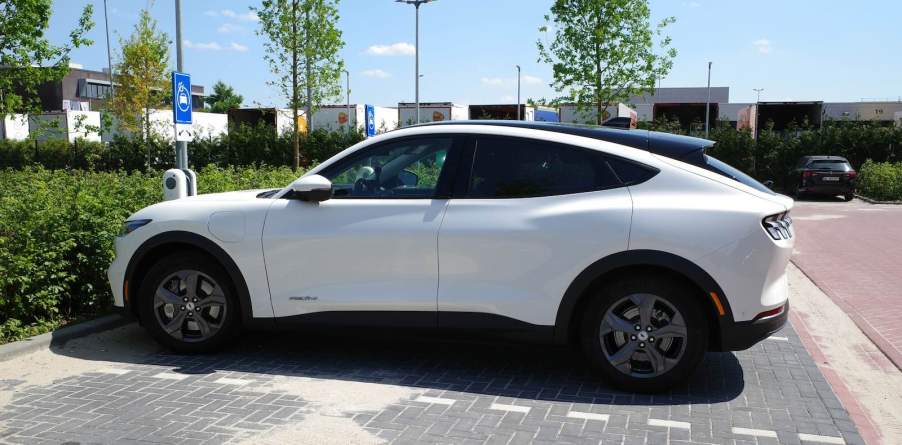
Californians sue Ford over EV’s potentially deadly door design
You’re walking to your Ford Mustang Mach-E after a long day at work, key fob in one hand, work bag in the other. You press the door button—nothing. The car is dead. No problem, right? Just use the metal key. Oh, wait… there isn’t one. And good luck jump-starting it: the frunk won’t open either, because it’s controlled by the same electronic system that just failed. Now you’re locked out, staring at a 4,500-pound paperweight. If your phone was inside, you’re stranded. If your pet was inside, things could turn tragic fast. That’s the reality of Ford’s EV’s electronic door latches—and now, California is suing over it.
The lawsuit claims that Ford’s E-Latch door system is a “material safety defect” because it lacks a manual backup. The complaint argues that Ford “fails to disclose the significant risk” of being locked out, especially in emergencies. The lawsuit warns that “passengers or pets could become trapped inside,” with no way for an owner to regain access.
Ford does provide jumper cable points hidden in the front grille, the lawsuit says the process of getting to them–which includes jumping the leads in the bumper just to get into the frunk–is “complicated and time-consuming,” especially for drivers unfamiliar with the vehicle. You can see the process for yourself in the video below:
Ford’s unsafe, powered door handles are common on EVs
Ford, for its part, has defended the design. The company markets E-Latch as a feature, not a flaw. And it’s true that other EVs have electronic door handles, including Teslas and Rivians. Tesla even settled a lawsuit over similar door issues, showing that this concern isn’t exclusive to Ford.
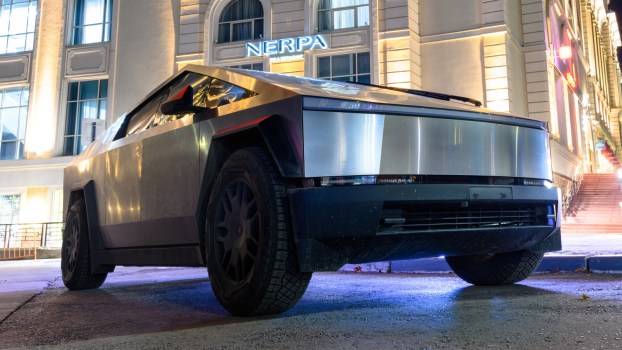
The bigger issue? Automakers keep pushing futuristic door designs without fail-safes. Traditional door handles work in power outages. Electronic-powered ones? Not always. As I previously wrote about a Tesla Cybertruck bricking itself, even a “fully charged” EV can leave its owner stranded. And while Rivian has a hidden frunk release, it requires removing wheel well liners—not exactly user-friendly.
So maybe California’s lawsuit isn’t just about Ford. Maybe it’s a wake-up call for the entire industry.
Ford’s E-Latch system sounded futuristic on paper—until owners realized they could be locked out of their own cars with no easy fix. California’s lawsuit highlights a fundamental flaw: basic access shouldn’t require a roadside rescue. Tesla, Rivian, and others provide cable releases for dead-battery scenarios. Ford? Not so much. If automakers want to replace old-school handles with electronic gimmicks, they need to ensure they don’t turn their own cars into high-tech traps.