Man Urges Buyers To Check The Tailpipe Before Buying A Used Car. Then He Reveals Why It Matters More Than You Think
If you’re looking at a used vehicle, you may be wondering if there’s anything wrong with the vehicle that the seller is hiding. Now, an internet user says there’s an easy way to tell if something in the engine is amiss.
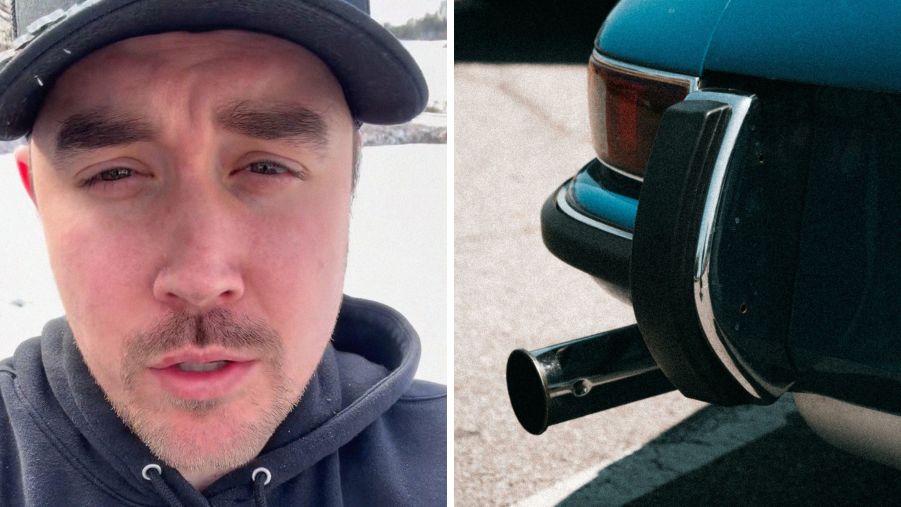
In a Facebook Reel, user Ceith Griffith offers a suggestion for those interested in buying a used vehicle.
“Before buying a used vehicle … Go to the back of the vehicle and rub your finger in the tailpipe,” he says. “If there’s no black that comes out, you know that it’s not using oil and the motor is okay.”
To demonstrate this, he sticks his finger in the tailpipe of a car and rubs it around. After a few seconds, he removes it — showing that his fingers look clean and free of oil or soot.
What Does It Mean When A Car ‘Burns Oil’?
Before discussing whether this is a good test, it’s good to explore what exactly this test is trying to show.
In short, while your car’s engine needs oil, it’s not supposed to go into its internal combustion chambers. When a car “burns oil,” that means that its oil is slipping through worn components like pistons or valve seals and getting into the combustion chamber itself.
Once inside your combustion chamber, it burns — which can produce a residue visible in the tailpipe.
Needless to say, this isn’t good for your car. First, it makes your car use more oil than it should, resulting in the need to frequently top up. Second, burnt oil can, over time, damage your car. It can foul your spark plugs and even damage your catalytic converter.
If you have an engine with a lot of miles on it, a little oil consumption is relatively normal, though not ideal. Still, if you find yourself continuously topping up your oil, you might have a problem.
Can The ‘Tailpipe Test’ Tell You Whether A Car Burns Oil?
The answer to this question is a bit complicated.
To start, an engine burning oil will doubtlessly leave a residue in your tailpipe. The problem is that an engine working normally will also leave residue in your tailpipe.
In short, the presence of soot alone is not enough to declare that your engine is burning oil. However, if there’s an excessive amount of grime — or if the residue is thick and oily — it may be a sign that your car is burning oil.
If you want to be certain (or if you just don’t want to stick your finger in a tailpipe), there are some other indicators that could point to engine problems related to oil burning.
One of the most obvious examples is blue smoke coming from the tailpipe. Burnt oil tends to look different leaving the car than normal exhaust. If you’re looking at a used car, ask them to run the engine and look at the exhaust; from there, you’ll get a better idea of whether the car is burning oil.
Next, when you go for a test drive, pay attention to the smell of the car. Burning oil can sometimes have a sharp, acrid smell, which may be especially noticeable while idling or after shutting off the engine.
Finally, you can ask the seller how often they need to top up their oil. They may be dishonest — but if they admit that they frequently need to add more oil, it’s a sign that there’s something wrong with the engine.
Commenters Have Other Advice
In the comments section, users had their own tips.
“Don’t forget to pull your seat belts out and check if the car had been flooded,” suggested a commenter.
“Also leave the vehicle running for awhile to make sure it doesn’t have a problem with overheating,” added another.
“Look underneath for rust too!! Bc mine is covered in rust underneath noone checked!!” exclaimed a third.
We’ve reached out to Griffith via Instagram and Facebook direct message.