You Might Hate How Bright Car Headlights Are Now, But They’re Actually Saving Lives [Study]
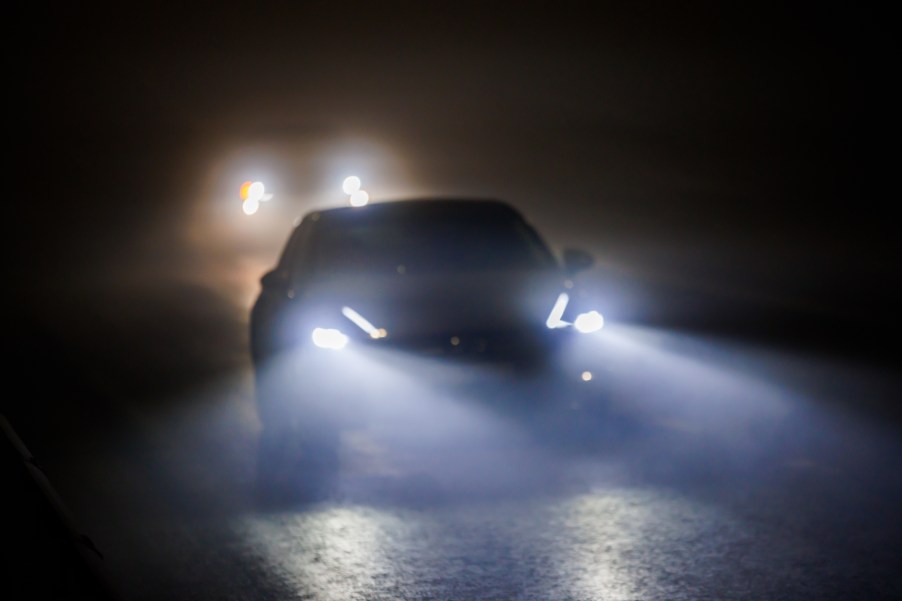
Night driving often turns into an unwanted light show these days. Modern LED headlights blaze down the road like tiny suns, and plenty of drivers (myself included) complain about being temporarily blinded by the glare.
But according to a new study from the Insurance Institute for Highway Safety (IIHS), those blinding beams aren’t causing the carnage many feared. They’re actually saving lives.
The IIHS found that while complaints about glare have skyrocketed, crashes caused by it haven’t
Between 2015 and 2023, glare was listed as a factor in only one or two out of every 1,000 nighttime car accidents across 11 states.
That rate hasn’t budged in a decade, even as headlights have grown brighter and far more effective.
In the same period, cars with better-rated headlights saw fewer nighttime crashes overall
The big change: better visibility.
While glare might make you squint for a moment, poor lighting has historically been the real danger.
IIHS researchers found that vehicles with “good” headlight ratings had 19% fewer nighttime single-vehicle crashes and 23% fewer nighttime pedestrian crashes than those with poor-rated headlights.
It’s a surprising result, considering how much modern drivers complain about headlight glare
Federal brightness standards haven’t changed since 1997, but IIHS’s headlight rating system, launched in 2016, gave automakers a reason to step up their game.
When the program began, only one of more than 80 headlight systems earned a “good” rating.
Fast forward to the 2025 model year, and roughly half do.
That change pushed manufacturers toward better designs (mostly LEDs) with more consistent beam patterns and smarter aim.
IIHS penalizes excessive glare in its scoring, so automakers have had to balance brightness and courtesy
The results speak for themselves: only about 3% of 2025 headlights tested produced excessive glare, down from 21% in 2017.
Still, glare remains an annoyance, especially for older drivers
The study found that drivers over 70 are the most likely to crash when glare plays a role. Wet roads and narrow two-lane streets make the problem worse.
The IIHS says new headlight tech can help even more
High-beam assist, which automatically dips the lights for oncoming traffic, is becoming common.
And adaptive driving beams (the kind that dim only the part of the light hitting another car) are finally trickling into U.S. regulations after years of delay.
So yes, today’s headlights might make you mutter under your breath when an SUV crests a hill and fills your windshield with light. But those same beams are also illuminating the road ahead in ways older halogens never could. The glare might sting for a second, but the payoff is clear. I’ll take fewer crashes, fewer injuries, and a better shot at making it home safely in the dark.