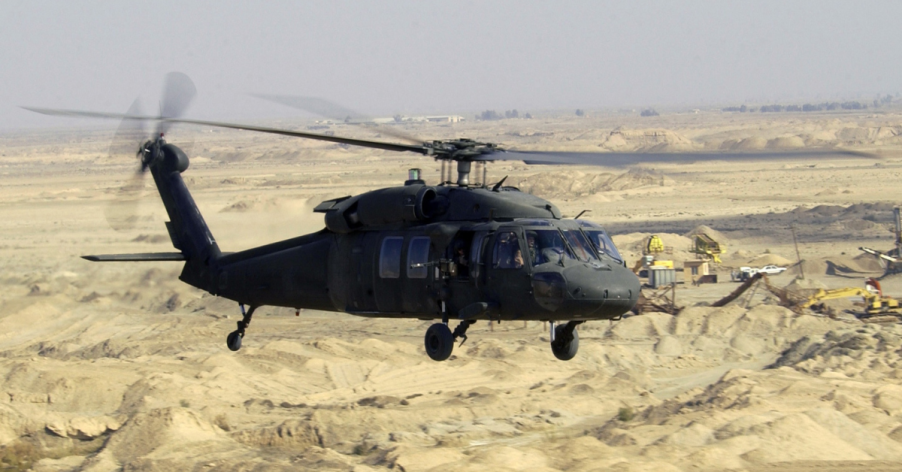
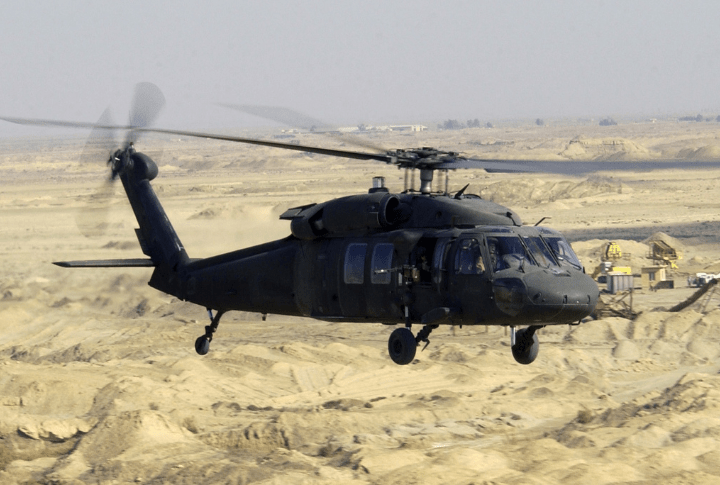
Black Hawk’s Fateful Mistake Highlighted In Latest NTSB Investigation
The findings are shocking; the NTSB has finally uncovered what went wrong in the Black Hawk disaster. From communication breakdowns to critical missteps, this report reveals the fateful mistake that led to tragedy. If you want to know how this could have been prevented and what it means for future flights, keep reading.
NTSB Findings On Communication Failures
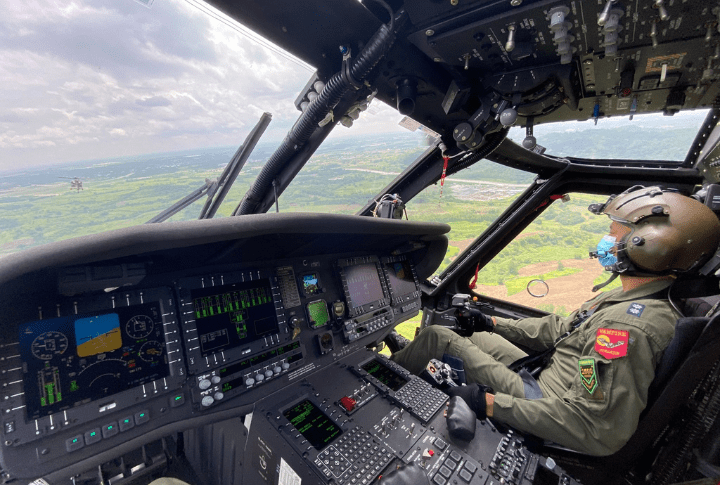
A single misunderstood message can change everything; in this case, it did. The National Transportation Safety Board report highlights missed radio transmissions and unclear directives contributing to the crash. Investigators found that the Black Hawk crew didn’t receive a critical update, leading to confusion at a pivotal moment.
Detailed Timeline Leading To The Collision

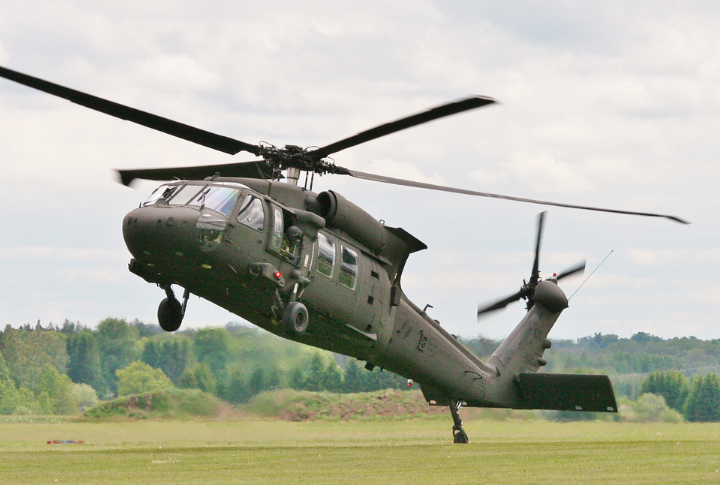
According to the NTSB, the Black Hawk was flying higher than allowed in its assigned corridor moments before impact. The confusion began when its altitude deviation wasn’t communicated between control centers. Last-minute course corrections were attempted, but it was too late.
Pilot Actions And Altitude Discrepancies
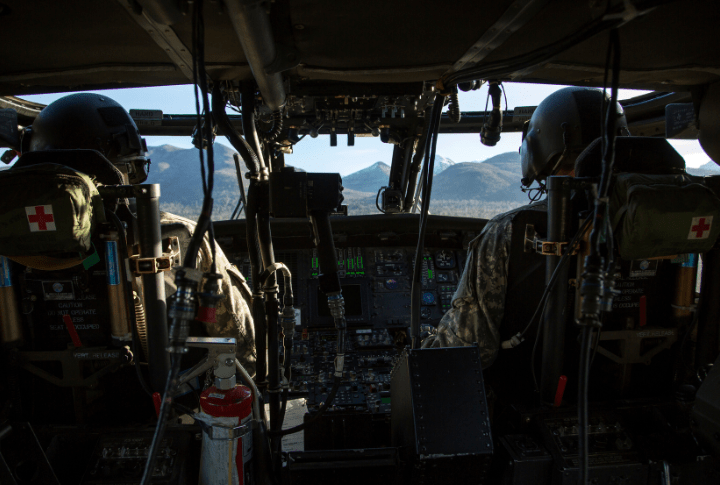
So, investigators found that the Black Hawk was flying higher than the authorized altitude of 200 feet, directly conflicting with incoming aircraft. The pilot may have misinterpreted altitude clearance due to fatigue or misread instruments. Human error or technical failure? The report suggests both may have played a role.
Mechanical Issues And Equipment Malfunctions
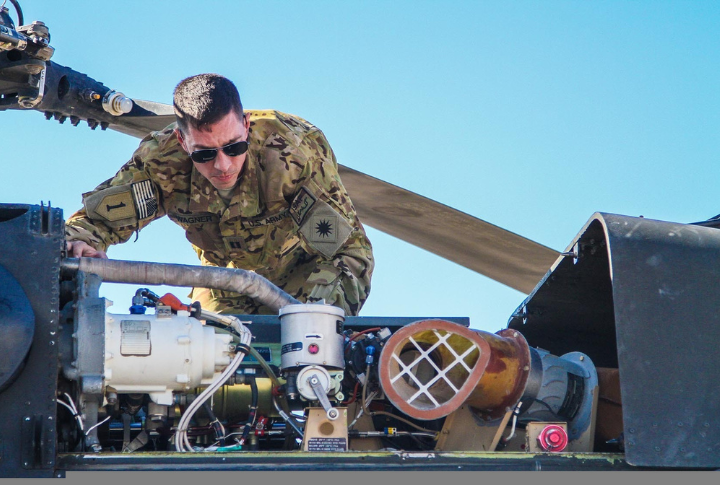
Pilots rely on their instruments, but what happens when a critical one provides bad data? The NTSB found irregularities in the Black Hawk’s altimeter, which gave inconsistent readings and made it difficult for the crew to determine their exact altitude.
Impact Of Night Vision Goggles On Visibility
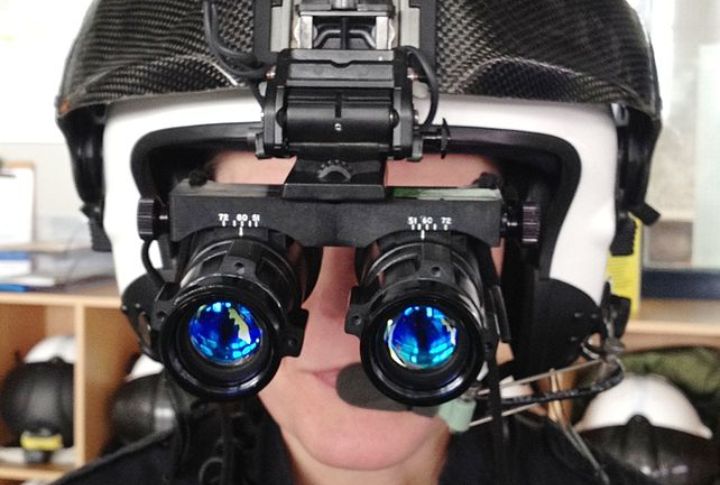
Seeing in the dark isn’t as simple as slipping on night vision goggles. The report points to limited depth perception and glare distortions as possible contributors to the crash. Black Hawk pilots rely heavily on night vision goggles for operations, but these devices have limitations, particularly in urban or mixed-light environments.
Air Traffic Control Procedures And Workload
Controllers were juggling multiple aircraft at once, and that split-second overload played a role. The investigation suggests that the control tower may have been overwhelmed, potentially delaying important instructions. While ATC records confirm a busy airspace at the time, the extent to which this contributed to the incident remains under review.
Safety Systems Status During The Flight
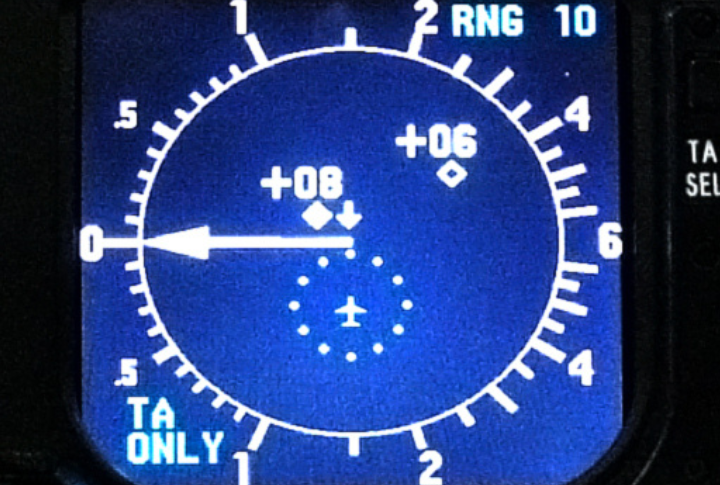
The Black Hawk lacked a Traffic Collision Avoidance System (TCAS), which could have provided an audible “Traffic, Traffic” warning. In contrast, the CRJ700’s TCAS did issue such an alert less than 20 seconds before the crash. The absence of collision warnings underscores the importance of reliable instruments and systems in maintaining flight safety.
Human Factors And Decision-Making Under Pressure

High-stakes situations can push even the most experienced pilots to their limits. Fatigue and time-sensitive decisions can impact cognitive functions, leading to errors that might not happen under normal conditions. When split-second choices are required, stress-induced tunnel vision can make it harder to assess all available options.
Preventative Measures For Future Flights

Every aviation incident provides an opportunity to strengthen safety protocols. Investigators often identify areas where procedures can be improved. While no system is perfect, continuous improvements based on past accidents can help reduce risks and enhance overall flight safety for both military and civilian operations.
NTSB’s Recommendations For Aviation Safety

Aviation safety evolves as new incidents highlight areas for improvement. Investigations often lead to updates in maintenance protocols, crew training, and safety systems to prevent similar accidents. While regulatory changes can enhance flight safety, their effectiveness depends on how quickly and thoroughly they are implemented across the industry.