15 Best American Supercars Ever Made
Supercars push the limits of automotive engineering as masterpieces of speed, design, and technology. These iconic machines have set hearts racing across the globe, and their allure lies in their unparalleled performance and breathtaking aesthetics. In this article, we celebrate the best American-made supercars of all time, showcasing the ingenuity and passion of American manufacturers who dared to dream big and build even bigger.
Hennessey Venom F5
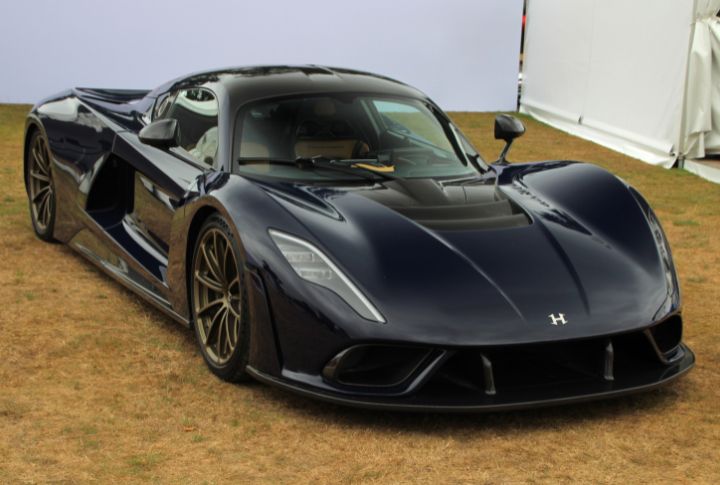
Named after the most powerful tornado, the Venom F5 aims to break records with its blistering top speed. This hypercar has a 6.6-liter twin-turbo V8 engine, producing a staggering 1,817 hp. It boasts a lightweight carbon fiber chassis and a drag coefficient of just 0.33, potentially allowing it to reach speeds exceeding 318 mph.
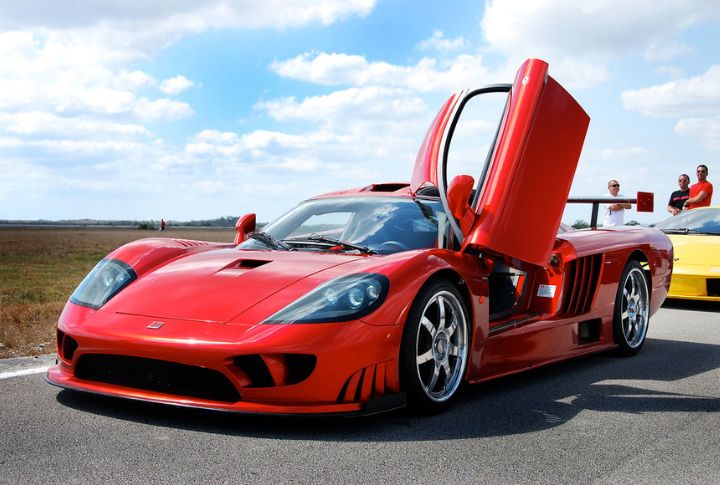
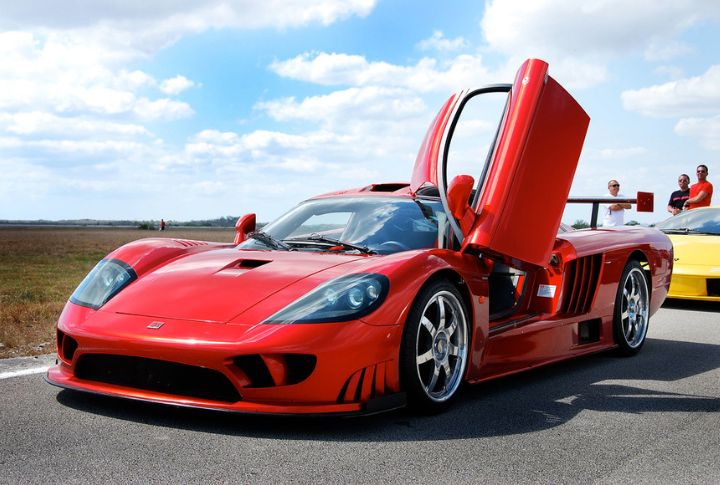
Saleen S7
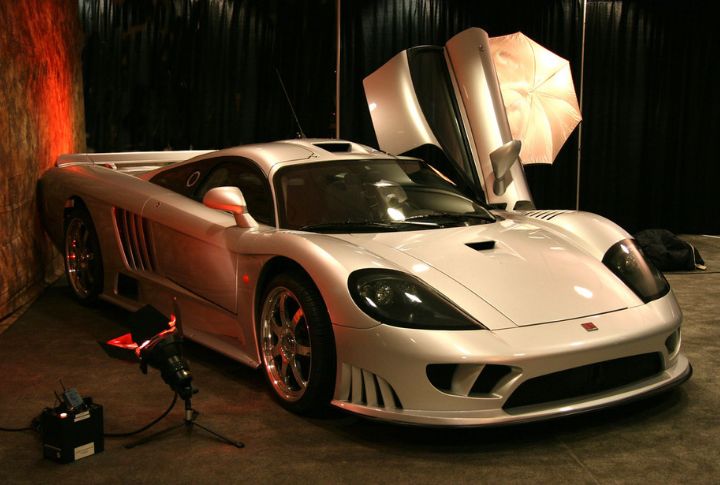
The Saleen S7 is an American supercar icon that has been turning heads since its debut in 2000. Known for its distinctive design and racing pedigree, the S7 is powered by a 7.0-liter naturally aspirated V8 engine, delivering 550 hp in its original configuration and up to 750 hp in the twin-turbo variant. The car features a sleek, aerodynamic body made from lightweight materials, ensuring optimal road and track performance.
Dodge Viper ACR
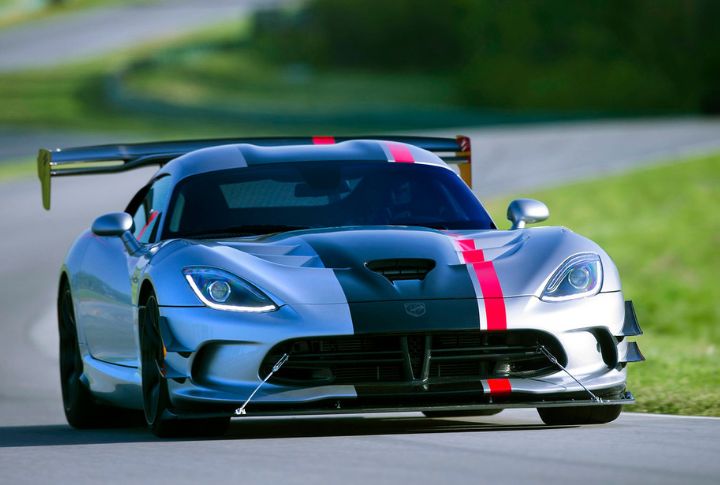
As the racing variant of the Dodge Viper, this beast was designed to dominate the racetrack. It’s known for its aggressive styling and uncompromising performance. It’s equipped with street-legal racing tires, and the engine delivers 600 hp. Several modifications, like removing the AC, radio, trunk carpet, and amplifier, reduced the car’s weight by 40 pounds.
Ford GT
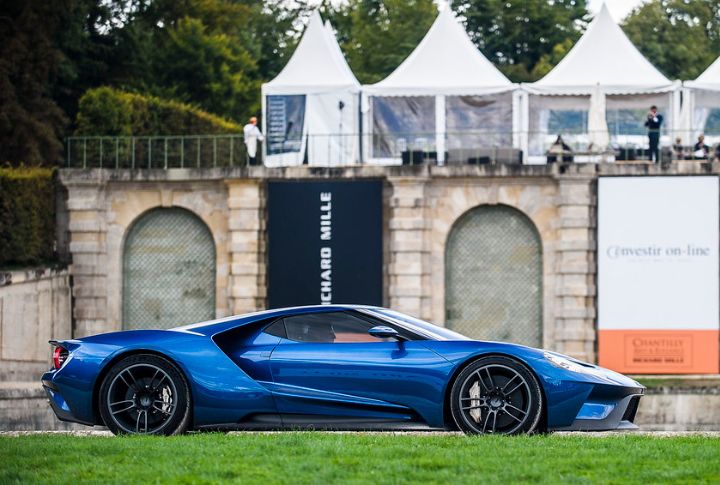
This modern marvel pays homage to its legendary predecessor, the GT40, which dominated Le Mans in the 1960s. A total of 4,038 cars were produced, and despite being visually similar to the GT40, these two vehicles have no structural similarities. The first generation was designed to reach a top speed of 205 mph, increasing to 216 mph in the second generation.
SSC Tuatara

In 2020, SSC North America designed and planned the development of the Tuatara. This hypercar is named after a reptile found exclusively in New Zealand, which is known to have the fastest molecular evolution of any living animal. The car was powered by a 6.9-liter twin-turbo V8 engine, which was later reduced to 5.9 liters to increase the number of rpms.
Mosler MT900
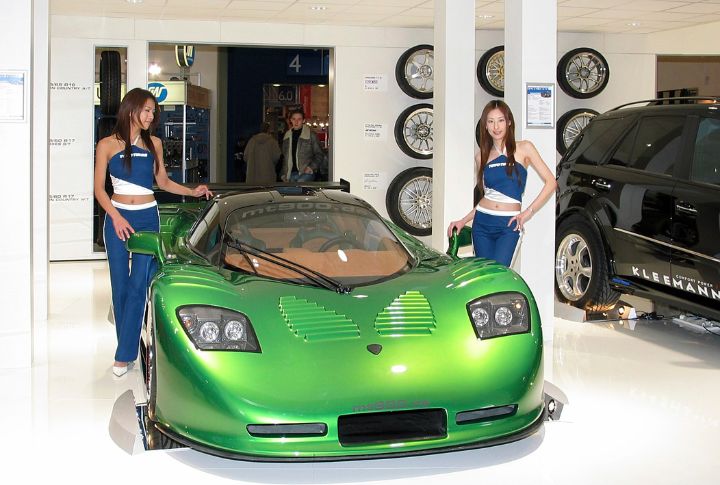
Introduced in 2001, the MT900 is powered by an LS6 V8 engine, initially producing 350 hp, with later versions like the MT900S pushing up to 600 horsepower. Its carbon fiber and Kevlar construction keep the weight under 2,400 pounds, providing an excellent power-to-weight ratio. The MT900’s advanced aerodynamics and race-inspired suspension contribute to its impressive handling capabilities, making it a formidable track car.
SSC Ultimate Aero
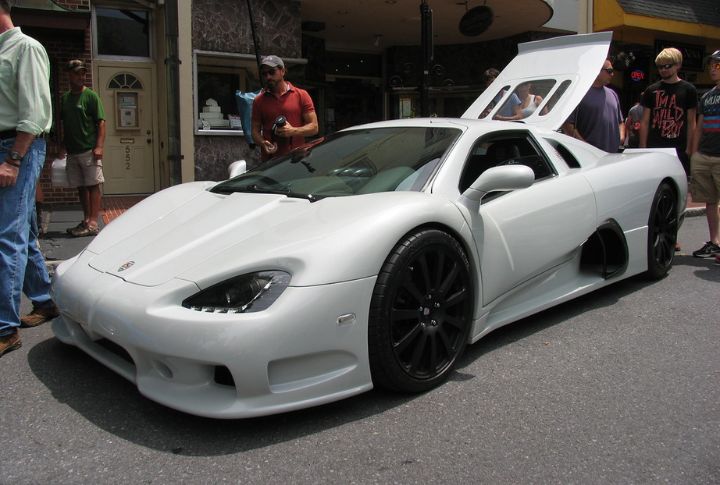
The SSC Ultimate Aero made headlines as one of the fastest production cars in the world. It was designed to be a driver’s car. It lacked some electronic aids like the traction control system and anti-lock braking system. The powerful engine enabled the Ultimate Aero to achieve a top speed of 256.18 mph, briefly holding the world’s fastest production car title. Thanks to the carbon fiber and aluminum and its aerodynamic efficiency, its lightweight design ensures blistering performance.
Consulier GTP
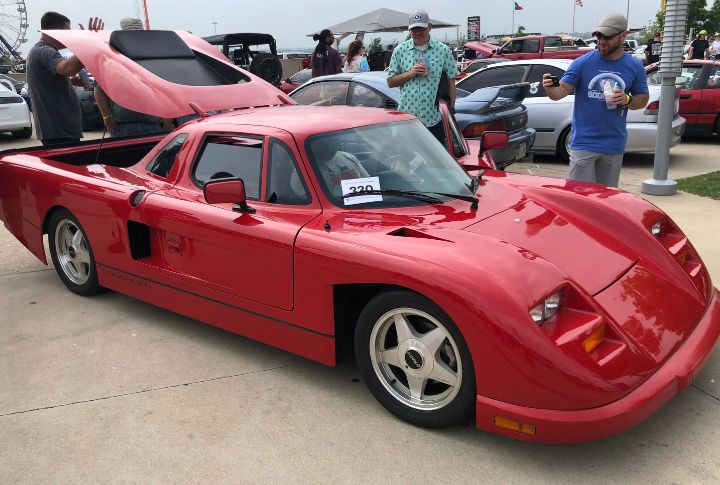
Developed by Warren Mosler in the 1980s, the Consulier GTP is a pioneering supercar known for its innovative use of composite materials. Powered by a 2.2-liter turbocharged Chrysler engine, the GTP initially produced 175 horsepower, with later models reaching up to 190 horsepower. Despite its modest power output, the GTP’s lightweight construction and excellent aerodynamics gave it impressive handling.
Falcon F7
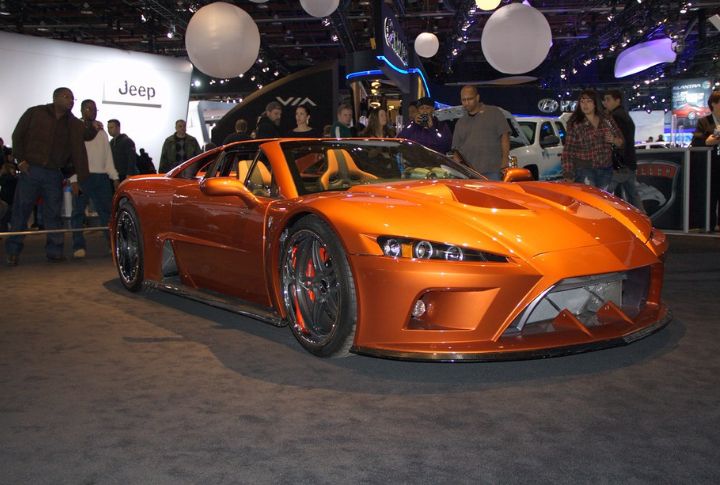
Only seven units of the F7 were produced, featuring a 7.0 L LS7 V8 engine sourced from the Chevrolet Corvette Z06. The engine could produce 629 hp, allowing the car to hit a maximum speed of 200 mph. Visually, the F7 had a low-set front apron and a partially removable roof.
Scuderia Cameron Glickenhaus SCG 004S
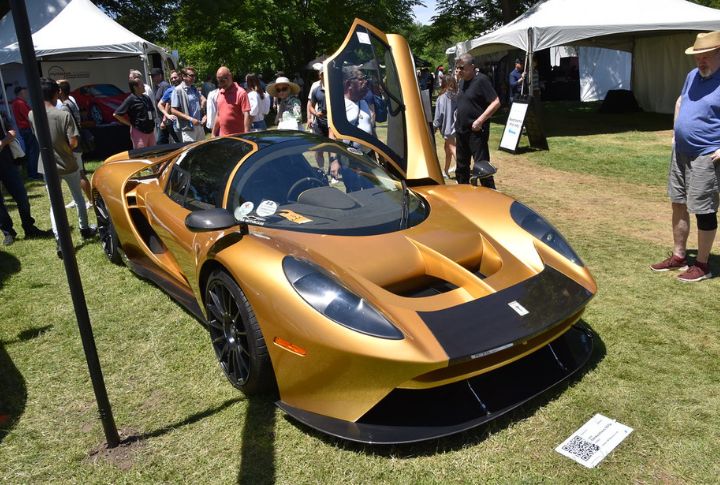
American boutique car maker Scuderia Cameron Glickenhaus LLC revealed the first SCG 004S in 2017, but production started in 2020. The car is powered by a 6.2-liter GM LT4 supercharged V8 engine that produces 650 hp. Its carbon fiber monocoque chassis and lightweight construction ensure exceptional agility and handling. The SCG 004S features a unique three-seat configuration reminiscent of the iconic McLaren F1, with the driver seated centrally.
Czinger 21C
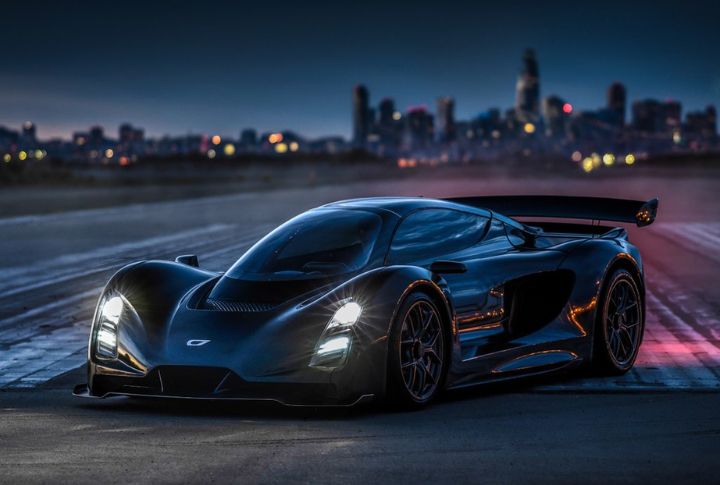
Designers designed this hypercar using 3D printing, showcasing the future of automotive engineering. The Czinger 21C features a 2.88 L flat-crank DOHC Twin turbo V8 engine that produces 950 hp. The manufacturers plan to produce only 80 units in a road and track variant. The Czinger 21C represents a bold leap forward in supercar technology, blending traditional performance with futuristic innovation.
Panoz Esperante GTR-1
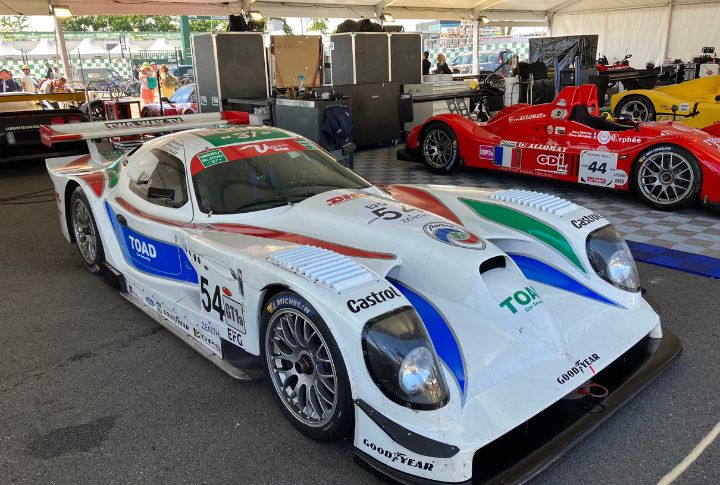
Panoz Auto Development designed the Esperante GTR-1 to compete in endurance racing, including the 24 Hours of Le Mans. It is powered by a 6.0-liter Ford V8 engine, producing up to 600 hp. The car’s unique front-engine, rear-wheel-drive layout set it apart from its mid-engine competitors, offering a different balance and driving dynamics.
Corvette C8 Z06
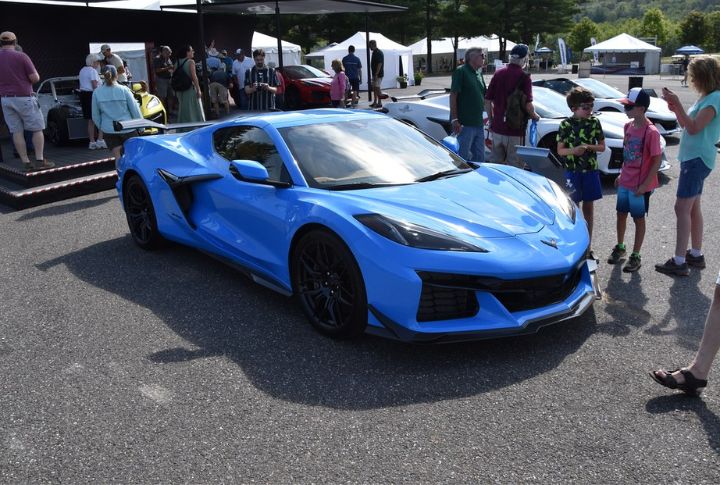
Representing the pinnacle of Chevrolet’s engineering prowess, the Corvette C8 Z06 blends track-focused performance with everyday usability. It’s the 8th generation performance version of the Corvette, and it features a 5.5-liter naturally aspirated V8 engine, known as the LT6, which produces 670 hp. This high-revving engine, combined with an eight-speed dual-clutch transmission, allows the Z06 to deliver exhilarating performance and precise handling.
Vector W8
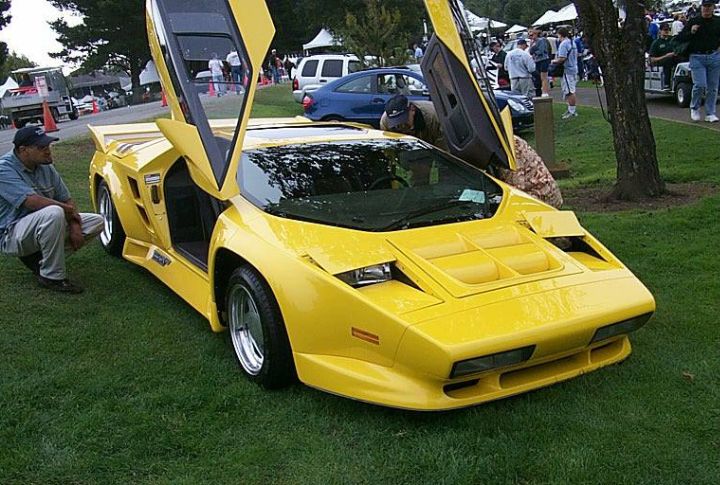
Gerald Wiegert designed this car for Vector Aeromotive Corporation, produced from 1989 to 1993. The W8 features a twin-turbocharged 6.0-liter V8 engine and a lightweight aluminum honeycomb monocoque chassis, achieving a top speed of over 200 mph. Its angular, aerospace-inspired design and advanced engineering made the Vector W8 a standout in the supercar world. Despite its limited production run, the W8’s unique power, design, and innovation combination impacted the American supercar world.
Rossion Q1
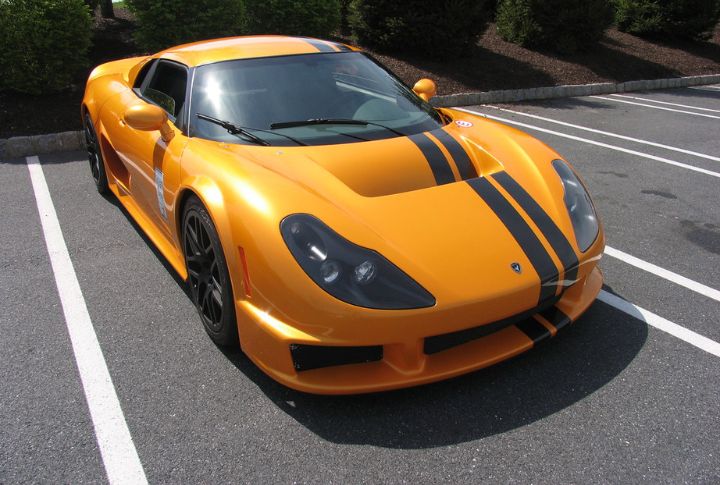
The Rossion Q1 is a high-performance sports car that combines British design heritage with American engineering excellence. Based on the Noble M400, it features a mid-mounted 3.0-liter twin-turbocharged V6 engine producing 508 hp and 521 lb-ft of torque and a carbon-kevlar body. This setup allows the Q1 to accelerate to 60 mph in 2.8 seconds.