10 Banned Car Features That Defined A Bygone Driving Era
Cars from past decades had features that today’s laws wouldn’t allow due to changing safety and environmental priorities. Some additions that seemed practical or stylish at the time were later banned for putting drivers or passengers at risk. Join us on a ride through these fascinating automotive relics and discover how regulations transformed the way we drive.
Automatic Seat Belts
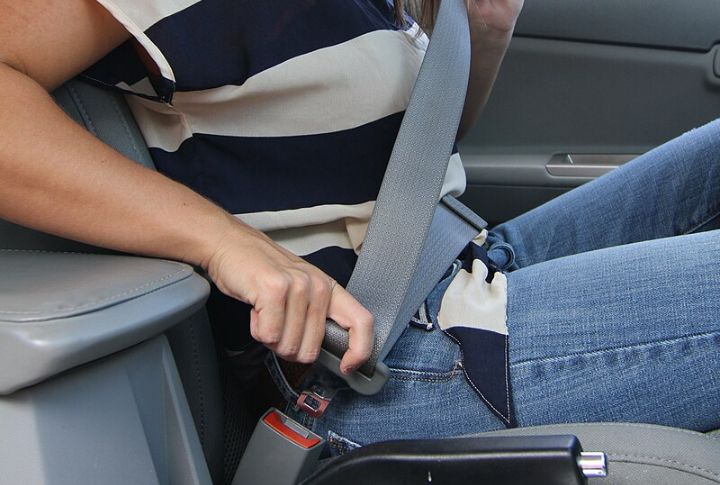
Once seen as a compliance shortcut, motorized automatic seat belts moved along door frames to secure passengers. Frequent malfunctions and user frustration led regulators to favor airbags, prompting manufacturers to phase them out by 1998. Airbags weren’t mandated until 1995, but they quickly replaced automatic belts.
Rumble Seats
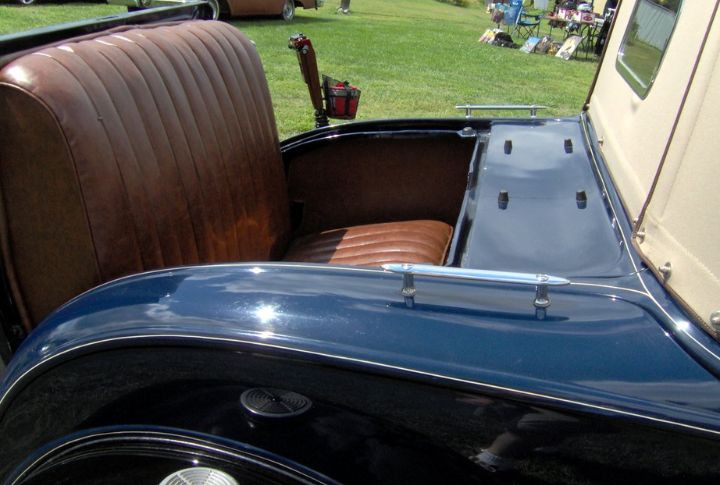
Passengers in rumble seats rode outside the car—no belts, no cover, just wind. They disappeared entirely as enclosed cabins and crash safety standards became mandatory. As vehicle safety laws advanced, these external seats became non-compliant.
Quad Headlights
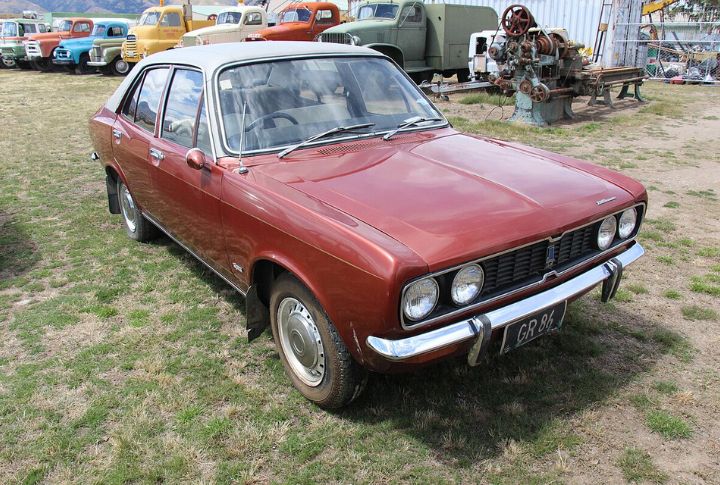
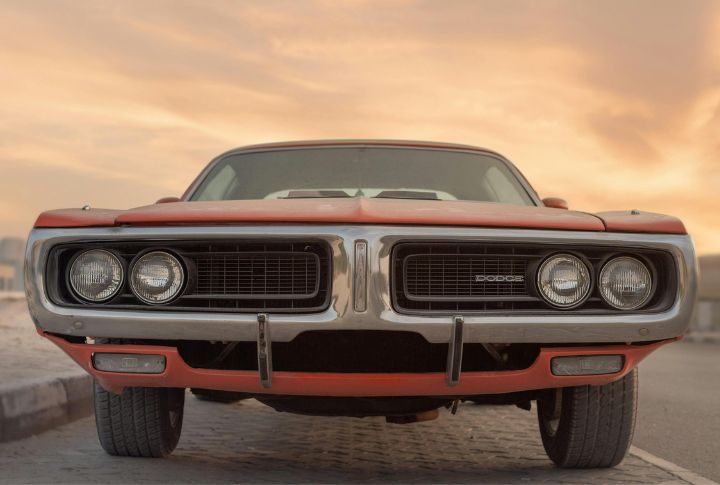
From 1957 to 1983, U.S. law required cars to have sealed-beam headlights—either two round ones or four in a fixed configuration. This blocked many European and custom lighting designs. The restriction was lifted in 1983, finally allowing modern composite headlamps and sleeker styling.
Missing Passenger-Side Mirror

For years, buyers could opt to delete the passenger-side mirror for a cleaner look or slight savings. That changed with modern safety laws requiring dual-side mirrors to reduce blind spots. Today, every production vehicle sold in the U.S. must have both side mirrors or an approved alternative system.
In-Dash Televisions
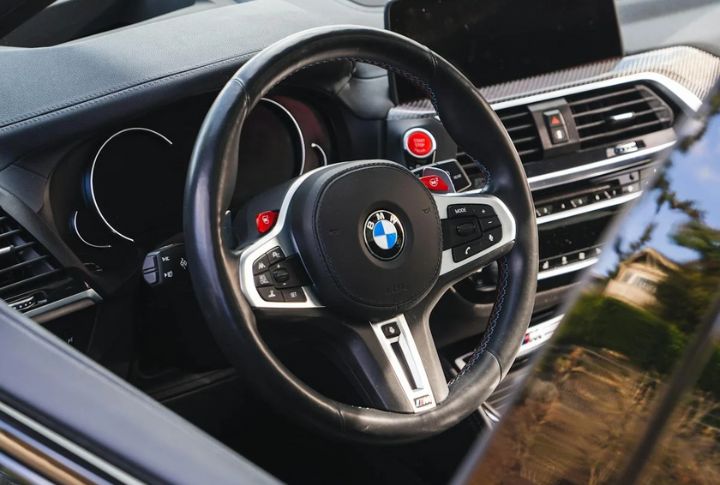
In-dash TVs that played while driving were prohibited due to their ability to distract drivers. U.S. laws now further restrict any video display within the driver’s line of sight unless the vehicle is in park. Today’s infotainment systems also include safeguards to meet federal safety guidelines.
Pre-1974 Non-Standard Bumpers
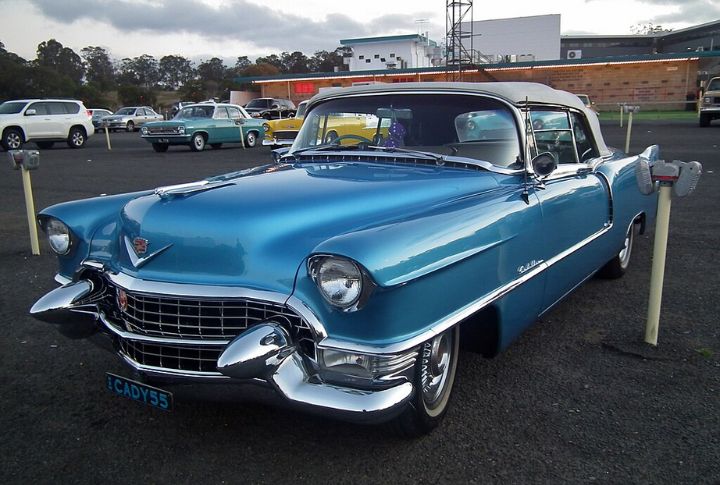
Before 1974, automakers weren’t required to meet any impact standards for bumpers. As a result, styling took precedence over safety. That changed when federal regulations demanded all passenger cars absorb a 5-mph front and rear collision without damage, effectively outlawing many old bumper designs.
Metal Dashboards
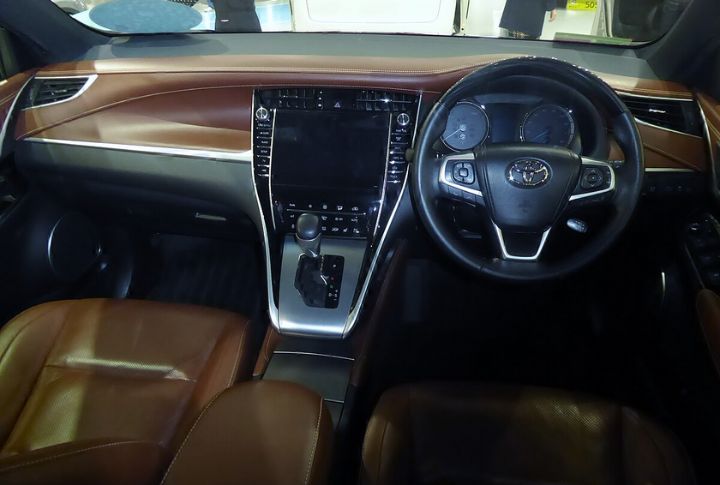
Older cars often featured hard metal dashboards, increasing injury risk during collisions. As crash testing became standardized, regulations pushed for energy-absorbing surfaces. Manufacturers transitioned to padded vinyl and foam in the 1970s, improving interior safety for both drivers and passengers during frontal impacts.
No Brake Light Requirement (Pre-1950s)
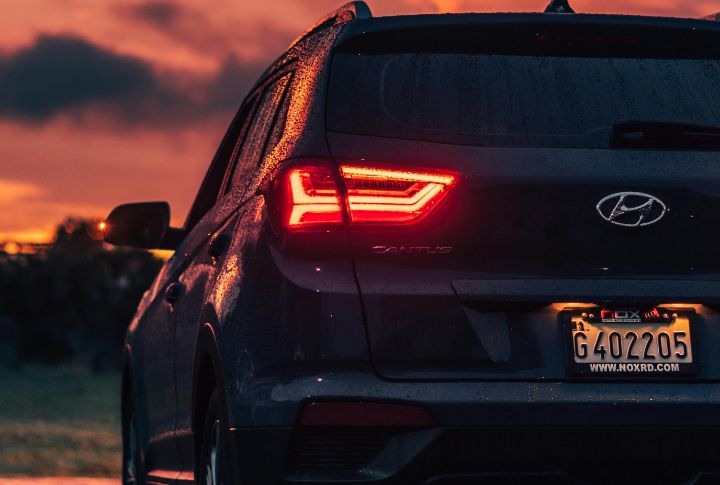
Brake lights weren’t federally required in the U.S. until 1954. Earlier vehicles often had none at all or relied on dim, manually activated tail lamps. Modern laws now require high-mounted center brake lights and strict brightness standards to prevent rear-end collisions, making the old system illegal.
Leaded Gasoline

Leaded gasoline was once common to boost engine performance, but its emissions caused serious health and environmental damage. The EPA began phasing it out in the 1970s, banning it in on-road vehicles by 1996. Tetraethyl lead is now prohibited in nearly all automotive fuels.
Asbestos Components

Used in brake pads and clutches for heat resistance, asbestos poses long-term health dangers, including lung disease. The U.S. gradually restricted its use, especially in automotive applications. Today, strict regulations ban asbestos in new parts, requiring safer alternatives in manufacturing and restoration work.