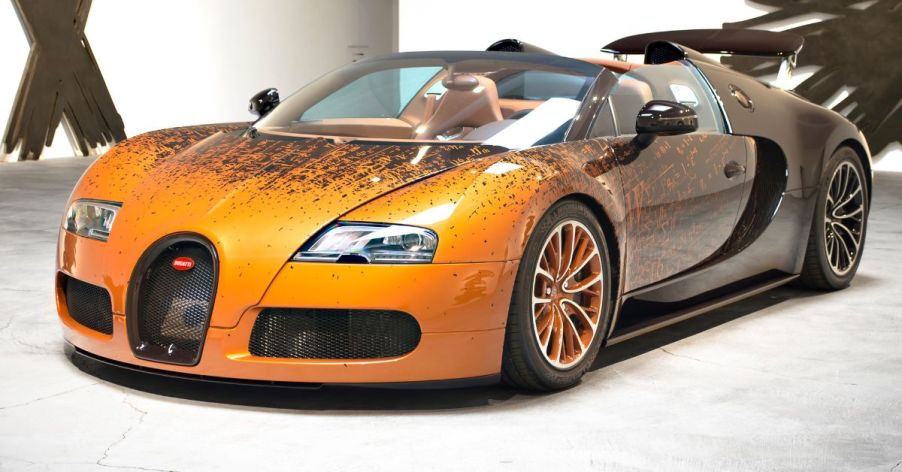
10 Automotive Beasts Fueled By 16 Cylinders
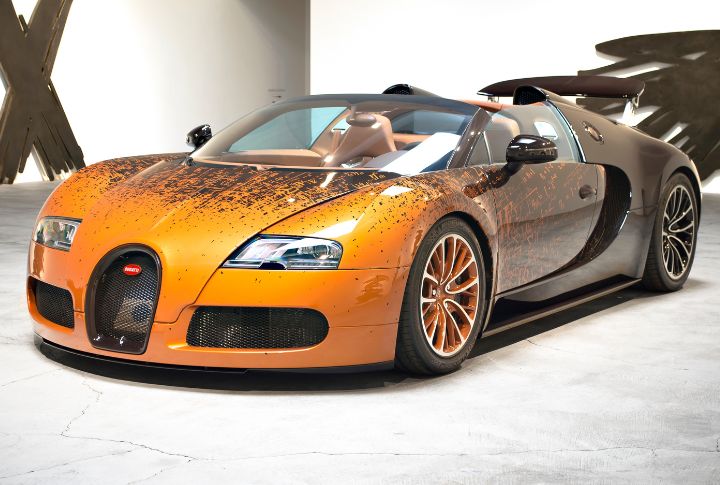
Sixteen-cylinder engines push automotive engineering to its limits, delivering raw power with precision. Few vehicles carry this level of performance, yet those that do command attention. Every cylinder fires with the purpose of efficiency and durability. Each machine is inventive and proves that extreme power is more than speed; it pushes the boundaries of what’s possible.
Cadillac V-16 (1930–1940)
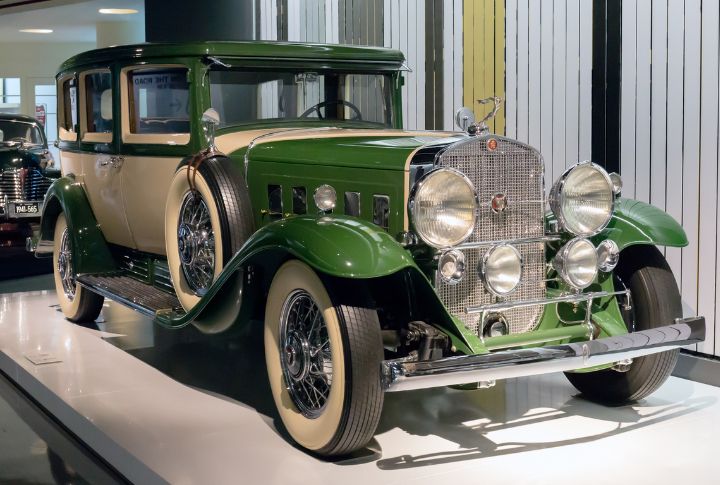
Introduced in 1930, Cadillac’s luxury sedan defied the economic downturn by debuting the first production V16. It delivered 452 cubic inches and 165 horsepower—later bumped to 185—serving not just as a symbol of wealth but as a daring statement in a time of economic turmoil.
Auto Union Type C (1936–1937)
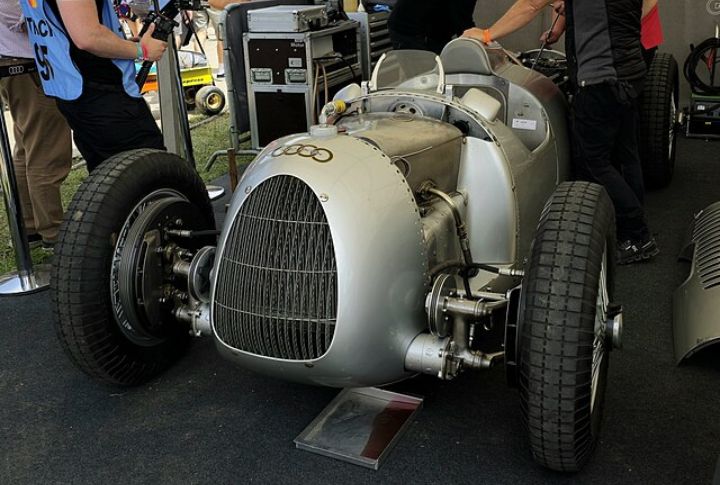
Ever seen a car look like a torpedo and drive like a warhead? Meet the Auto Union Type C, Germany’s 1936 Grand Prix masterpiece. Designed by Ferdinand Porsche, this mid-engine machine pushed the limits of speed and engineering. More than a competitor, its legacy improved racing.
Marmon Sixteen (1931–1933)
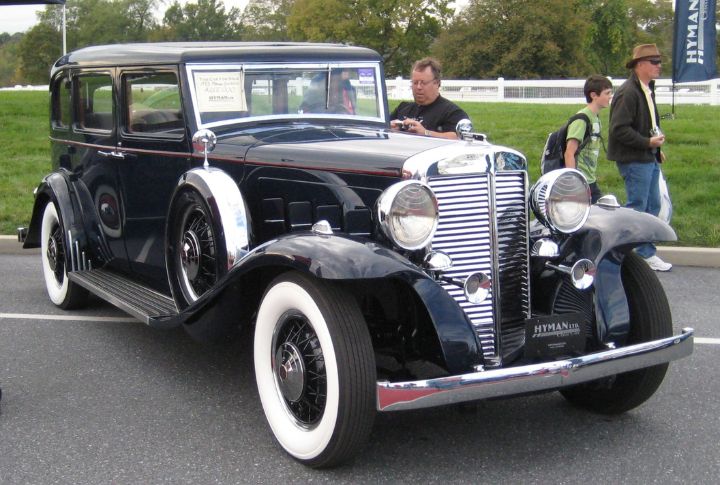
The Marmon Sixteen wasn’t built to show off but to dominate. Delivering 200 horsepower, the all-aluminum V16 sat beneath a streamlined hood and rivaled Cadillac in both elegance and performance. Weighing significantly less than competitors, the design proved that lighter could still mean louder.
Bugatti Type 45 (1929)

Innovation came disguised as madness. Bugatti’s Type 45 paired two inline-eights, chasing racing greatness in 1929. Though never victorious, it hinted at secrets of what could’ve been. Think of it as a blueprint left behind by a restless genius holding a wrench.
Cizeta-Moroder V16T (1991–1995)
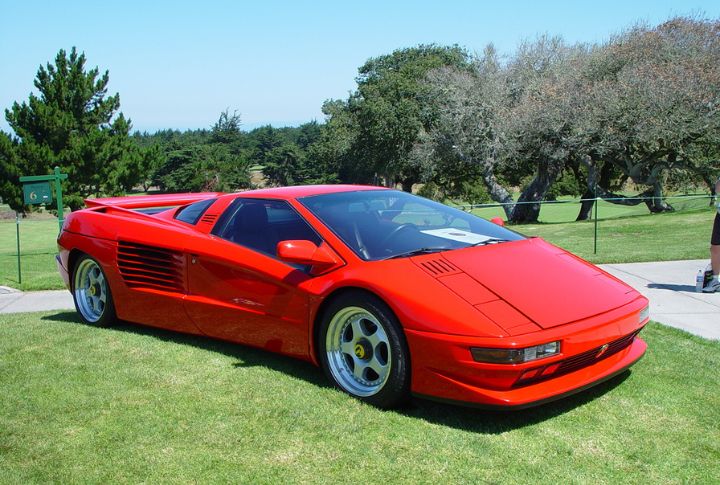
Loud. Impossible. The model embodied 1980s excess in a 1990s shell. Created by ex-Lamborghini engineer Claudio Zampolli and disco legend Giorgio Moroder, this machine housed a transversely mounted engine—yes, sideways. Rare and unconventional, this automotive rarity stands among the era’s most audacious supercars.
Cadillac Sixteen Concept (2003)
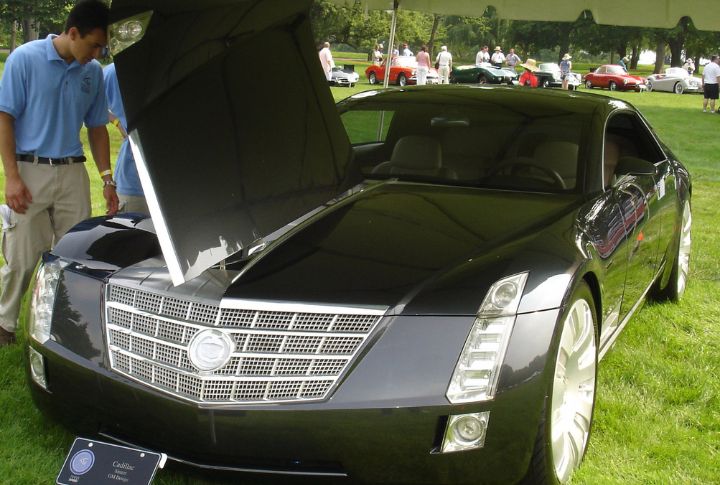
Imagine a land yacht with the soul of a predator. In 2003, Cadillac introduced a V16 concept built to reclaim its former glory. Designed for both luxury and performance, the car exuded confidence. Jay Leno once praised Cadillac’s legacy as the pinnacle of American automotive excellence.
Bugatti Veyron (2005–2015)
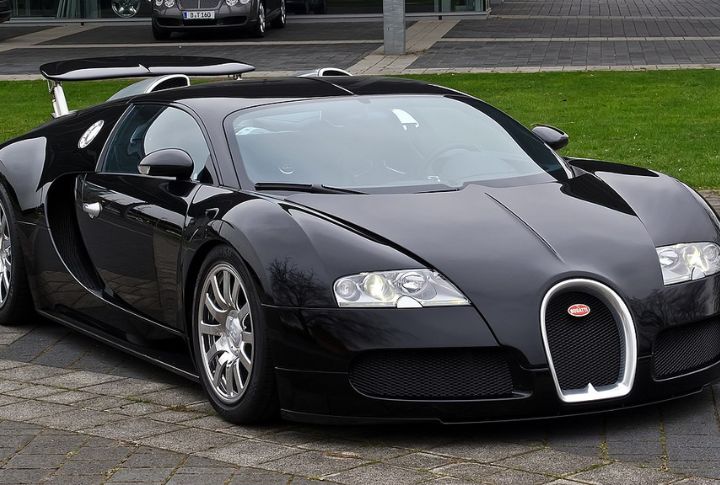
Bugatti designed the Veyron to push thermodynamics to its absolute limits. Its 16-cylinder, quad-turbocharged 8.0-liter setup needed ten radiators to prevent overheating. Every detail, from aerodynamics to tire durability, was meticulously crafted for one goal: reaching a staggering 253 mph without compromise.
Rolls-Royce 100EX Concept (2004)
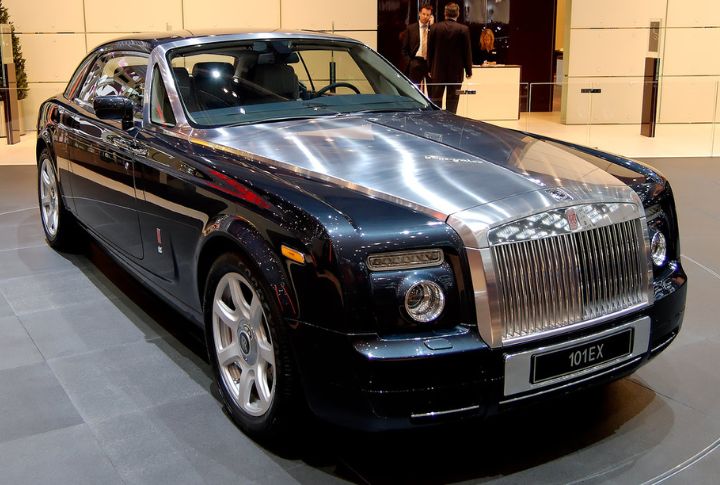
Built to celebrate Rolls-Royce’s centenary, the 100EX flaunted a V16 crafted purely for show. No production model carried it forward, but its influence shaped future Phantoms. The sheer presence demanded attention as hand-rolled aluminum, rear-hinged doors, and yacht-inspired teak trim turned heads.
BMW 7 Series Goldfisch Prototype (1987)
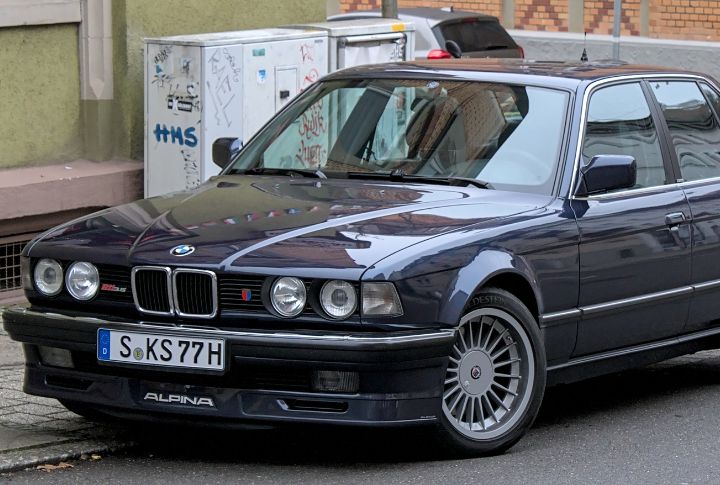
Rarely does a luxury sedan get built around an engine this massive, but BMW gave it a shot in ‘87. Nicknamed “Goldfisch” for its golden finish, the prototype featured rear-mounted radiators due to space constraints. It never housed a true production V16—just an engineering study that didn’t hit the road.
Bugatti Chiron (2016–Present)
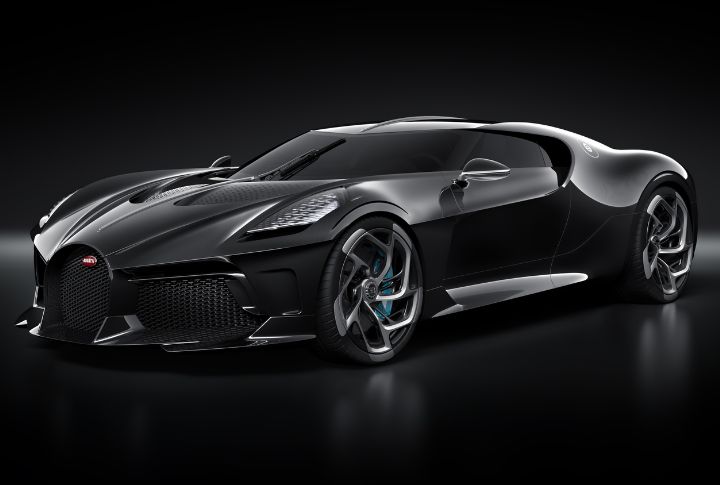
What happens when engineers push limits instead of keeping within them? The Chiron arrived as a W16 powerhouse delivering 1,479 horsepower. Reaching 60 mph in under 2.5 seconds, it combined precision techniques using high-performance materials like carbon fiber and titanium, redefining modern hypercars.