Analyst Says They Saw $50,000 New Car Prices Coming, But We’re Totally ‘Ripe for Disruption’
We didn’t all wake up one morning this year and collectively decide 50 grand felt “right” for a non-luxury new car. The market drifted here inch by inch, pushed along by what people actually buy, what automakers feel pressured to build, and what Washington does or doesn’t regulate. And it’s time for a disruption, one industry analyst insists.
But what will that look like? You can see the whole story when you put a few recent threads together.
This year, the average new car in the U.S. crossed the $50,000 line for the first time in history
Kelley Blue Book tracked the jump and noted the steady climb had been underway for more than a year.
Some argued that safety tech is the true villain, but the Editorial Board at Automotive News says that’s simply not the case.
In fact, they explained, crash-prevention systems add complexity, sure, but they also reduce real-world crash costs.
The bigger issue sits in our driveways, Repairer Driven News reports.
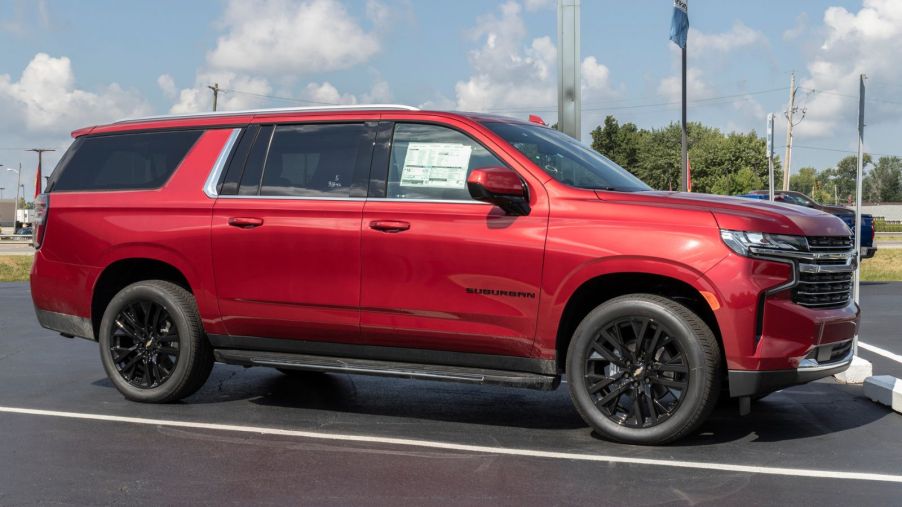
Americans abandoned compact sedans long ago in favor of larger pickups, SUVs, and crossovers. Bigger metal costs more to build, and stings insurers more and more to repair.
Shoppers keep buying them anyway.
At the same time, automakers and dealers have enjoyed record profits since 2019
That matters because consumers effectively voted with their wallets. When you order the loaded version of a car, the industry takes the hint.
It becomes harder for manufacturers to justify building affordable trims when the expensive ones print money.
Cox Automotive analyst Erin Keating offered the blunt version of how we got here
She explained that wealthier households have been driving the new-car market and stuffing it with pricier configurations, especially in pickups like the best-selling Ford F-Series, which often tops $65,000 dollars.
She added that tariffs and a strong mix of EVs nudged transaction prices even higher. Keating said the industry had been expecting to break the $50,000 barrier and called today’s environment “ripe for disruption.”
And, I’ll add, as long as enough customers have the income and credit to sustainably finance luxury models, fine. It’s just that these days, that’s not the case.
This year, finance experts have sounded the alarm at the sheer number (an all-time record) of subprime Americans signing up for years-long, $1,000-plus monthly car payments. Again, that’s all good if they can afford it. But they can’t.
Subprime default rates have crossed previous records…they sit at over 6.5%.
That’s why the recent shift at Ford is worth watching
As folks perceptively back away from that $50k retail price, this month, a Ford rep said weaker demand across the broader November market didn’t hit them as hard. Why? Because they leaned into lower-cost models.
Sales of entry-level trims soared. The base Ford Maverick XL jumped more than 70%. The starter Ford Ranger XL climbed almost 50%. Even the Explorer’s budget-focused trims delivered huge gains.
Ford’s U.S. sales and dealer relations director Rob Kaffl said people are still buying cars. They’re just choosing the cheaper versions.
There’s tension brewing on the policy side too
During a recent trip to Japan, Donald Trump told reporters he wanted tiny kei-style cars built in America.
They’re charming in Tokyo traffic. Drop one into Atlanta or Phoenix at freeway speeds and the charm evaporates fast.
The federal safety and fuel economy standards they struggle to meet exist for a reason. As our reporting laid out, shrinking cars to that scale doesn’t solve affordability if the result can’t survive daily American use.
So the path forward sits between supersized trucks and miniature runabouts
Ford’s November data hints that buyers will return to simpler, cheaper models when they’re offered. Analysts saw the $50k line coming. The real story is what happens now, as consumers search for something that feels closer to “reasonable” without sacrificing function or safety, and the industry decides whether it’s finally time to build it.