‘Not optional’ Robots are coming to the car world faster than you think
By 2035, robots won’t just be hard-wired computer parts under the hood. They’ll be looking curiously at the vehicle, working beside the technician, and even running parts between service bays.
That’s the vision presented in Hexagon’s Future of Robotics 2035 report. It’s a deep dive into where robotics and artificial intelligence are heading, and what it means for industries that rely on skilled labor, intricate systems, and tight timelines. Like the automotive sector.
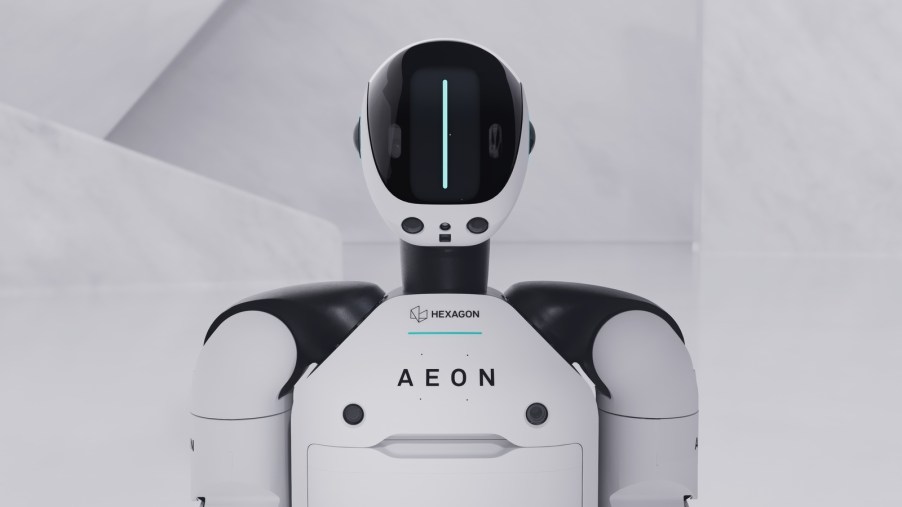
First, let me clarify that Hexagon makes high-end tools that help industries like automotive, aerospace, manufacturing, and construction improve precision, efficiency, and automation. And it just launched AEON, its first humanoid robot, in June. In other words, then, it’s more than slightly biased toward robot adoption, here.
Meet your co-worker, Robot
The report sees humanoid and modular robots becoming a standard presence in industrial spaces.
In the automotive world, that means robots won’t just assemble cars. They’ll monitor logistics, inspect paint quality, manage parts inventories, and perform repetitive shop-floor tasks.
These machines won’t replace every worker, but they will take over the dull, dirty, and dangerous jobs. In return, humans will need to reroute toward diagnostic, oversight, and creative problem-solving roles.
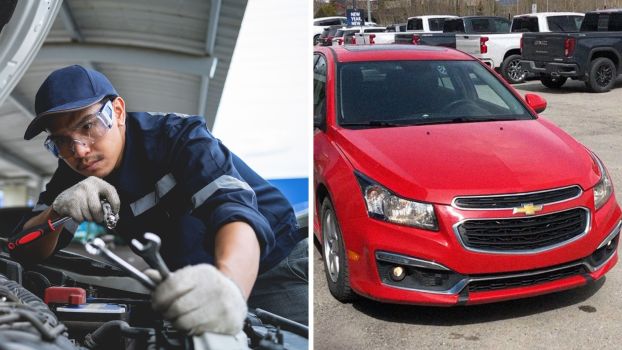
Technicians and assembly workers may soon collaborate with robots the way chefs work with sous chefs…only these assistants never take smoke breaks or drop tools into the engine bay.
The shop of the future
For American consumers, this robotic shift could mean faster service and fewer delays due to labor shortages.
Imagine scheduling an oil change, dropping your car off, and getting it back serviced, washed, and safety-checked…mostly by machines trained through simulation and real-world learning.
According to the report, some of these systems will learn from gestures or verbal prompts. It’s not sci-fi. It’s robotics-as-a-service.
Mechanics won’t vanish
Instead, shops may start hiring tech-savvy apprentices who can code as well as they can crank.
The report outlines a “happy” future where hands-on technician pathways are more common than traditional degrees, offering young workers stable, meaningful jobs without crushing debt.
But not without friction
Integrating robotics into existing auto facilities won’t be plug-and-play.
Many shops operate with legacy systems and tight margins. Upfront costs, cybersecurity concerns, and regulatory hurdles remain high.
Hexagon’s experts say the smart approach is a phased rollout: pilot programs, retraining efforts, and co-designing new workflows with human users in mind.
And there’s the psychological factor. Workers need to feel safe and respected, not monitored by a camera-wearing robot that’s “just here to help.” If the rollout feels like surveillance, the backlash could stall adoption.
For the driver, not just the factory
While the report focuses heavily on industrial deployment, the ripple effects will hit consumers too.
Repair costs might drop. Vehicle production could become more localized and customizable. And in places with shrinking workforces, like parts of the Midwest or upstate New York, robotic labor could keep factories open and communities employed.
I’ll say that regardless of Hexagon’s bias, the big takeaway is clear: robots are not coming for the auto industry. They’re arriving with it. And if the future looks a little unfamiliar, robotics industry experts like Hexacon are trying to soften the transition. So did the founder of the first assembly line, arguably.
There’s likely no stopping it; folks entering or already tenured in areas influenced by AI and robotics better pivot to understand and master the tech over just ignoring it. Move, or be moved…