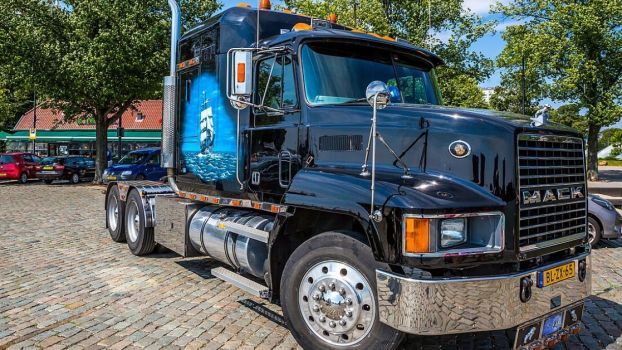
10 Arguments In Favor Of Gas Cars
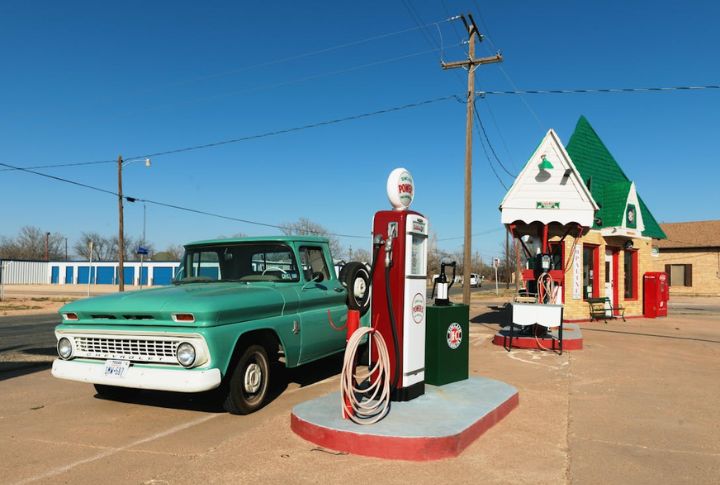
For more than a century, gas-powered cars have dominated the roads, evolving through innovation while holding onto key advantages. As electric vehicles gain momentum with impressive strides, many drivers still swear by traditional engines for practical reasons that go beyond nostalgia. Gas cars are relevant, even in today’s shifting automotive world, and these 10 points make their case.
Established Infrastructure

When Henry Ford revolutionized auto manufacturing with the Model T in 1908, gas stations quickly became an essential part of American life. Today, there are over 100,000 fueling stations across the U.S. Though increasing, EV charging stations are still scarce, and that raises concerns about long-distance travel logistics.
Faster Refueling
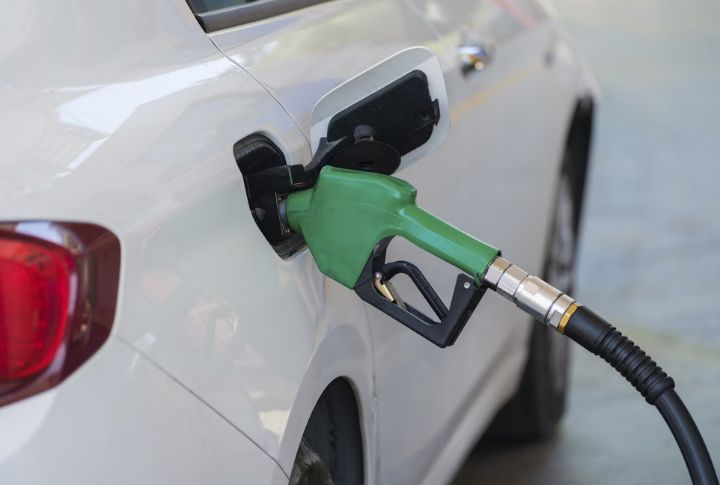
Efficiency matters and nothing beats the speed of a gas pump. In just a few minutes, drivers can refuel and get back on the road. In contrast, most EVs require at least 30 minutes at fast-charging stations and even longer with standard home chargers.
Lower Upfront Cost

Gas-powered cars generally have lower purchase prices, which makes them more accessible to consumers. While government incentives ease the cost of EVs, federal subsidies can fluctuate and impact affordability. According to data from Kelley Blue Book, new EVs cost more compared to gas models, even after tax credits.
Easier Repairs And Maintenance

Electric car repairs often require specialized training and replacement battery packs can be exceptionally expensive. However, decades of engineering experience make gas-powered cars relatively easy to maintain. The widespread availability of skilled mechanics, affordable replacement parts, and straightforward servicing keep costs manageable.
Longer Driving Range

For road trip enthusiasts, range anxiety remains a genuine concern. Traditional gas-powered cars often exceed 400 to 500 miles per tank, offering seamless travel without frequent stops. EVs, on the other hand, require more strategic planning—charging stations must be mapped out in advance.
No Battery Degradation Concerns
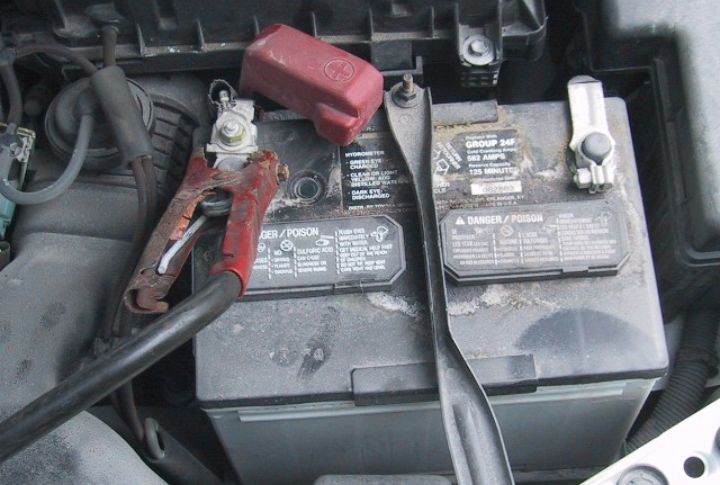
EV batteries degrade over time, impacting performance and range. Even with all the improvements made to contemporary lithium-ion batteries, their capacity decreases with repeated charging. Gas-powered engines, on the other hand, when properly maintained, can last decades, keeping resale values higher and maintenance predictable.
Towing And Performance

Trucks and SUVs are built to handle heavy loads, and gas-powered models continue to outmatch EVs when it comes to towing capacity. For superior acceleration and driving dynamics, even high-performance sports cars rely on gasoline engines. Engineers are creating EVs with stronger motors, but weight and battery limits affect their towing performance.
Extreme Weather Reliability

Extreme weather conditions pose unique challenges for different types of vehicles, especially in terms of performance. Gas cars perform reliably regardless of temperature extremes. In cold weather, EV batteries lose efficiency, causing slower charging and decreased range. Similarly, extreme heat affects lithium-ion cells and reduces their lifespan.
Broader Vehicle Selection

The gas-powered market offers an immense range of models—compact cars, off-road SUVs, high-performance sports cars, and long-haul trucks. While EV options are expanding, gas vehicles still provide the widest variety of styles, sizes, and custom tuning possibilities. Car enthusiasts still favor internal combustion engines for unique driving experiences.
Energy Grid Dependence
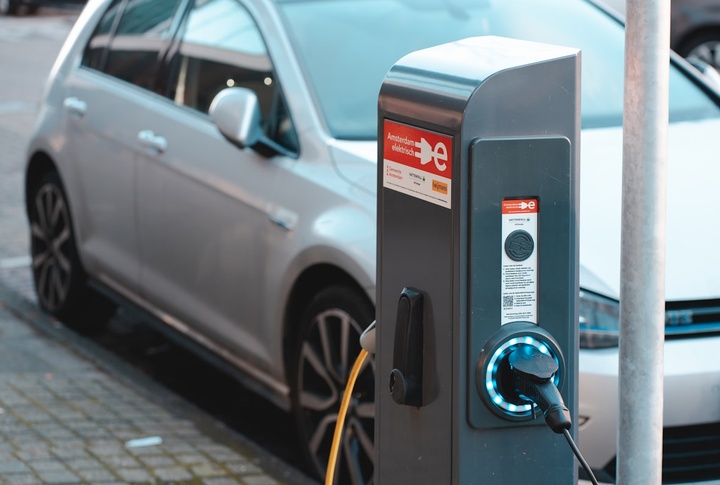
EVs rely on electrical grids, which may experience strain or outages during peak demand. Gasoline, though it fluctuates in price, remains a reliable energy source that drivers can access without power availability concerns. Energy analysts highlight that diversifying fuel options is important for stable transportation access in unpredictable times.