15 Antique Tractors Every Collector Dreams of Owning
Antique tractors transport us back in time, serving as reminders of the early days of farming. These machines revolutionized agriculture with their innovative elements and have become cherished symbols of farming heritage. Here are 15 antique tractors that collectors are eager to find because they represent a unique chapter in the evolution of agriculture.
Oliver 70
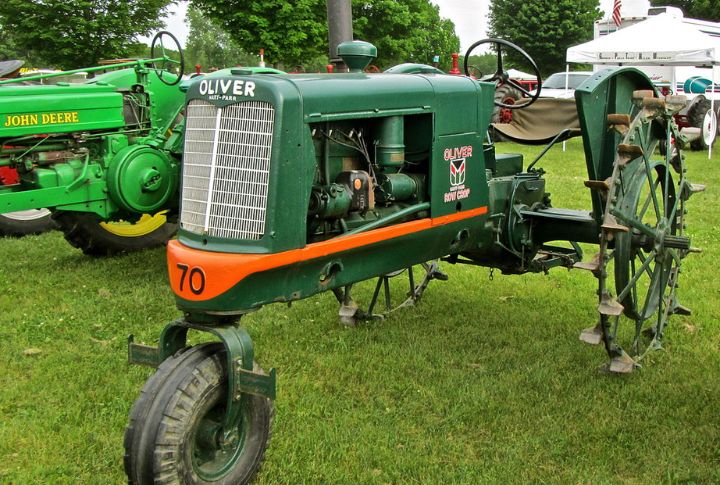
The Oliver 70, introduced in 1935, was a marvel of its time. This art-deco-styled tractor showed off a reliable six-cylinder engine and proved remarkably versatile despite its hefty 4,000-pound weight. Farmers appreciated its ability to handle various tasks, including running well pumps with its flywheel.
International Harvester 8-16
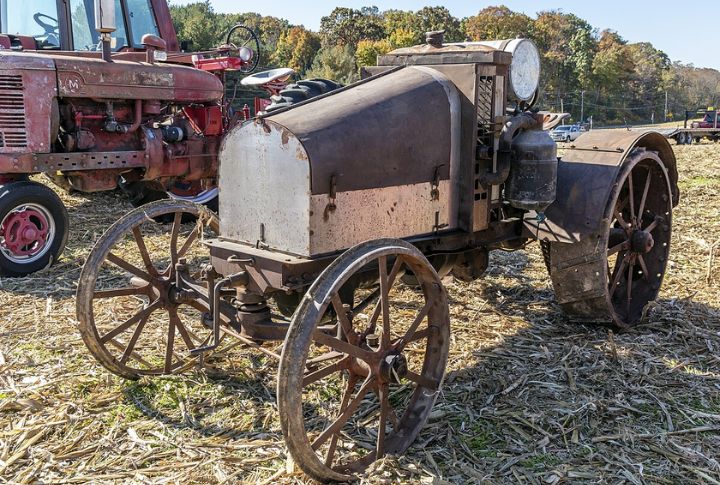
In the challenging years following World War I, the International Harvester 8-16 emerged as an agricultural hero. With its groundbreaking commercial power takeoff system, this tractor not only plowed fields but also powered corn shellers. Farmers and collectors value its significant contribution to small-scale farming during a critical period.
Ferguson TO-20
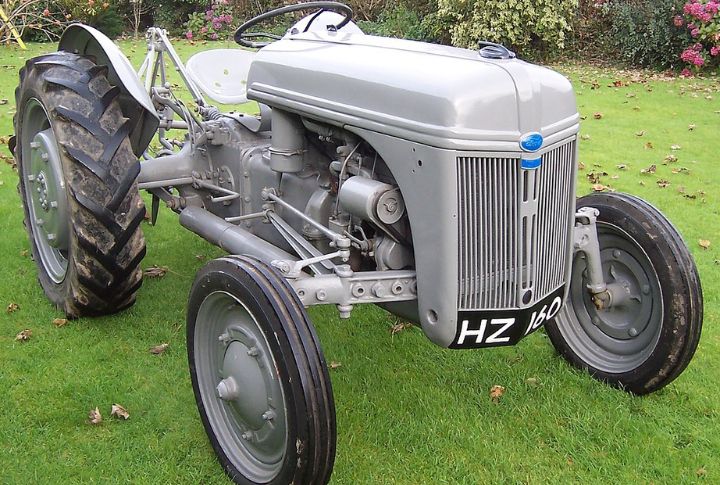
Harry Ferguson’s TO-20 was a game-changer for small farms. Prioritizing efficiency and ease of use, this compact tractor featured Ferguson’s innovative three-point hitch system. Weighing under 3,000 lbs, it could tackle various tasks without taking up precious barn space, making it a true workhorse for smaller operations.
Fordson Major
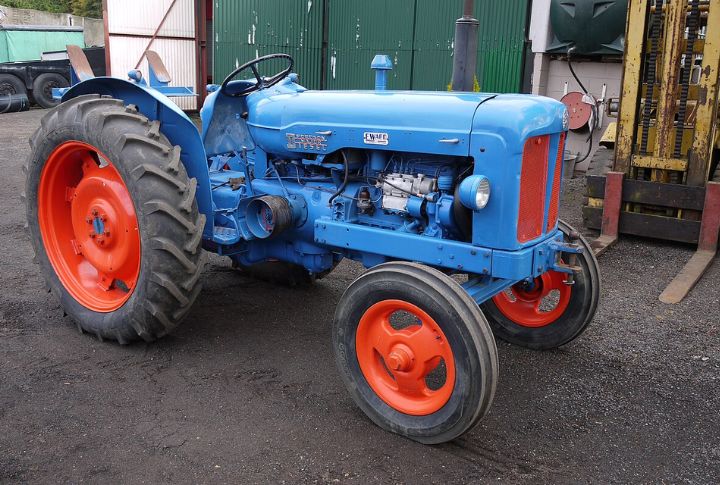
Affectionately dubbed “High Henry,” this tractor marked a fascinating upgrade from its predecessor. Launched in 1951, it offered both gasoline and diesel variants with a sturdy 4-cylinder engine. Farmers loved its strong, rugged design, appreciating the notable improvements in power and functionality.
Oliver 880
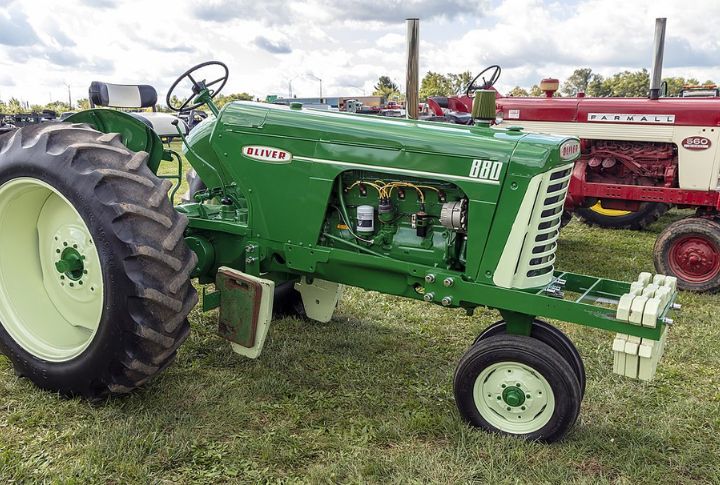
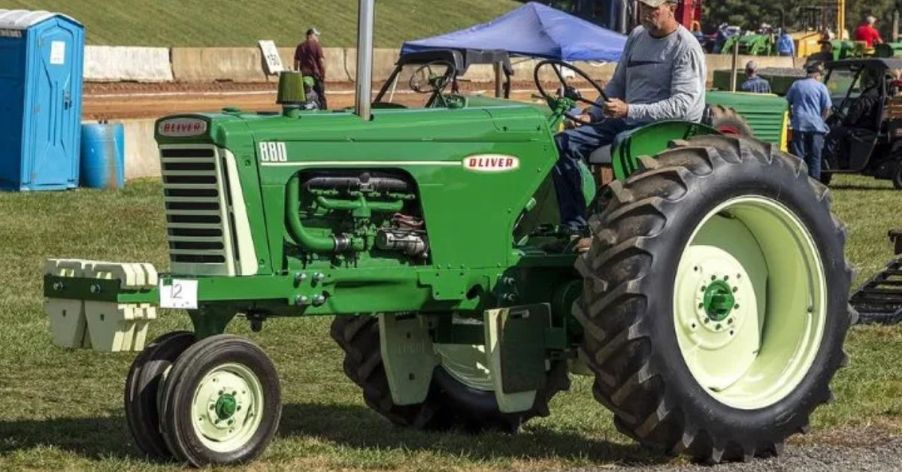
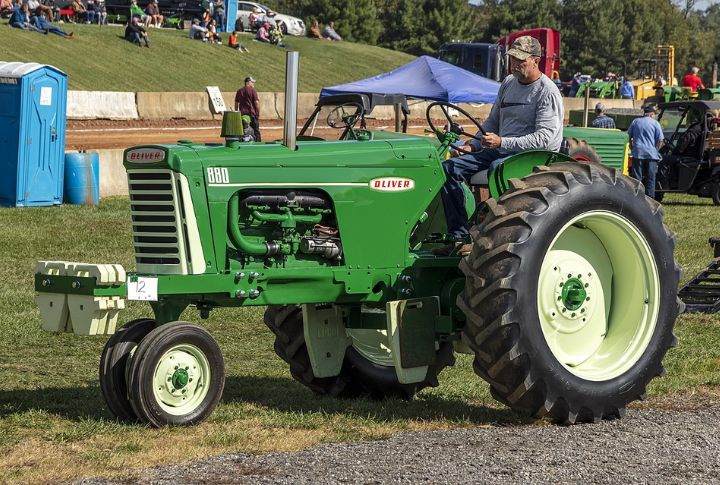
In 1958, the Oliver 880 hit the market as a premium option for serious farmers. Despite its steep $5,000 price tag, it gained popularity for its straightforward design. While the Wheatland and Row-Crop models are sought after, collectors particularly prize the rare mist green version due to its limited production run.
Massey Ferguson 35
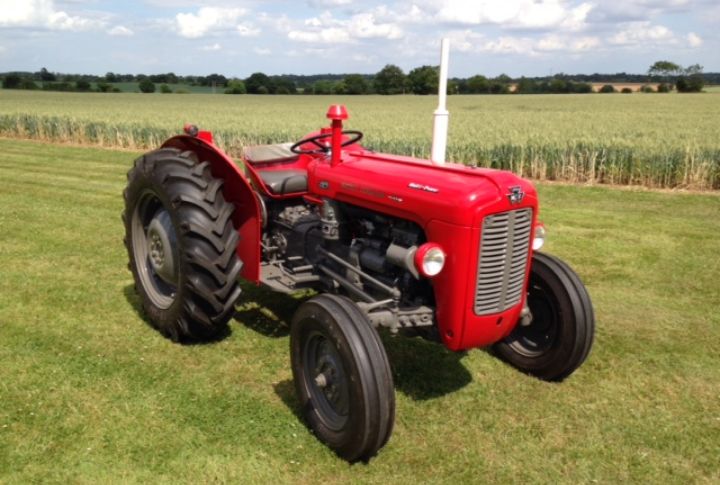
The Massey Ferguson 35 launched in 1956 following a significant merger with great features. Its dual-clutch system offered unprecedented operational flexibility, allowing farmers to disengage the rear wheels while keeping the power takeoff engaged. This 37 HP workhorse excelled with various implements, from rotary cutters to post-hole diggers.
Allis-Chalmers Model B
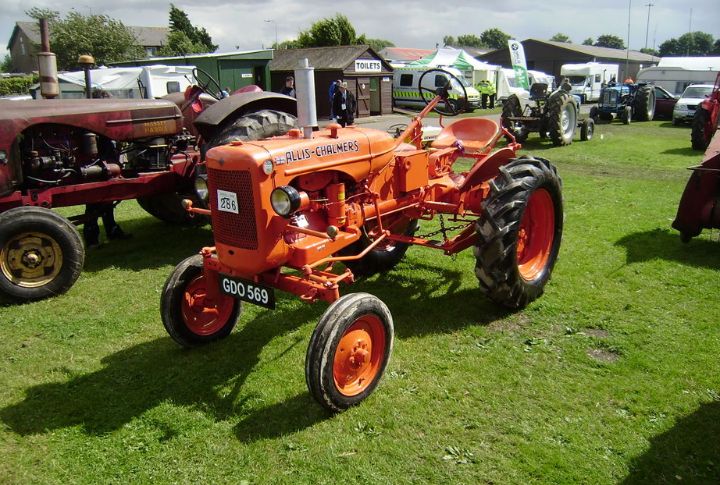
It was determined that the Allis-Chalmers Model B benefited both sides of the Atlantic. Its compact size made it perfect for smaller farms, able to take over spaces larger tractors couldn’t. With adjustable wheel tracks and an optional hydraulic lift added in 1951, it offered the utility that small-scale farmers craved.
Case Model D
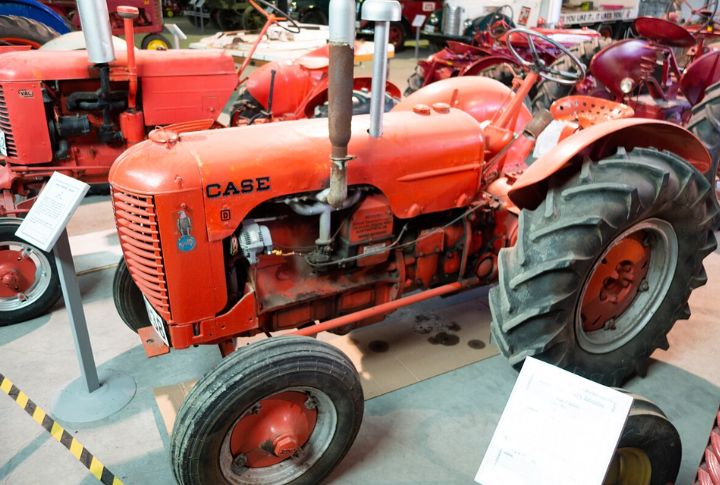
Farmers were given an affordable and practical choice with Case Model D. Its JI Case 4-cylinder gasoline engine delivered reliable performance, while the creative Case Eagle Hitch simplified implement attachment. Though parts are now scarce, a well-maintained Model D can still hold its own on modern farms.
Minneapolis-Moline G1000
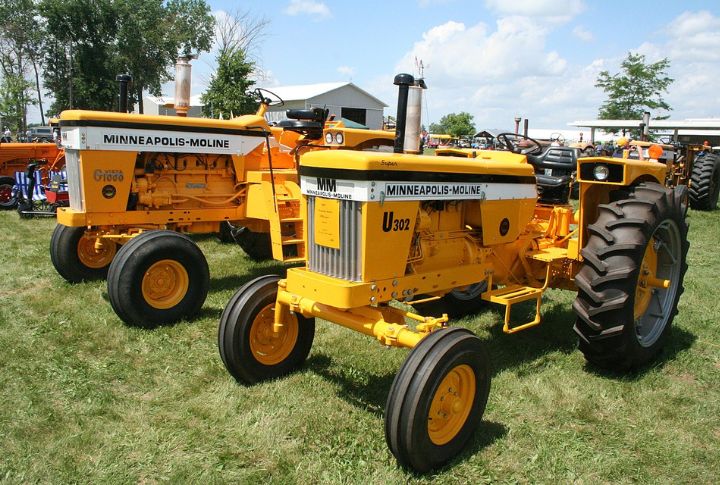
The Minneapolis-Moline G1000 broke new ground as the company’s first 100-horsepower-plus tractor. It was ahead of its time with its top speed of 40 mph and a factory-installed cab for comfort. Only 15,000 were produced, making it a prized find for today’s collectors.
Massey-Harris 44
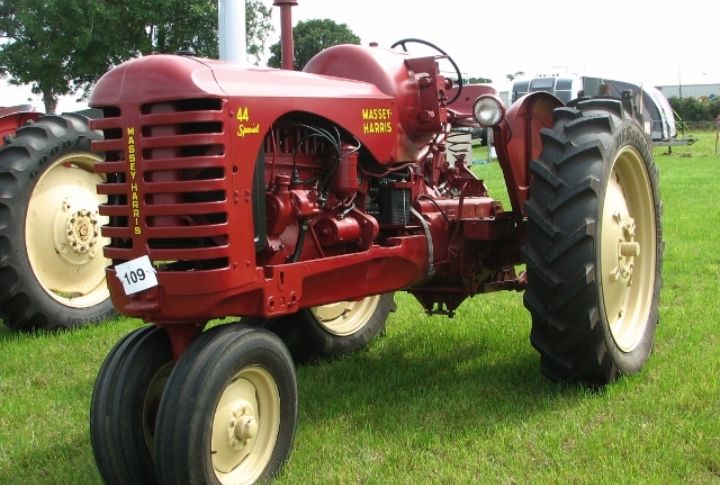
Offered in various engine configurations and front-end designs, this tractor proved highly adaptable. The Massey-Harris 44 made its mark with the ingenious Massey Hitch-All feature, simplifying implementation changes. Having around 84,000 units produced, it became a common sight on farms, appreciated for its reliability.
Allis-Chalmers WD45
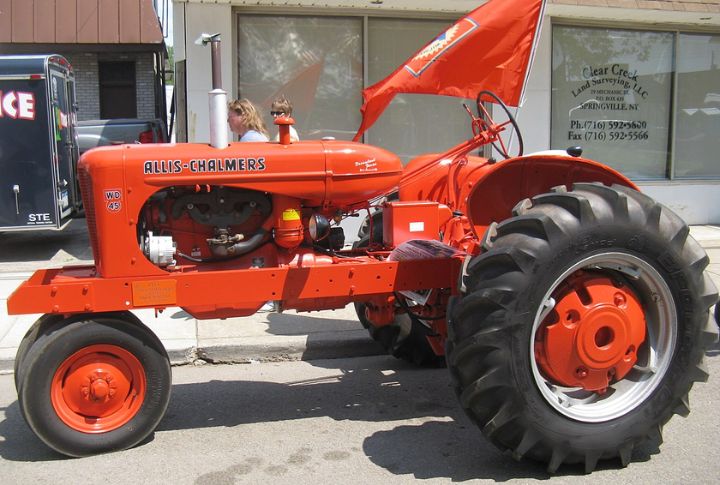
Allis-Chalmers introduced the WD45 in 1953 as a powerful successor to the WD model. Possessing a 39 HP gasoline engine and a generous 56.8 L fuel tank, it significantly uplifted farm productivity. As the first Allis-Chalmers tractor with power steering, it quickly gained popularity, selling over 90,000 units in just four years.
International Harvester Farmall H
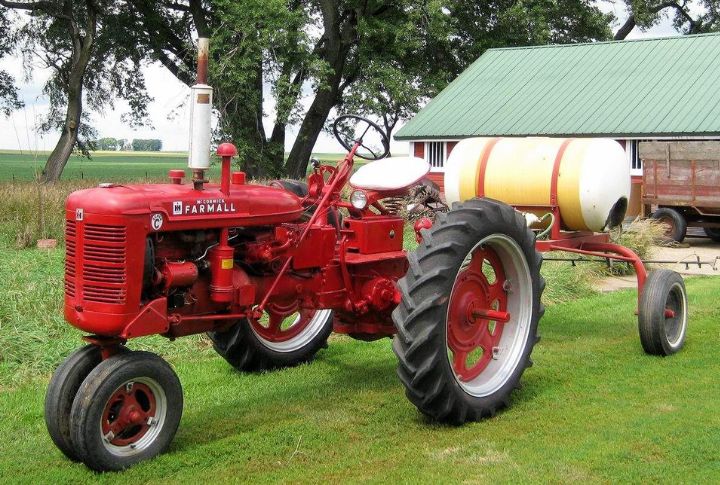
This tractor’s revolutionary Culti-Vision design allowed operators to monitor implements while working, dramatically improving efficiency. The International Harvester Farmall H became a farming icon, with over 420,000 units produced in two decades. Such innovation, comparable to modern GPS in impact, helped cement the Farmall H’s place in agricultural history.
Ford 8N
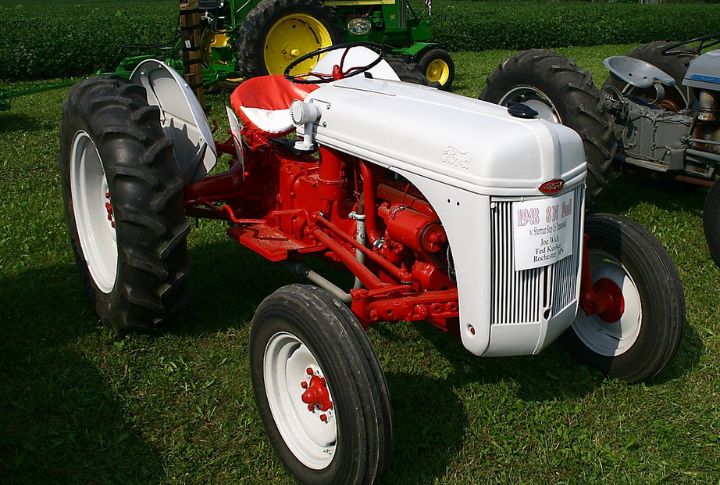
Introduced in 1947, Ford’s 8N tractor became one of the most recognizable farm machines worldwide. With over half a million units produced, its popularity stemmed from innovations like the three-point hitch and Position Control system. These features allowed for precise implement depth control, enhancing farming accuracy and efficiency.
Ferguson TE20
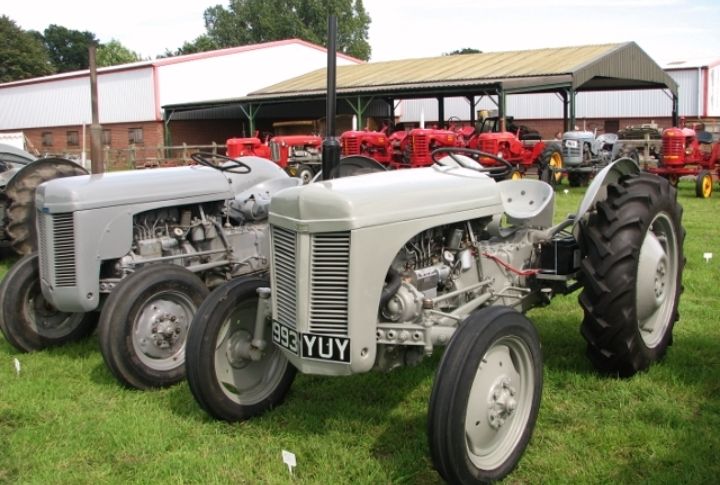
This innovation simplified implement attachment and lifting, leading to the tractor’s global success. The Ferguson TE20, also known as “Little Grey Fergie,” altered farming with its hydraulic three-point hitch system. Producing over 500,000 units, with two-thirds exported, it played a critical role in forming Massey Ferguson.
Farmall F-20
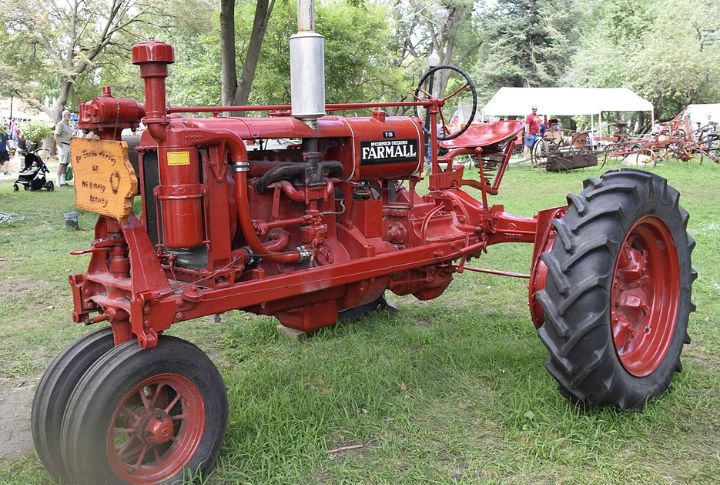
Marketed as the “Increased-Power Farmall,” the F-20 was designed to surpass its predecessor. In 1936, it adopted the iconic Harvester Red color for brand recognition. Farmers appreciated its three-point hitch, which allowed quick transitions between tasks, making the F-20 a versatile choice for various farm operations.