20 American Trucks That Never Found Their Audience
Some trucks had all the parts but never quite found their people—too odd, too early, or just overlooked. These 22 American pickups never caught on, but each one tells a story worth knowing. You might even spot a forgotten favorite along the way.
Subaru Baja
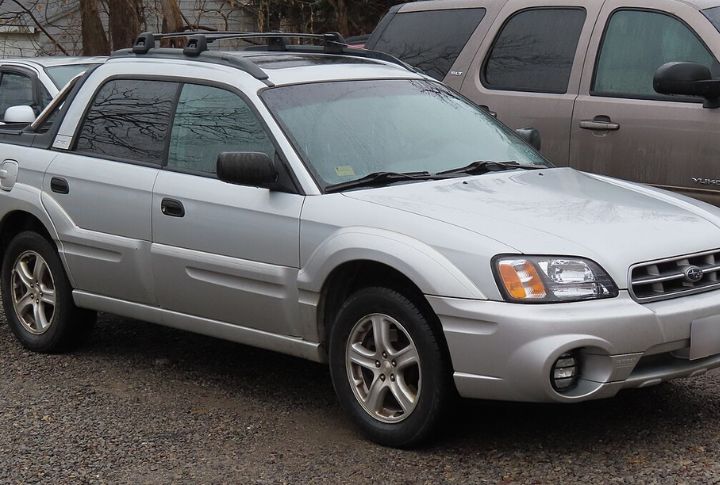
Marketed as a truck–car hybrid, the Subaru Baja confused most buyers during its four-year run, selling fewer than 31,000 units. Built on the Outback platform with only a four-foot bed, it later gained a devoted cult following after its discontinuation.
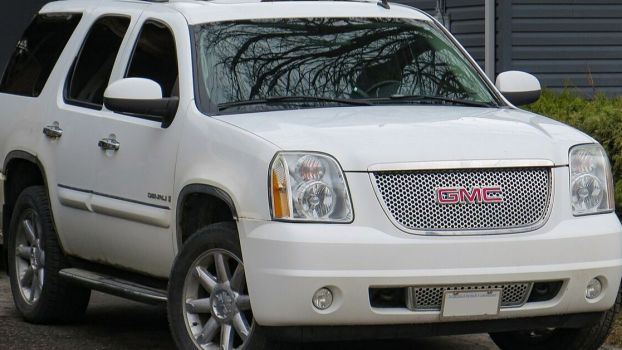
GMC Syclone
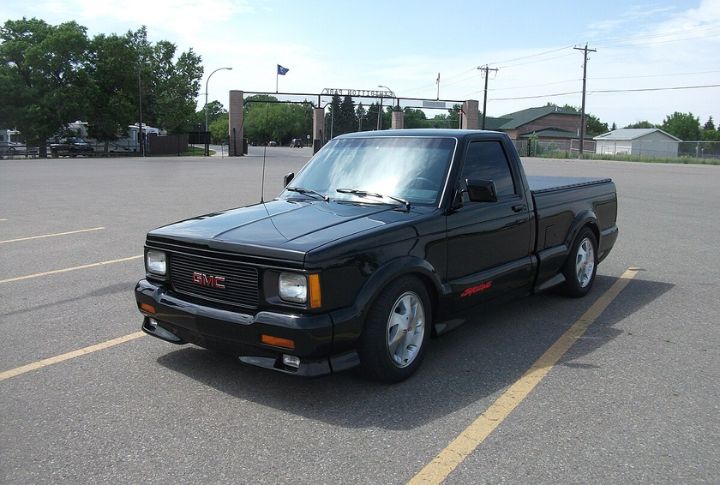
The GMC Syclone built just 2,995 units in 1991, but stunned with turbocharged V6 power and all-wheel drive. Faster than many Ferraris of its era (0–60 mph in 4.6 sec), it combined performance with utility and has since become a sought-after collector’s item.
Cadillac Escalade EXT
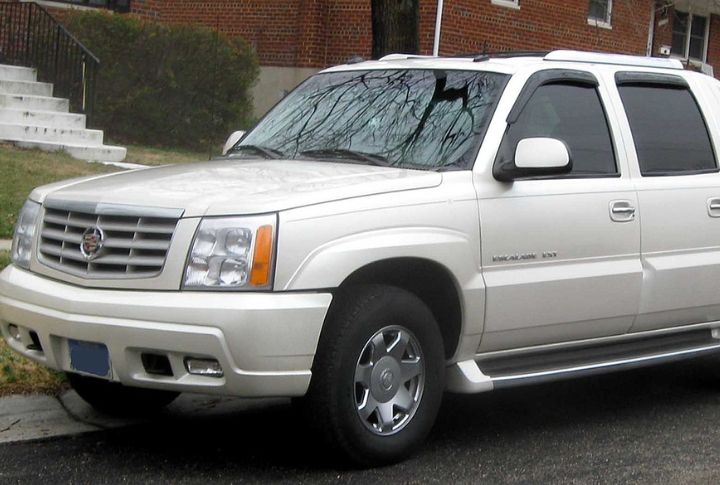
Although the Cadillac Escalade EXT featured a midgate to expand the bed, its luxury branding limited its broad appeal. Selling fewer than 14,000 units annually, it drew more celebrity attention than contractors and sparked debates about what defines a “real truck.”
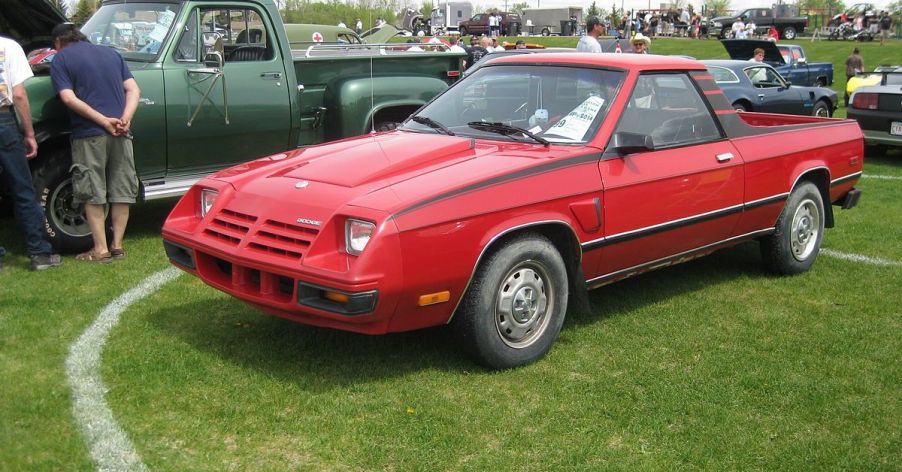
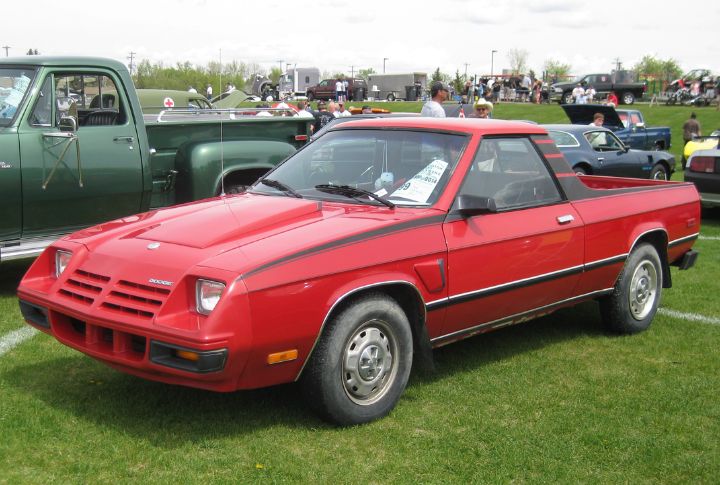
Dodge Rampage
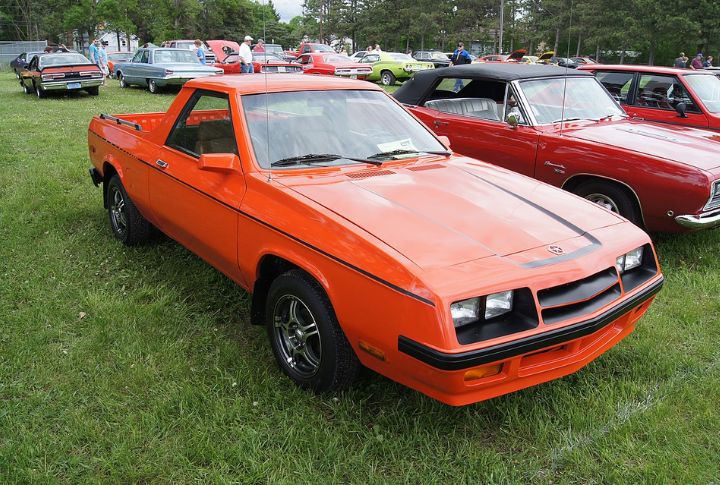
The Dodge Rampage’s car-based design and front-wheel-drive layout puzzled traditional truck buyers. Lasting only from 1982 to 1984, it shared parts with the Dodge Omni and offered an optional camper shell. Too bad it never quite found its audience.
Lincoln Blackwood

Aimed at a luxury market that didn’t want a pickup, the Lincoln Blackwood featured a carpeted, covered cargo bed and rear-wheel drive. Despite its unique approach, it lasted only one year, with around 3,000 sold. That said, it paved the way for the later Lincoln Mark LT.
Studebaker Champ
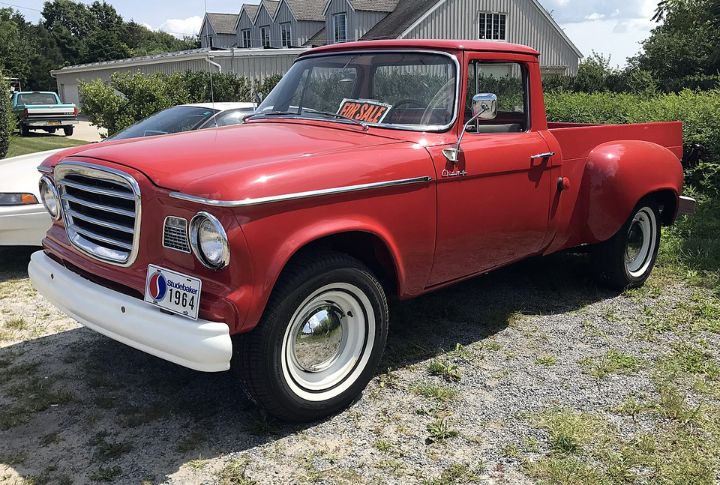
Studebaker’s Champ blended a car platform with a truck bed and was built only from 1960 to 1964. Featuring a sliding rear window and an overhead valve engine, it never stood a chance against the Big Three’s growing dominance in the truck segment.
Hummer H3T
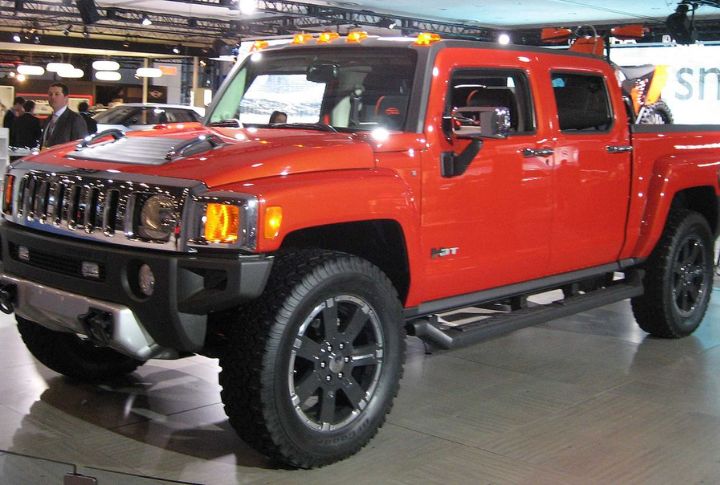
Less than 2,700 Hummer H3Ts were sold in the first year, held back by poor fuel economy and awkward size. Too large for city streets and too small for heavy-duty tasks, it offered off-road capability but was canceled after only three years.
Chevy Avalanche
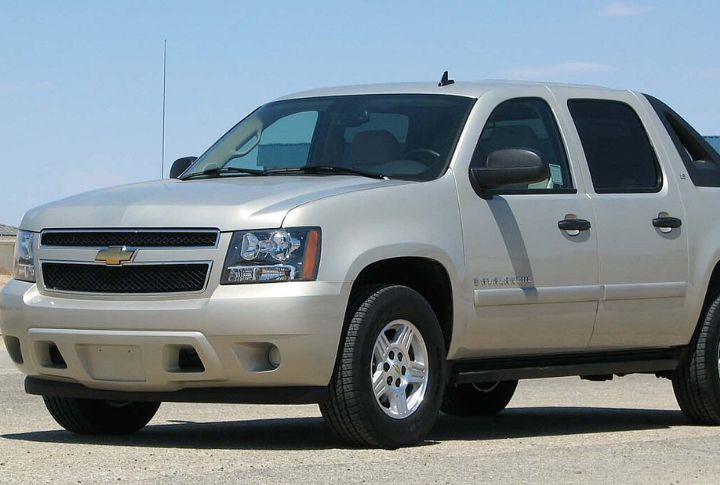
The Chevy Avalanche’s unique “cladding” design divided opinions. Moreover, its higher price compared to full-size trucks hurt sales. Despite a clever midgate feature that expanded cargo space, a steady sales decline led to its retirement in 2013, though aftermarket fans kept interest alive.
Ford Explorer Sport Trac
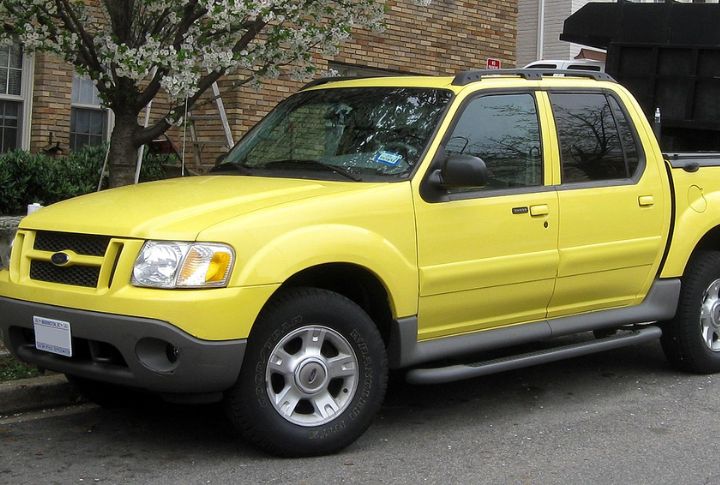
Combining SUV comfort with a five-foot truck bed, the Ford Explorer Sport Trac struggled against full-size pickups. Production ended in 2010 due to slow sales, compounded by early reliability issues that turned buyers away.
Jeep Comanche
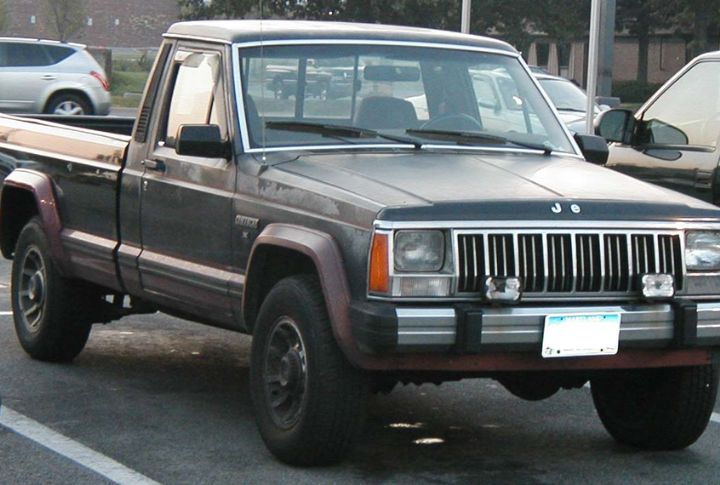
Discontinued quietly in 1992, it sold fewer than 200,000 units without much fanfare. The Jeep Comanche’s unibody construction and optional four-wheel drive couldn’t overcome the market confusion caused by its overlap with the Jeep Cherokee.
Ford Courier
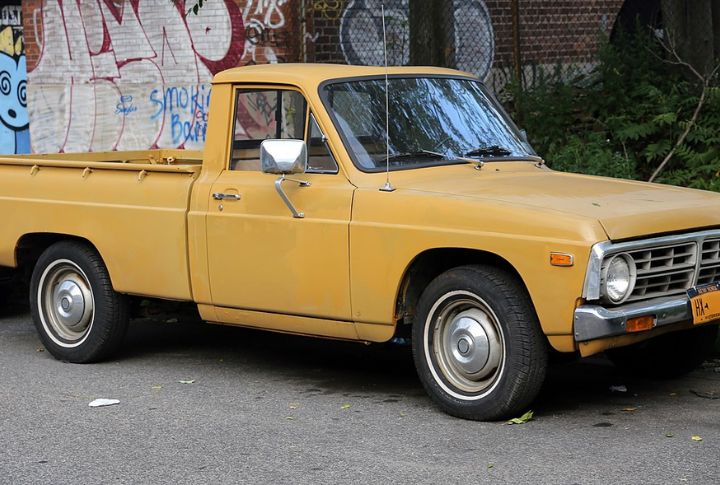
Ford’s Courier struggled to find footing in the US market and was often seen as just a rebadged Mazda. While it was one of Ford’s earliest compact pickups and was popular overseas, it couldn’t compete with Japanese rivals and was overshadowed by the Ford Ranger.
Chevrolet SSR
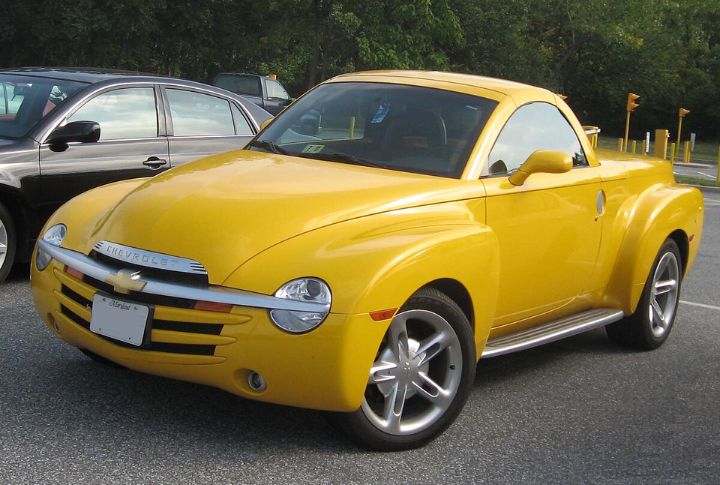
With its retractable hardtop convertible roof and Corvette V8 in later models, the Chevrolet SSR promised more than it delivered. Its retro design clashed with performance expectations, and pricing far above typical trucks contributed to just 24,000 units sold in four years.
Volkswagen Rabbit Pickup
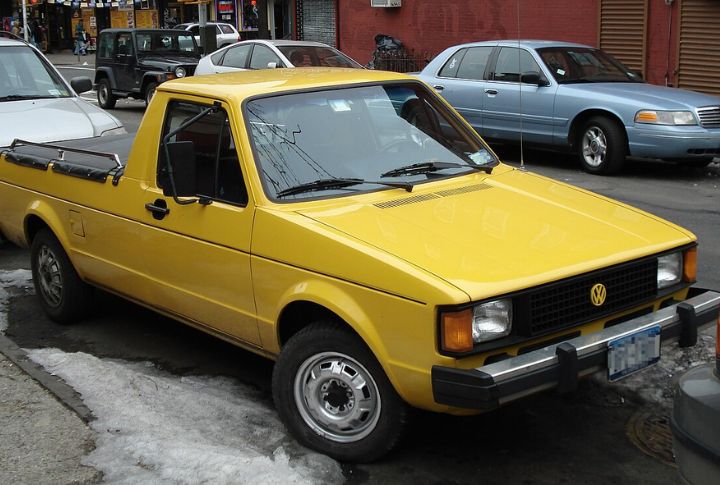
Volkswagen’s Rabbit Pickup was produced only from 1979 to 1984 and failed to win over buyers who rejected its front-wheel-drive layout. Based on the Rabbit hatchback, it even offered a diesel engine option. Notably, it was one of the few VW vehicles built in Pennsylvania.
Dodge Dakota Convertible
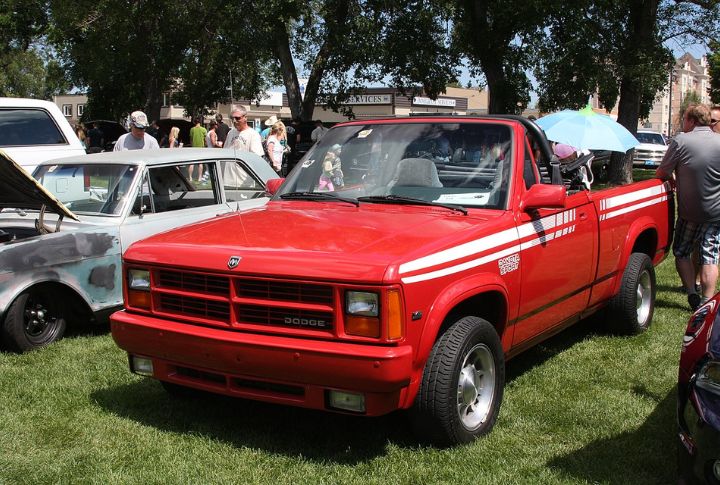
Dodge introduced the Dakota Convertible as the first modern pickup with a fabric roof. Sadly, only about 2,800 were sold between 1989 and 1991. Its niche appeal and fabric top, which wore easily, kept it from catching on with mainstream buyers.
Isuzu Hombre
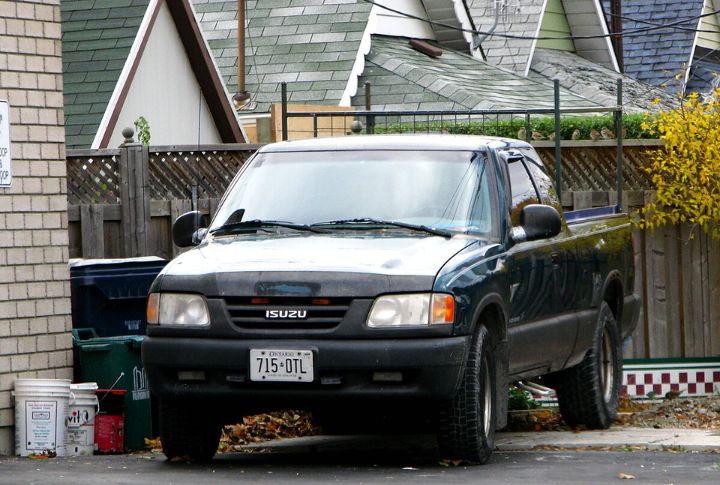
The Isuzu Hombre never sold more than 3,000 units annually despite being nearly identical to the Chevy S-10. Lacking a V6 option and facing weak brand recognition, it was intended to fill a gap in Isuzu’s lineup. It has since been largely forgotten—even by fans.
Mazda B-Series
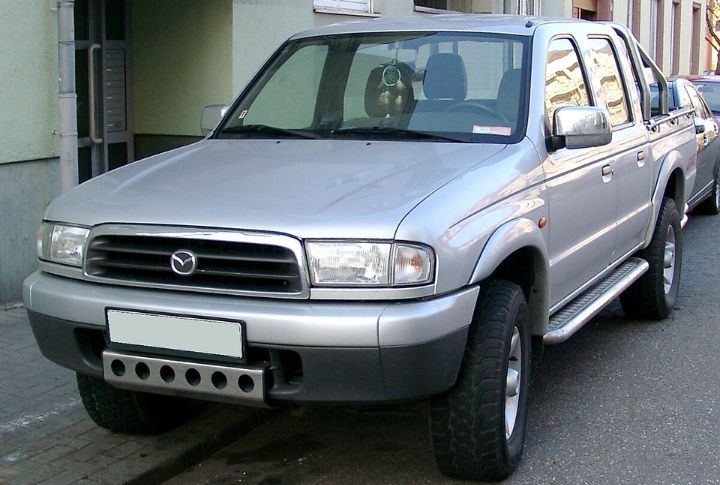
Mazda’s B-Series pickup shared many parts with the Ford Ranger, but never matched the Ranger’s success. Brand recognition challenges and multiple rebadges hindered its US presence. It was ultimately discontinued in 2009, despite Ford’s efforts to cut costs.
Suzuki Equator
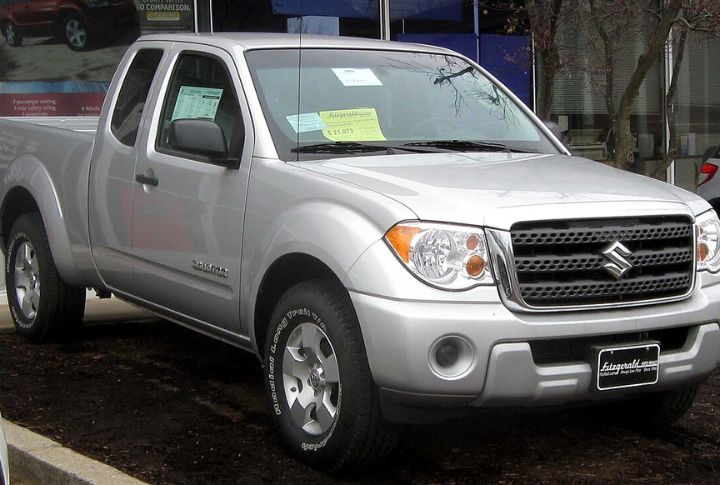
With fewer than 6,000 units ever sold, the Suzuki Equator struggled under poor marketing and limited visibility. A rebadged Nissan Frontier aimed at outdoor enthusiasts, it quietly vanished by 2012 and remains one of the rarest modern pickups ever built.
Chevrolet LUV
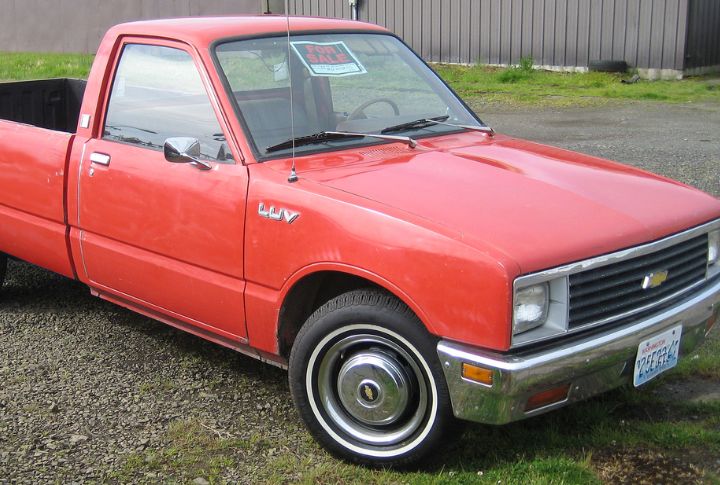
Chevy’s early import, the LUV—short for “Light Utility Vehicle”—was built by Isuzu and badged under the Chevrolet name. Although it gained traction with the optional 4WD system, it lost ground to domestic compacts and was eventually phased out in favor of the S-10.
GMC Caballero
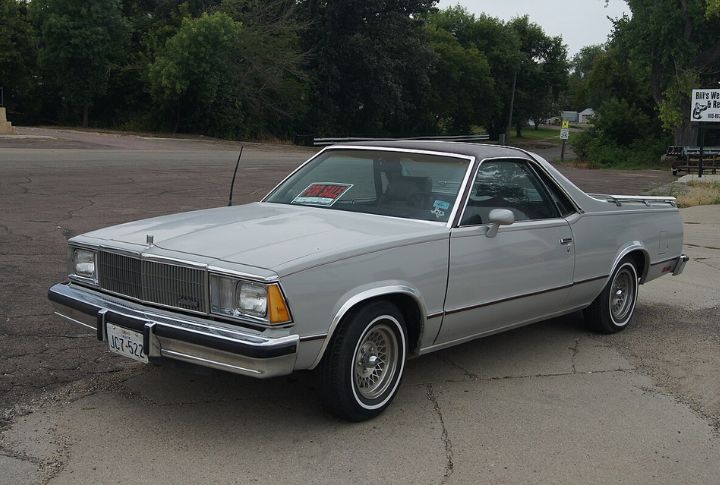
The GMC Caballero failed to distinguish itself from the nearly identical Chevy El Camino. It came with a V8 option and ran until 1987. Minimal advertising and a lack of identity left it forgotten outside a small circle of car-truck fans.
Dodge Warlock
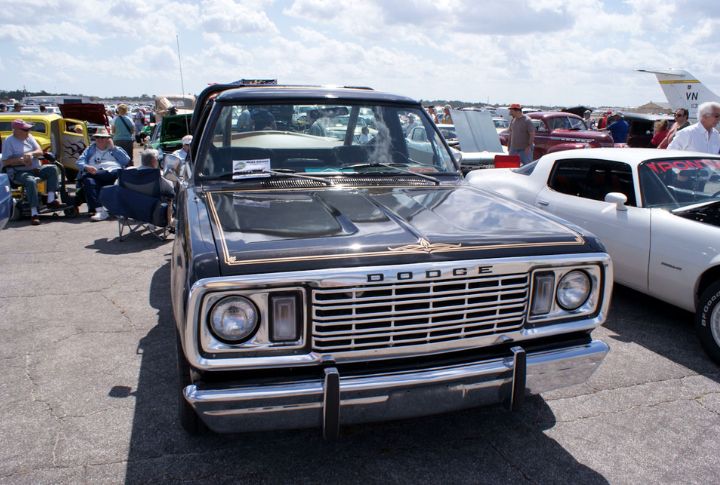
Dodge’s Warlock didn’t appeal to traditional truck buyers with its flashy paint jobs, wooden bed rails, and gold accents. Released as part of Dodge’s 1970s “adult toys” lineup, it was too niche at the time—but has since become a beloved collector’s item.