10 American Muscle Cars Lost To History

Some of these high-performance American muscle cars never got their moment in the spotlight. A handful were axed before production even began, while others arrived too late and missed their golden era entirely. And some simply slipped left to gather dust and fade from memory. This list revisits 10 such cars that lost to bad timing, or plain misfortune, but never lost their raw appeal.
1970 Chevrolet Chevelle SS 454 LS6
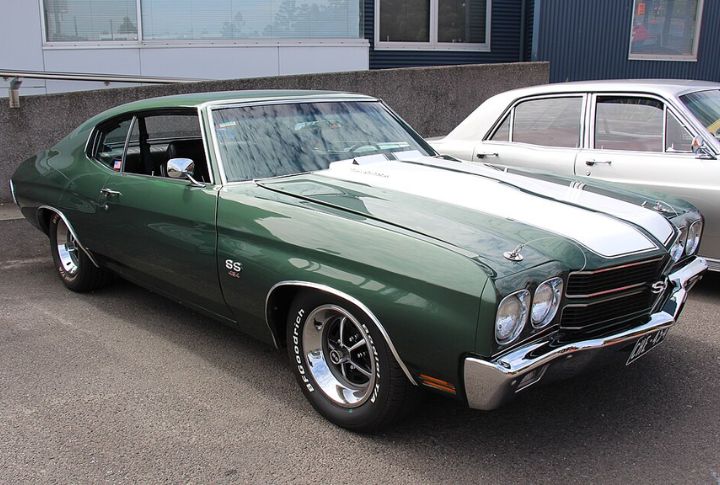
Offering its 450-horsepower LS6 V8, the 1970 Chevelle SS 454 LS6 briefly reigned as a muscle car titan. Fewer than 5,000 of these rare, powerful machines were ever built, a fact that solidified their status as a legendary automotive icon. Ultimately, soaring insurance costs and stringent emissions regulations brought its production to a halt after just one year.
1971 Plymouth Hemi’ Cuda
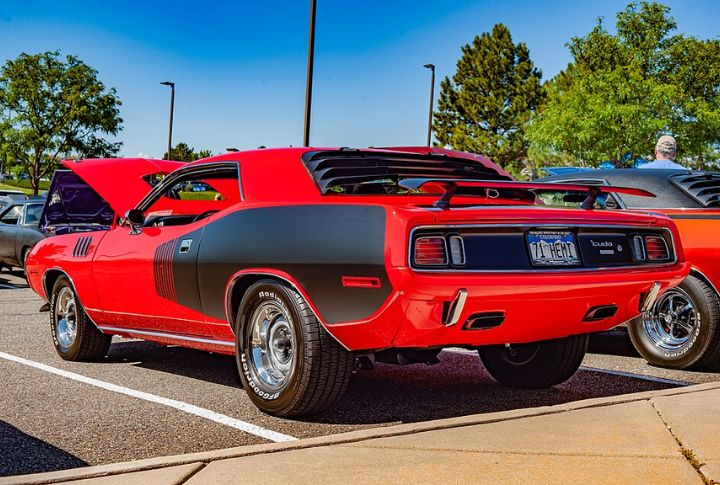
The 1971 Plymouth Hemi’ Cuda marks a legendary, albeit brief, final chapter. Its iconic 426 HEMI engine, banned by NASCAR and constrained by emissions, faced extinction in factory models. Just eleven convertibles were produced, due to skyrocketing insurance premiums, further cementing its rarity. This powerful machine, prematurely retired, is now worth over $3 million, a true collector’s dream.
AMC AMX/3
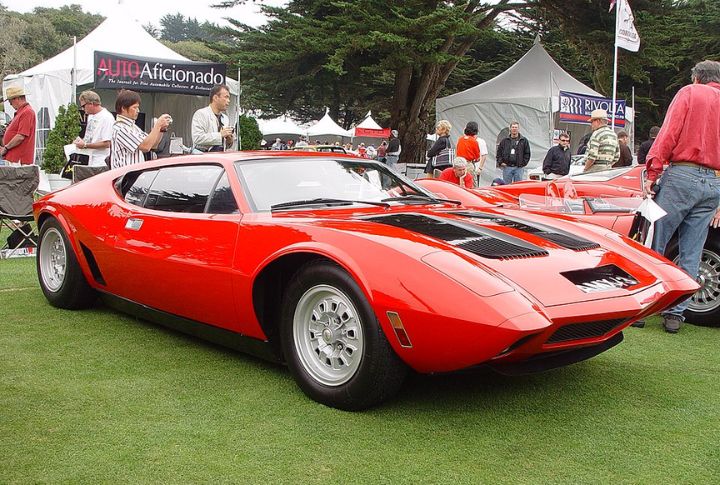
Limited to six prototypes of AMC’s ambitious AMX/3 ever saw daylight, an attempt to build a mid-engine supercar. Despite hitting 170 mph during Italian testing, this Ferrari and Lamborghini challenger never reached full production. Mounting costs and impending safety regulations at last scuttled the project, leaving behind an incredibly rare, unfulfilled promise of American muscle.
Chrysler 300 Hurst
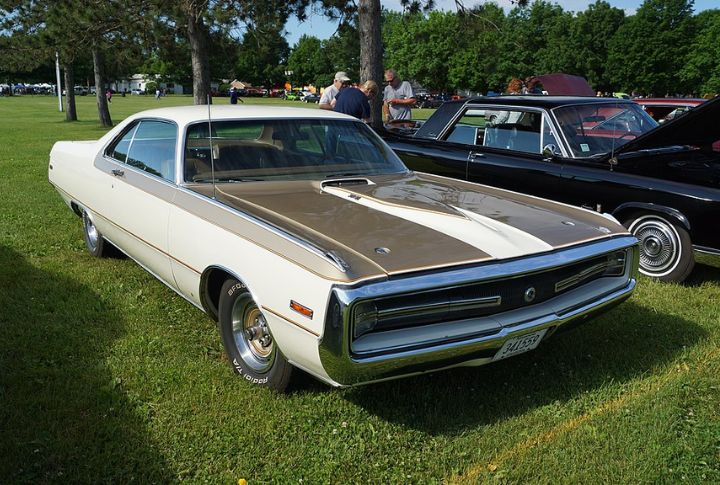
An unusual blend of luxury and muscle, the 1970 Chrysler 300 Hurst stands as a curious artifact. Co-developed featuring Hurst Performance, its striking gold-on-white finish and substantial 440 V8 aimed to merge comfort with power. However, buyers vastly preferred lighter, faster muscle cars, so Chrysler built only about 500 units, eventually leaving it a fascinating, rare, and overlooked footnote.
Ford Torino Talladega
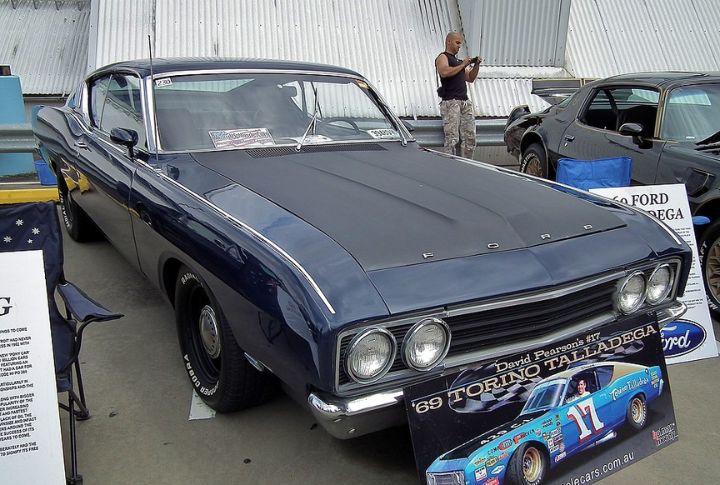
In 1969, Ford unleashed the Torino Talladega—an aerodynamic machine built to win NASCAR. Its extended nose cut through the air like a knife, giving it an edge so sharp that it got banned after just one season. Only about 750 street versions were made in 29 days to meet race rules. Rare, fast, and rule-breaking.
Buick GNX
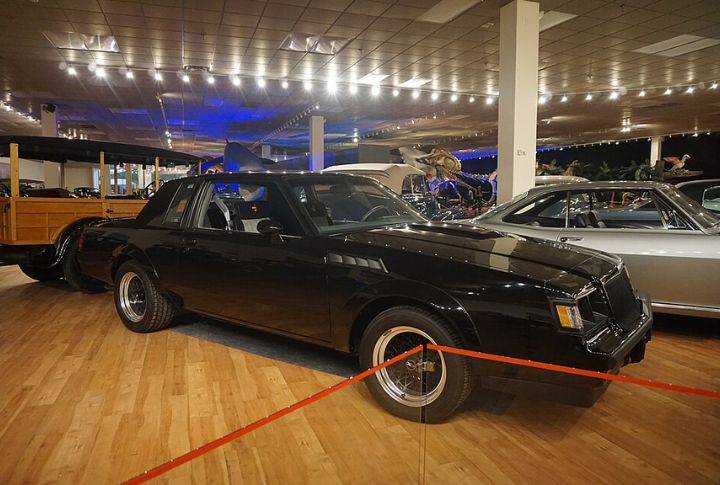
The 1987 Buick GNX, a blacked-out marvel, truly stunned the automotive hierarchy. Sporting an understated 276-horsepower V6 turbo, it famously outran the Corvette. This defiance led GM to swiftly limit its production to just 547 units, preventing it from overshadowing Chevy’s flagship. Still nicknamed as the “Darth Vader” of muscle cars, it remains a defiant icon, rare and fiercely fast.
Oldsmobile 442 W-30
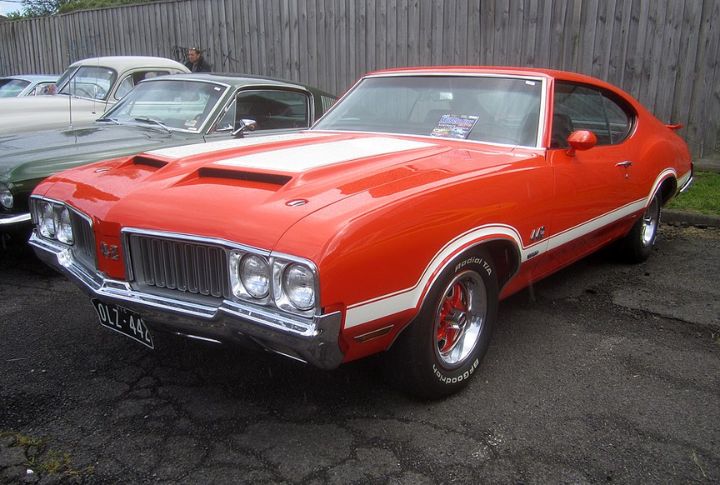
Though a true powerhouse, the 1970 Oldsmobile 442 W-30 wasn’t marketed as a typical muscle car. Its special engine and cool hood scoops delivered peak power, but then strict emissions rules in 1971 quickly dulled its edge. Barely around 3,100 of these rare, refined performance machines were built in 1870, which made that year its powerful highlight.
Pontiac GTO Judge
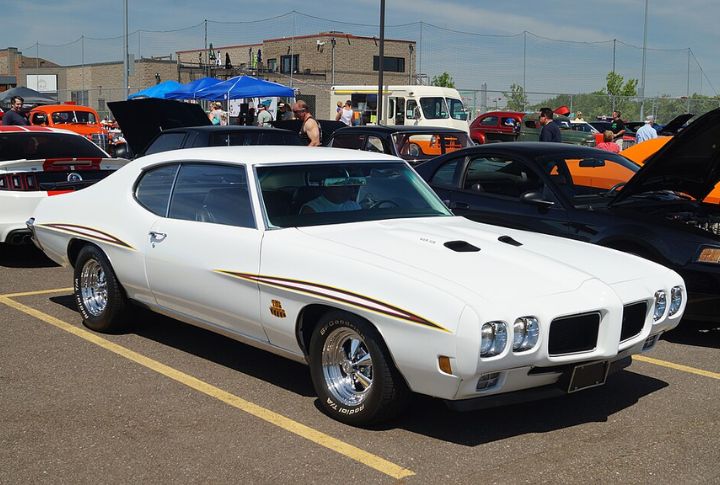
Pontiac’s 1971 GTO Judge, a loud, wild muscle car known for its bold looks, was built for the streets. Named after a comedy sketch, this powerful machine faced rising insurance and new emissions laws that curtailed its reign. Sadly, what began as a playful marketing concept ended after just three years, fading into legend as a symbol of muscle cars.
Dodge Charger Daytona
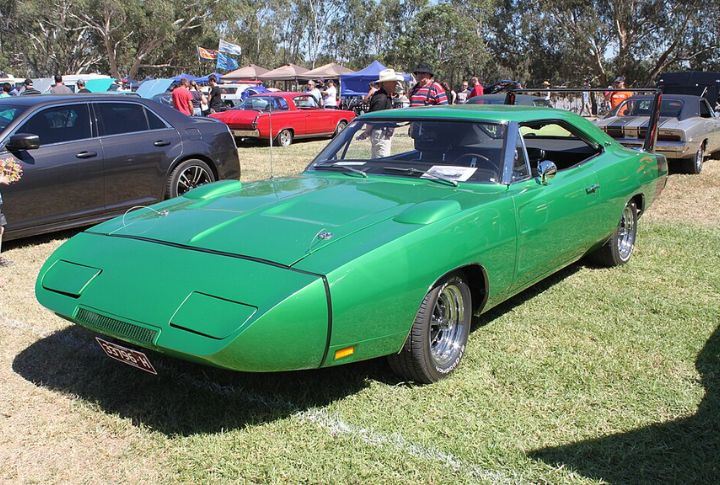
Built purely for NASCAR dominance, its extreme aerodynamic design has set records. Dodge’s 1969 Charger Daytona, built around a radical nose and massive wing, became the first to break 200 mph on track. NASCAR swiftly banned it for being aerodynamically unfair. Limited to only 503 street versions, many were hard to sell initially, yet today it’s an iconic, radical legend.
Chevrolet Monte Carlo SS 454
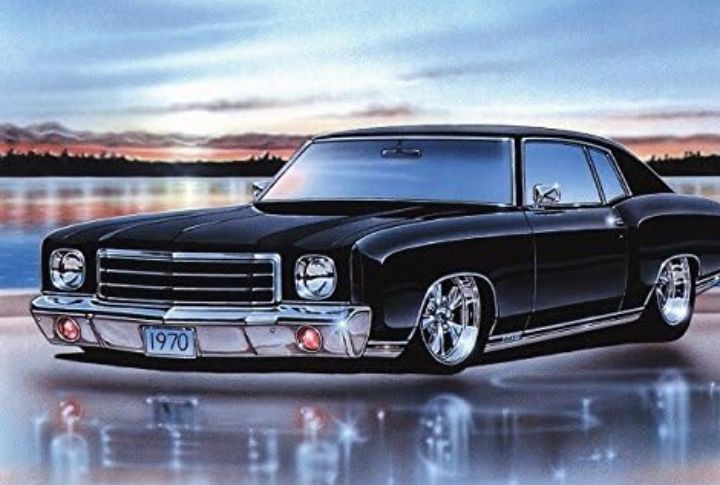
The Chevrolet Monte Carlo SS 454 blended big-block V8 power with personal luxury, an unusual mix of the era. But with 4000 pounds of weight, rising insurance premiums, and shifting buyer interests, it struggled to gain traction. Chevrolet quietly dropped this SS option after two years, which turned it into a rare experiment in performance-luxury that the market wasn’t quite ready for.