20 Ambitious Auto Inventions That Failed Or Faded Into Obscurity
Automakers constantly experiment with groundbreaking ideas to improve their cars’ performance or make them more luxurious and versatile. But not every innovation works. Some were ahead of their time, while some were just outright impractical. Here’s a look at 20 car features that once promised to change the industry but ultimately faded into obscurity.
The Tucker 48
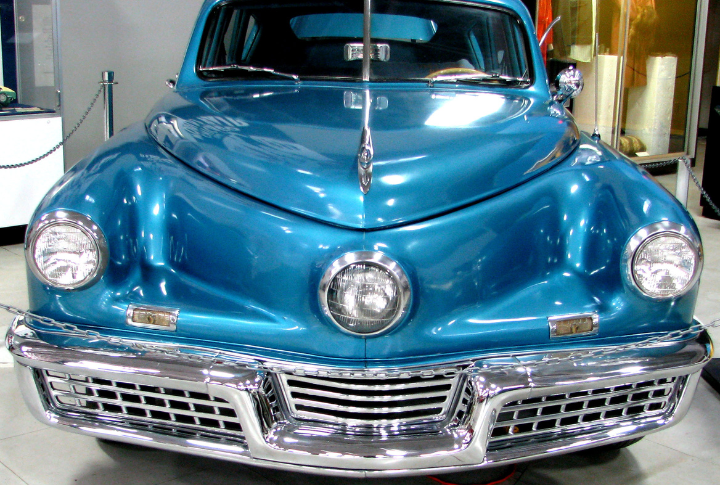
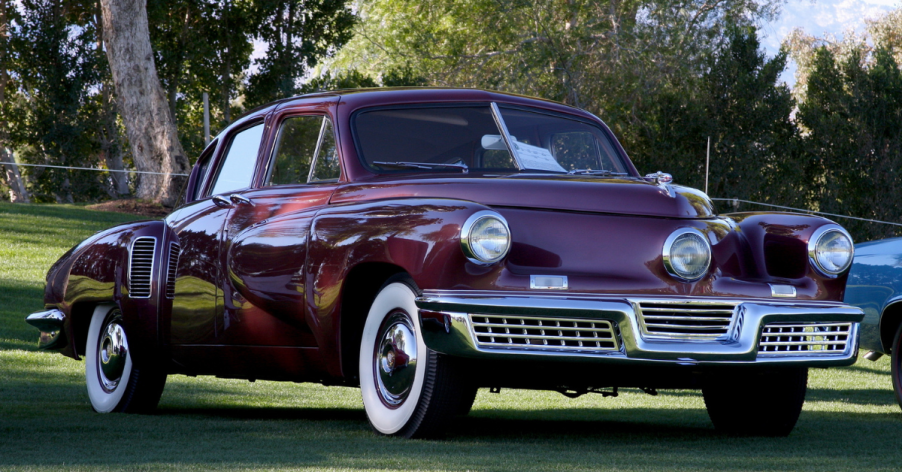
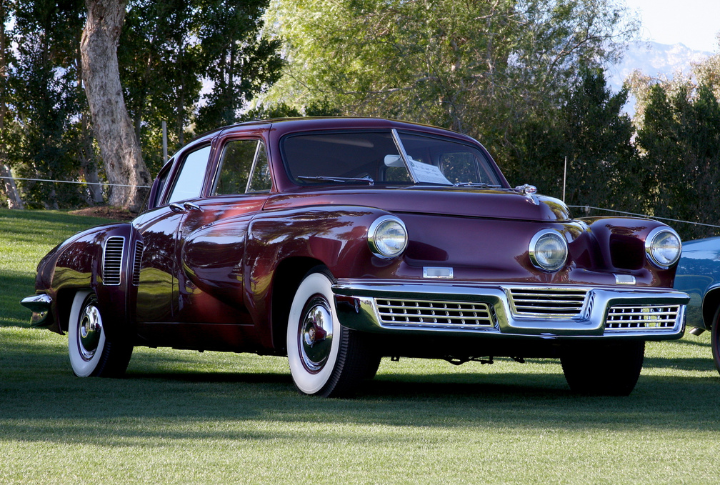
Preston Tucker introduced the Tucker 48 in 1948, which had a unique directional headlight called the “Cyclops Eye” that swiveled with the steering. The idea was to improve nighttime visibility around corners. An innovation that never took off, as many states banned more than two headlights.
The Amphicar 770

Launched in the 1960s, the Amphicar 770 attempted to merge land and water travel into one machine. It had a boat-like hull and rear propellers that helped it run on water and roads alike. However, water leakage and poor handling meant it was neither a great car nor a reliable boat.
The Chrysler Turbine Car
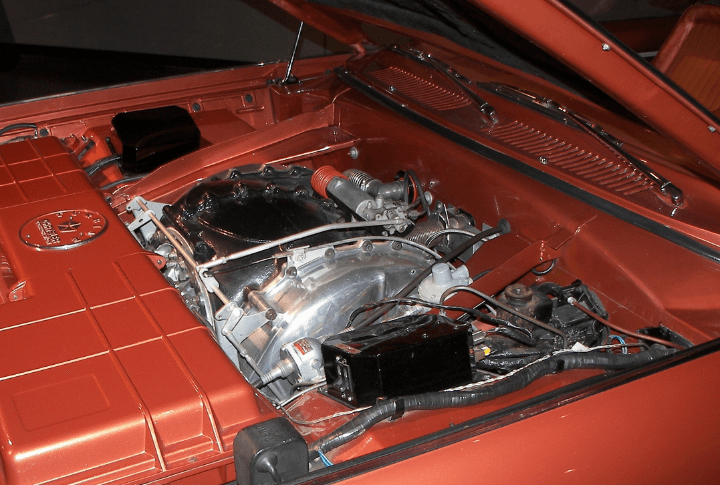
During the 1960s, Chrysler built a limited run of Turbine Cars powered by jet engines. These vehicles could run on almost any fuel, but the excessive costs and scorching exhaust temperatures made them impractical. Only a handful remain today, preserved in museums rather than on the road.
The Cadillac V8-6-4
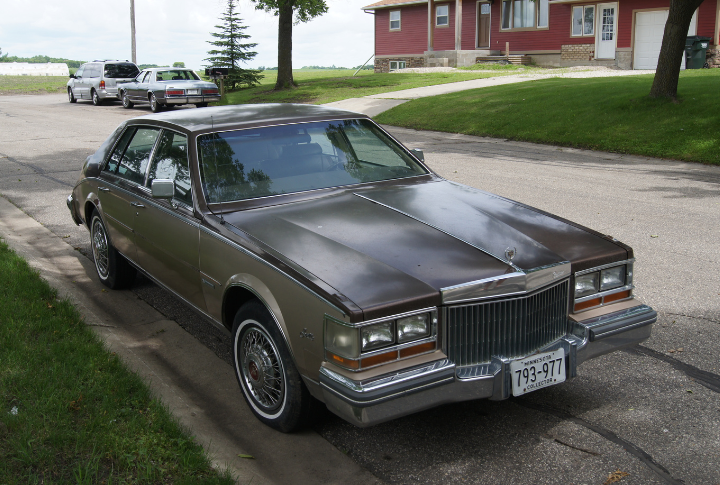
Long before modern cylinder deactivation, Cadillac tried the V8-6-4 system in 1981. The engine could shut down cylinders for efficiency, but early electronics failed to manage the transitions smoothly. Drivers experienced jerky performance and reliability issues. Cadillac was forced to abandon the technology until computerized technology improved decades later.
The Mazda Rotary Pickup
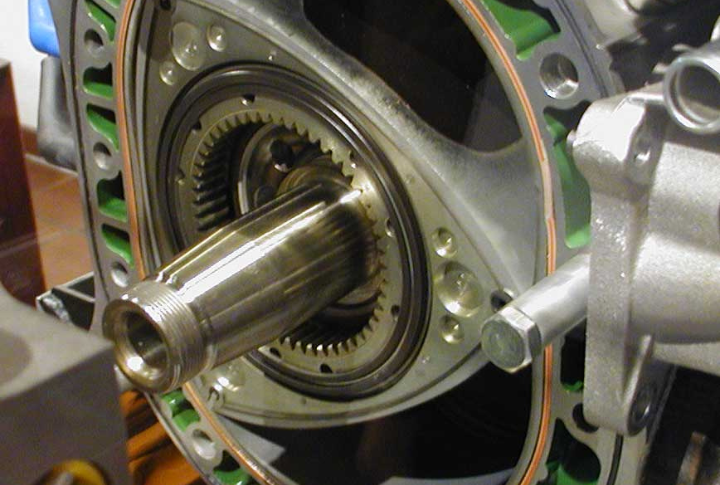
Mazda introduced a Wankel rotary-powered pickup in the 1970s, believing its smooth performance and compact design would revolutionize trucks. Unfortunately, rotary engines suffered from poor fuel economy and high maintenance costs. Mazda quietly discontinued this ambitious model after the 1973 oil crisis made fuel efficiency a global priority.
The Oldsmobile Jetfire
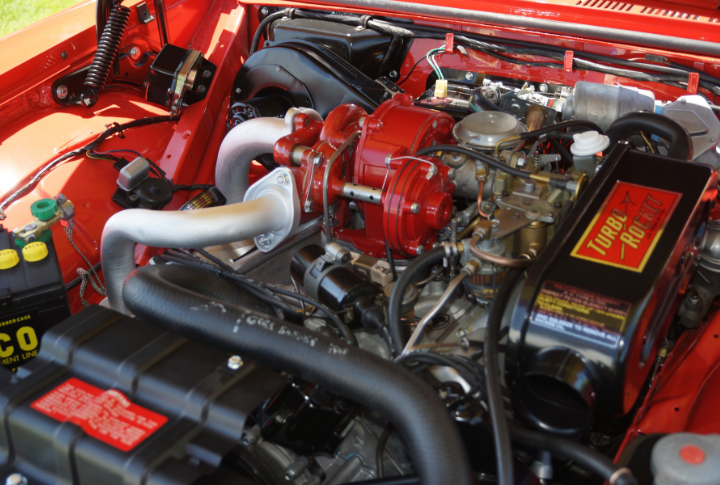
In 1962, Oldsmobile introduced the Jetfire, one of the first turbocharged production cars. It required a special “Turbo Rocket Fluid” (a water-methanol mix) to avoid engine damage. Owners frequently neglected this, which caused numerous engine failures. The added complexity and poor reliability sealed its fate despite turbocharging becoming mainstream decades later.
The DeLorean DMC-12
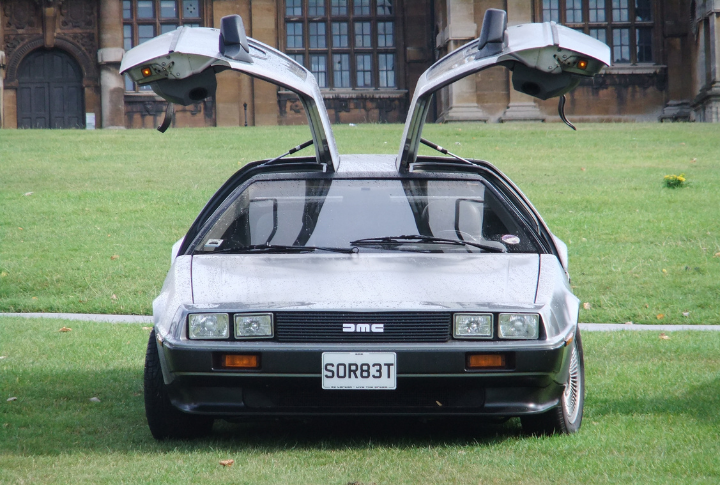
With its brushed, stainless steel body and gullwing doors, the DeLorean DMC-12 looked very futuristic. However, the unpainted steel showed fingerprints and scratches easily, and owners found it difficult to maintain. The underpowered engine and high price damaged its sales despite its legendary status from Back to the Future.
The Ford Nucleon
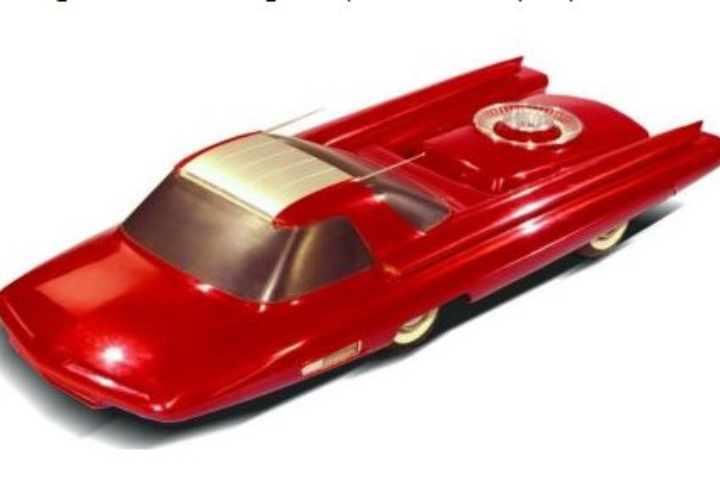
One of the most bizarre concepts in the automotive industry was the Ford Nucleon. It was envisioned as a nuclear-powered car in the 1950s. A small reactor would provide energy and eliminate the need for fuel. Concerns over the risk of radiation and technological limitations made sure it never went past the prototype stage.
The Saab 99 Turbo
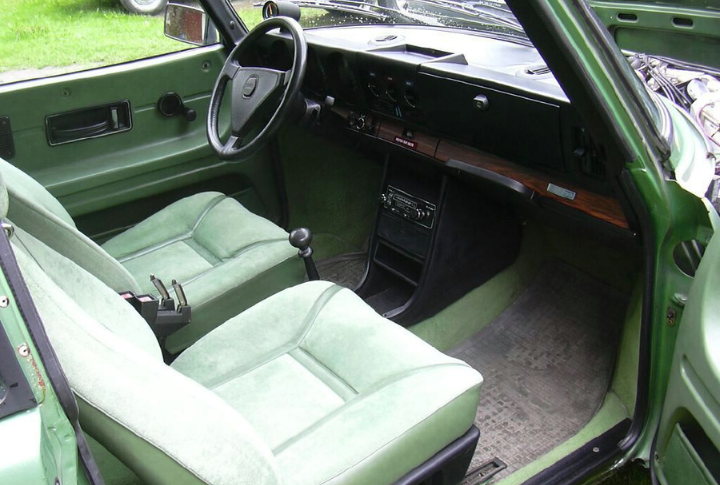
The Saab 99 Turbo introduced electrically heated seats in the 1970s, a first for a production car. Heated seats are now a luxury staple, but the early versions often malfunctioned and caused discomfort, sometimes even burns. Owners disconnected them until Saab refined the system, and it became a reliable feature.
The Lincoln Continental
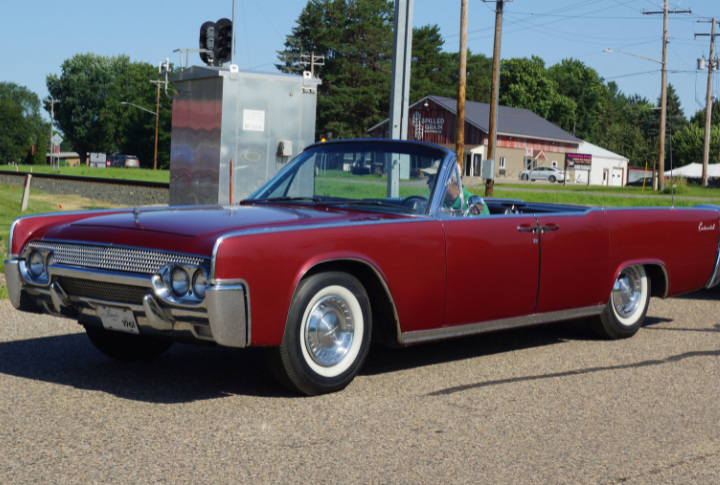
Rear-hinged “suicide doors” in the Lincoln Continental made rear-seat entry elegant. However, the design posed safety risks, as doors could open while moving. Although modern safety measures have allowed their return in limited production luxury cars with set standards, the feature largely disappeared from mainstream vehicles.
The Honda Prelude
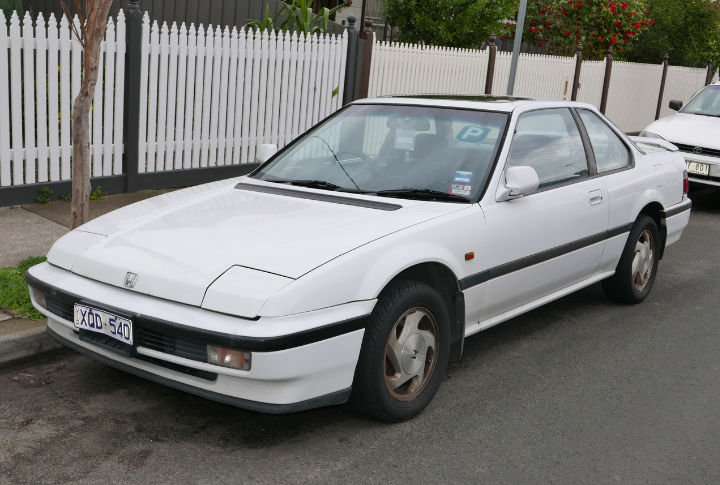
Honda introduced four-wheel steering on the Prelude in the late 1980s, which promised sharper handling. Its maneuverability improved, but that added complexity. The steep cost also discouraged buyers. Honda eventually phased it out since very few appreciated its benefits. Some luxury cars have revived the concept today, but with better execution.
The GM EV1
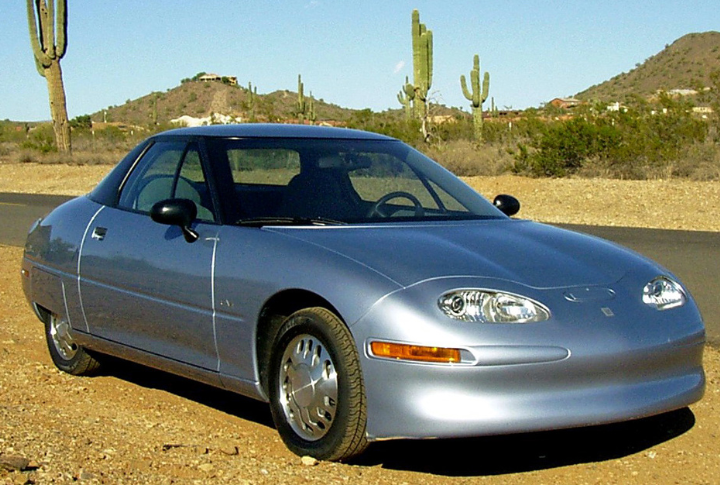
In March 2000, General Motors recalled approximately 450 first-gen EV1s due to a potential fire hazard caused by a faulty charging port cable. With the EV market booming, EV1 is seen as a tragically missed opportunity. GM’s EV1 was a pioneer among electric cars in the 1990s but suffered from limited range and high production costs.
The Subaru XT
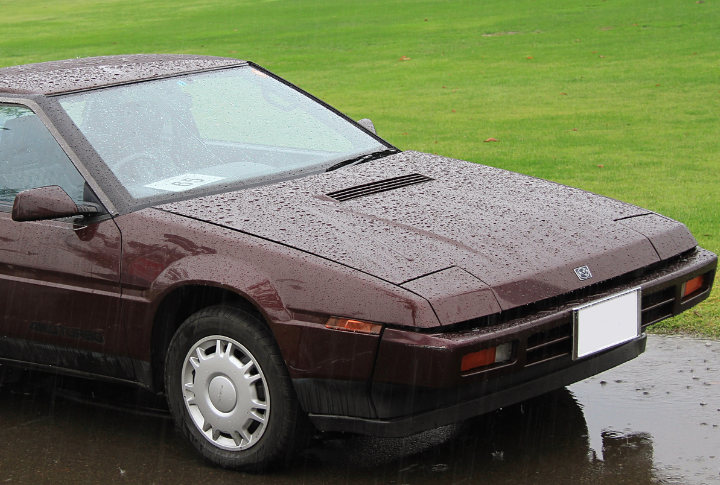
In the 1980s, Subaru designed the XT coupe with airplane-inspired controls and a joystick-like gear selector. The Subaru confused the drivers with its futuristic controls, who were accustomed to more traditional layouts. The unconventional design of the car and its average performance made sure that it was nothing more than a novelty.
The Aston Martin Lagonda
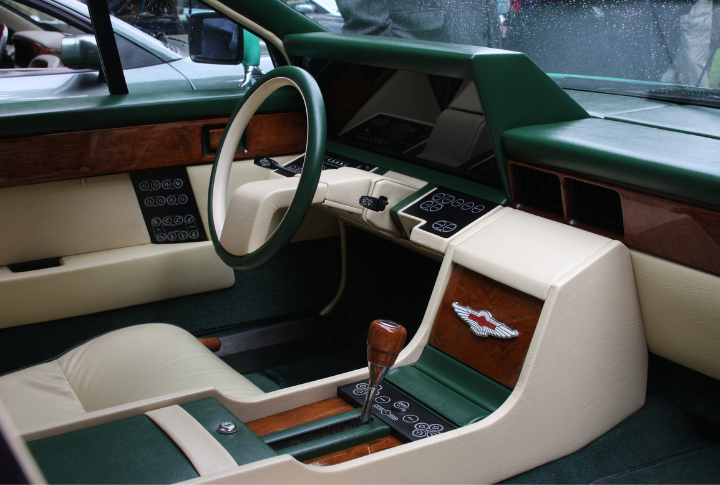
The Aston Martin Lagonda featured an LED digital dashboard and touch-sensitive controls decades before smartphones in 1976. However, the electronics of the car were unreliable and often failed. What seemed futuristic quickly became a maintenance nightmare and forced Aston Martin to revert to the conventional dials in later models.
The Renault Avantime
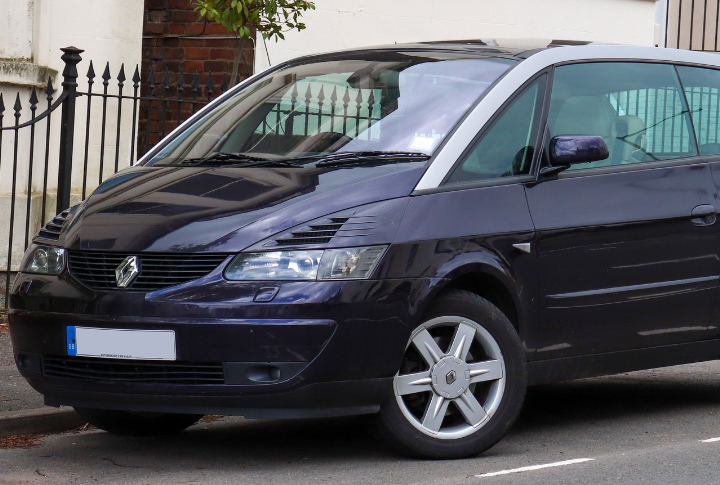
In an attempt to merge the styling of a coupe with the practicality of a minivan, the Renault Avantime (2001-2003) was introduced. It offered a spacious interior with only two large doors. The unusual design confused the buyers, who preferred a true coupe or a genuine minivan. Poor sales ensured its short-lived existence.
The Citroen DS
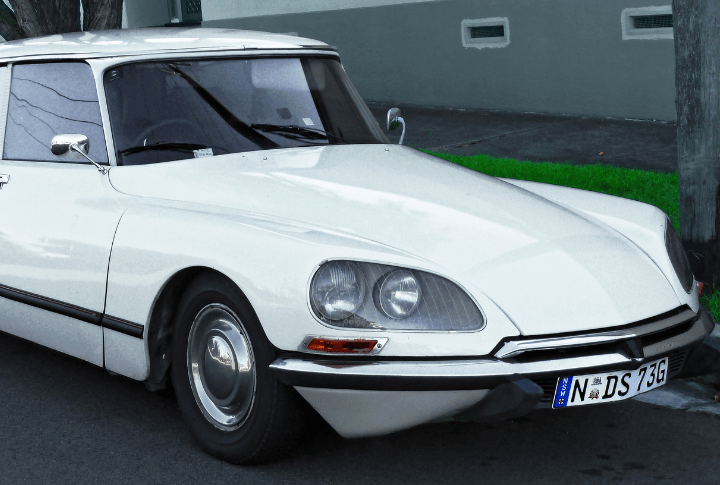
Citroen’s DS revolutionized ride quality in the 1950s with its self-leveling hydropneumatic suspension. However, the system was highly complex and required dedicated maintenance. Many auto mechanics struggled while making repairs, and the cost of the car outweighed its benefits for most buyers, leading to its gradual disappearance.
The BMW Z1

Launched in 1989, the BMW Z1 had doors that slid downward into the body instead of opening outward or upward. Even though it was visually stunning, the mechanism was complex and costly to repair. Despite the engineering feat, BMW abandoned the idea in future models due to practicality concerns.
The Toyota Sera
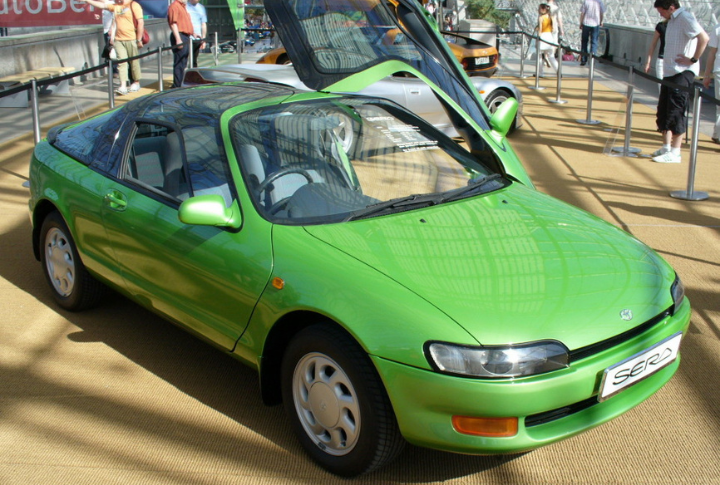
The Toyota Sera, produced in the 1990s, had butterfly doors like supercars, but it was an economical hatchback. The car was stylishly designed but had unnecessary weight and complexity in an otherwise simple car. Toyota never repeated the experiment in mainstream models after the Sera’s failure.
The Nissan Pulsar NX
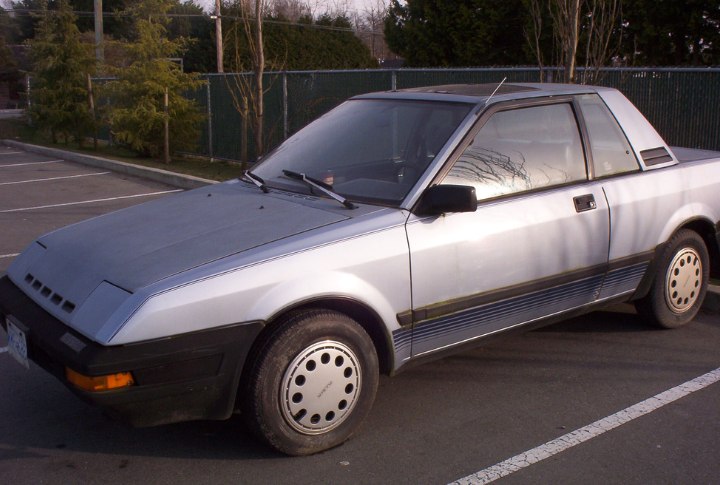
Here’s a car that disappeared as simpler convertible options took over the industry. Nissan’s Pulsar NX of the 1980s featured an interchangeable roof system that allowed owners to switch between a coupe and a targa top. Despite being unique for its time, the design and the mechanism were cumbersome, and few wanted the hassle.
The Ford Edsel
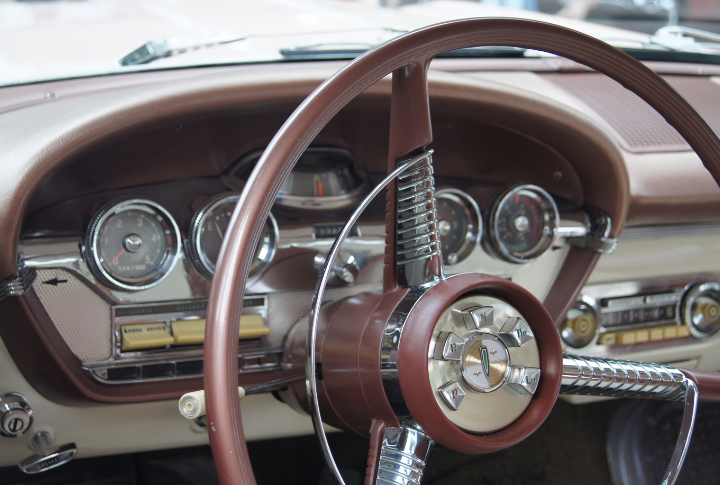
Ford Motors added a push-button automatic transmission selector mounted in the steering wheel hub of the 1958 Edsel. It was futuristic, but it was prone to mechanical failures, and the drivers found it unintuitive. The Edsel itself became a legendary market failure, and the push-button shifter soon disappeared until modern digital versions revived the idea.