Aircraft mechanic helps us understand what actually happens when a cabin window shatters
This week, an aircraft mechanic with a sense of humor and half a million Instagram followers posted a reel I found fascinating. In it, Max of @airplanefactswithmax explained that the “window glass” on your side of the cabin isn’t the true airplane window at all. In fact, it’s not glass, either. The reel earned half a million “likes” on Instagram. It’s embedded below.
The clip begins with a woman recording what she calls a broken cabin window beside her seat. Indeed, the window looks shattered.
“So that’s not actually a broken airplane window.”
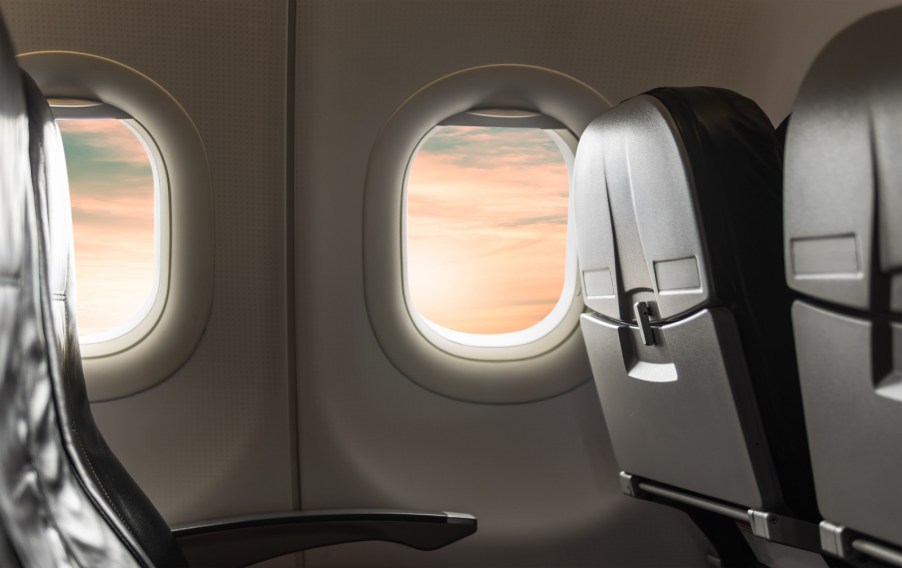
Max cuts in. He explains that the woman is filming a broken “reveal.” Reveals are plastic panels positioned a short distance behind the actual airplane window. They’re mounted in the cabin’s side panel walls, not in the exterior fuselage.
Humor aside, broken plastic window reveals don’t directly cause an immediate safety issue. The cabin panels and these reveals separate the passenger area from the aircraft’s “unaesthetic” exterior layers. They also help insulate loud flight noise.
So, “mostly nothing” happens if something damages a window reveal from the cabin side. This is why the woman at the beginning of Max’s explainer could comfortably film the broken plastic without supplemental oxygen or anything disturbing happening in the background. Of course, in a sense, a damaged window reveal isn’t ideal because it leaves only one “layer” between the passenger and the atmosphere.
Now, if an airplane’s real glass window shatters or otherwise fails, that’s a huge problem. At 30,000 to 40,000 feet, the cabin would suffer rapid decompression and a temperature drop. The thin air depletes oxygen levels, and passengers require supplemental oxygen. Lastly, the hole in the plane would create a vacuum effect, which would suck objects or even people toward the gap in the fuselage. An actual broken airplane window requires a quick and efficient emergency landing.