These Are the Acura RDX Years to Avoid
The Acura RDX made its debut in the U.S. market in 2006 as a 2007 model, quickly earning a reputation as a luxurious yet practical compact SUV. This model combined Acura’s signature blend of reliability, sporty performance, and premium comfort. Over time, the RDX has seen significant upgrades, transitioning from its original turbocharged four-cylinder engine to a more refined V6 and eventually adopting a modern turbocharged inline-four. Despite its overall success, not all model years have lived up to the brand’s reputation for reliability. Here’s a detailed look at five Acura RDX years to avoid and the issues that plagued them.
With enhancements in safety features, technology, and driving dynamics, the RDX has become a favorite among drivers looking for a versatile and dependable vehicle. Some years have been marked by recurring mechanical issues, owner dissatisfaction, or design flaws that make them less appealing in the used car market.
2007 Acura RDX
The inaugural model year of the RDX had a lot riding on it as Acura’s entry into the burgeoning luxury compact SUV market. While it brought impressive performance and a stylish design, it also came with its fair share of challenges.
Key issues with the 2007 RDX:
- Turbocharger problems: The 2007 RDX featured a turbocharged 2.3-liter engine, a first for Acura. Unfortunately, this turbocharger proved to be a weak link. Many owners reported turbo failure, leading to power loss and decreased fuel efficiency. The repair costs for a failed turbocharger could easily exceed $2,000, adding to ownership expenses.
- Transmission troubles: Drivers frequently reported transmission hesitation and jerking during gear shifts. These issues made driving less smooth and sometimes unsafe, especially during acceleration.
- High maintenance costs: Early adopters of the RDX found themselves spending more on maintenance than expected due to recurring issues with the turbocharger and transmission.
The 2007 RDX is often avoided by buyers due to these costly and frustrating problems.
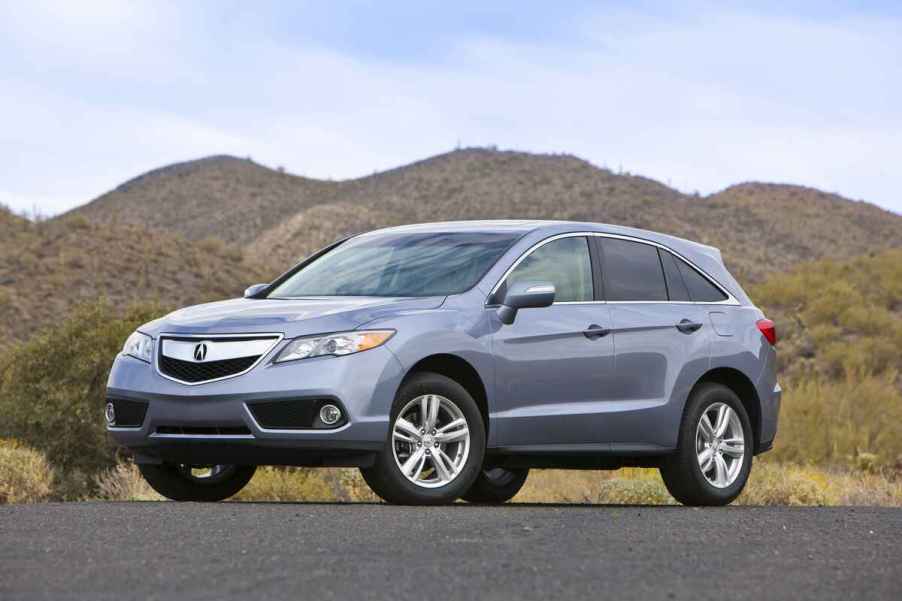
2013 Acura RDX
Acura introduced significant changes to the RDX for the 2013 model year, including replacing the turbocharged engine with a naturally aspirated 3.5-liter V6. While this change improved fuel efficiency and simplified the powertrain, it didn’t solve all the vehicle’s problems.
Key issues with the 2013 RDX:
- Headlight dimming issues: A common complaint among owners was dimming headlights, which compromised nighttime visibility. Many drivers had to replace the bulbs prematurely, only to experience the issue again.
- Infotainment system glitches: The 2013 model’s infotainment system was buggy, with frequent freezes, unresponsive controls, and crashes. These problems frustrated drivers who expected a seamless in-car technology experience in a luxury SUV.
- Transmission jerking: Transmission issues persisted, with drivers reporting jerking and hesitation during shifts. While not as severe as the 2007 model, it was still enough to impact overall driving satisfaction.
These issues made the 2013 RDX less desirable, especially for those prioritizing reliability and technology.
2014 Acura RDX
While the 2014 model carried over many of the updates from the previous year, it also inherited several of its problems.
Key issues with the 2014 RDX:
- Continued headlight problems: The dimming headlight issue remained a significant concern for the 2014 RDX. Owners reported that even replacing the bulbs didn’t provide a long-term solution, leading to ongoing frustration.
- Suspension concerns: Some owners reported a rough and uncomfortable ride, attributing it to suspension problems. The vehicle struggled to absorb road imperfections, making long drives less enjoyable.
- Electrical system glitches: Electrical issues were another sore spot, with reports of malfunctioning dashboard lights, faulty sensors, and intermittent problems with the power tailgate. These glitches undermined confidence in the vehicle’s reliability.
Although the 2014 RDX improved in some areas, these recurring issues made it a model year to approach with caution.
2015 Acura RDX
The 2015 Acura RDX continued the second generation’s run, but it failed to address several lingering issues that carried over from previous years.
Key issues with the 2015 RDX:
- Persistent headlight dimming: The headlight dimming problem persisted yet again, making it clear that Acura hadn’t found a permanent fix. This issue significantly impacted nighttime driving safety.
- Transmission and engine problems: Some owners reported that the transmission would jerk during shifts or the engine would stall unexpectedly. These issues raised safety concerns and required expensive repairs.
- Infotainment failures: The infotainment system remained problematic, with complaints about screen freezes, laggy performance, and overall unreliability. For a luxury vehicle, this was a major disappointment.
These problems made the 2015 RDX a less reliable option for buyers seeking a trouble-free experience.
2019 Acura RDX
The third-generation Acura RDX launched in 2019 with a complete redesign. It introduced a turbocharged 2.0-liter inline-four engine, an upgraded infotainment system, and advanced safety features. While the redesign was ambitious, it also came with its own set of growing pains.
Key issues with the 2019 RDX:
- Brake system problems: Many owners reported premature brake wear and reduced braking efficiency, which compromised safety. Some had to replace brake components much earlier than expected.
- Engine stalling: One of the most alarming issues with the 2019 RDX was engine stalling during operation. This posed a significant safety risk, especially when driving at higher speeds.
- Infotainment system glitches: The redesigned infotainment system was a major source of frustration for drivers. Common complaints included an unresponsive touchscreen, random crashes, and difficulty navigating the interface.
While the 2019 RDX represented a bold step forward for Acura, these issues dampened enthusiasm for the redesigned model.
What to look for instead
If you’re set on purchasing a used Acura RDX, consider model years that have been praised for their reliability and owner satisfaction. The 2010 and 2017 RDX, for example, are often regarded as dependable options with fewer reported issues. These models offer a good balance of performance, comfort, and modern features without the reliability concerns of the years listed above.
The Acura RDX is widely regarded as a dependable and luxurious compact SUV. However, no vehicle is perfect, and certain RDX model years struggle with reliability and owner satisfaction. The 2007, 2013, 2014, 2015, and 2019 RDX are all years to approach cautiously due to issues ranging from mechanical failures to technological glitches.
Before purchasing a used RDX, take the time to research the vehicle’s history, schedule a pre-purchase inspection, and prioritize model years known for their dependability. Doing so will help ensure you enjoy the performance, comfort, and luxury that the Acura RDX is known for…without the headaches.