9 reasons your car is leaking oil
I’ve seen too many drivers brush off a small leak, only to come back with a much bigger (and more expensive) problem. Oil leaks are a red flag. They tell you something’s off under the hood. The good news is that most of them start small and can be fixed if caught early. Let’s talk about why your car might be leaking oil and what you should do about it.
Common culprits behind oil leaks
Worn Gaskets and Seals
Over time, heat and pressure wear out gaskets and seals. These parts keep oil contained, and once they crack or shrink, the oil escapes. It’s the most common cause of leaks I saw at the shop. I’ll name a few more specific examples below.
Damaged Oil Pan
Your oil pan sits low on the engine. Hit a rock or a rough patch of road, and it can crack or dent. This can mean that oil has a direct path to your driveway.
Loose or Damaged Oil Pan Plug
During oil changes, the drain plug must be removed and reinstalled. If it’s cross-threaded, stripped, or just not tight enough, it’ll leak.
Leaking Oil Filter
If an oil filter isn’t tightened properly—or if the old gasket wasn’t removed before installing a new one—it’ll start to leak fast. It’s an easy fix but easy to miss.
Faulty PCV Valve
The PCV system controls pressure in the crankcase. If it clogs, pressure builds up, forcing oil out through seals that weren’t made to handle it.
Overfilled Oil
More oil isn’t better. Too much oil creates pressure and forces its way out wherever it can—gaskets, seals, you name it.
Valve Cover Gaskets
These gaskets seal the top of the engine. Over time, they crack and allow oil to drip down onto the engine. If you smell burning oil, this could be the reason.
Crankshaft and Camshaft Seals
These seals take a beating. They spin constantly while the engine runs. As they wear, leaks begin. Left alone, they can lead to major engine trouble.
Cracked Engine Block or Cylinder Head
This one’s serious. Cracks can develop from overheating or impact. If oil is leaking from here, it’s time to talk to a professional—quickly.
How to spot a leak
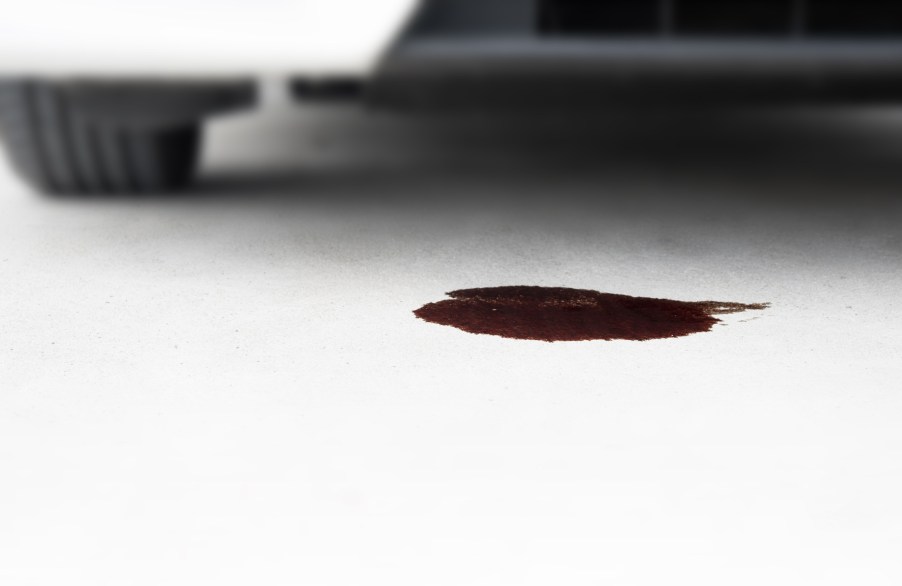
Look for oil spots on the ground after your car has been parked. Check under the hood for wet or greasy spots. Noticing a burning smell or blue smoke? That’s oil hitting hot engine parts or getting into the exhaust.
If you can’t see anything up top, there could be something going on with the middle or underside engine area. This could include oil cooler lines, the filter or filter housing, and the oil pan.
Use the dipstick. If your oil level is dropping between changes, your engine’s likely leaking—or burning—oil.
What to do about it
First, find the source. You can’t fix what you can’t see. Sometimes it’s obvious, sometimes not. Replace any damaged parts—seals, gaskets, the oil pan—whatever’s leaking. Tighten up anything loose. If the PCV valve is clogged, swap it out. Not sure where to begin? That’s what your mechanic is for.
Catching an oil leak early can save your engine—and your wallet. Don’t wait for the warning light. Unlike most dash lights, the little oil can symbol might mean near instant catastrophe.