Don’t even bother buying these 9 money pit vehicles
Some vehicles promise freedom, adventure, or a lifestyle upgrade. They look great in ads and even better parked in your driveway. But for many owners, the shine wears off fast. Between steep upkeep costs and low actual use, these are the kinds of purchases that turn into expensive regrets.
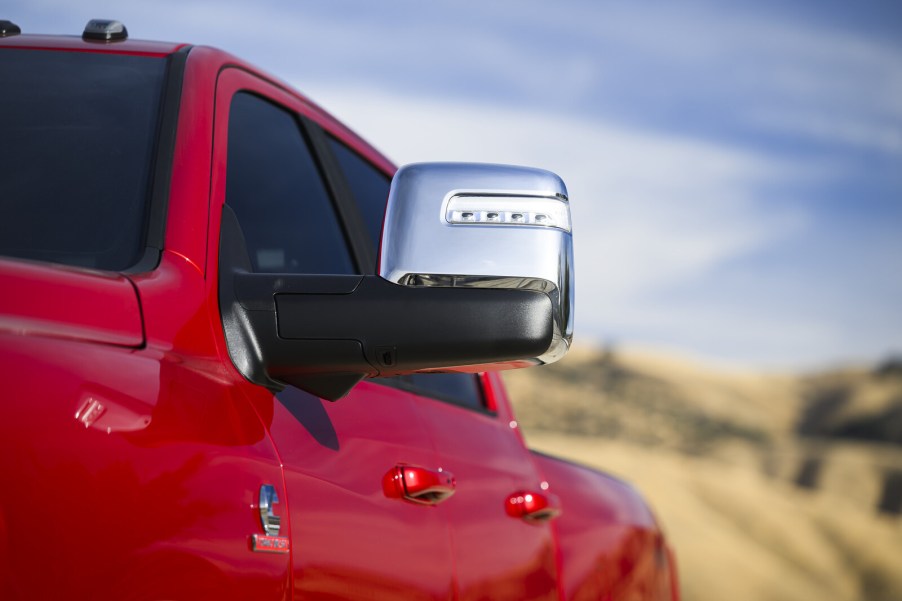
Heavy-Duty trucks and SUVs you don’t need
HD pickups like the Ford F-250, Ram 2500, and Silverado 2500 HD have real purpose when towing trailers over 10,000 pounds or hauling heavy payloads.
New models average $65,000 to $90,000 before options. Diesel engines add $10,000 or more and cost extra to maintain, with oil changes often running $200 to $300.
Expect 12 to 17 mpg in mixed driving, meaning you’ll burn through $4,000 or more a year in fuel if you drive 15,000 miles. They’re also harder to park, need larger tires ($1,200 to $2,000 a set), and can be overkill for everyday errands.
Buyers chasing the overlanding trend often gravitate toward off-road vehicles like the Toyota 4Runner TRD Pro, Ford Bronco Wildtrak, and Jeep Wrangler Rubicon. These trims push prices well past $55,000, with aftermarket gear easily adding another $10,000 or more.
Think rooftop tents for $1,500 to $4,000, suspension lifts running $1,000 to $3,000, steel bumpers and winches from $1,500 to $4,000.
Factor in higher fuel costs from bigger tires and roof racks, plus the expense of trail permits and recovery gear, and it’s a pricey lifestyle even if you only hit the dirt a handful of weekends a year.
If you’re not doing much of either towing or overlanding, they’re all a financial sinkhole.
Luxury convertibles
In places with four seasons, drop-tops often see less than 20% of their potential driving days with the roof down.
Insurance is higher because they’re considered specialty vehicles, often $1,000 to $2,000 more per year than a similar coupe.
Soft tops wear out, with replacements ranging from $1,500 for cloth to over $4,000 for power-folding hardtops.
And depreciation is steep: a $60,000 convertible can drop to $35,000 in five years if lightly used.
Boats
From 20-foot bowriders to 40-foot cabin cruisers, all share a brutal cost-to-use ratio.
A typical 22-foot runabout runs $60,000 new, with annual expenses easily topping $5,000 to $10,000 once you add marina fees, maintenance, winterization, and insurance. Large cabin cruisers can burn 20 to 30 gallons of gas per hour at cruising speed.
Unless you’re on the water weekly, renting saves thousands.
Large RVs
A Class A motorhome averages $150,000 to $300,000 new, and depreciation can cut its value in half in five years.
Expect 6 to 9 mpg of these monstrous vehicles, meaning a 1,000-mile trip might burn $500 to $700 in fuel alone. Storage is another $1,000 to $3,000 a year if you can’t keep it at home.
Add in insurance, tire replacement ($500 to $1,000 each), and repairs, and it’s easy to spend $5,000 to $10,000 annually just to own one…even if you take it out twice a year.
Off-road utility vehicles
Side-by-sides and ATVs often cost $15,000 to $35,000 new.
They require a truck or trailer for transport and regular maintenance after every few rides. Trail permits can cost $50 to $200 per year per state, and some areas have seasonal closures. Tires last as little as 2,000 miles and can cost $150 to $300 each.
And many owners use them fewer than six weekends a year.
Personal watercraft
Personal watercraft, like jet skis and Sea-Doos, offer quick bursts of fun on the water but come with notable costs.
New models typically cost between $8,000 and $18,000. Sure, used units are less, but can come with mechanical issues.
Ownership involves expenses like trailer purchase, storage fees, annual maintenance, insurance, and registration.
These machines require regular flushing after use, especially in saltwater, to prevent damage.
For most owners who only ride occasionally, renting is a smarter choice than committing to the upkeep and storage of a personal watercraft.
Classic cars in rough shape
A ’68 Camaro project car might look like a dream at $14,000, but restoration can run $40,000 to $80,000 with professional labor.
Even DIYers spend years sourcing parts and fighting rust. Without climate-controlled storage, bodywork can backslide before you even finish. And once restored, older vehicles lack modern safety, reliability, and fuel economy.
Snowmobiles
Even in snowy states, the average owner rides fewer than 15 days per season.
New sleds run $12,000 to $18,000, with insurance at $200 to $400 a year and trail passes adding more. Storing and trailering them requires space and a capable tow vehicle. Engine rebuilds can cost $2,000 to $4,000 if neglected.
The pattern is clear: all of these vehicles are high-cost, low-usage machines for most buyers
The smarter approach is to rent, borrow, or join a club first. That way, you can enjoy the thrill of these vehicles without paying year-round for something that mostly sits still or operates mostly outside its purpose-built design.