59-Car Pileup Amid 25 Crashes on Michigan’s I-75 in Detroit Leaves Drivers Sitting for Hours
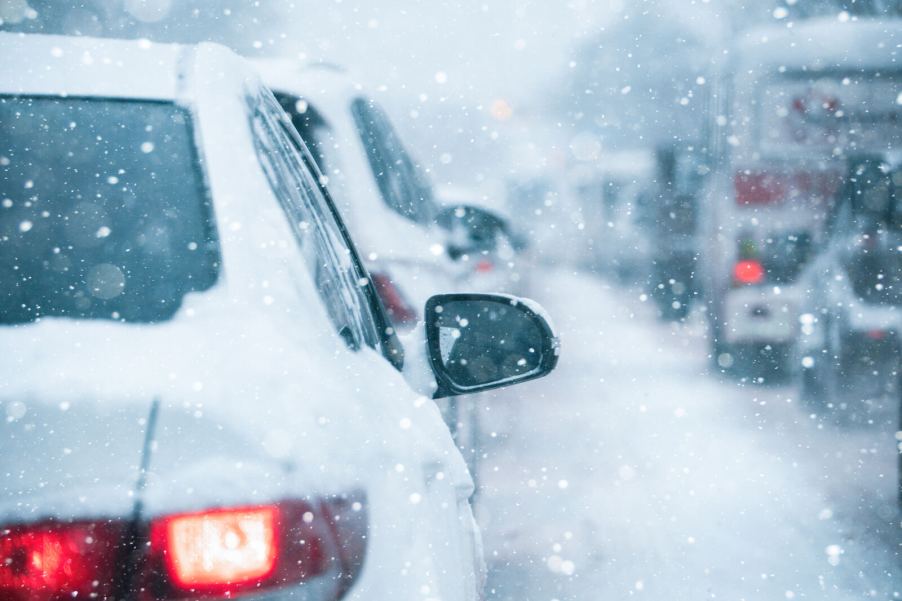
Traffic on northbound I-75 in Detroit, Michigan, didn’t just slow down late Monday morning. It stopped. Completely. Drivers found themselves boxed in by twisted fenders and jackknifed semis as snow blew sideways across the freeway near McNichols Road.
Michigan State Police say calls started coming in before noon on December 29, when the Detroit Regional Communication Center was flooded with alerts about crashes on the northbound lanes.
Michigan troopers arriving on scene quickly realized this was not one wreck
By the time the reports settled in, investigators counted roughly 25 separate car accidents involving 59 passenger vehicles and semi-trucks.
A sudden snow squall rolled through the area at the time. They’re fast-moving, high-intensity bursts of winter chaos. Visibility drops hard, and snow piles up fast. Roads go slick in minutes.
According to Michigan State Police, several drivers also left the scene without filing crash reports, complicating the cleanup and investigation.
The Detroit freeway shut down for hours
Tow trucks worked through the backlog, pulling damaged vehicles out one by one. Michigan Department of Transportation crews followed behind them, salting and plowing before reopening the road around 4:30 p.m.
Some motorists sat trapped between crash scenes and detours for much of the afternoon while troopers figured out how to turn them around safely.
MSP reported no injuries at the time of their updates. Fox Weather later reported that officials confirmed one minor injury. Either way, given the scale of the pileup, it could have been far worse.
So who pays when weather turns a freeway into a parking lot of bent steel?
In Michigan, which operates under a no-fault insurance system, each driver’s own insurer typically covers their medical expenses and certain losses, regardless of who caused the crash.
Vehicle damage usually falls under collision coverage, if the driver has it.
However, fault still matters when it comes to deductibles, claims between insurers, and damage that exceeds policy limits. Drivers found to be going too fast for conditions or following too closely can still be held responsible for damages they cause to others.
Michigan State Police First Lieutenant Mike Shaw reminded drivers that if you’re moving at a speed or following at a distance that requires slamming the brakes, you’re already behind the curve.
By late afternoon Monday, after five hours of cleanup and report filings, I-75 reopened.