5 Ways to Spot an Unmarked Police Car
Sometimes, police officers can be quite sneaky. Drivers breaking traffic laws are often surprised by unmarked police cars that suddenly appear out of thin air. However, if you keep an eye out for discreet signs that give officers away, you can avoid trouble.
5 ways to spot an unmarked police car
1. Look for roof rails
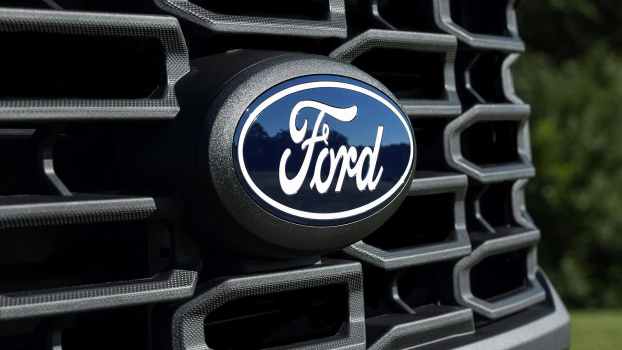
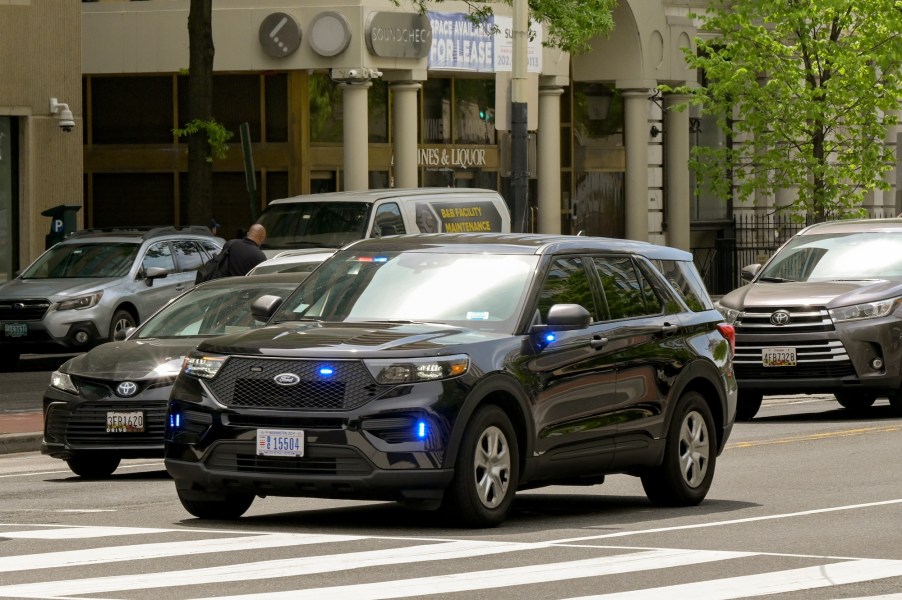
One of the most popular types of police interceptors is the Ford Explorer. However, these SUVs are only sold to civilians with roof rails. If you spot a model without roof rails, it’s safe to assume that it’s an unmarked police car.
This also applies to the Dodge Durango and Chevrolet Tahoe. Standard Police Pursuit Vehicles (PPV) delete the rails to reduce snag points and improve aerodynamics.
2. Look for external clues
Undercover cop cars have extra equipment that might be visible. For example, unmarked interceptors often have hidden lists behind the grilles. They could also be in the headlights, taillights, or side mirrors.
Also, cop cars often have extra protective gear such as push bars and heavy-duty rims. The rims are often painted black. Other signs include dark-tinted windows, extra antennas, or spotlights.
According to Yahoo, undercover cop cars have license plates that give them away. They could be government or municipal plates with short numbers. Plus, they might have a police logo.
3. Look for internal clues
Police vehicles also have extra equipment in the interior that can be spotted. For example, the rear might have a cage to keep officers safe while transporting alleged criminals.
Other signs include partition bars or gun racks in the rear. Also, the center console could have a laptop, multiple screens, or heavy-duty radio equipment. Perhaps, you’ll spot a camera mounted on the windshield.
4. A lack of customization
Unmarked police cars are typically kept very clean. Officers wash their cars daily. Winter salt, road, and mud lead to immediate cleanings to provide optimal visibility.
Plus, officers don’t personalize their vehicles. You may notice a lack of air fresheners or trinkets on the dashboard. The exterior won’t have any stickers for sports teams or hobbies. You won’t see any dealership decals either.
5. Driver behavior
Typically, officers exhibit perfect driving behavior to go unnoticed. However, an undercover police officer acts a bit differently compared to civilian drivers in traffic. They may tailgate a particular car for an extended period of time if they are observing it.
They often maintain a steady pace but could make quick, decisive lane changes to efficiently weave through traffic. Officers can engage in aggressive or erratic behaviors if they’re involved in a specific operation, but they mostly want to blend in.