5 truths behind E10 fuel and when to run 100% ethanol-free gas
A driver from Oregon wandering the Midwest recently spotted gas station signage that seemed odd: 100% ethanol-free fuel. See, back in their neck of the woods, there’s no such option, at least to their knowledge. Who uses this fuel type? And, more specifically, could the Redditor put it in his 2025 Jeep Wagoneer rental? To begin to answer, these signs aren’t just marketing. They point to a deeper story about why ethanol became such a big part of American gasoline in the first place.
The U.S. government’s push for ethanol in gasoline comes from a mix of energy, farm, and environmental policy goals built up over decades
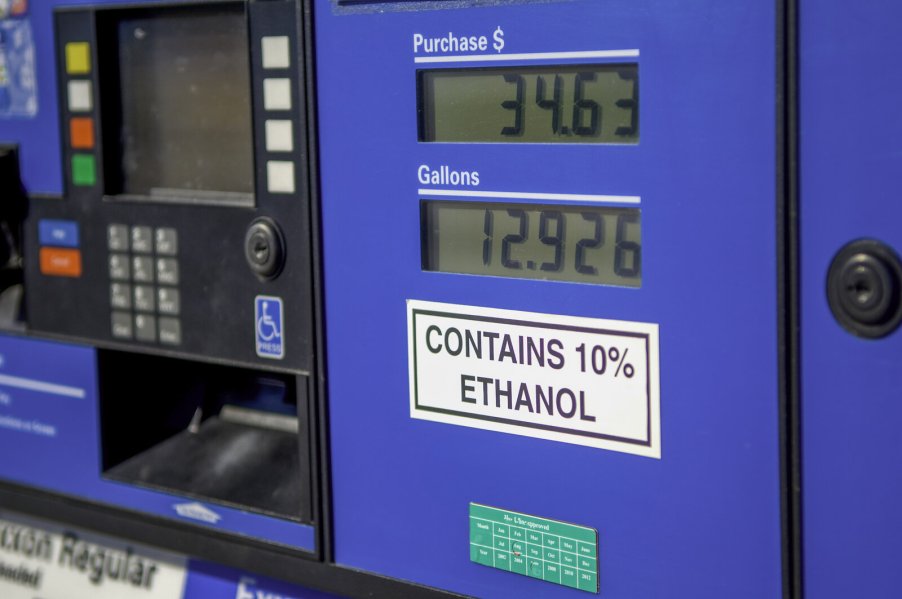
You might notice modern gas stations advertising “E10.” This is a type of regular, unleaded fuel with 10% ethanol blended in. You might also see pumps labelled “E85.” Following the code, that’s a much higher percentage of ethanol. But why do we blend a corn-based liquid compound into our gasoline, you ask?
Here are 5 truths behind our now standardized use of ethanol-blended fuel:
1. Energy security
In the 1970s, the oil embargoes exposed just how vulnerable the U.S. was to foreign oil. Lawmakers wanted a “homegrown” supplement to gasoline. Ethanol, made largely from corn, fit that bill. It reduced reliance on imported oil.
2. Farm support
Corn is the backbone of American agriculture, especially in the Midwest. Creating a guaranteed market for corn through ethanol production stabilized farm incomes and rural economies. Many political observers note that farm-state lobbying has been one of the strongest forces behind mandates.
3. Environmental goals
In the 1990s and early 2000s, ethanol was seen as a cleaner alternative to MTBE, an earlier gasoline additive that contaminated groundwater. The compound boosted octane and reduced some tailpipe pollutants.
Later, it was also pitched as a way to lower greenhouse gas emissions, though how effective it is depends on how you calculate the full life-cycle emissions.
4. The Renewable Fuel Standard (RFS)
The Energy Policy Act of 2005 created the first version of the RFS, requiring refiners to blend a set volume of renewable fuels (like ethanol and biodiesel) into the fuel supply.
The Energy Independence and Security Act of 2007 expanded it dramatically. This law still shapes today’s ethanol market, setting blending requirements every year.
5. Political reality
Corn states like Iowa play an outsized role in presidential politics because of the early caucuses. Supporting ethanol has become a bipartisan ritual, regardless of broader debates about its environmental benefits.
When to run 100% ethanol-free
There are a few situations where paying extra for pure gasoline makes sense:
Classic cars and small engines: Modern fuel blends attract moisture and can degrade rubber seals and gaskets over time. Older vehicles, boats, lawn mowers, and motorcycles often last longer when fed ethanol-free fuel.
Seasonal equipment: Engines that sit for months, like snowblowers, ATVs, or generators, are prone to gumming and corrosion if left with ethanol blends. Pure gasoline stores more reliably.
You want maximum fuel economy: Ethanol contains less energy per gallon than gasoline. Running free can bump up miles per gallon slightly, especially on long highway drives.
Special performance needs: Some tuners and pilots (in piston aircraft certified for auto fuel) prefer ethanol-free for consistent combustion and stability.
For everyday commuting in modern cars, E10 (10% ethanol) is generally fine. But when storage, longevity, or delicate machinery is involved, E-less earns its higher price tag.
So, to answer the Redditor’s question about their 2025 Jeep Wagoneer rental, running ethanol-free fuel is generally unnecessary
The Wagoneer’s engine is designed to run on E10, and its fuel system and gaskets are optimized for ethanol blends. Using E10 won’t harm the vehicle. In fact, rental agreements usually require recommended fuel, which is regular unleaded with up to 10% ethanol.
By the way, E85 is a total no-go for any car that’s not specified as a “flex-fuel”
E85 ontains much less energy per gallon than E10, so mileage drops significantly unless the car is tuned for it. Ethanol burns hotter and can affect engine tuning, fuel lines, and emissions systems in non-flex-fuel vehicles.
Plus it’s rarely found outside the Midwest, so availability can be limited.
In any case, paying extra for ethanol-free gas offers little benefit in a modern Wrangler. Fuel economy and performance gains are minimal. You could run it if you want, but it’s really not practical.
So unless you plan to store a Jeep for months or use special modifications, sticking with regular E10 is the smarter choice.