5 Police Commands You Can Legally Refuse During a Traffic Stop
You might be able to save some time and hassle during a traffic stop by knowing your rights. Sometimes, police officers will request things or ask questions that you’re legally allowed to say no to. It’s okay to prioritize your safety.
Five police commands you can say no to
Just a quick reminder, here. The MotorBiscuit team is a bunch of gear heads and nerds. Get a lawyer for legal advice. It’s still important to know your rights.
1. “Put your phone down.”
If you get pulled over, you are allowed to document the process. In an outdoor public space or on private property with the owner’s permission, you can film and photograph an officer.
According to Just Criminal Law, you can say no if they ask you to stop filming or to put your phone down. Then they need a warrant to view your videos and photographs. So, if they ask to see your phone without a warrant, you don’t have to hand it over.
2. “Can I search your vehicle?”
Unless an officer has a warrant or probable cause to search your vehicle, you don’t have to let them look around in there. Probable cause refers to seeing or smelling illegal items in plain sight.
You can say, “I do not consent to a search of my vehicle. Also, you don’t have to provide a reason to refuse consent. Even if they threaten you with getting a warrant later. But stay calm, don’t argue, and don’t resist.
3. “Roll your window down all the way.”
During a traffic stop, you don’t have to roll your window down all the way. You can partially open it to pass documents back and forth. However, you don’t have to give the officer space to reach inside the vehicle if you feel unsafe.
Rolling your window down a little bit is important for proper communication. You do need to hear each other. Also, you are allowed to ask questions and can ask for another cop to come to the scene if you feel nervous.
4. You can remain silent
Police officers might come up to you with multiple questions about where you’re going, if you’ve been drinking, or how fast you were going. But you have the right to remain silent. Politely mention that you’re exercising the right to remain silent and ask to speak to your lawyer.
Refusing to answer questions doesn’t provide probable cause. You can’t be arrested or detained for simply refusing to answer questions.
5. “Unlock the door.”
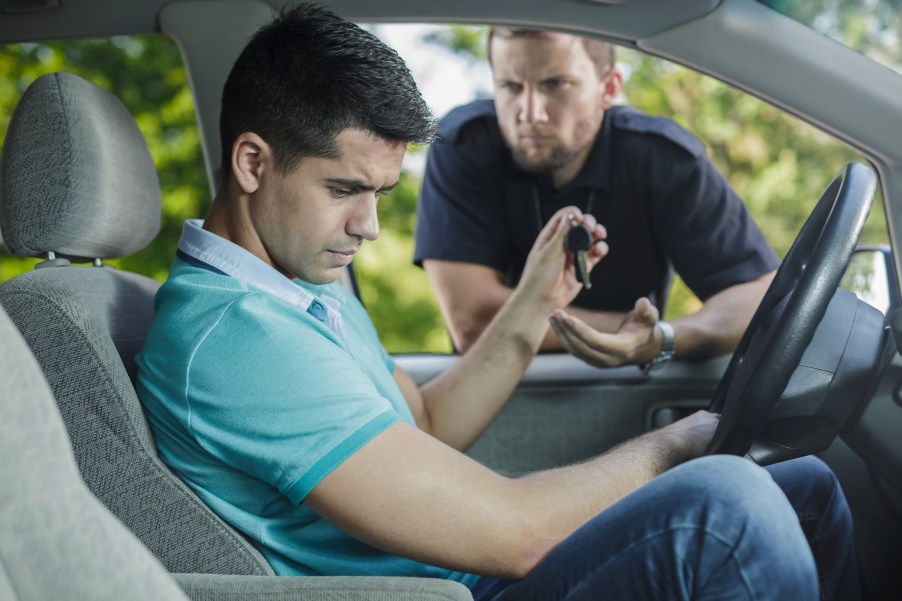
Police officers can remove drivers from their vehicles during a traffic stop. If they ask you to step out of the car, it’s typically because they feel unsafe. But that doesn’t mean they can go through your things.
You can lock your car doors and refuse their search requests if they lack a warrant or probable cause. You don’t have to unlock your trunk or glove box for them.