20 Times The USS Enterprise Displayed Its Naval Prowess
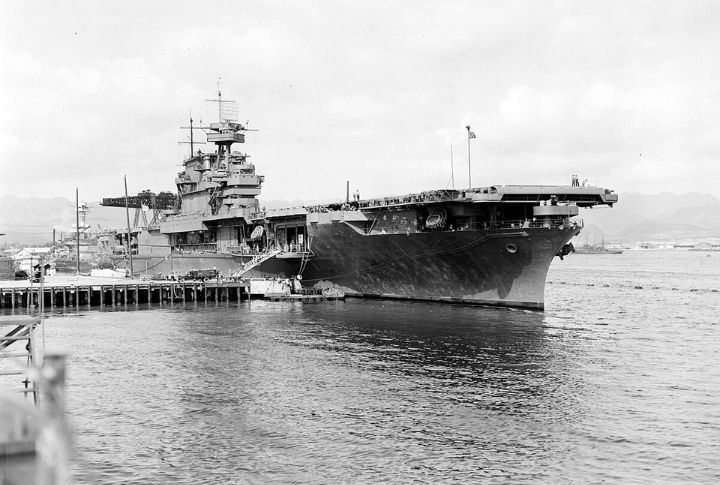
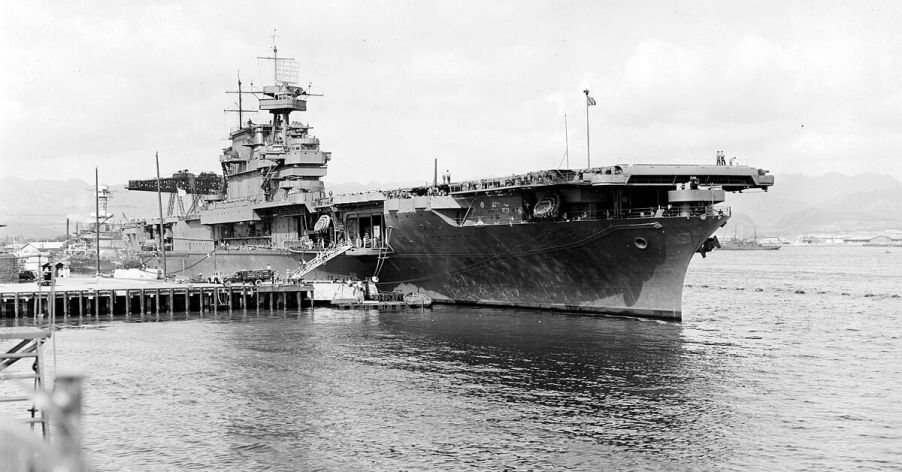
The USS Enterprise (CV-6) was one of the most distinguished U.S. aircraft carriers. During WWII, it sank 70 enemy ships and damaged many more. Its technological advancements and the bravery of its crew contributed to its success. Here are 20 of the most significant missions undertaken by CV-6 and the feats accomplished.
Engagement in the Indian Ocean
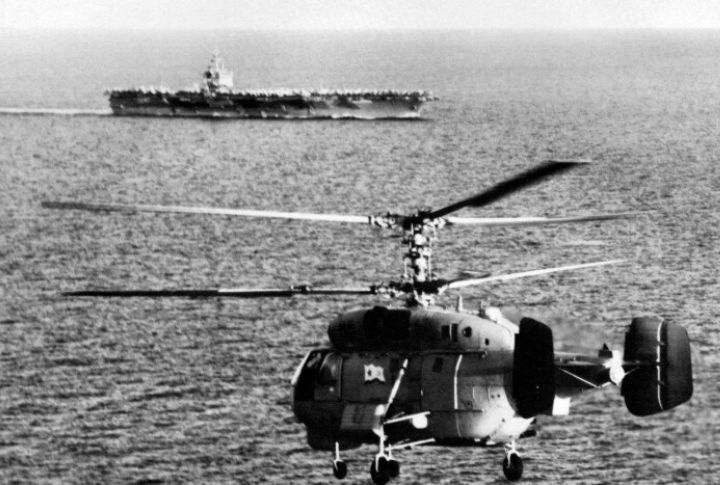
Allied forces, primarily the British Royal Navy, faced off against the Imperial Japanese Navy from March to April 1942. Japan wanted to expand its reach but faced strong opposition. As part of the American support for the British, the Enterprise’s aircraft joined the campaign and helped overcome the enemy.
Operation at the Coral Sea
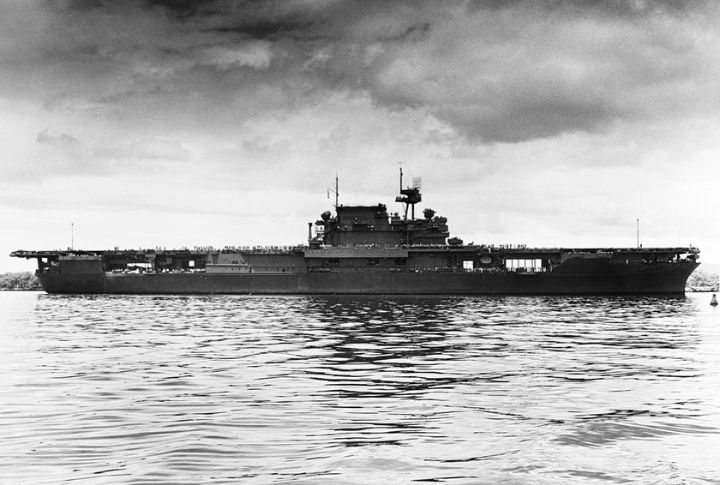
From May 4 to 8, 1942, the Japanese sought control over New Guinea and the Solomon Islands. The Allied forces, however, blocked these advancements and protected Australia from Japanese incursion. Despite being heavily shelled, CV-6 survived multiple Japanese assaults, destroyed the Japanese Shoho, and damaged the Shokaku.
Port Moresby Operation
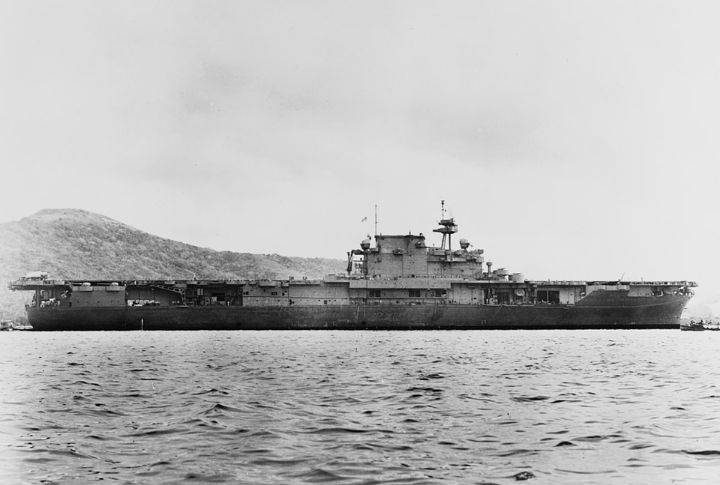
Around the same time as the Coral Sea engagement, the USS Enterprise joined the Allies to thwart Japan’s invasion of Port Moresby. Tasked with providing air support, the aircraft carrier launched offensives against the enemy’s fleet. Its air wing contributed to the destruction of the Japanese carrier Shoho.
Engagement at Midway
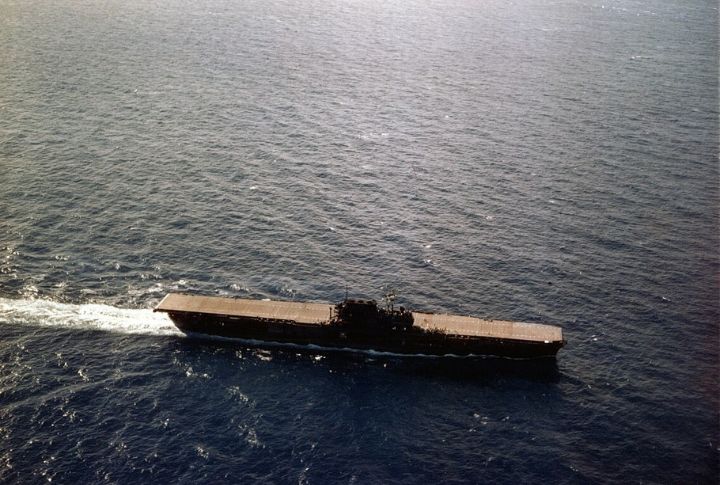
The Battle of Midway, fought from June 4 to 7, 1942, was a turning point in the Pacific. Along with the USS Yorktown and USS Hornet, the Enterprise crippled the Japanese fleet. They launched waves of dive bombers and torpedo planes, which heavily damaged four Japanese aircraft carriers, including the Akagi and Kaga.
Guadalcanal Campaign
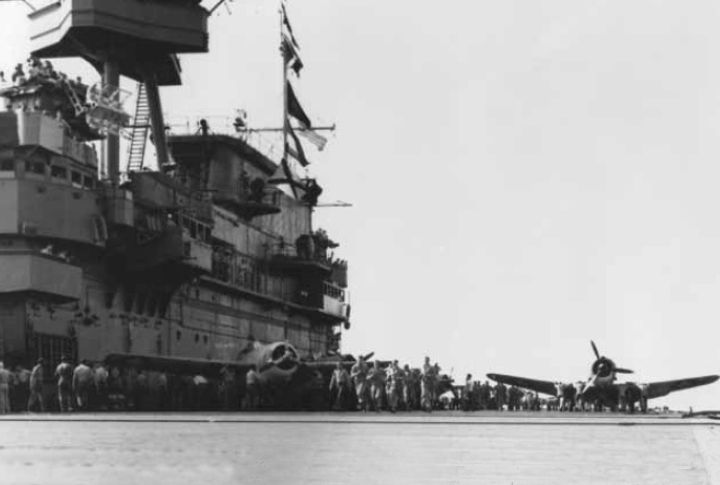
Between August 7, 1942, and February 9, 1943, Enterprise’s aircraft targeted multiple Japanese vessels, including the heavy cruiser Kinugasa. The carrier’s air groups struck the Japanese Navy and prevented reinforcements and supplies from reaching the besieged forces on the island. Despite sustaining heavy damage, the ship’s resilience prevailed.
Eastern Solomons Conflict
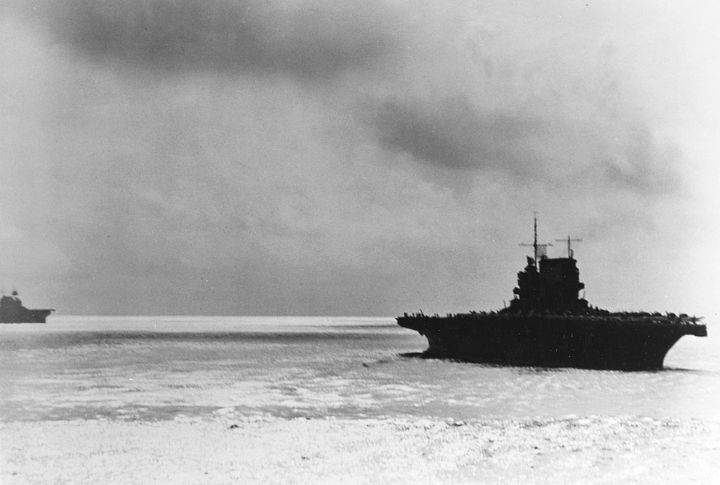
On August 24, 1942, the Enterprise and other carriers neutralized Japanese threats and safeguarded Allied supply lines. Its strikes eliminated the aircraft carrier Ryujo, impaired Japanese aircraft, and halted attempts to invade the Solomon Islands. Though the carrier sustained minor setbacks, its air group achieved a high success-to-loss ratio.
Santa Cruz Islands Operation
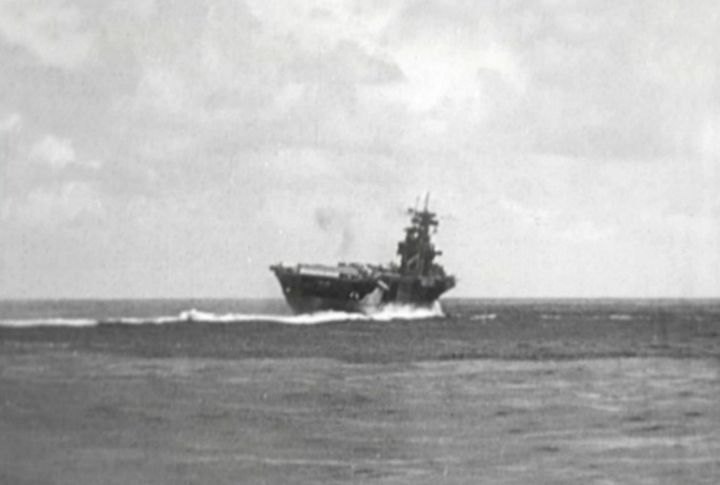
The fourth carrier engagement, fought on October 26-27, 1942, saw intense aerial and naval clashes. The USS Enterprise, one of only two operational U.S. carriers in the region, launched multiple waves of aircraft that inflicted severe damage on the Japanese carriers Shokaku and Zuiho, temporarily halting their offensive capabilities.
Wake Island Mission
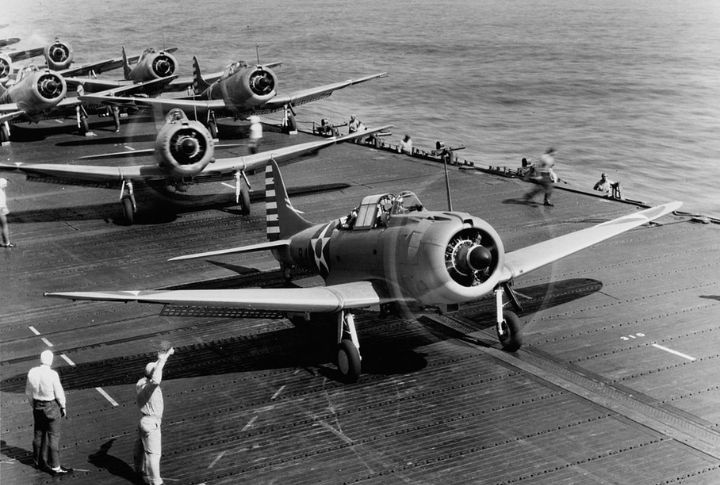
Wake Island, a strategic U.S. outpost in the Pacific, was seized by the Japanese hours after the assault on Pearl Harbor. Before the capture, the Enterprise delivered a Marine fighter squadron and vital supplies to Wake Island. However, several challenges prevented the Enterprise-led relief force from reaching Wake in time.
Bougainville Engagement
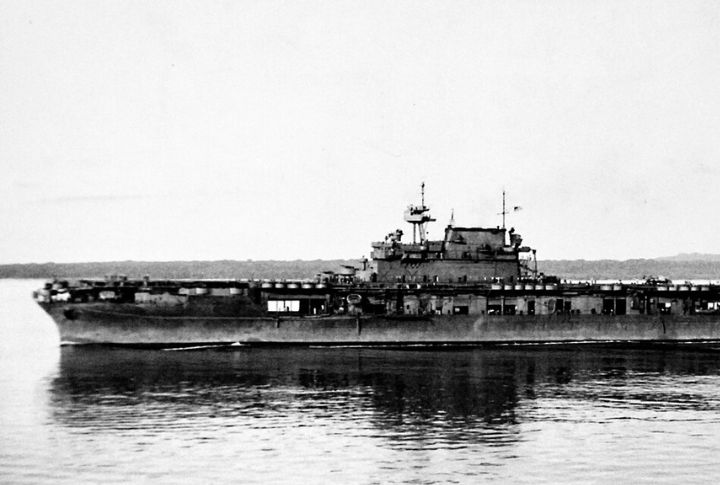
The USS Enterprise was actively involved in the Battle of Bougainville, which occurred from November 1, 1943, to August 21, 1945. Allied forces sought to secure the island of Bougainville, and the carrier contributed to their success. It provided air support and conducted numerous strikes against Japanese positions on the island.
Operation Galvanic
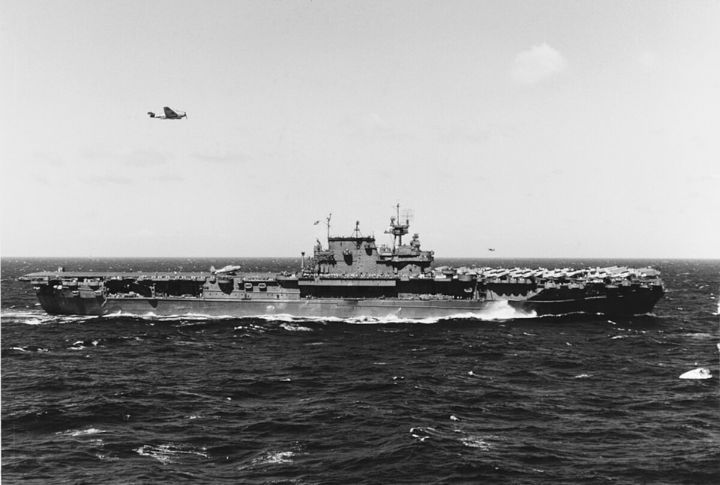
During Operation Galvanic, the USS Enterprise demonstrated its superiority once again. Launched by the United States in November 1943, the goal was to secure the Gilbert Islands, particularly the island of Tarawa. The carrier’s air missions helped dismantle Japanese airfields, naval assets, and supply lines, contributing to the victory.
Kwajalein Operation
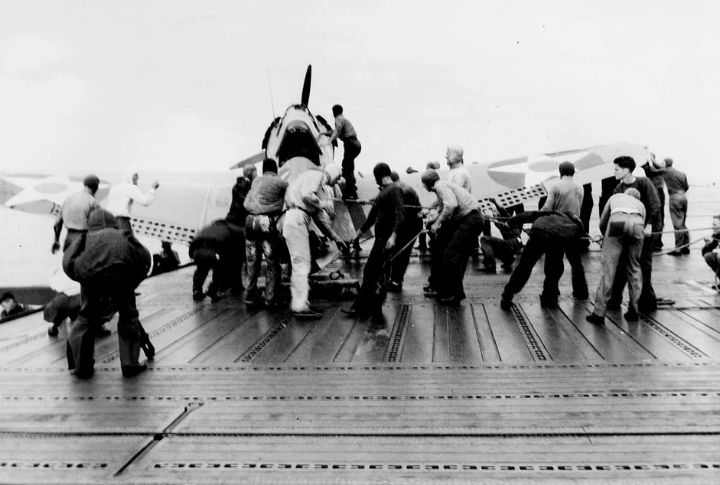
This engagement centered on the Kwajalein Atoll, a critical Japanese defensive base. The U.S. forces aimed to capture this location and allow for further advances toward the Japanese home islands. Fighter groups and bombers from the Enterprise provided air cover for the landing forces, ensuring the success of the amphibious invasion.
Raid on Truk Lagoon (Operation Hailstone)
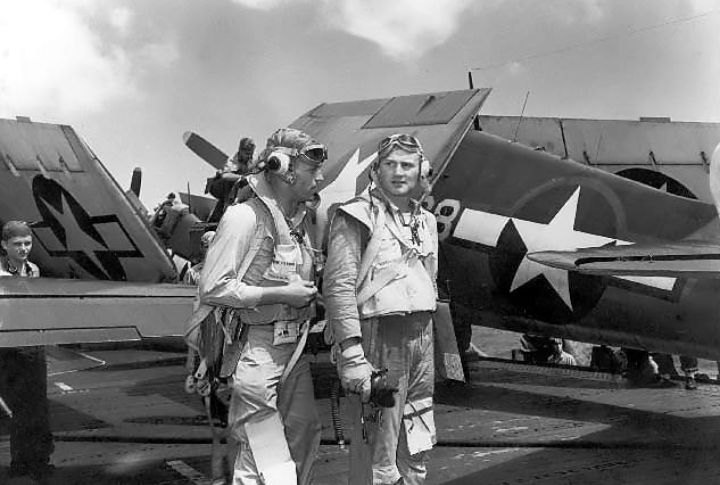
Truk Lagoon was a strategic Japanese stronghold in Caroline Island. Seeking to overwhelm the base, the U.S. Navy initiated Operation Hailstone. It involved the USS Enterprise, contributing its air wing to the assault. At least 275 enemy aircraft and numerous ships were destroyed during this operation.
Engagement at Saipan
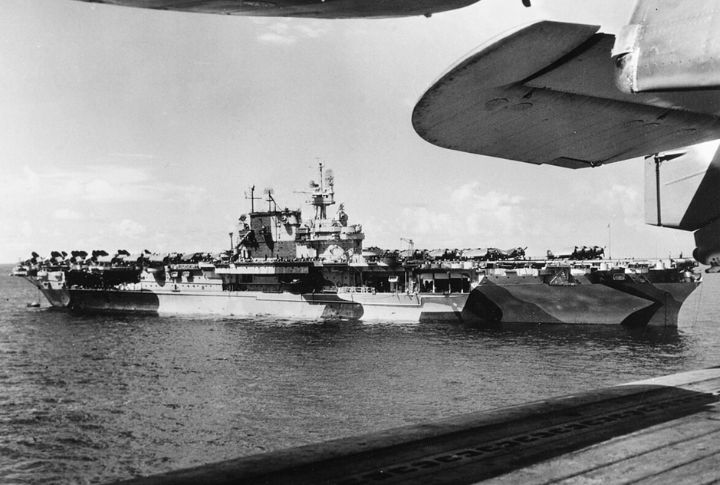
CV-6 played a major role in the Battle of Saipan. The carrier targeted Japanese naval and air units attempting to reinforce the island. Capturing Saipan in the Mariana Islands was a critical goal for the U.S., as the island would provide air bases for raids on Japan’s home islands. Japanese forces fiercely resisted, and the campaign was marked by heavy losses.
Marianas Campaign
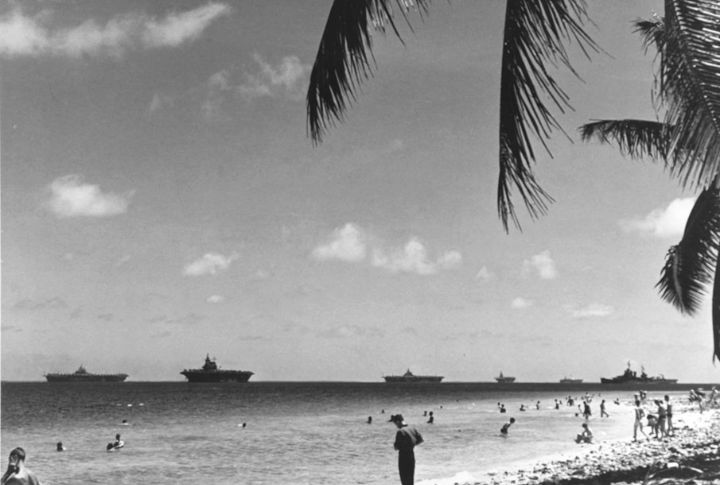
The Marianas Campaign occurred between June 15 and July 2, 1944. U.S. forces sought to capture Saipan, Tinian, and Guam, and the Enterprise joined the effort. Its fighter pilots neutralized numerous Japanese planes while anti-aircraft gunners defended against kamikaze strikes, ensuring the fleet’s operational effectiveness.
Philippine Sea Engagement
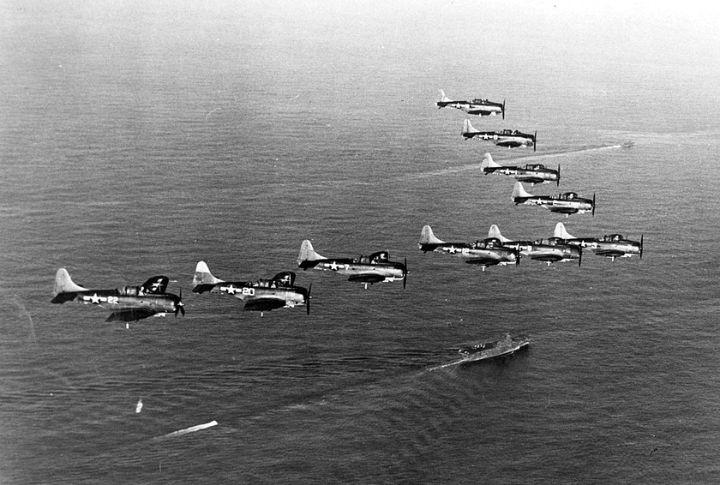
Known as the “Great Marianas Turkey Shoot,” the Philippine Sea conflict was one of the largest carrier battles in history. Fierce fighting raged from June 19 to 20, 1944, and CV-6 helped eliminate hundreds of Japanese aircraft, significantly reducing Japan’s aerial capabilities.
Palau Islands Operation
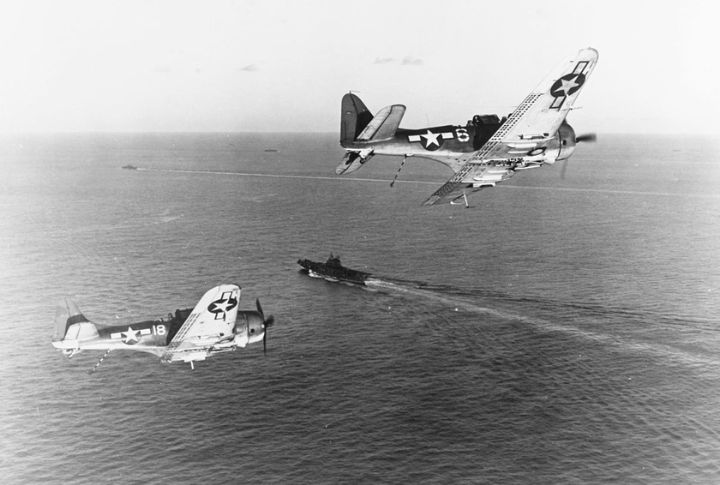
Peleliu and Angaur were targeted as part of the U.S. Navy’s strategy to advance toward the Philippines. Japanese forces heavily fortified the islands but were eventually overrun. CV-6 didn’t join the initial amphibious landings; however, it helped dismantle the enemy’s ability to counterattack.
Engagement at Formosa
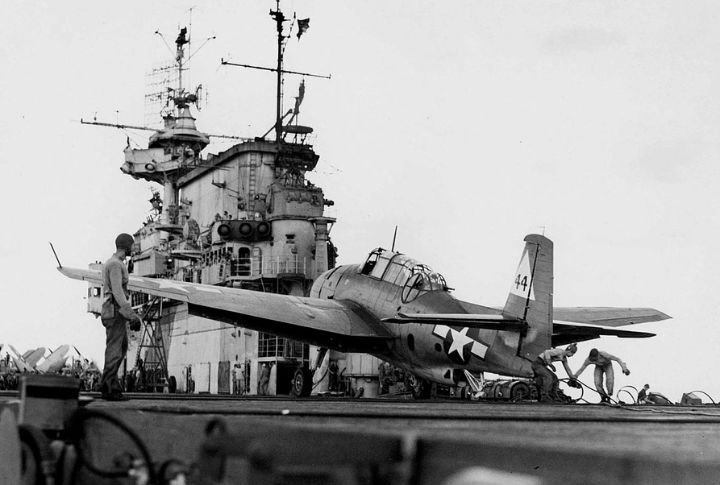
This engagement was part of the Pacific campaign. It involved United States Navy forces attempting to dismantle the Japanese stronghold on Formosa (modern-day Taiwan) and block Japanese supply lines from reinforcing the Philippines. The USS Enterprise’s air group destroyed several Japanese vessels, including the Chuyo, and damaged numerous others.
Leyte Gulf Campaign
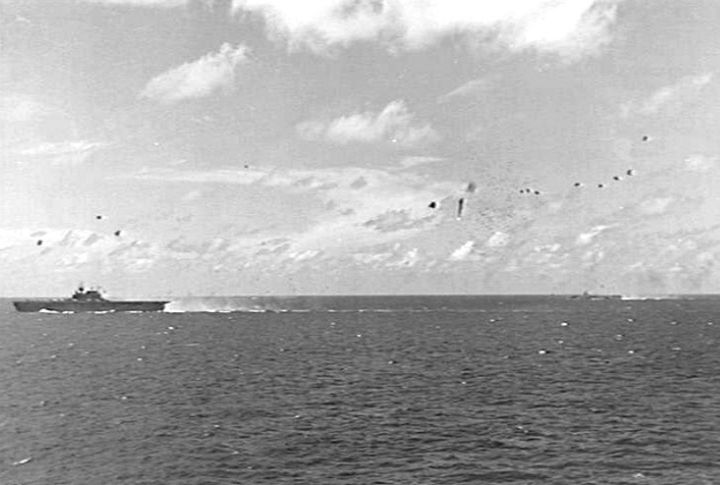
Between October 23 and 26, 1944, the Japanese Navy launched Operation Sho-Go to repel the Allied invasion of Leyte. They deployed decoys to distract U.S. carriers while other fleets targeted Allied landing forces. CV-6, however, joined other carriers in thwarting the Japanese decoys, heavily damaging and sinking their vessels.
Engagement at Iwo Jima
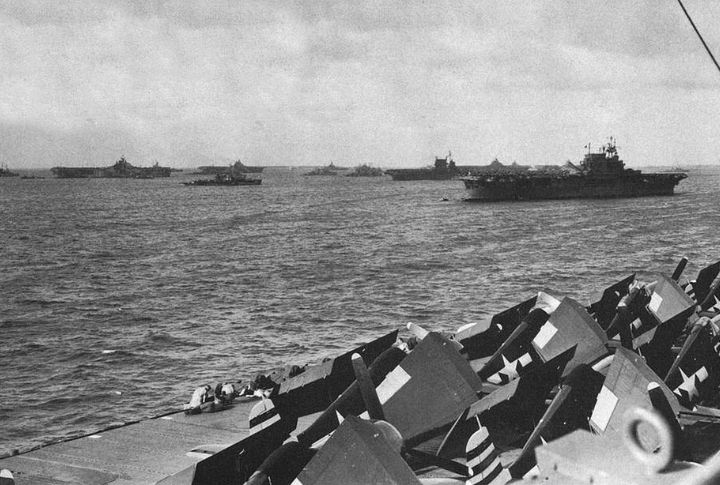
American forces fought this battle from February 19 to March 26, 1945, to secure Iwo Jima. During the campaign, the Enterprise provided air support by launching fighter and bomber missions that disrupted Japanese defenses. The island was pivotal for its airfields, which could support battle campaigns and provide emergency landing sites.
Okinawa Campaign
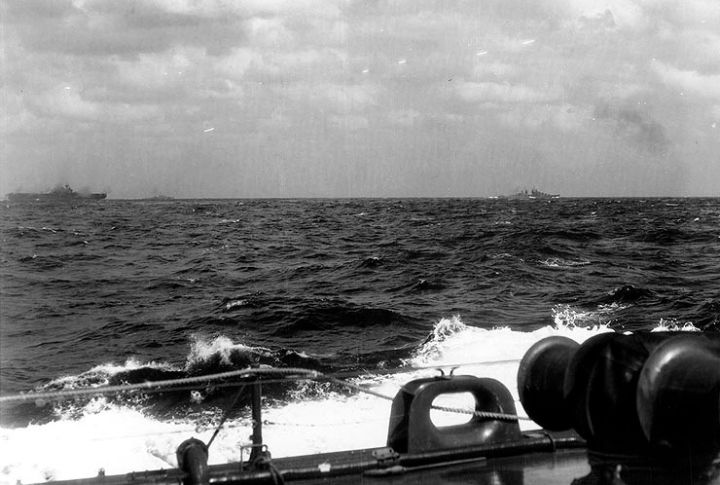
It was one of the most intense engagements of the Pacific Theater during WWII. America’s carrier, the Enterprise, dispatched sorties targeting Japanese fortifications, airfields, and shipping. This operation lasted from April 1 to June 22, 1945, and involved over 180,000 U.S. personnel.