20 Times Electric Versions of ICE Cars Let Fans Down

Not every electric car can spark joy, even if it’s wearing the badge of a beloved gas-guzzler. Some EV versions of iconic vehicles just couldn’t live up to the hype, leaving fans scratching their heads. Let’s cruise through 20 electrified flops that struggled to match the glory of their internal combustion engine (ICE) counterparts.
Ford Focus Electric
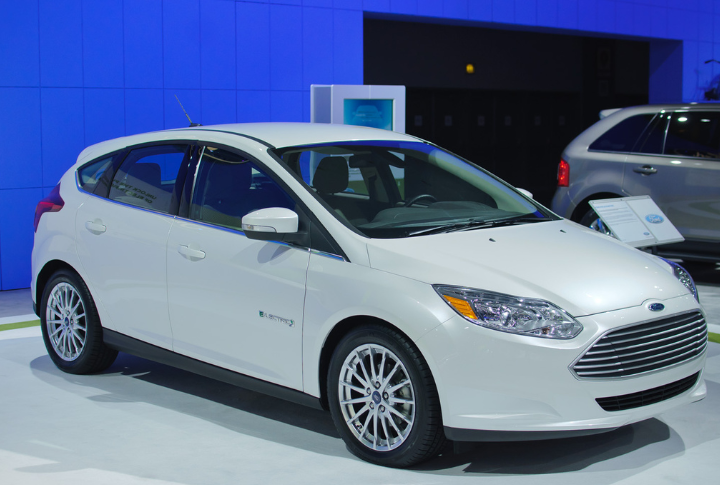
The gasoline Ford Focus was a reliable favorite, but its EV sibling felt more like an afterthought. With a limited range and a hefty price tag, this electric version failed to excite buyers. Enthusiasts who loved the zippy nature of the original were left disappointed by its electrified, sluggish iteration.
Chevy Spark EV

While the gas-powered Spark was all about affordability and charm, its electric counterpart struggled to find an audience. Cramped interiors, lackluster performance, and a niche appeal meant the Spark EV fizzled out faster than it could charge. It never quite lit up the market as Chevrolet had hoped.
Fiat 500e

The iconic Fiat 500 had Italian flair, but the 500e’s electric ambitions were stifled by practicality issues. Its limited range and inflated price tag made it a tough sell. Fans of the stylish gas version found the EV’s compromises hard to overlook, especially with better options elsewhere.
Smart EQ Fortwo

Shrinking a car into micro dimensions works—sometimes. The Smart Fortwo’s gas version had its charm, but the electric EQ Fortwo struggled to offer much beyond novelty. Its limited range and lack of practicality for American drivers made it less of a revolution and more of an interesting curiosity.
Honda Clarity Electric

While the Clarity lineup showed promise, the fully electric model failed to deliver on its potential. With a subpar range barely exceeding 80 miles, it was quickly overshadowed by more competitive EVs. The Clarity Electric lacked the versatility and performance expected from the brand, making it more of a miss than a hit.
Toyota RAV4 EV
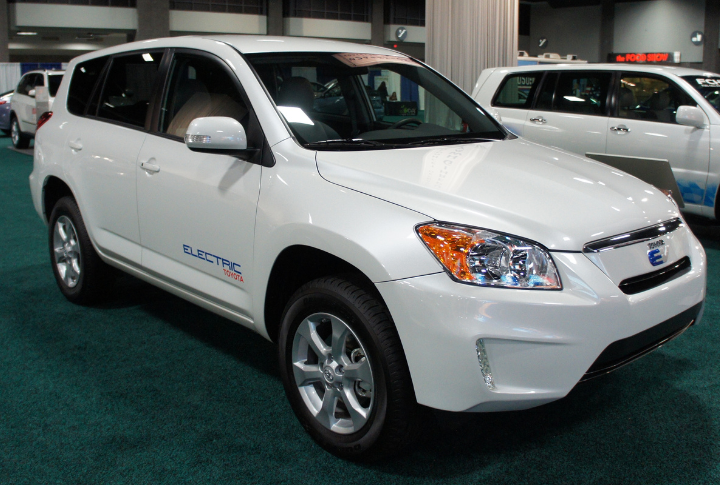
The RAV4’s ICE version dominated the SUV market. However, the electric RAV4 struggled to make an impact. High costs and limited availability made this EV feel like a side project rather than a serious competitor. Toyota enthusiasts eagerly awaiting an electrified adventure vehicle were left underwhelmed.
Volkswagen e-Golf
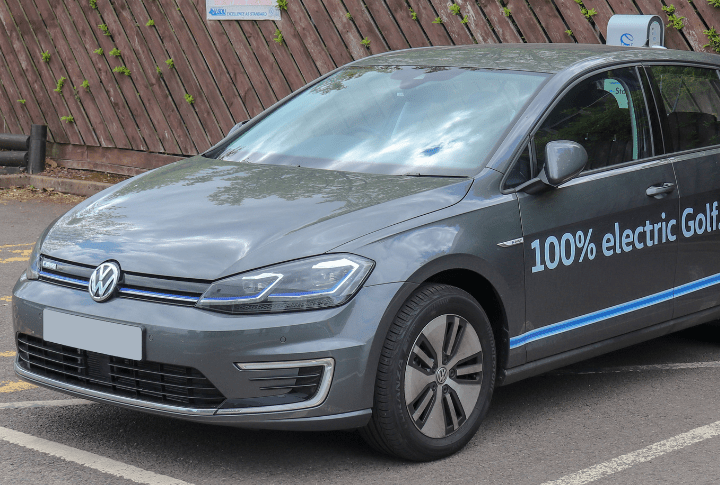
Volkswagen Golf is a household name, yet the e-Golf didn’t carry the same weight. Its decent handling couldn’t compensate for a short driving range and lack of EV-specific features. While it tried to bridge the gap between ICE and EV, it just didn’t stand out in an increasingly crowded market.
Mini Cooper SE
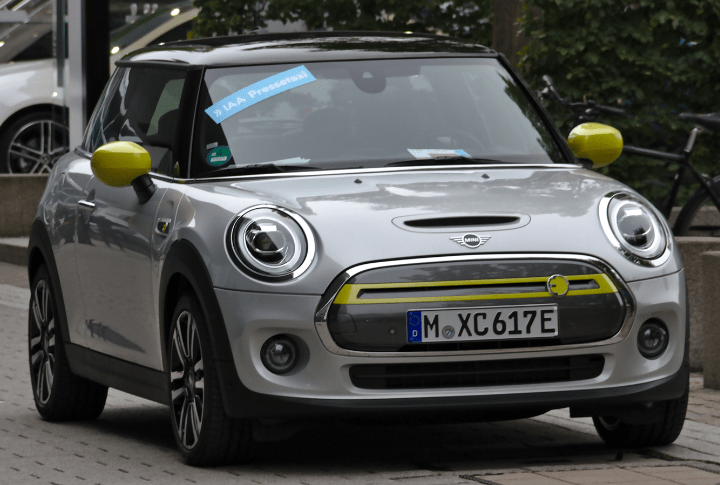
The Mini’s legendary compact fun didn’t fully translate to its electric version. Though undeniably stylish, the Mini Cooper SE’s limited range and uninspiring performance left buyers longing for the turbocharged thrills of its gas-powered sibling. Its electrified charm was overshadowed by more practical competitors.
Jaguar I-PACE
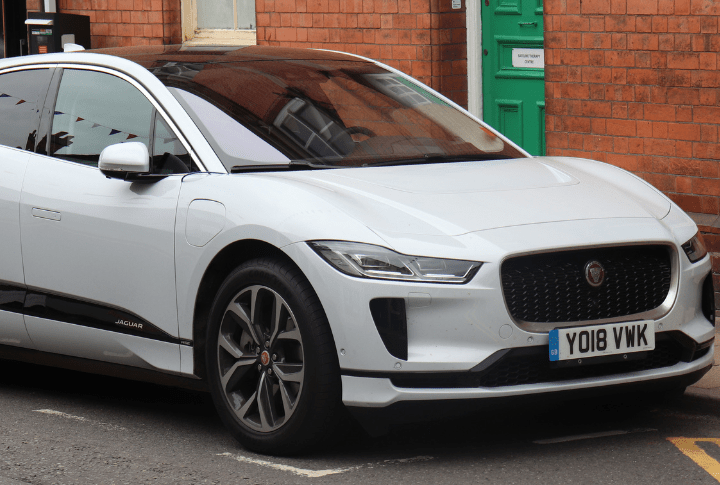
Luxury SUVs are Jaguar’s forte, but the I-PACE struggled to electrify fans. It had the looks and the price tag, but inconsistent reliability and software quirks dulled its appeal. Jaguar loyalists found it hard to justify the switch from their gas-powered rides when the EV offered more headaches than rewards.
BMW i3

The i3 was bold, quirky, and undeniably different, but that didn’t guarantee success. Their oddball design and underwhelming range alienated some BMW fans who were used to sporty sedans and SUVs. Despite its unique materials and intentions, the i3 lacked the widespread appeal of its ICE siblings.
Mercedes-Benz B-Class Electric Drive
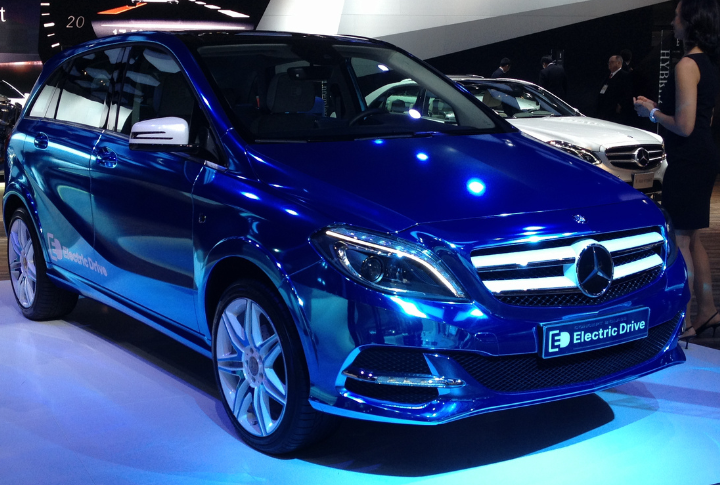
Mercedes took a swing with the B-Class Electric Drive, but it wasn’t a home run. Limited range and outdated features made this electric hatchback a hard sell. Drivers accustomed to the luxury of Mercedes sedans found the B-Class Electric less of an upgrade and more of a compromise.
Cadillac ELR
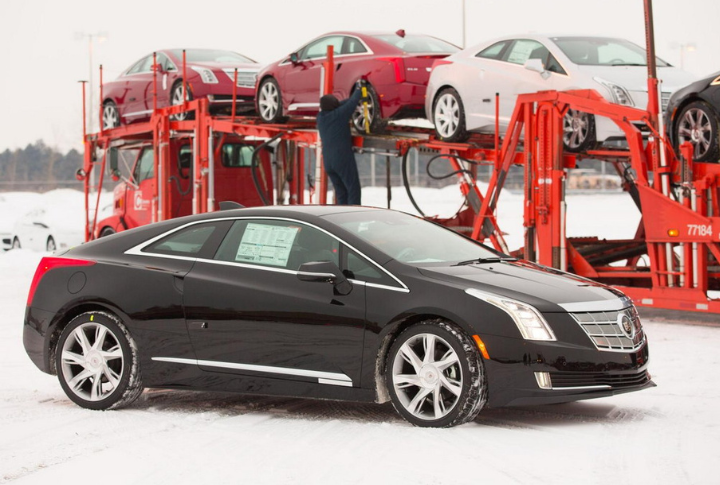
Their attempt at an electric coupe came with style but little substance. The ELR’s steep price tag and modest range made it hard to justify against rivals. Though it borrowed technology from the Chevy Volt, the ELR couldn’t match the comfort and performance expectations of Cadillac enthusiasts.
Nissan Leaf (First Generation)
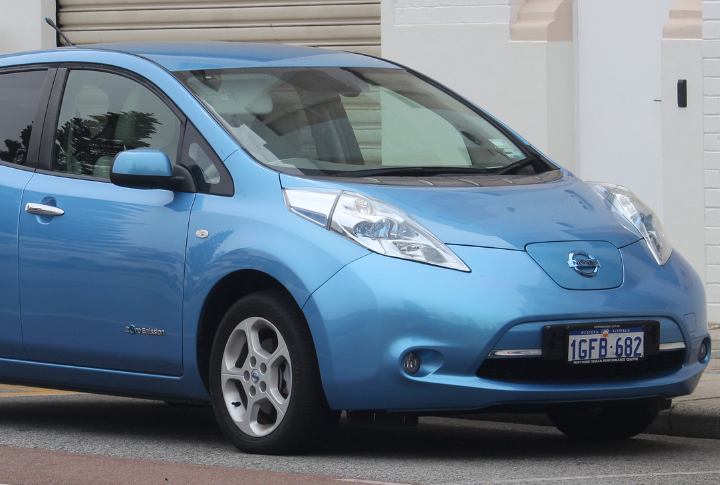
The Nissan Leaf paved the way for mainstream EVs but stumbled out of the gate with its first-gen model. A limited range and slow charging times frustrated most early adopters. Though later versions improved, the original Leaf left some fans hesitant to give up their gas-powered rides.
Chrysler Pacifica Hybrid (Electric-Only Mode)
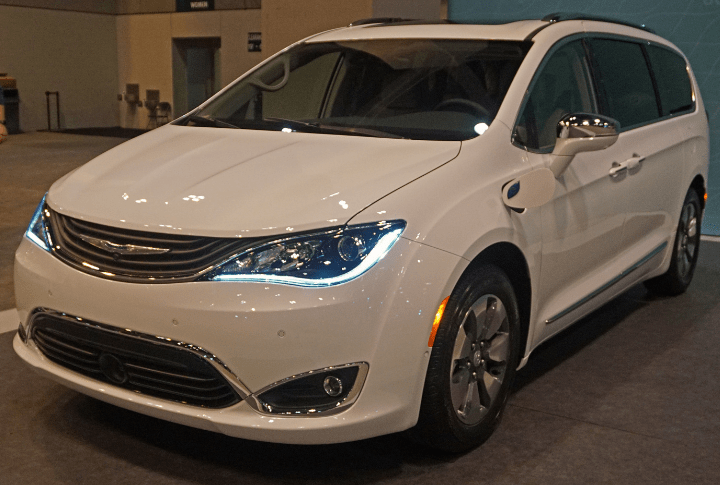
As a plug-in hybrid, the Pacifica impressed; however, its electric-only mode left much to be desired. The limited EV range and underwhelming electric performance couldn’t match the versatility of its ICE-powered sibling. While a step in the right direction, it wasn’t the game-changer many had hoped.
Hyundai Ioniq Electric
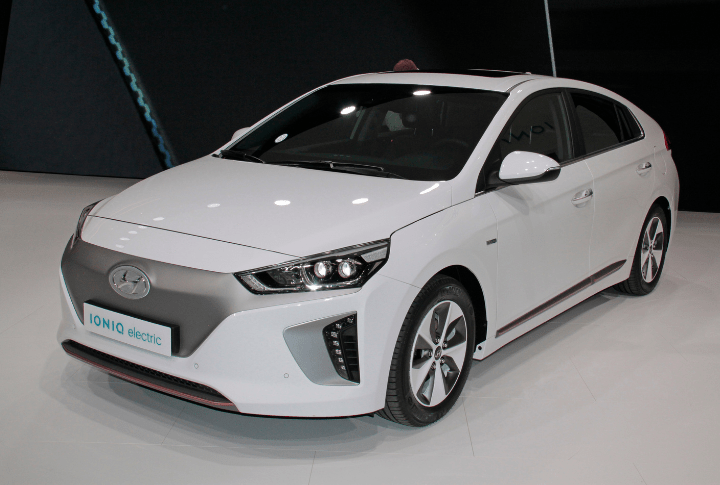
The Ioniq Electric entered the scene with high hopes yet struggled to stand out. A subpar range and uninspired driving dynamics left potential buyers unimpressed. Hyundai’s ICE models had set the bar high, and the Ioniq Electric didn’t quite clear it, overshadowed by competitors with better range and tech.
Mitsubishi i-MiEV
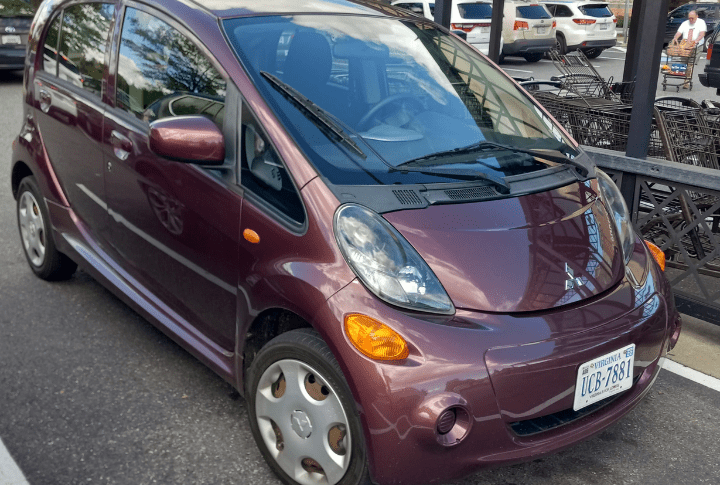
This tiny EV tried to offer affordable, eco-friendly commuting but almost immediately felt outdated. With a bare-bones interior and laughable range, the i-MiEV struggled to find a fanbase. The company’s gas-powered lineup kept chugging along, leaving this electric experiment in the dust.
Audi e-tron
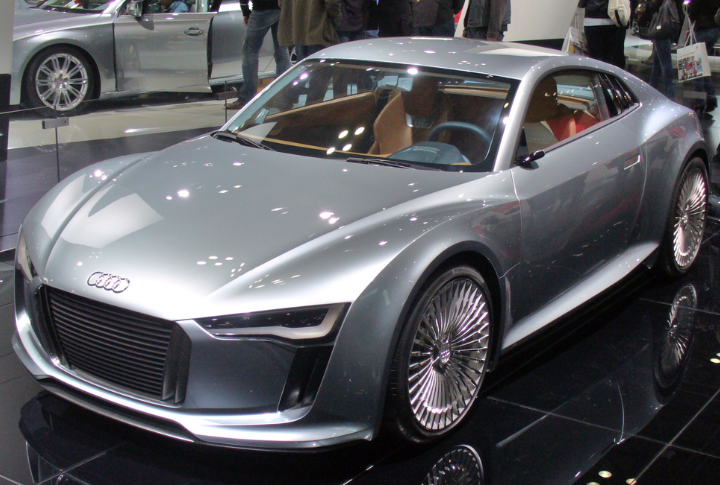
Audi’s electric sports coupe aimed for luxury but fell short on practicality. Its high price and mediocre range made it a tough sell, even for loyal Audi fans. While its ICE counterparts delivered thrilling drives, the e-tron left buyers wishing for more excitement and value in the EV world.
Kia Soul EV
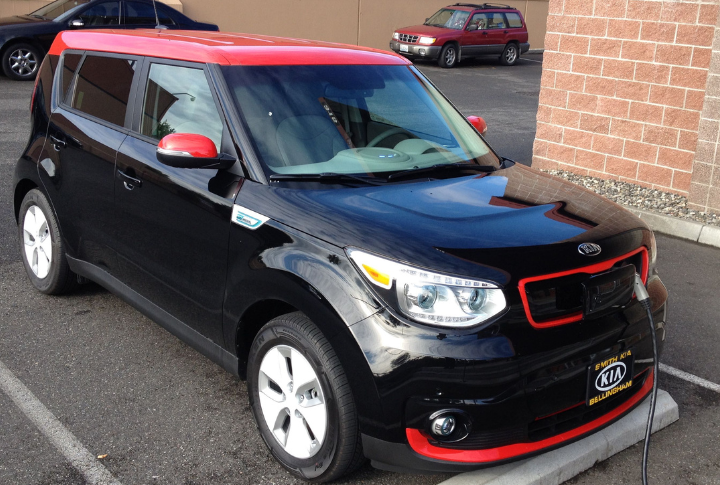
The Kia Soul’s quirky charm didn’t translate as well to its electric variant. Limited range and restricted availability made the Soul EV feel more like a novelty than a serious contender. Fans of the gas-powered Soul’s versatility found it hard to embrace this electrified version wholeheartedly.
Ford Ranger EV
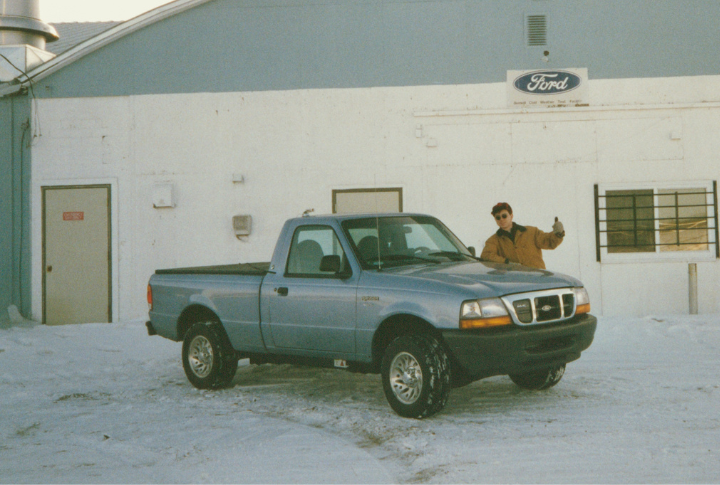
Before EV trucks became the buzz, Ford tried its hand with the Ranger EV in the late ‘90s. Based on its popular gas-powered pickup, this electric version was hobbled by a limited range and slow charging times. The Ranger EV’s practicality fell far short of what truck enthusiasts had come to expect.
Volvo XC40 Recharge
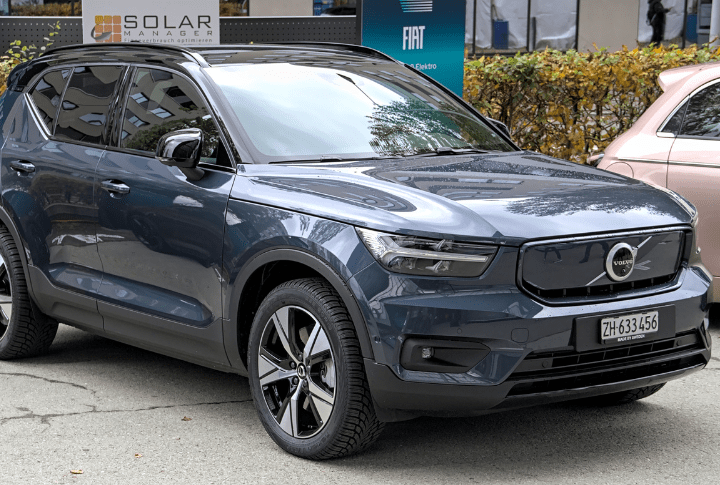
Volvo’s attempt at an electric SUV didn’t quite hit the mark. The XC40 Recharge offered decent performance but lagged in range and charging times. Fans of Volvo’s dependable gas models expected more from its electrified sibling, leaving this EV struggling to live up to its potential.