20 Milestones in the Evolution of NASCAR Cars
NASCAR cars have evolved far beyond their humble origins. What started with simple sedans has transformed into high-performance machines powered by advanced technology. From muscle cars to hybrid engines and safety innovations, the story of NASCAR’s evolution is one of relentless progress, pushing the boundaries of speed and design.
The Humble Beginnings of NASCAR Cars
NASCAR’s early cars were far from the high-tech machines we see today. They started as basic modified sedans, such as the Ford and Chevy, built for endurance, not speed. Despite their simplicity, these cars brought the thrill of racing to life, marking the start of something legendary.
Muscle Power Meets the Track
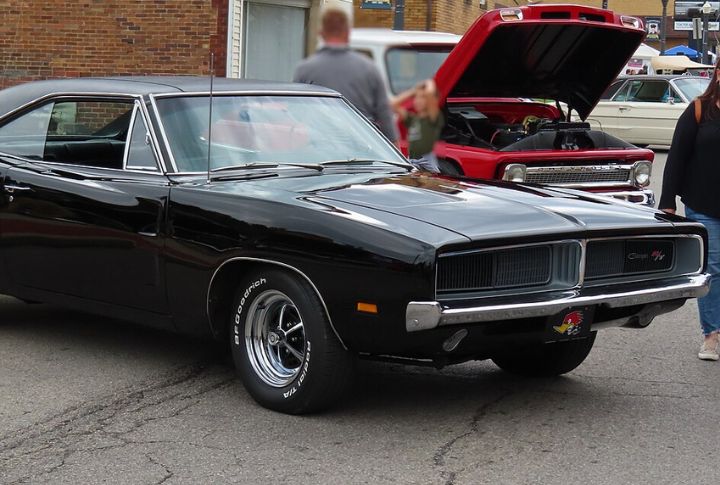
Ever wondered what it was like when muscle cars entered NASCAR? In the 1960s, cars like the Dodge Charger brought raw horsepower into the mix. These were the big boys of the track, with powerful engines that made every race feel like a battle of might, pushing the limits of speed.
Racing Safety Becomes a Priority
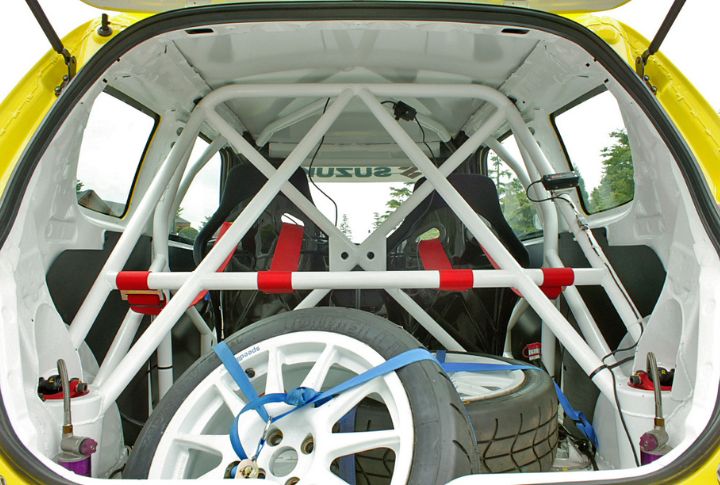
The 1970s marked a turning point for NASCAR, where safety became as important as speed. Innovations like roll cages, five-point harnesses, and fireproof suits transformed driver protection. The sport maintained its edge, proving that thrilling competition and safety could go hand in hand.
Aerodynamics Takes the Spotlight
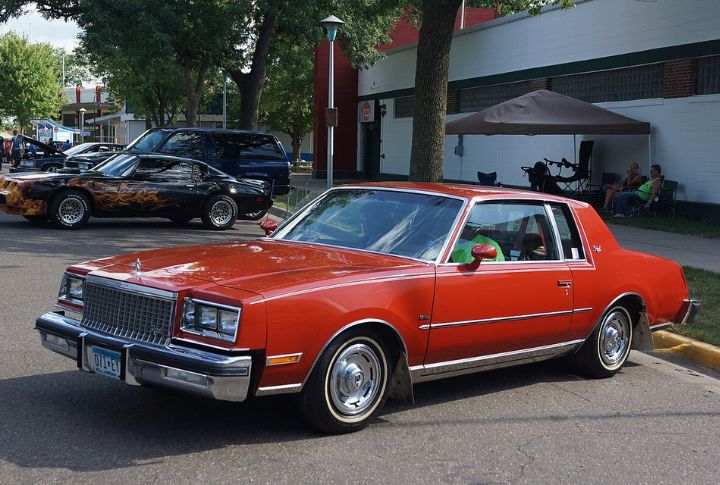
In the ’80s, it wasn’t just about raw power anymore. Teams realized that aerodynamics played a significant role. Sleek, wind-tunnel-tested designs on NASCAR cars like the Buick Regal and Ford Thunderbird allowed them to cut through the air, maintaining speed on tight turns.
Computers Start Shaping NASCAR Designs

Fast forward to the ’90s, NASCAR cars moved from handcrafted designs to computer-driven precision. Using CAD (Computer-Aided Design), teams simulated performance and made data-driven adjustments. This technological leap resulted in cars that weren’t just faster but significantly smarter in design and performance.
Car of Tomorrow Becomes Reality
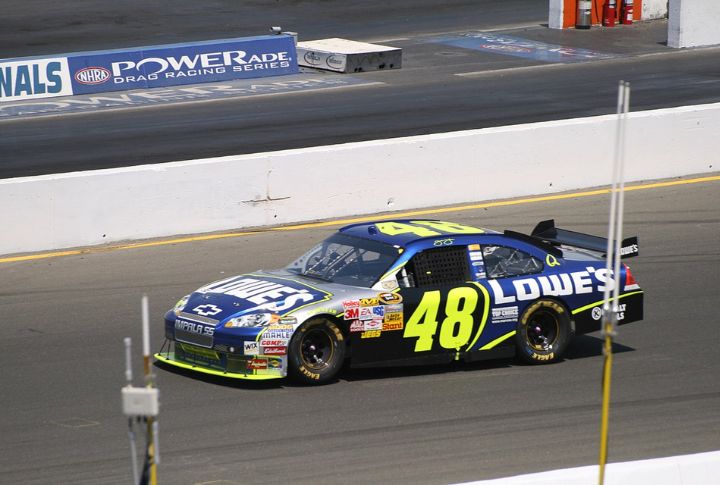
In the 2000s, NASCAR introduced the “Car of Tomorrow” (COT), focusing on driver safety. A redesigned chassis and improved crash protection made it safer and faster, representing a pivotal moment as the sport embraced modern racecar engineering.
Hybrid Tech Pops Up in NASCAR
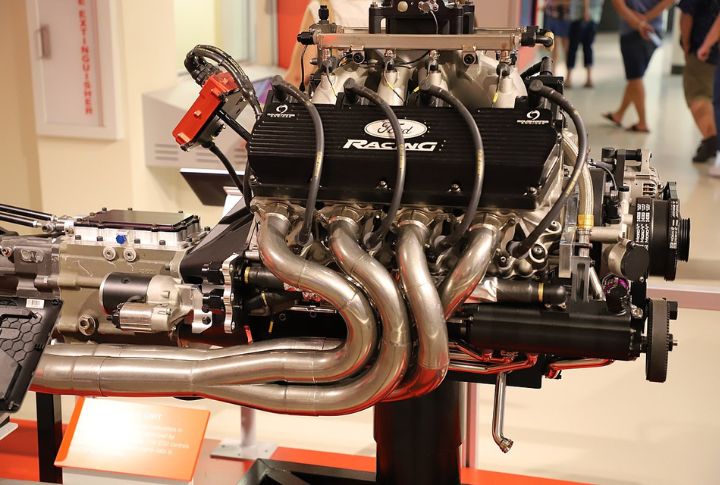
By the 2010s, hybrid tech started making waves in NASCAR. Electric motors were being explored to give drivers an extra boost. The tech wasn’t only for eco-friendly reasons; it also led to new strategies for pit stops and race tactics, shaking up the competition.
Carbon Fiber Changes the Game

When carbon fiber was introduced to NASCAR, it was a game-changer. This lightweight yet durable material made the cars stronger without weighing them down. Suddenly, cars could go faster and handle better, making the races even more unpredictable—and exciting to watch.
The Next-Gen Car Makes Its Mark
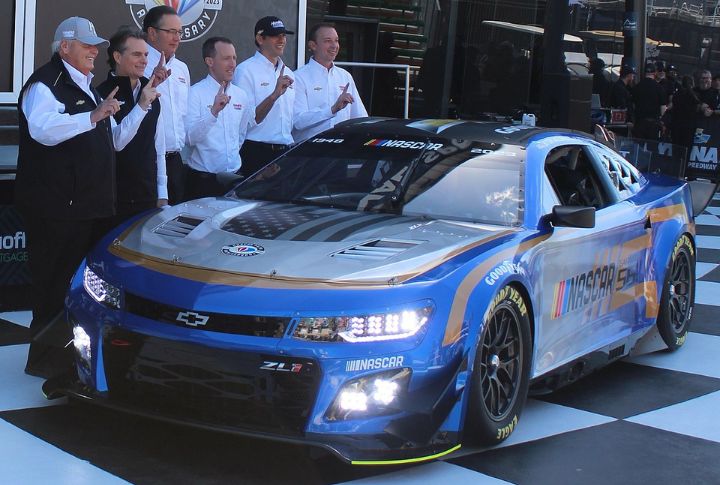
Fast-forward to 2022, and NASCAR debuted the “Next Gen” car. This model was designed to enhance everything. With a more durable body and modern tech under the hood, it promised closer racing and more opportunities for new manufacturers to join the sport.
NASCAR Engines Evolve for Better Performance
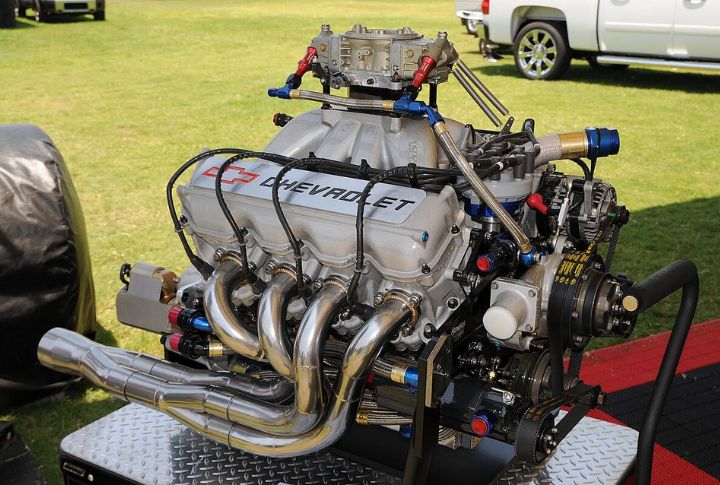
NASCAR engines have always been at the heart of the sport, and they’ve come a long way. In the past, carburetors ruled, but by the 1990s, they were swapped out for fuel injectors, offering more consistent power and better fuel efficiency. The change made the races more thrilling.
The Shift to Electronic Fuel Injection
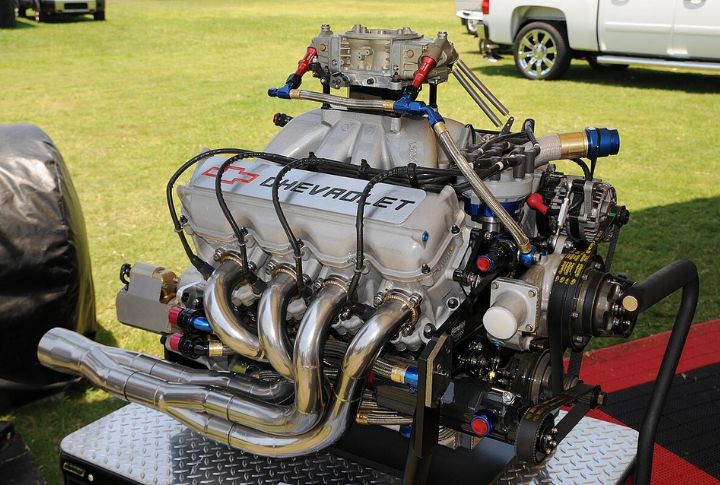
Forget carburetors—today’s NASCAR cars rely on electronic fuel injection (EFI). This tech ensures that engines get exactly the fuel they need at any given moment. More precise fueling means smoother acceleration, quicker pit stops, and, of course, faster lap times.
Tires Are More Than Just Rubber
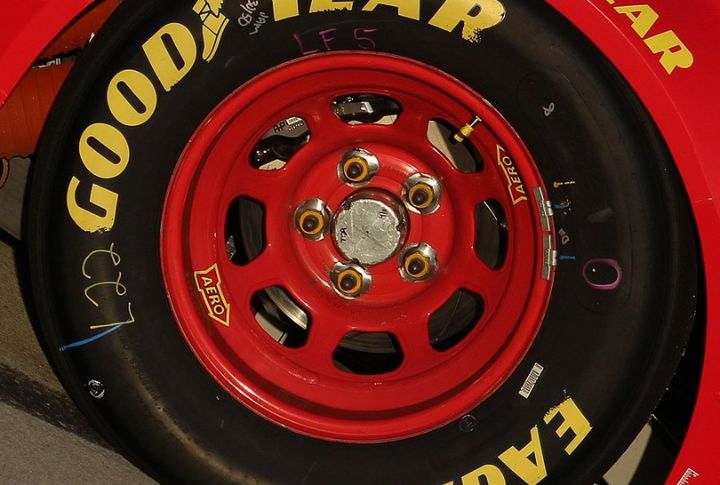
Tires are vital in NASCAR, and the technology behind them has evolved dramatically. In recent years, NASCAR has worked closely with tire manufacturers like Goodyear to develop tires that provide maximum grip while lasting through intense race conditions. Selecting the right tires can determine the outcome of a race, highlighting just how important they are.
Pit Crews: The Unsung Heroes of NASCAR
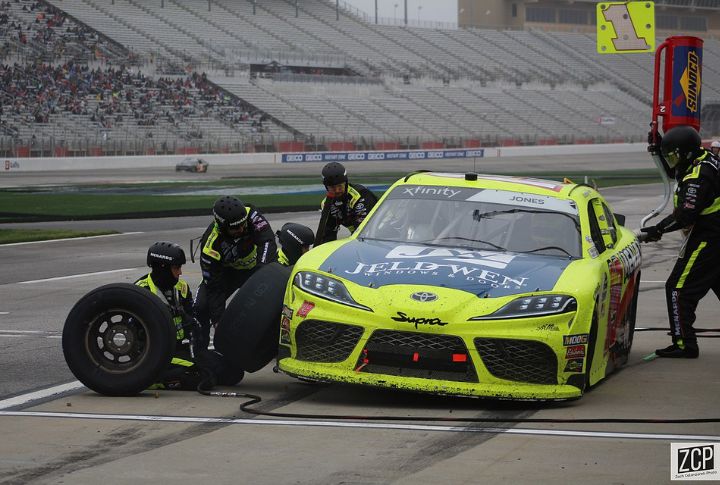
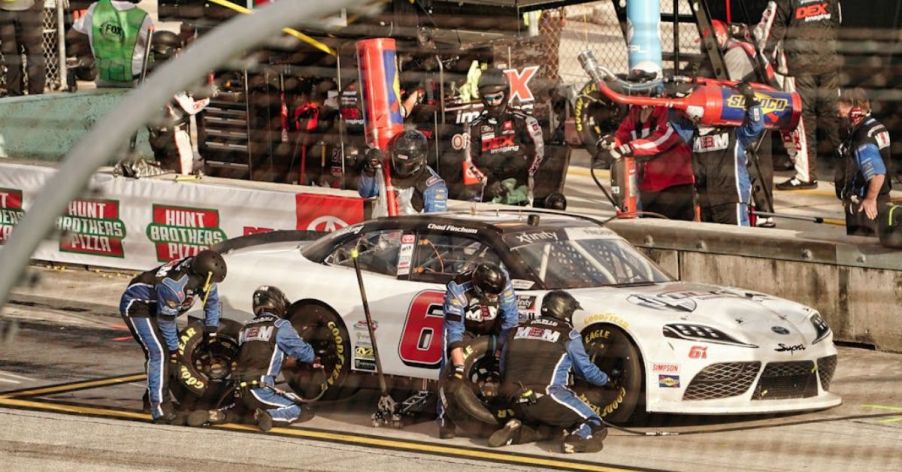
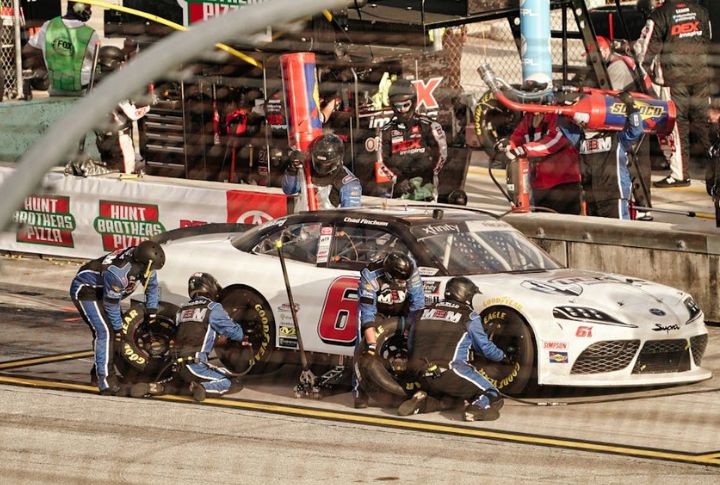
Pit crews are the unsung heroes in NASCAR. These highly trained teams can change tires, refuel, and make adjustments in mere seconds. The faster the crew, the better the chance of winning. It’s not just about speed; precision is key, and pit crews have mastered the art of perfect timing.
NASCAR Gets Greener with Biofuel

In an effort to reduce environmental impact, NASCAR made the switch to biofuels, like E15 ethanol, in the 2010s. Not only did this make the sport greener, but it also boosted performance. Racing fans got the satisfaction of knowing the sport was moving toward sustainability.
Drivers Help Design Cars
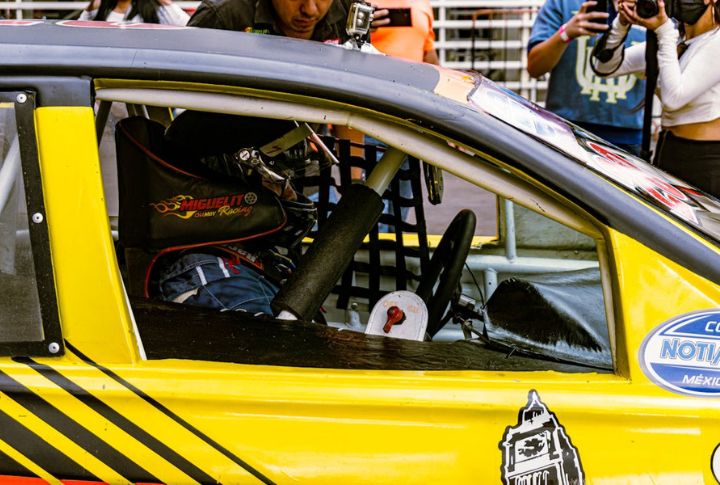
What if the drivers could design their own cars? In NASCAR, driver feedback is critical to car development. By collecting performance data, teams tweak everything from suspension to tire settings, ensuring each car is perfectly tailored to the driver’s preferences for maximum speed and handling.
Spec Cars Change the Racing Scene

In the past, stock cars were based on production models. Over time, NASCAR transitioned to spec cars, meaning all cars are now built to the same specifications. While this might sound limiting, it’s created more exciting races, with every team on a level playing field, making the competition even fiercer.
The Iconic NASCAR Engine Sound
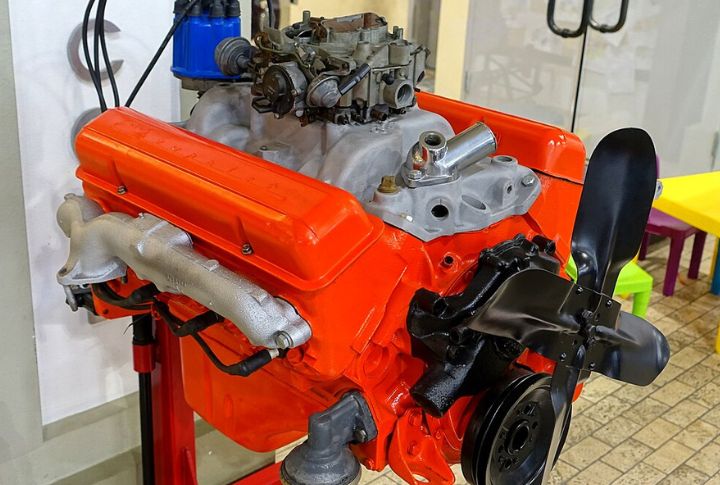
When you think NASCAR, you think of that loud, roaring engine sound. Over the years, the engines have changed, but that iconic noise remains. The shift from carbureted V8 engines to more refined fuel-injected engines hasn’t dulled the thrill—it’s just made the races sound even more intense.
NASCAR Cars Influence Regular Cars
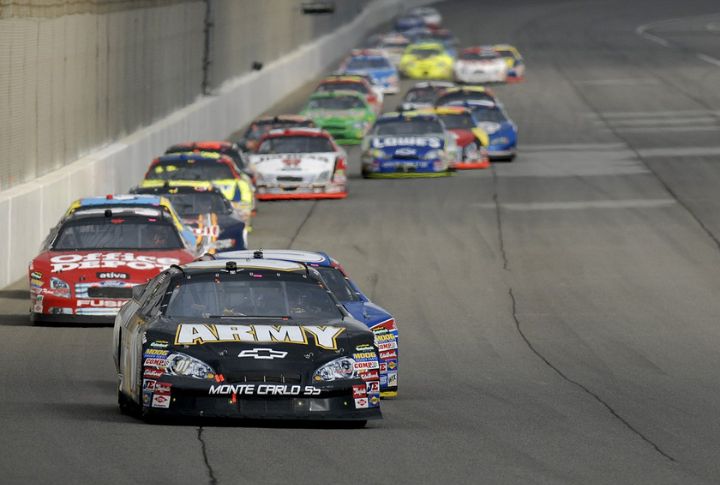
It’s not just on the track that NASCAR innovations shine. Many car manufacturers take lessons learned from the sport and apply them to everyday vehicles. Better aerodynamics, improved safety features, and more efficient engines have found their way into commercial cars, benefiting drivers off the track as well.
NASCAR Cars and Driver Safety Go Hand in Hand
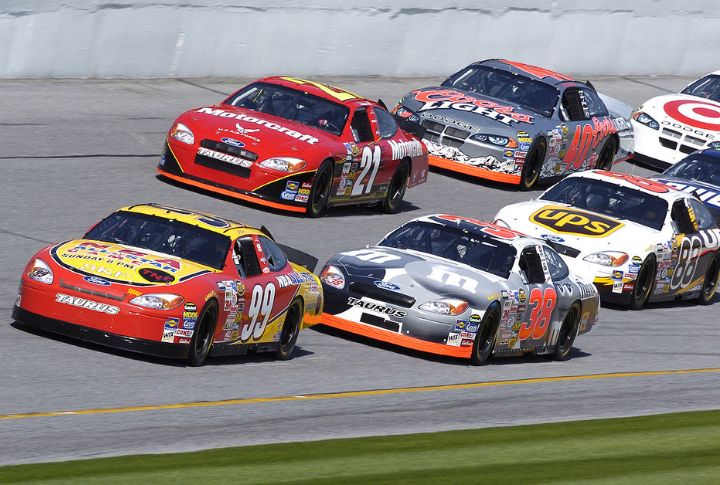
Today’s NASCAR cars are designed for speed and safety, a balance that didn’t always exist. Crumple zones, stronger cockpits, and advanced materials make up the core of today’s racecar. It’s about making sure drivers get to the finish line safely and soundly.
The Road Ahead for NASCAR Cars
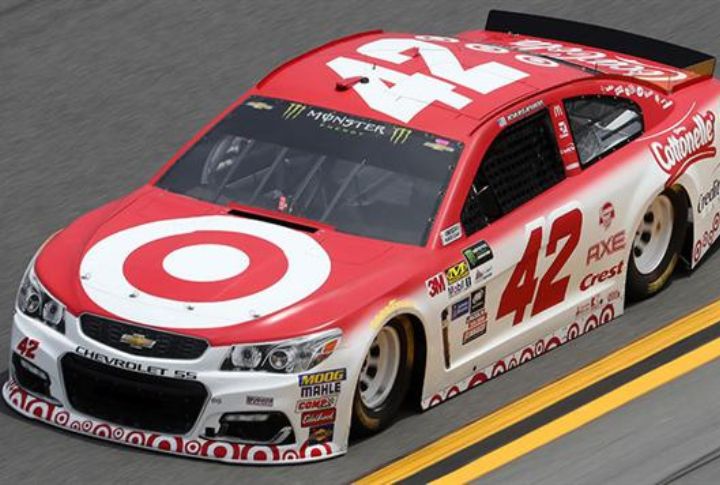
The future of NASCAR cars is full of promise. With advancements in tech, sustainability, and even driver aids, there’s no telling what innovations will emerge. One thing’s for sure—these cars will continue to push the limits of speed, safety, and excitement for fans around the world.