20 Innovations That Revolutionized The Car Industry
Automotive innovation has reshaped driving by turning basic machines into technological masterpieces. Advances in safety, engineering, and design have consistently pushed the boundaries of what cars can achieve. Here are 20 groundbreaking inventions that have revolutionized car culture and continue to shape the vehicles we see today.
The Birth Of The Assembly Line

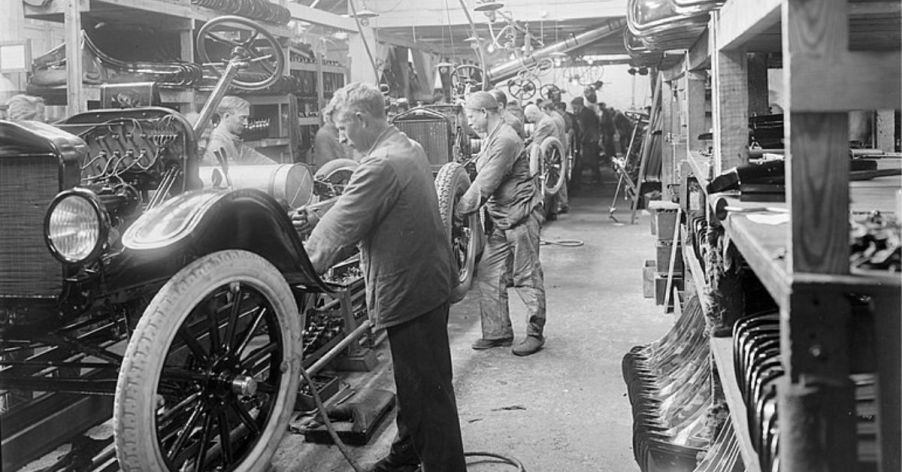
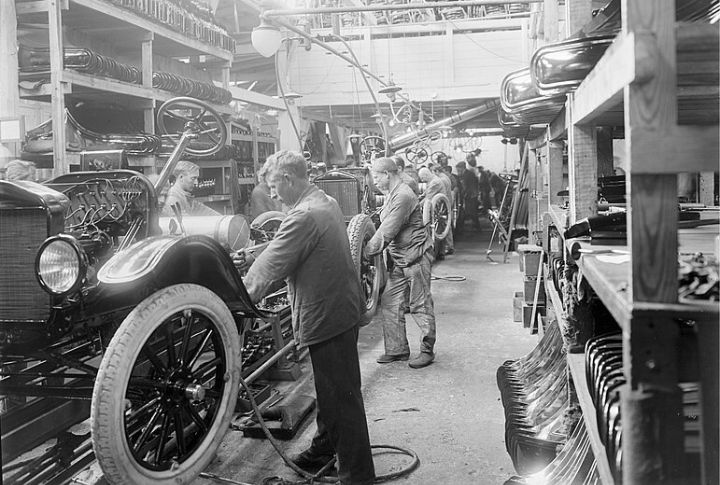
In 1913, Henry Ford revolutionized manufacturing with the assembly line. It increased production speed, lowered costs, and made cars like the Model T affordable for average Americans. This method defined mass production and enabled the rapid growth of the automotive industry.
Introduction Of The V8 Engine

Cadillac introduced the V8 engine in 1914. This design transformed vehicle performance. Its eight-cylinder layout provided greater power and smooth operation. The innovation set new standards and has shaped the design and performance of modern high-performance vehicles to this day.
The Advent Of Electric Cars

Electric Vehicles (EVs) have been around longer than many realize. In the early 19th century, inventors created electric-powered cars, but they couldn’t compete with gasoline engines. Today, EVs are leading the charge toward sustainability, with automakers like Tesla pushing innovation to new heights.
The Arrival Of Automatic Transmissions
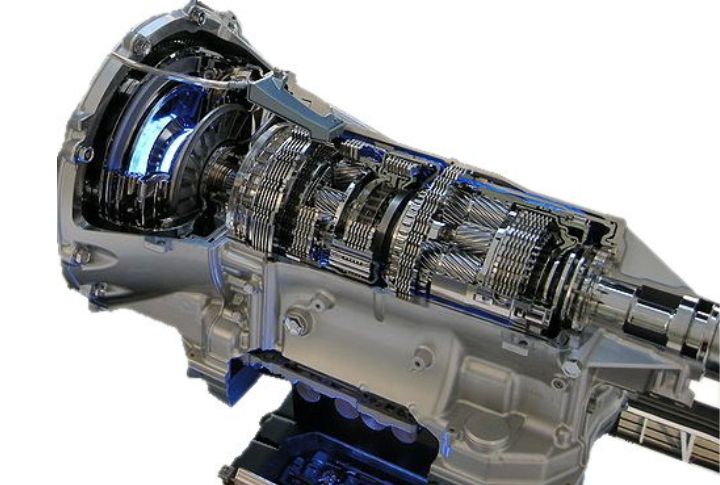
In 1939, General Motors introduced the automatic transmission. This breakthrough changed how people drove by removing the challenges of manual gear shifts. Automatic transmissions now dominate the industry and provide a simpler, more accessible driving experience for millions of drivers worldwide.
The Development Of Disc Brakes
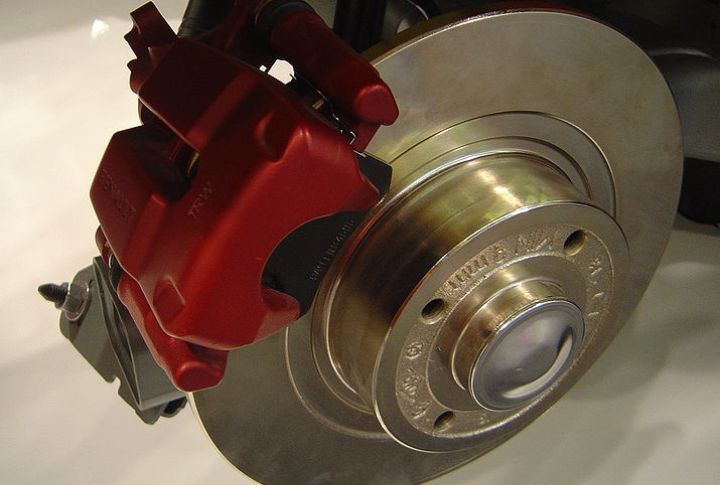
Developed in the 1950s, disc brakes offered better stopping power than traditional drum brakes. These brakes use a rotating disc and calipers to grip the brake pad, which reduces wear and heat. Their superior performance led to widespread adoption in sports cars and mainstream vehicles.
The Introduction Of Fuel Injection
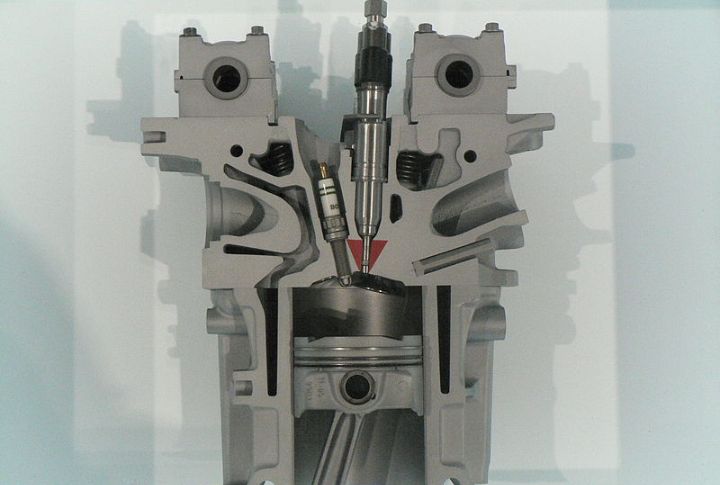
Fuel injection technology replaced carburetors in the 1980s, offering more precise control over the air-fuel mixture. This resulted in better fuel efficiency, lower emissions, and enhanced engine performance. Car manufacturers embraced fuel injection, and it became a standard in almost every modern vehicle.
The Emergence Of Safety Features

Automotive safety has seen dramatic advances, with innovations like airbags and crumple zones reducing fatalities. Volvo’s 1959 release of the three-point seatbelt is a game-changer, saving millions of lives worldwide. Safety features have gone from luxury options to standard equipment in nearly every car.
The Rise Of Hybrid Vehicles
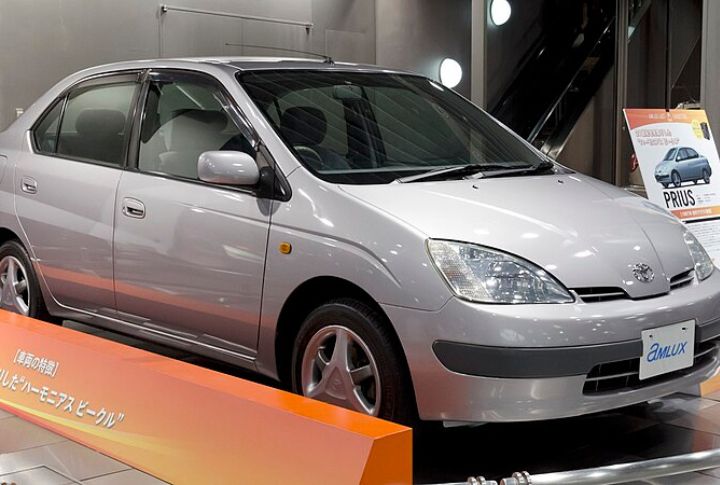
Hybrid cars like the Toyota Prius were in 1997 and combine electric and gasoline power to improve fuel efficiency. With growing environmental concerns, these vehicles became popular for reducing emissions while still offering the range of conventional cars.
The Introduction Of All-Wheel Drive

In the 1960s, AWD systems gained popularity for enhancing vehicle traction on difficult terrains. They transfer power to all four wheels to improve stability in adverse conditions. Luxury and sports cars now often include AWD to support both performance and safety demands for your car.
The Evolution Of Electric Windows

Electric windows replaced manual cranks in the 1940s. This improvement made vehicles more convenient by allowing drivers to adjust windows with ease. Later, features like rain sensors and automatic controls turned electric windows into a standard feature in modern cars.
The Popularity Of The Sunroof
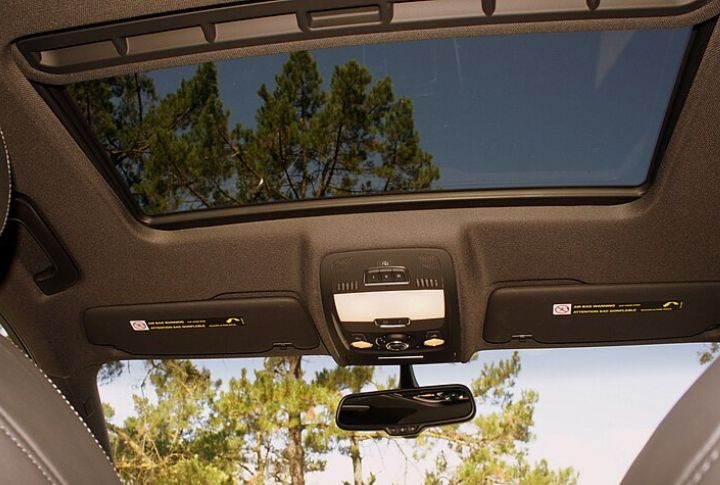
In the 1960s, sunroofs were introduced as a luxury feature in high-end models. Their popularity grew over time, which allowed drivers to enjoy fresh air and natural light. Today, panoramic sunroofs are a standard feature in many SUVs and sedans, which improve the driving experience.
The Launch Of The GPS Navigation System
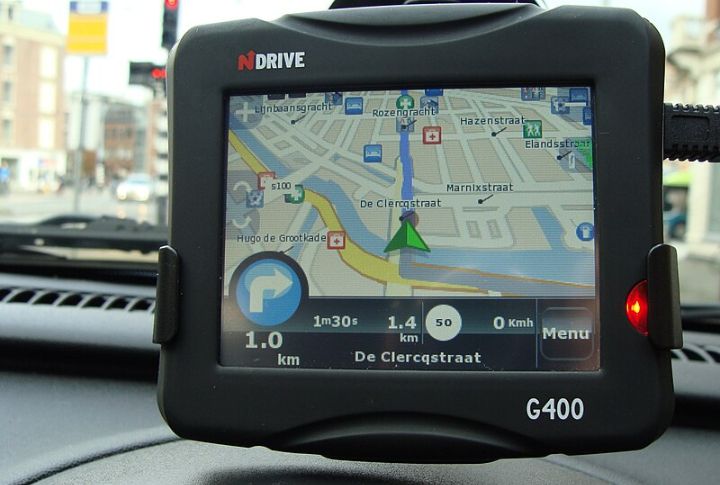
GPS navigation systems emerged in the late 1990s, which made paper maps obsolete. They provided real-time directions, traffic updates, and optimized routes. This technology quickly became standard in vehicles and completely transformed how we find our way on unfamiliar roads.
The Evolution Of LED Headlights

LED headlights were introduced in the early 2000s and provide better illumination and greater energy efficiency than traditional halogen bulbs. These offer brighter, whiter beams, improving road visibility. Their longer lifespan and lower power consumption have made them a standard feature in many new vehicles.
The Rise Of Carbon Fiber
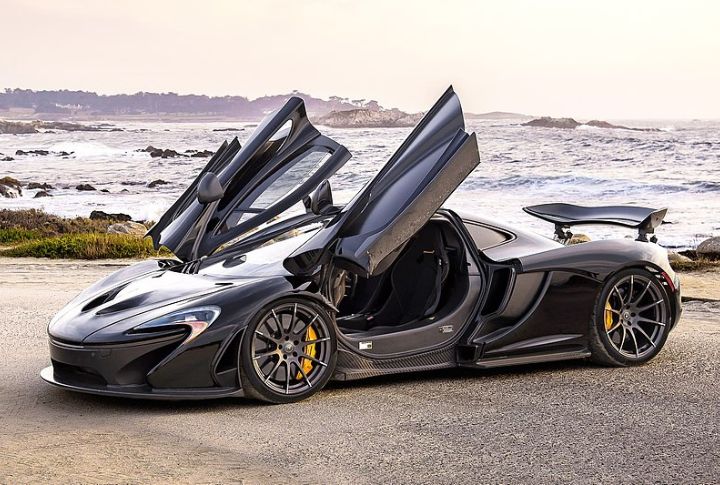
Known for its lightweight and durable material, carbon fiber has revolutionized automotive design. Used in high-performance vehicles like the McLaren P1, it allows manufacturers to reduce weight without sacrificing strength. Today, carbon fiber is commonly found in sports cars, enhancing speed and fuel efficiency.
The Growth Of Autonomous Vehicles

These cars are now central to automotive innovation. Companies like Waymo and Tesla lead the development of autonomous vehicles. These cars rely on sensors, AI, and advanced systems to operate without human input. This promises a safer and more efficient future for drivers.
The Development Of Turbocharging
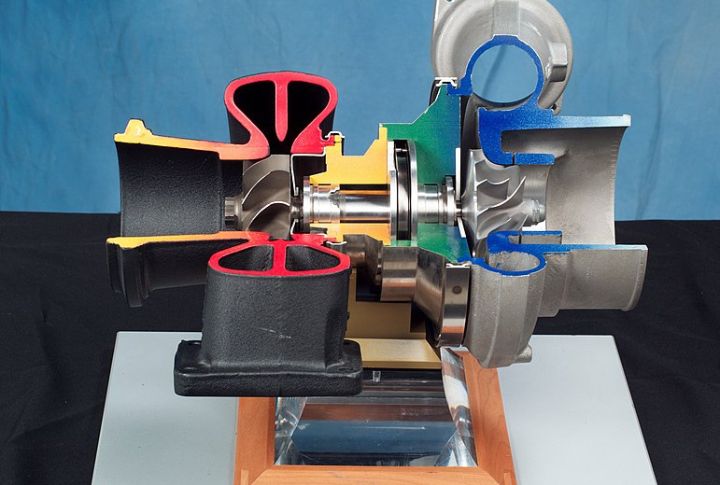
Turbocharging, which boosts engine power by forcing more air into the cylinders, has been a game-changer for performance cars. First used in the 1960s, it allows smaller engines to achieve greater performance. Today, turbocharged engines power everything from economy cars to high-end sports models.
The Advent Of Keyless Entry

Introduced in the 1980s, keyless entry systems offer both convenience and security. By allowing owners to open their cars with a push of a button, they eliminated the need for traditional keys. This technology has since evolved into keyless ignition and hands-free entry systems.
The Innovation Of Backup Cameras

In 2006, the U.S. government made backup cameras mandatory for all new cars, which reduced rear-end collisions. These cameras provide a clear view of the vehicle, adding an extra layer of safety. Backup cameras are now a standard feature in modern vehicles.
The Impact Of Air Suspension Systems

These suspension systems, introduced in luxury vehicles in the 1950s, provide a smoother ride by adjusting the car’s height. The technology has spread to high-end and off-road vehicles. This has offered adjustable comfort and improved ability to tackle various terrains.
The Evolution Of Car Audio Systems
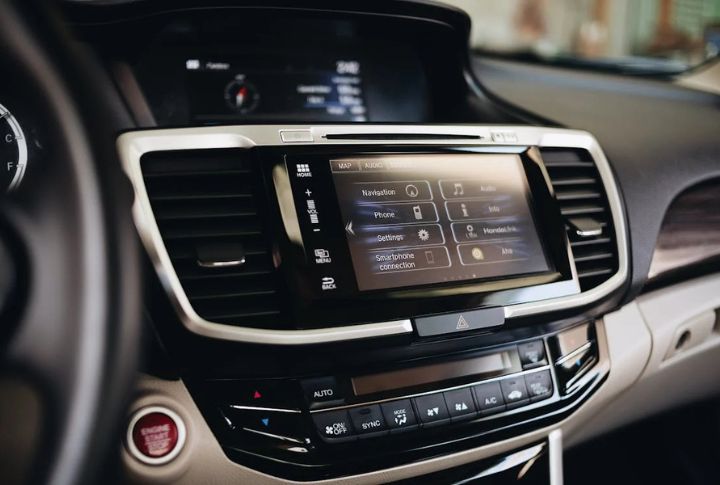
Car audio systems have advanced since the first radios were introduced in the 1920s. Initially offering AM frequencies, they set the stage for in-car entertainment. Today, systems include HD sound, Bluetooth, and smartphone integration. It has transformed the music experience on the road.