20 Infamous Car Design Fails That Shocked the Auto Industry
Automakers strive to dazzle with innovative designs, yet some ideas backfire spectacularly. Throughout history, bold choices—fuel tanks in risky spots, glitchy tech, even questionable safety shortcuts—have shocked drivers and dented reputations. Here’s a look at 20 infamous car features that steered the industry straight into controversy.
Ford Pinto’s Fuel Tank Placement
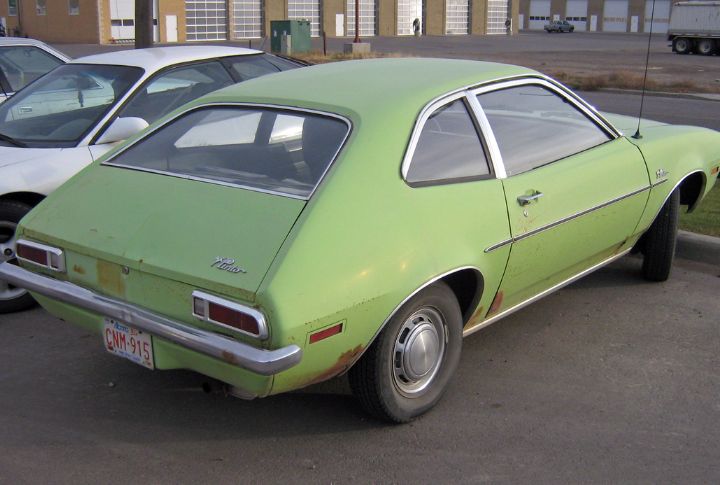
Placed dangerously close to the rear bumper, the Ford Pinto’s fuel tank spelled disaster. In rear-end collisions, the tank could rupture and cause explosions. Introduced in the early 1970s, the Pinto earned a fiery reputation, with over 100 deaths reported. Safety came second to cost-cutting for Ford.
Chevrolet Corvair’s Swing-Axle Suspension
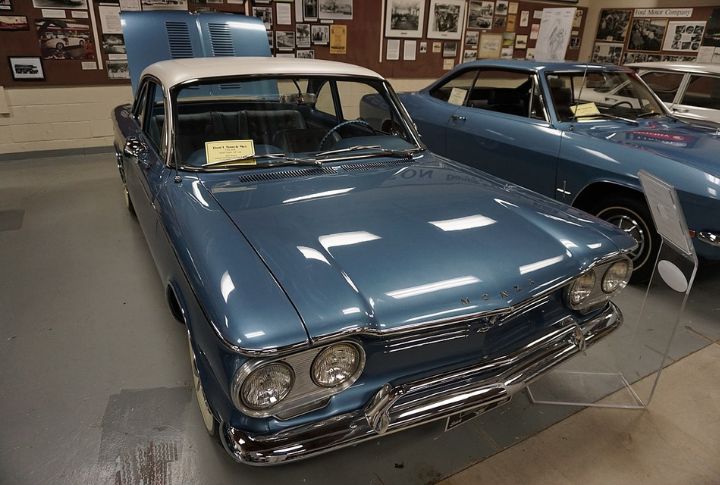
Creating dangerously unpredictable handling, Chevrolet’s 1960 Corvair featured a swing-axle suspension. The issue was so severe that consumer advocate Ralph Nader highlighted it in his book “Unsafe at Any Speed.” Corvair’s tendency to flip at high speeds startled drivers and led to a cultural shift in vehicle safety awareness.
Audi’s Unintended Acceleration
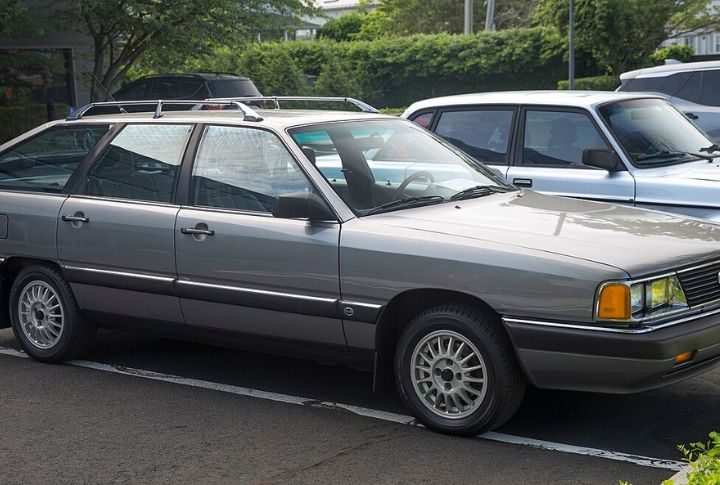
Audi’s 5000 model shocked the world in the 1980s with unintended acceleration incidents. Drivers reported sudden, uncontrollable bursts forward, causing safety fears. Although design flaws and driver errors contributed, the issue resulted in high-profile lawsuits. The company’s reputation took years to rebuild after this speed-spree fiasco.
Takata Airbags

These airbags affected millions worldwide and became the largest automotive recall ever. Designed to deploy safely, faulty inflators exploded, sending metal shrapnel into car interiors. More than 60 million cars were recalled, and at least 15 fatalities were linked to these airbags.
General Motors Ignition Switch Defect
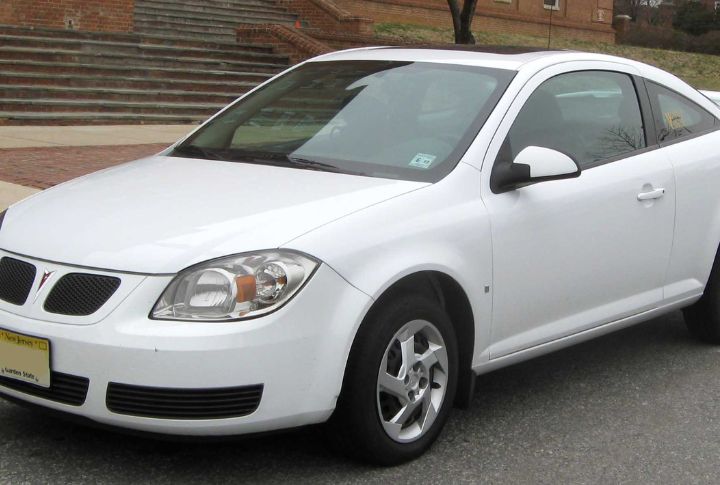
Shutting down cars mid-drive? In 2014, General Motors ignition switches shocked the auto industry by deactivating safety features like airbags. The defect led to 124 fatalities and the recall of over 2.6 million vehicles. A tiny switch flaw had big consequences for the company’s reputation.
Toyota’s Sticky Accelerator Pedals
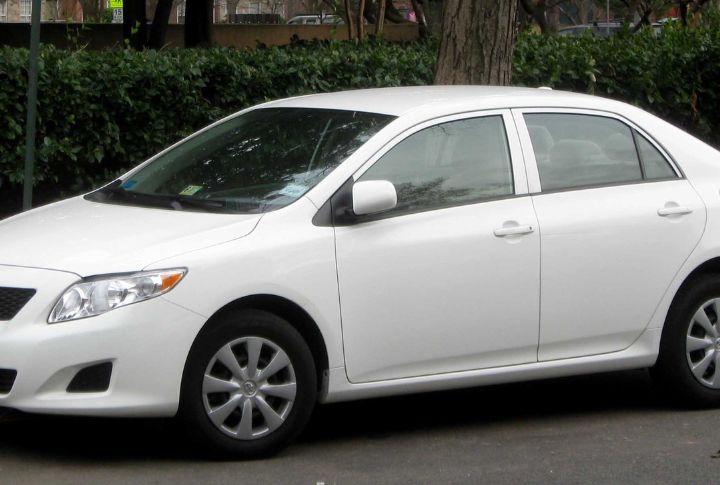
The company’s “sticky pedal” issue triggered an infamous recall in 2009, affecting millions of cars. Drivers reported unintended acceleration, which led to serious accidents and multiple deaths. Toyota responded by recalling 4.2 million vehicles globally. Despite the swift action, the pedal problem became a symbol of quality control lapses.
Tesla’s Over-The-Air Speed-Limit Update
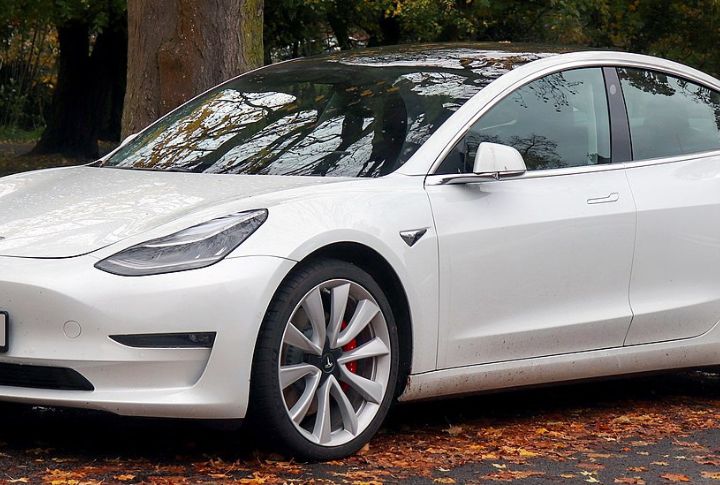
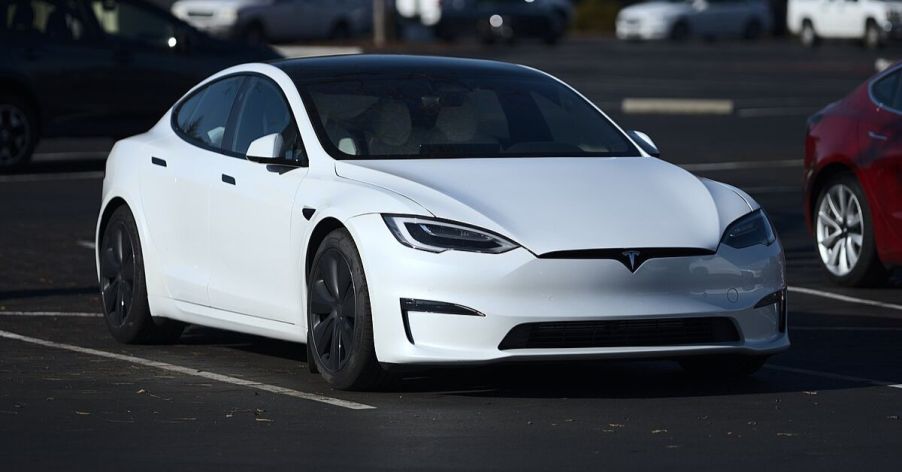
By remotely limiting vehicle performance in 2020, Tesla startled its customers. Over-the-air updates suddenly imposed speed limits, with drivers finding their cars slower without warning. This surprise shift showed Tesla’s unique, sometimes unsettling power over its cars. No recall here—just a modern twist on control.
Mercedes-Benz AirMatic Suspension
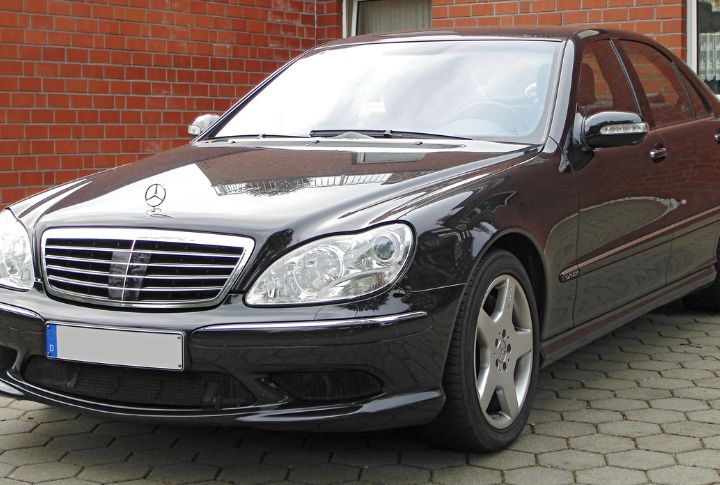
Mercedes’ AirMatic suspension system in the early 2000s gained a reputation for breakdowns, particularly in the S-Class. Repair costs could reach thousands, and frustrated owners quickly lost faith. Consequently, Mercedes learned that high-tech suspensions can mean high-stakes failures.
Jeep Grand Cherokee’s Electronic Gear Selector

An electronic gear selector sounded like alien technology. However, it became notorious for causing rollaway incidents. Introduced in 2014, the confusing design didn’t “click” with drivers, leading to accidents and a recall. The selector’s poor intuitiveness turned a simple task into a dangerous guessing game.
Honda CR-V Soot Issue
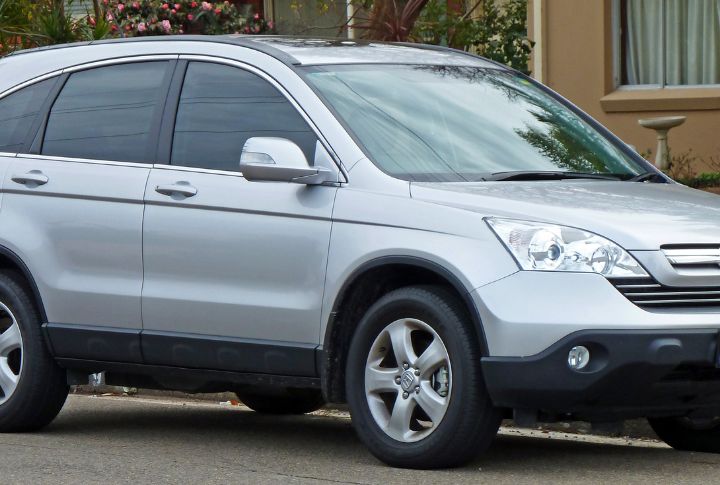
The Honda 2017 CR-V faced a major soot problem, with fuel mixing into the engine oil, especially in cold weather. Owners found oil levels rising and engines suffering. Honda issued recalls and software fixes, but for many, the “fuel-soot cocktail” damaged their view of CR-V reliability.
BMW N20 Timing Chain
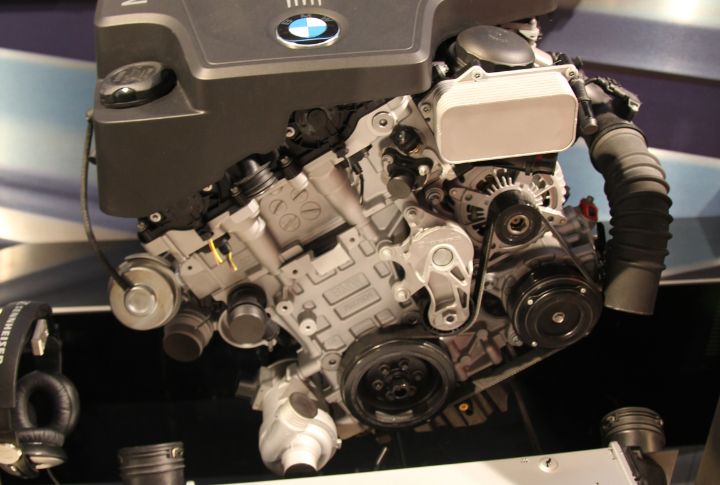
Released in 2011, BMW’s N20 engine suffered from weak timing chains that were prone to snapping prematurely. Owners faced catastrophic engine failures, and repairs cost thousands. BMW eventually issued a partial recall, but the damage was done. Timing chains aren’t the place to “cut corners.”
Mazda RX-8 Rotary Engine
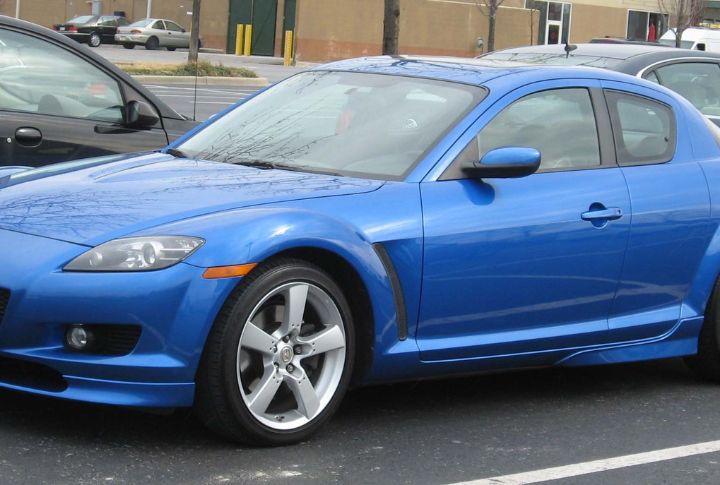
Unique yet troublesome, the Mazda RX-8 rotary engine demanded constant oil top-ups, with reliability issues to match. While the rotary design was an engineering marvel, its poor fuel economy and high wear disappointed enthusiasts. This “cool factor” feature proved too costly for many to handle.
Ford Explorer Firestone Tires
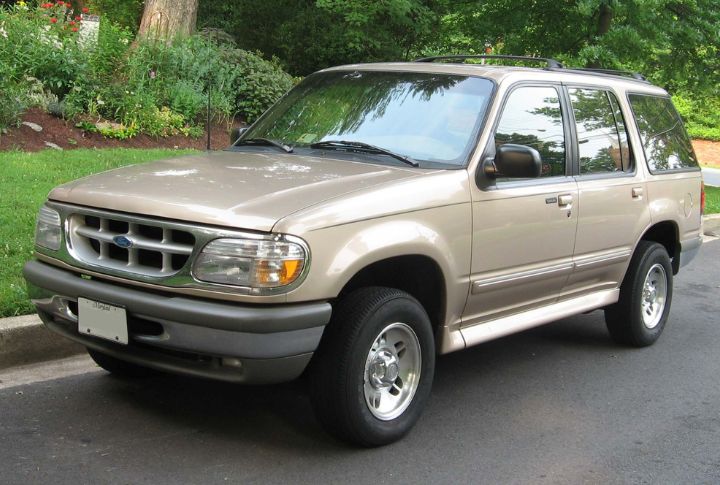
Firestone tires on the Ford Explorer developed a deadly flaw in the early 2000s. Tread separation caused dangerous blowouts and rollovers, which resulted in hundreds of fatalities. Over 6.5 million tires were recalled, sparking one of the largest safety scandals in automotive history.
Fiat Chrysler’s Power Steering Issues

Electronic power steering failures became a nightmare for Fiat Chrysler drivers, particularly in models like the Dodge Dart. Sudden losses of steering control led to multiple recalls. Steering is a non-negotiable feature, and Fiat learned the hard way that reliability must come first.
Volkswagen Dieselgate Emissions System
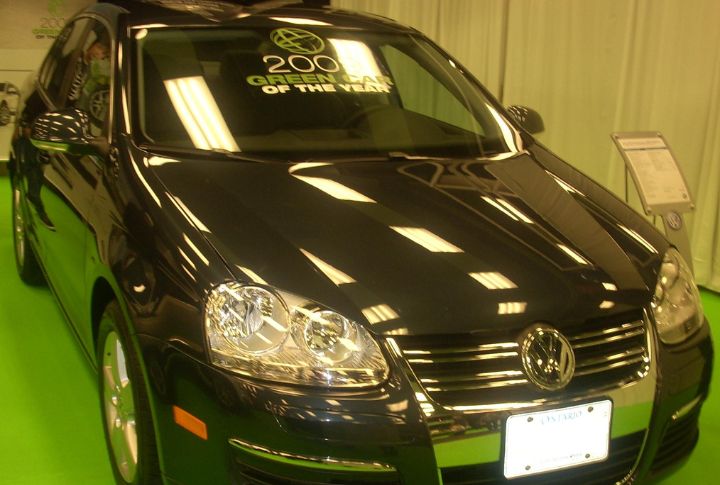
Volkswagen’s “Dieselgate” scandal shocked the world in 2015. Software designed to cheat emissions tests was discovered in millions of cars, which tarnished VW’s reputation. Fines soared into billions, and the diesel dream soured overnight. Deception had a costly price, which left VW drivers feeling betrayed.
Nissan CVT Transmission Failures
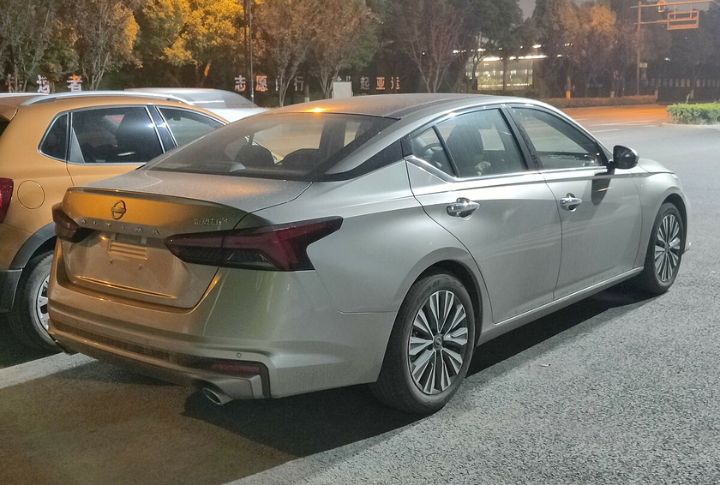
Continuously variable transmissions (CVTs) were meant to improve fuel economy, yet Nissan’s models, like the Altima, faced early failures. Frequent breakdowns and expensive repairs frustrated owners, which led to recalls. CVTs proved that not all fuel-saving tech is ready for the road.
Ford MyFord Touch System
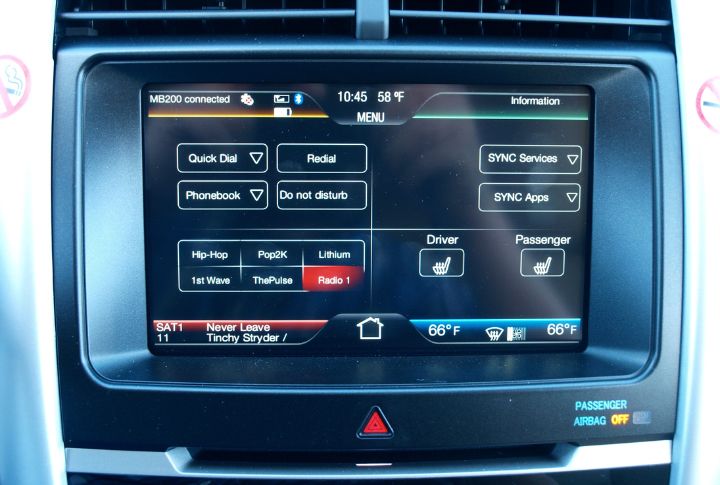
Ford’s MyFord Touch system, introduced in 2011, was aimed at high-tech convenience but resulted in frustration. Buggy performance, frequent crashes, and laggy screens made it notorious among users. The company faced a class-action lawsuit as drivers demanded a fix for the glitchy interface.
Chevrolet Volt Battery Fires
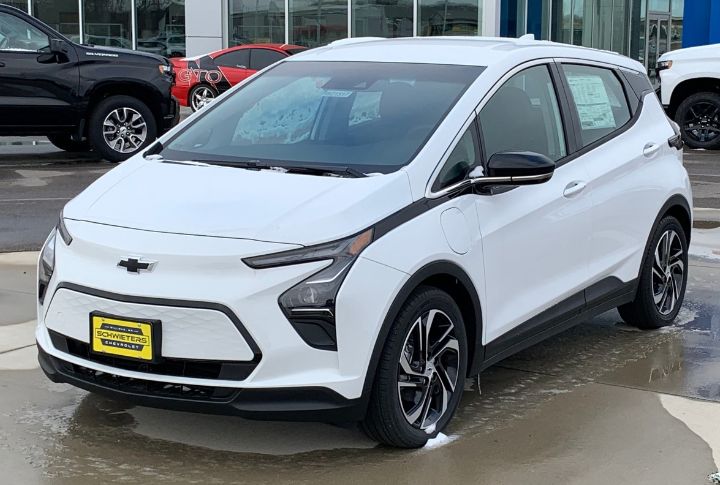
Battery fires became a shocking setback for the Chevrolet Volt after crash tests revealed a high risk in 2011. The NHTSA opened an investigation, prompting recalls and engineering changes. Early adopters faced the unexpected challenges of electric vehicle technology in real time.
Tesla Model S Door Handles
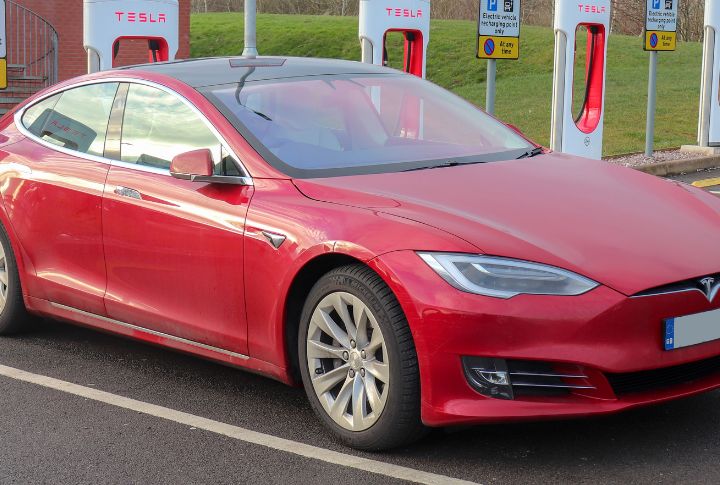
In freezing weather, the retractable door handles on Tesla’s Model S could leave drivers literally out in the cold. Owners found themselves locked out when the handles jammed, proving that even the sleekest designs can struggle with everyday practicality in extreme conditions.
Subaru’s Excessive Oil Consumption Issue
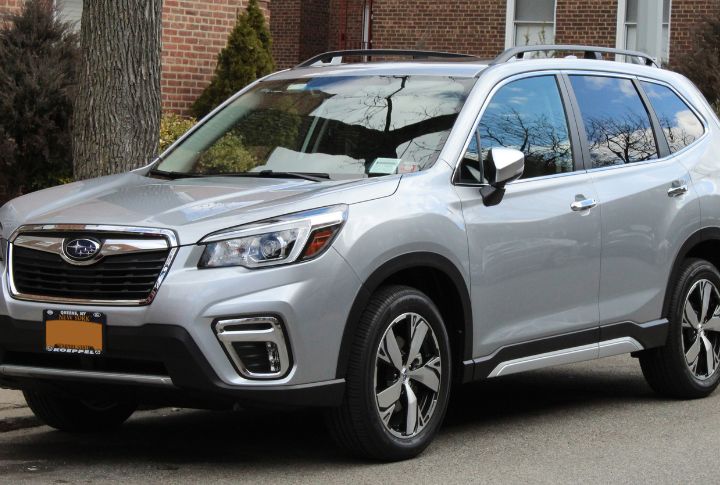
Subaru’s engines in models like the Forester showed surprising oil consumption levels. Owners constantly refilled oil, and some engines even suffered failures. They offered extended warranties, but for some, the damage was already done. Reliable engines shouldn’t be guzzling oil this fast!