20 Features That Make Gran Turismo 4 A Timeless Favorite
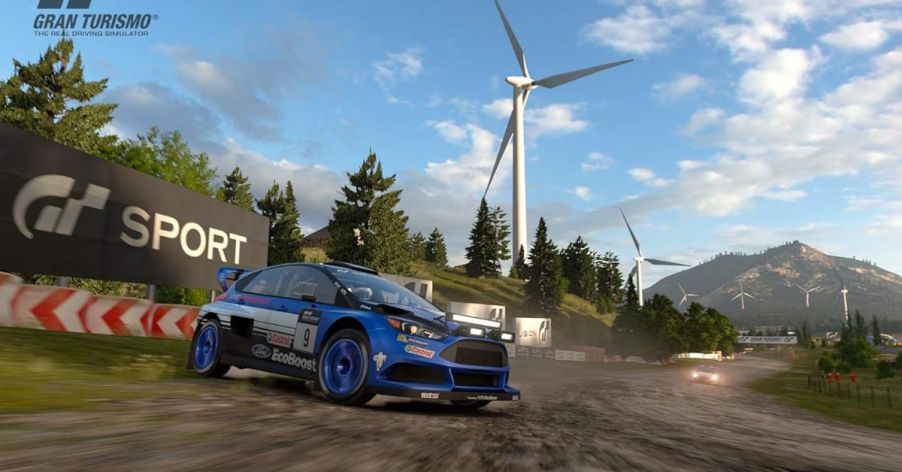
Picture the roar of an engine and the screech of tires on asphalt. For many gamers, Gran Turismo 4 was the racing game. Even two decades after its release, it still holds a special place in our hearts and shelves. What made it so extraordinary? Buckle up as we explore 20 timeless features that keep GT4 in pole position.
The Influence On Racing Esports
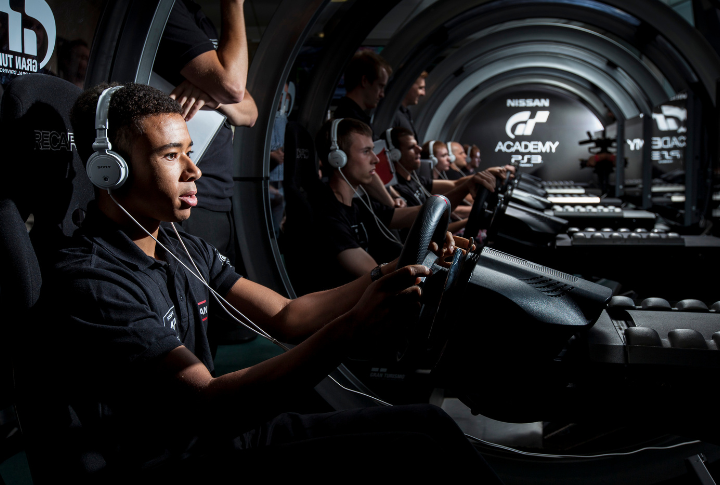
Gran Turismo 4 set the stage for racing esports by offering skill-based, competitive gameplay. Its physics and demanding racing modes enabled players to hone their skills, a contribution to developing professional racing leagues and esports tournaments that continue to engage global audiences today.
The Vast Car Collection
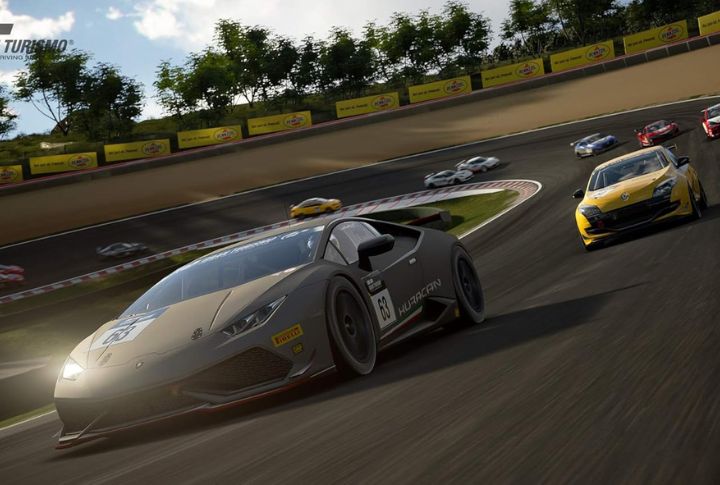
The massive car roster of over 700 vehicles featured brands like Toyota, BMW, and Nissan, each with different handling characteristics. While Ferrari and Porsche were absent, the game compensated with RUF’s Porsche-inspired models. The selection catered to all types of racers, from casual to competitive.
Immersive And Detailed Tracks
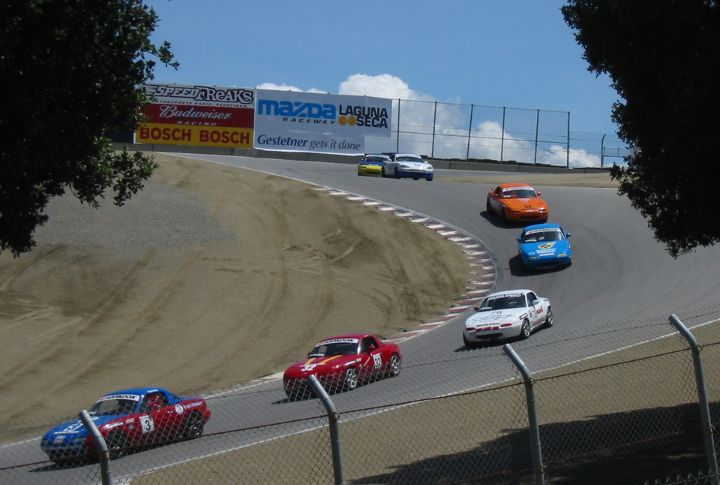
From the tight corners of Nürburgring to the scenic beauty of Laguna Seca, 51 tracks covered diverse environments. The dynamic weather system and live lighting effects added authenticity, which kept the races fresh. Every track provided a new test, offering endless replayability and excitement for players.
Advanced Physics Engine
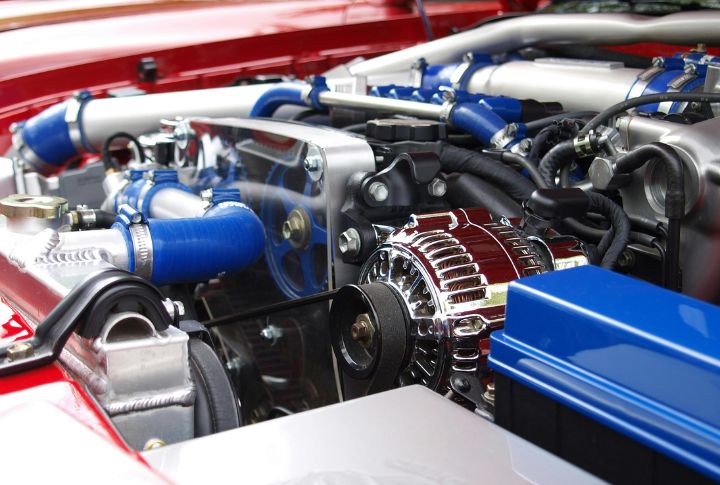
The physics engine brought all the cars to life and gave them distinct driving experiences. Lightweight sports cars zipped through corners while muscle cars thundered down long straights. It wasn’t just about speed; the handling, braking, and acceleration were all shaped by the car’s special physics, making the races feel personal.
Realistic Car Customization
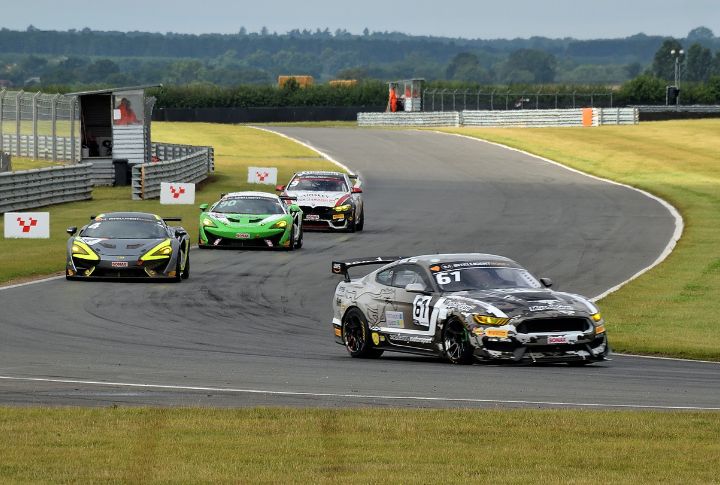
Customization went far beyond visual tweaks. Players could fine-tune engine performance and aerodynamics to ensure optimal performance tailored to the specific demands of various tracks. This level of detail required a deep understanding of the vehicles and turned car tuning into a rewarding, hands-on challenge that significantly influenced outcomes.
Driving Licenses And Skill Progression
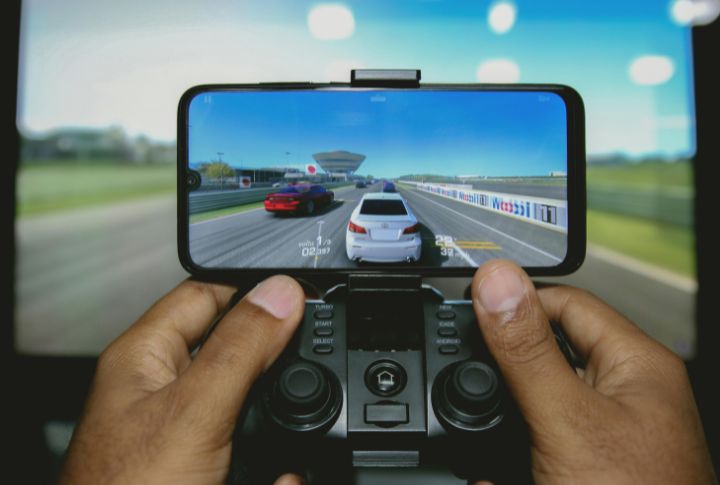
The game’s license system required players to master fundamental driving techniques. Completing tasks to earn licenses unlocked new cars and events. The focus went beyond racing, with players refining skills to face tougher trials, which made the game a continuous journey of growth and success.
Endurance Races That Tested Patience

GT4′s endurance races weren’t for the faint of heart. Players had to manage fuel and pit strategies with events stretching for hours. These long, demanding races mirrored the authentic grind of motorsports and offered a deeper, more immersive feel for those willing to invest the time.
Graphics That Pushed The PS2
Despite the limitations of the PlayStation 2, Gran Turismo 4 pushed the system to its limits. The cars shone with remarkable detail, and the tracks featured stunning backgrounds that captured the essence of real-world locations. The game delivered visuals that still impress today by maximizing the hardware’s potential.
The Enduring Legacy Of Car Culture
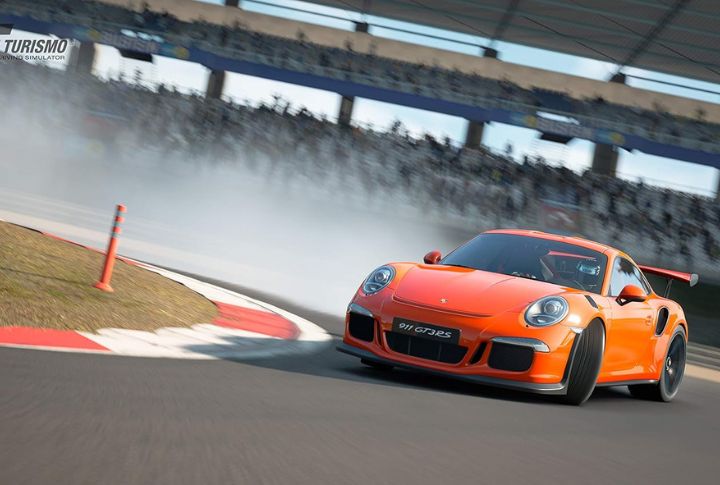
The game’s attention to detail sparked a lasting interest in motorsports that left a mark on the gaming community and inspired a deeper appreciation for racing. GT4 became a gateway to car culture for many gamers. Its focus on realism and car variety introduced countless players to automotive passion.
A Comprehensive Racing Career Mode

The career mode was a true test of perseverance. Players began their journey from the bottom, slowly rising through the ranks by winning races. Progression unlocked new cars and tracks that made the gameplay dynamic and engaging. It promised a good long-term experience and never ran out of obstacle courses.
The Music That Set The Tone

The soundtrack of the GT4 was as varied as the cars, featuring a mix of rock and other genres that matched the high-speed action and kept players immersed. The rhythm of the music enhanced the intensity of racing and motivated contenders to push their limits throughout the laps.
A Realistic Day-Night Cycle

Gran Turismo 4 was ahead of its time with its immersive day-night cycle. As players raced, time shifted and created changing light conditions that impacted visibility. The varying conditions kept the races dynamic and forced them to adapt their strategies, which introduced a level of complexity.
The Joy Of Unlocking Hidden Cars

Finding hidden cars in GT4 felt like a rewarding treasure hunt. Rare vehicles offered moments of triumph and inspired players to investigate corners of the game. Each discovery brought a sense of achievement and encouraged the gamers to dive back in for their next exciting find.
The Introduction Of Photo Mode
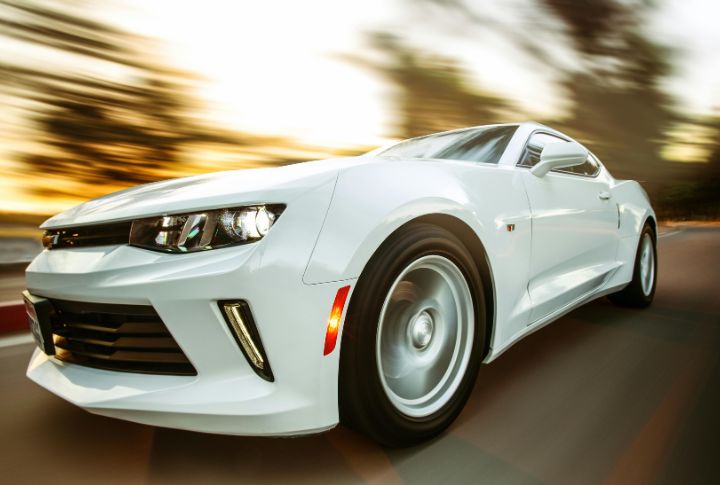
Gran Turismo 4 introduced a groundbreaking photo mode that lets players capture stunning images of their cars. Dynamic camera angles and picturesque backdrops highlighted the artistry of the game. This feature presented a distinctive way to preserve favorite moments and celebrate the beauty of virtual automotive design.
Trials Of Mastering The Cars
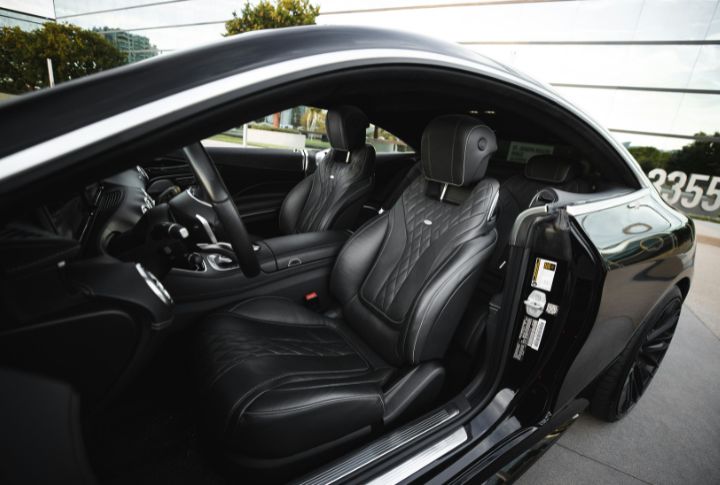
All the cars in the GT4 posed unique obstacles. Some demanded precise handling; others thrived with bold maneuvers. These differences, when well understood, made every race a personal test. Overcoming these difficulties rewarded players with growth and a deeper connection to driving.
Online Features Ahead of Its Time
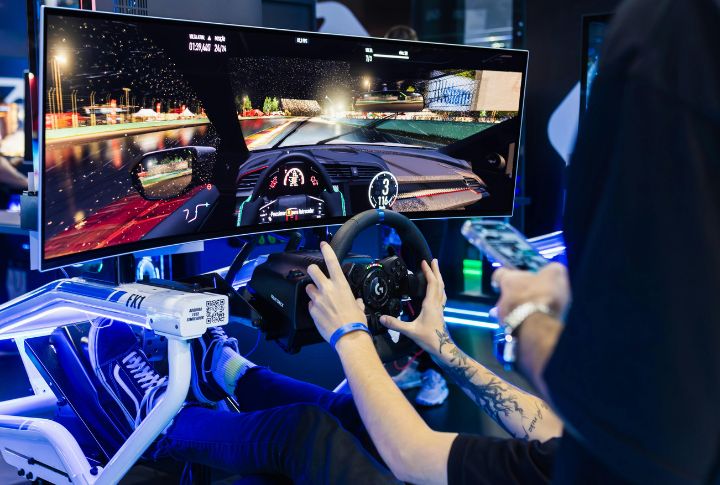
While online racing was in its infancy, GT4 introduced multiplayer modes that allowed players to race against others globally. This early foray into online competition set the stage for modern gaming, creating a foundation for future games that rely on top-notch online features to keep participants engaged.
Fan-Following Still Alive Today
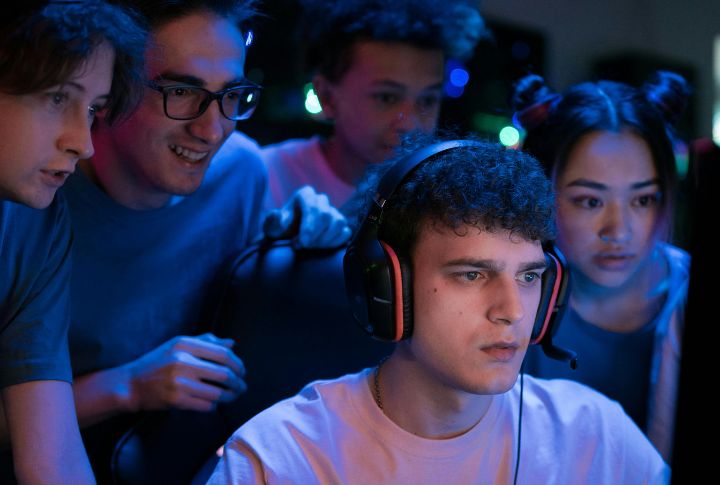
More than a decade after it came out, GT4 maintains a dedicated fanbase. Communities celebrate the game to this day; they discuss their favorite strategies and memories. Forums are alive with enthusiasts who continue to reminisce about GT4‘s unique qualities. A demonstration of its lasting impact on racing
Endless Replayability With Unlockables
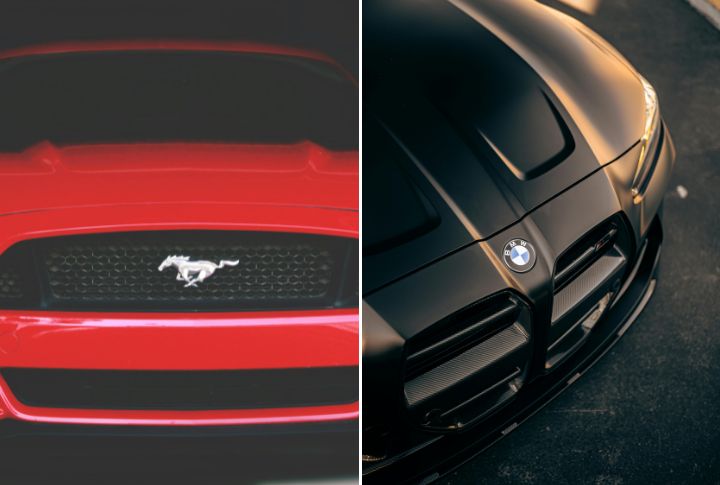
Each race offered new opportunities to refine skills, and the game’s design encouraged players to revisit tracks for improved times, new cars, and hidden rewards. The constant cycle of unlocking new content ensured that even after completing events, there was always something fresh to achieve.
Simulating Real World Racing Events
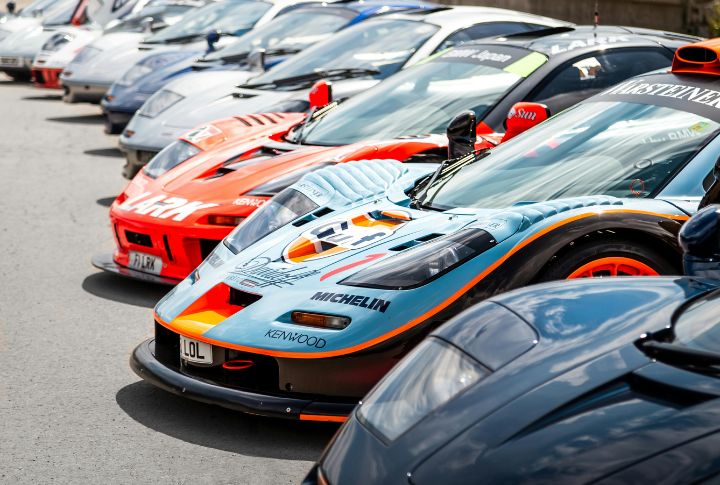
The game featured renowned racing events like the 24 Hours of Le Mans, bringing them to life virtually. Winning these prestigious races felt like more than just completing an obstacle course; it added a layer of authenticity by connecting players to the excitement and prestige of actual motorsports.
The Innovation Of AI Rivalry

Gran Turismo 4‘s advanced AI rivalries boosted the excitement of each race. AI opponents presented unpredictable and dynamic challenges that adapted to players’ strategies; this innovation kept races fresh and engaging so that every race was unique and tested contestants’ skills in new ways.