20 Features Of Train Travel That Have Disappeared Over Time
Train travel once offered an experience unlike any other, with a unique atmosphere that many still long for. Over the years, much of that magic has faded, replaced by faster, more efficient methods of transportation. But for those who remember the golden age of rail, there’s a deep sense of loss. Keep reading to rediscover the elements of train travel that once made each journey unforgettable.
Steam Locomotives in Action
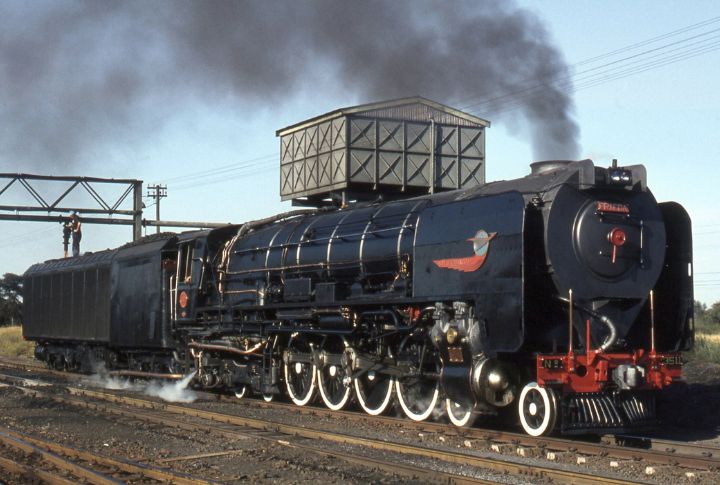
Massive clouds of smoke and the rhythmic chugging defined the golden age of rail. Steam engines, popularized in the 19th century, were feats of engineering with distinct personalities. Watching them thunder along tracks was thrilling, a sensory feast that modern, quieter engines can’t replicate.
Handcrafted Passenger Cars
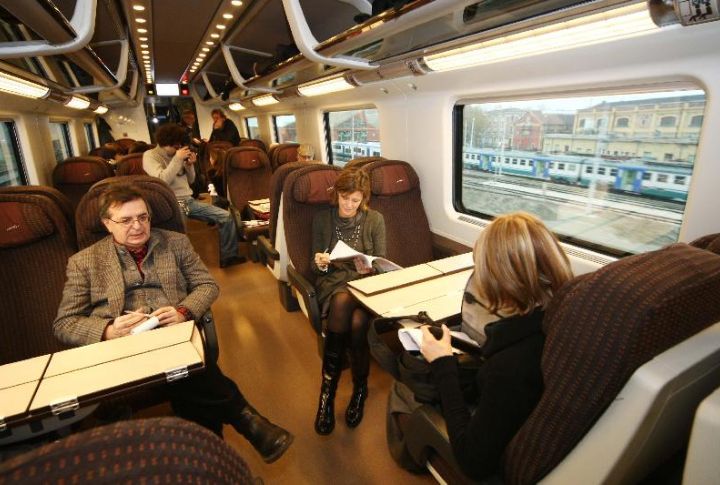
Elegant interiors with polished wood, plush upholstery, and ornate lighting created journeys that felt like a celebration. Railroads of the early 1900s prioritized craftsmanship over efficiency. As a result, train cars became mobile works of art, offering passengers an experience as luxurious as any high-end hotel.
Conductors with Signature Style

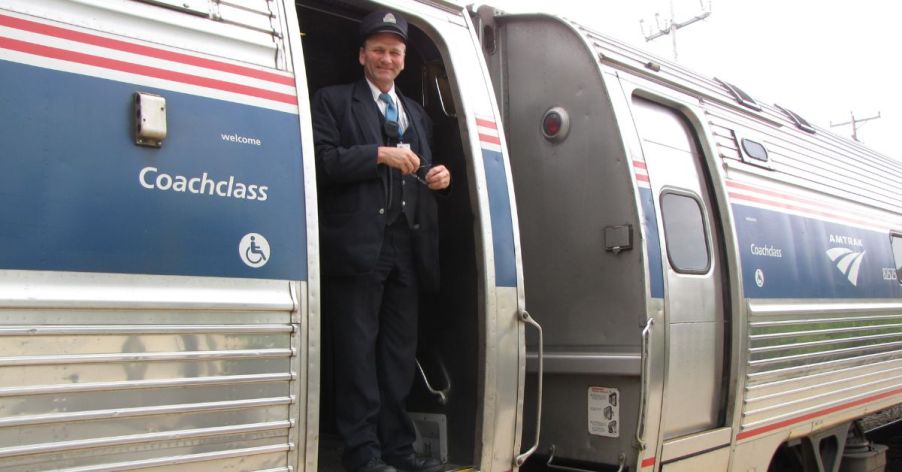
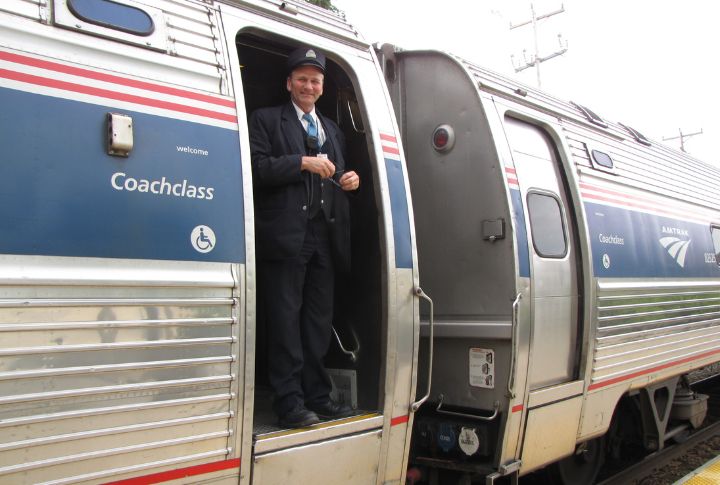
Uniformed conductors once symbolized authority and hospitality. Their gold-buttoned jackets and booming announcements made every passenger feel important. Train fans fondly recall how these professionals embodied the spirit of rail travel and added a human touch that feels absent today.
Dining Cars Serving Gourmet Meals
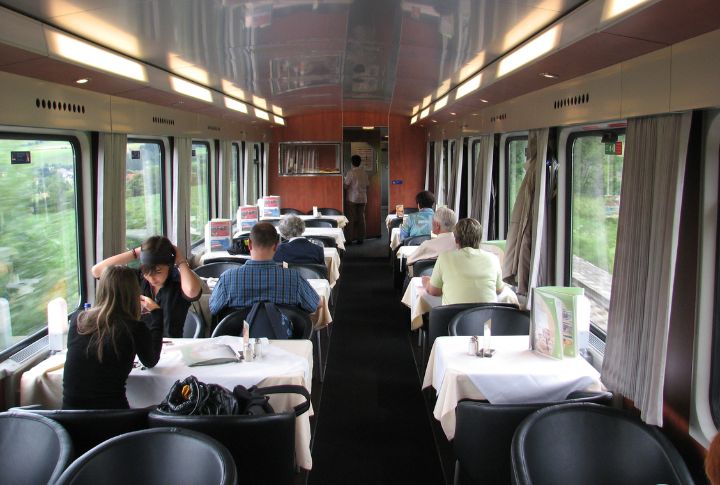
A full meal prepared onboard was a highlight of train journeys. Dining cars offered authentic tableware and dishes like roast beef or lobster that actually tasted good. Originating in the late 1800s, this tradition disappeared as faster travel methods replaced leisurely trips.
The Charm of Sleeper Cars
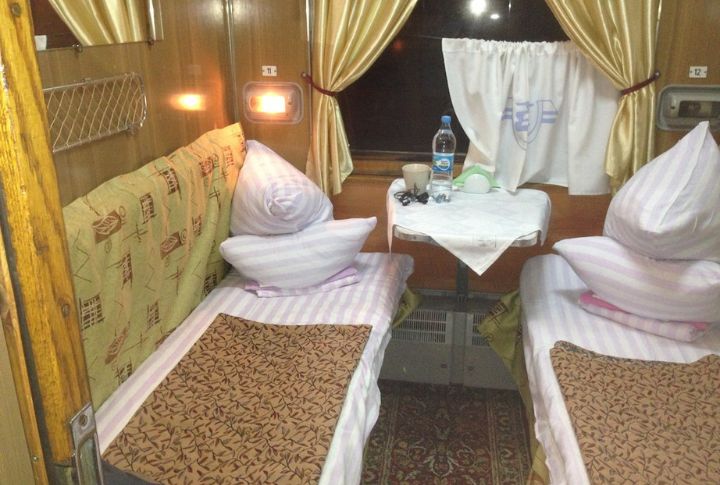
First introduced in the 1830s, sleeper cars became iconic in overnight travel. Folding down a bed in your private compartment felt like entering a new world. Few modern options can compare to the coziness and adventure of being lulled to sleep by the sound of the rails.
Open Observation Cars
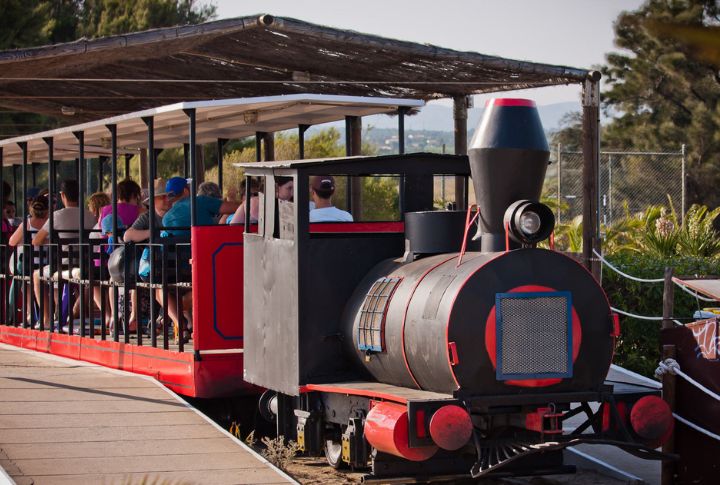
Breathing fresh air while soaking in scenic views felt magical. Open observation cars, often placed at the train’s rear, allowed passengers to connect with nature in ways modern sealed cabins never could. Fans miss the romance of watching landscapes roll by unhindered.
Whistle Signals That Told Stories
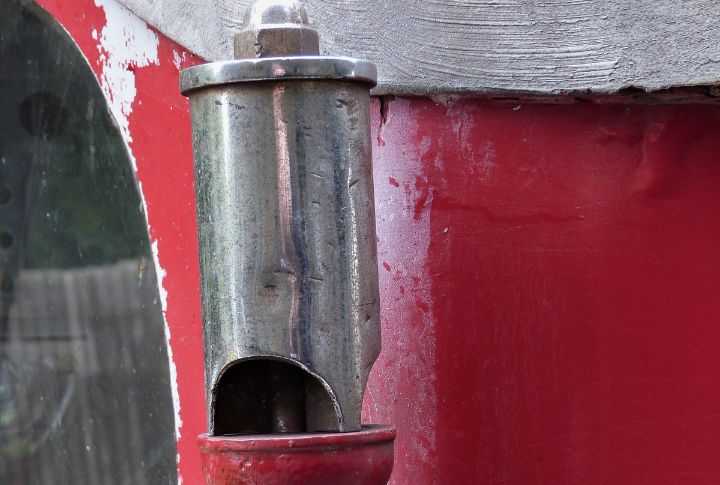
The shrill, mournful sound of a train whistle became an unmistakable symbol of arrival and departure. Each distinct tone conveyed specific messages to workers and passengers alike. These have been replaced by more standardized horns, reducing the character once brought by steam and diesel whistles.
Elaborate Train Stations
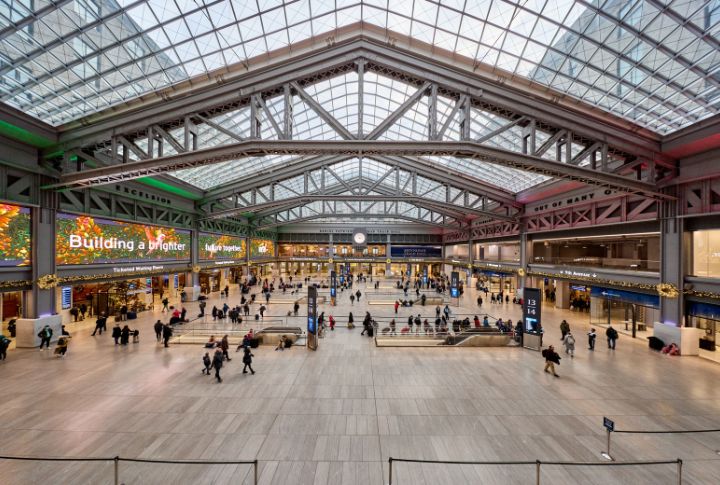
Architectural masterpieces like New York’s Penn Station or Paris’ Gare du Nord converted train stations into destinations themselves. Intricate designs, sweeping arches, and stained glass made routine travel memorable. The demolition of many grand terminals during modernization has sparked mixed reactions from fans.
Pullman Porters’ Service Excellence
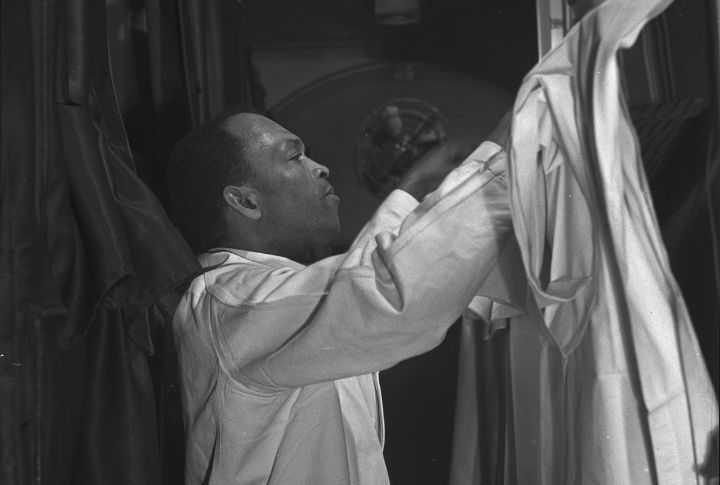
Pullman porters offered unparalleled service, handling every detail with care. From carrying luggage to providing overnight comfort, they became icons of early train travel. Their dedication, often under challenging conditions, is fondly remembered as a hallmark of hospitality on the rails.
Mail by Rail
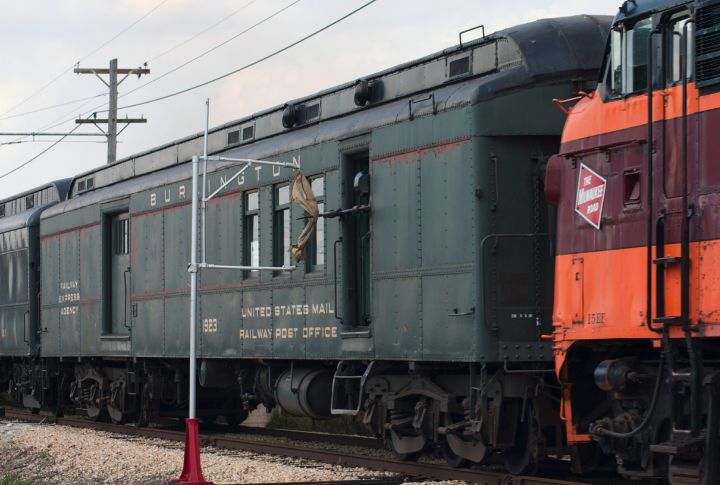
Trains once served as lifelines for communication and delivered letters and parcels swiftly. The U.S. Railway Mail Service operated from 1864 to 1977, sorting mail en route to its destination. Waiting for your letter, knowing there were clerks “carefully” handling it inside the cabins just to get it to you, was a mesmerizing experience—a practice lost to air and road transit.
The Scent of Steam Era
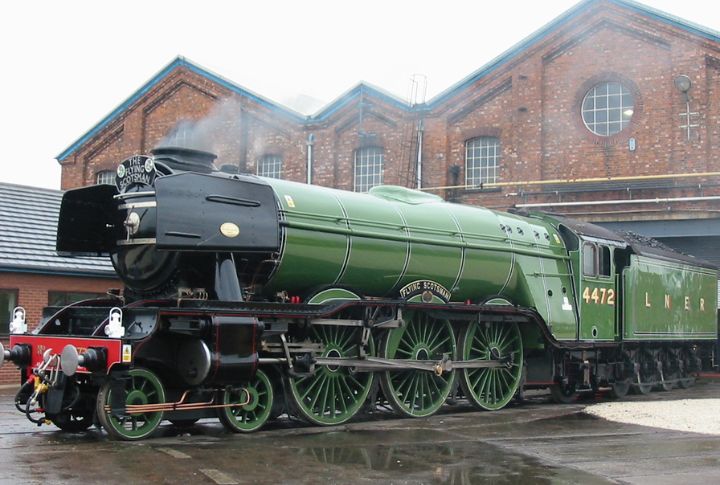
Coal, oil, and metal combined to create a distinct scent that greeted anyone near a steam locomotive. This sensory memory, tied closely to early rail travel, lingers fondly in fans’ minds. Today’s electric and diesel trains lack the character of that unforgettable aroma.
The Nostalgia of Paper Tickets
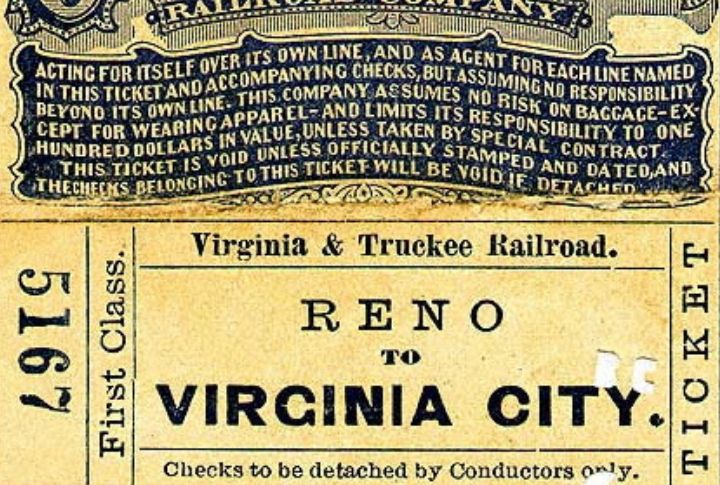
Cardstock tickets, often stamped by conductors, symbolized the excitement of adventure. These keepsakes came in countless designs, depending on the railroad and era. The shift to digital systems has erased the tactile joy of handing over a ticket and receiving it back, marked with a date.
Cabooses at the End of Trains
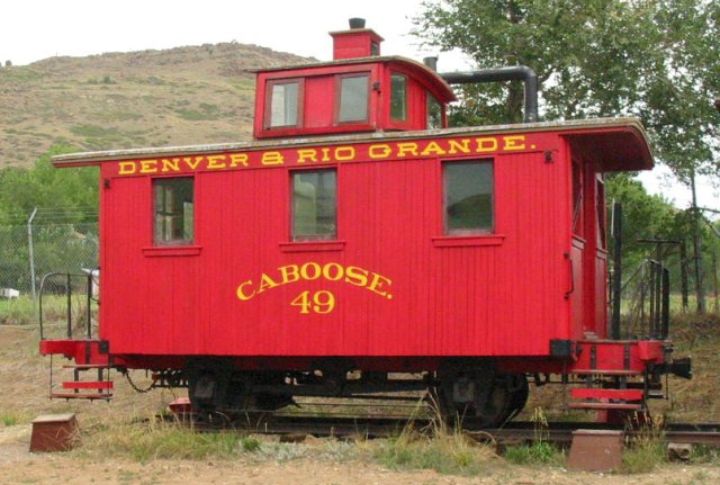
Brightly painted cabooses, once a vital part of freight trains, served as mobile offices for crew members. They disappeared in the 1980s, replaced by modern devices. Their absence makes fans nostalgic for the cheerful punctuation they provided for long freight trains.
Local Railway News Stands
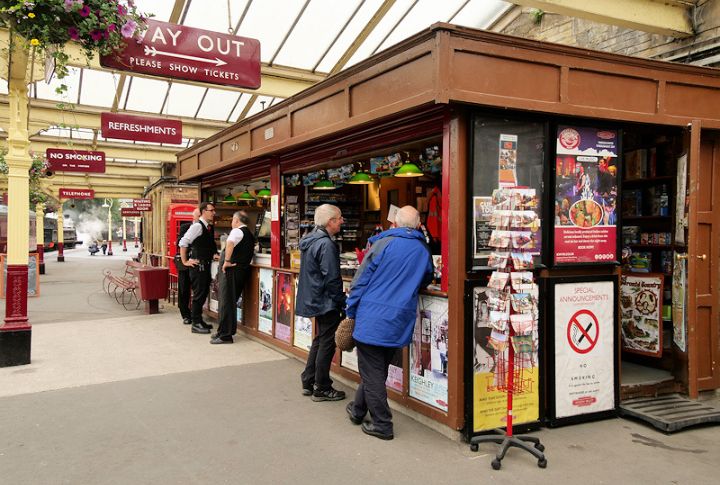
Tiny kiosks selling newspapers, maps, and snacks were part of nearly every station. They connected travelers to the world and fueled journeys with their offerings. Automated vending machines have replaced them, making stations feel less lively and personal.
The Sound of Coupling Cars
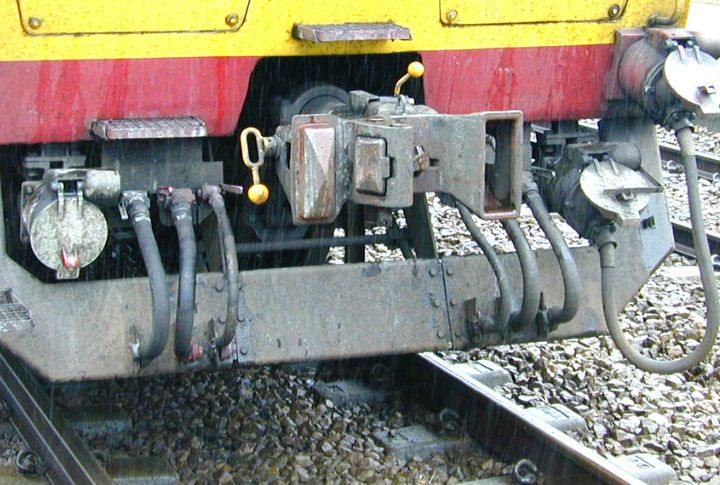
The clang and metallic groan of train cars joining was dramatic and satisfying. Not to mention standing near coaches and watching masters at work. This mechanical dance, essential to rail operations, created a unique spectacle. Today, fewer opportunities exist for fans to watch such processes up close.
Posters Promoting Exotic Destinations
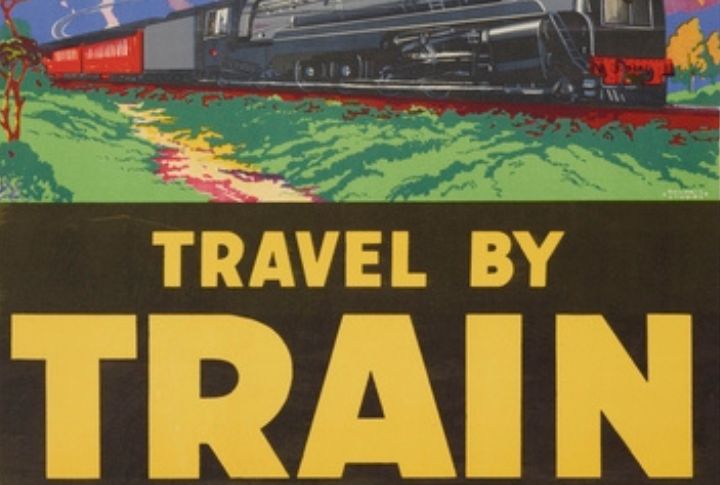
Vivid travel posters once adorned stations and carriages, sparking wanderlust with bold colors and dreamy depictions. Rail companies of the 20th century used art to invite passengers to explore the world. Modern marketing lacks the same charm as it favors virality over artistic inspiration.
Hand-Operated Switches

Switch operators manually guided trains onto new tracks, a skillful and visible part of rail life. Watching workers operate levers and signals became a favorite sight for enthusiasts. Automation has eliminated much of this hands-on work, and it lives only in our memories.
Trainspotting with Timetables
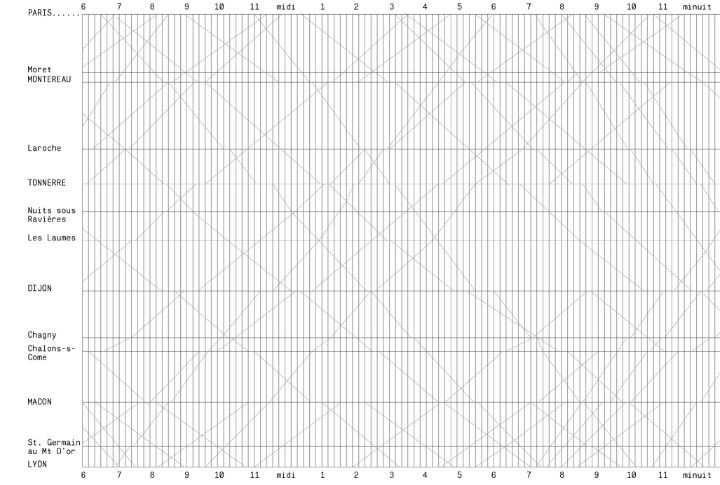
Rail fans once delighted in tracking locomotives armed only with schedules and a good vantage point. Station masters often shared insider tips and added to the fun. Digital tracking has replaced this analog pastime and the thrill of anticipating the arrival of a specific train.
Handwritten Chalkboards
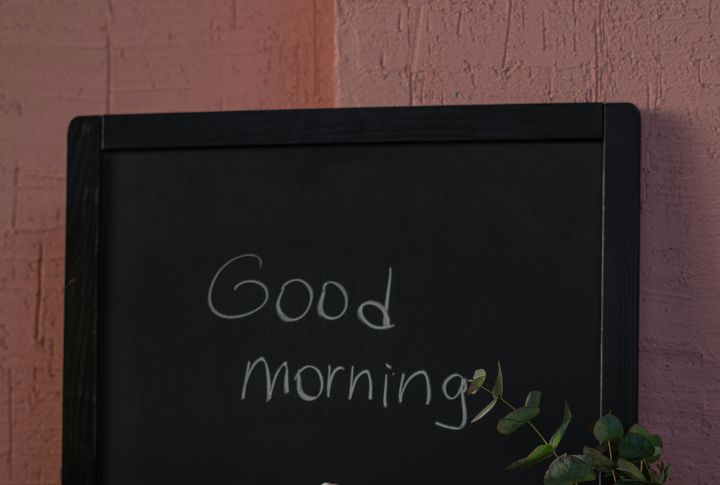
Schedules and announcements scribbled on station chalkboards carried a personal touch. Unique handwriting styles gave each board character, connecting passengers to their journey. Digital displays now dominate it. Efficient? Yes. Impersonal? No. Real ones know chalkboards have their own charm.
The Atmosphere of Waiting Rooms
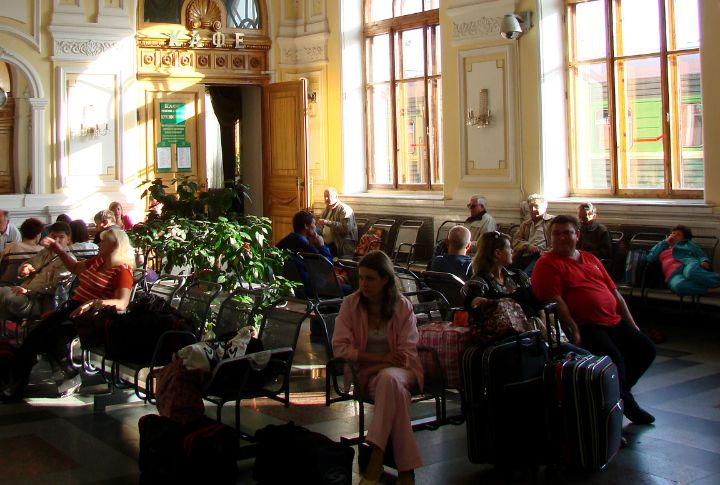
Train station waiting areas were once full of life and offered comfortable seating, delicious cafeterias, and spaces for cheerful chatter. Designed for comfort, they invited travelers to linger. Sparse, functional spaces have replaced them, losing the warmth that made waiting for a train an experience worth savoring.