20 Electric Cars That Made History Before Tesla
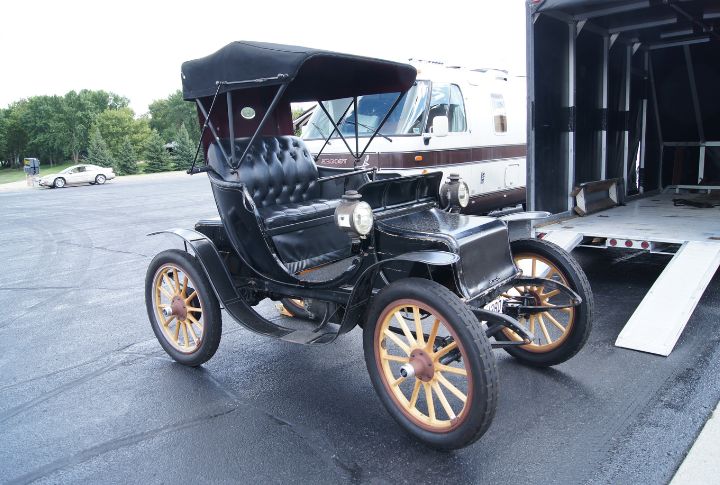
Electric cars may seem like a modern innovation, but their history dates back over a century. Long before Tesla and the EV revolution, automakers experimented with battery-powered vehicles, some of which were surprisingly advanced for their time. Let’s take a journey through the electric cars that time forgot.
General Motors EV1
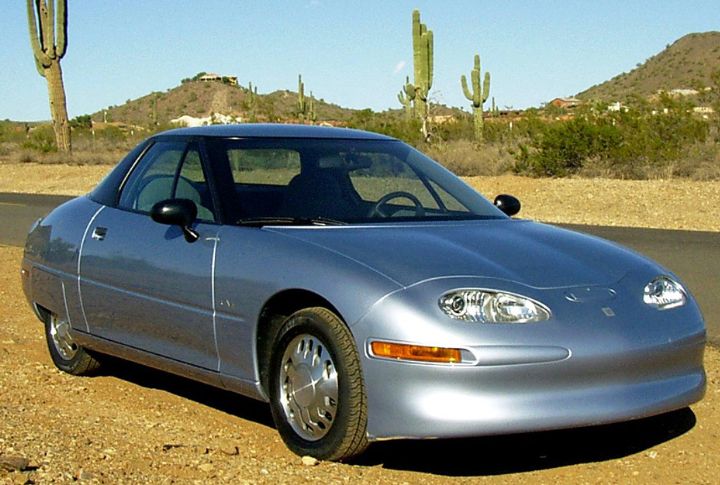
The GM EV1 was a groundbreaking electric car launched in 1996, marking one of the first serious attempts at a modern EV. It featured a sleek aerodynamic design and up to a 140-mile range in its second generation with NiMH batteries.
Thomas Parker’s Electric Car
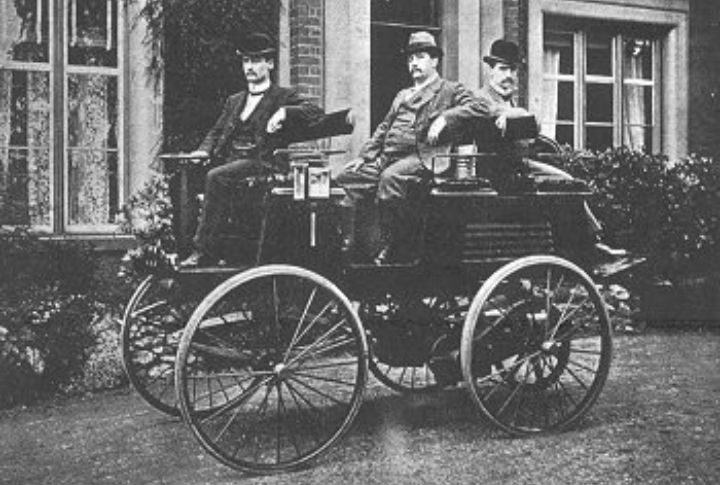
British inventor Thomas Parker developed one of the earliest practical electric cars in 1884. A pioneer in battery-powered transport, Parker also worked on electric trams and public lighting. His electric vehicle used rechargeable lead-acid batteries and was designed to reduce pollution in cities.
Sebring-Vanguard CitiCar
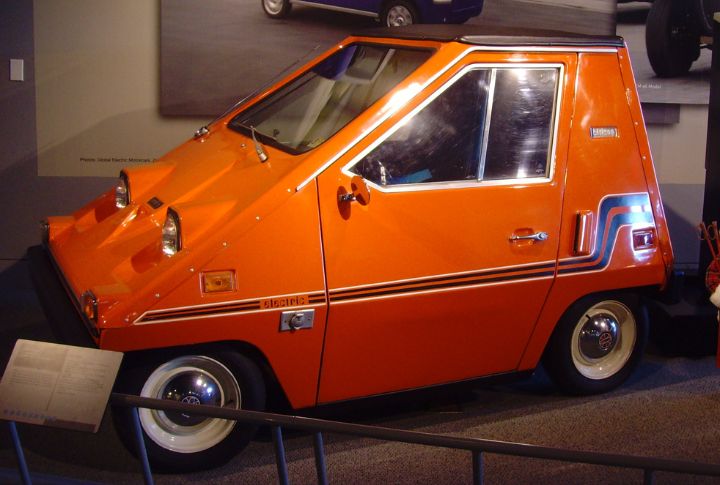
Produced between 1974 and 1977, the Sebring-Vanguard CitiCar was a wedge-shaped micro EV designed in response to the 1970s fuel crisis. It had a top speed between 30-50 mph and a range of 40 miles, which made it ideal for short city trips.
Ford Comuta

Designed for urban environments, the Ford Comuta had a tiny two-seater body and a modest 37-mile range. Its top speed was only 37 mph, which limited its usability. While the Comuta never went into production, it showcased Ford’s early interest in EV technology.
BMW 1602 Elektro-Antrieb
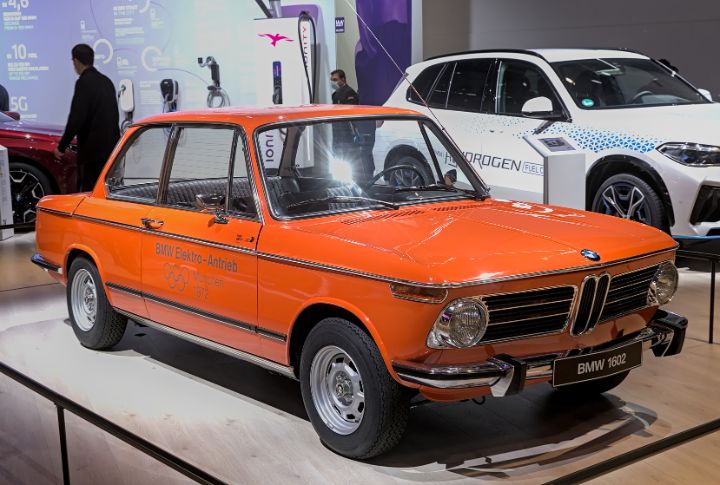
In 1972, BMW introduced the 1602 Elektro-Antrieb as part of a demonstration for the Munich Olympics. This electric version of the 1602 sedan used a 772-pound battery and had a top speed of 62 mph. It could accelerate to 30 mph in 8 seconds.
Morris And Salom’s Electrobat
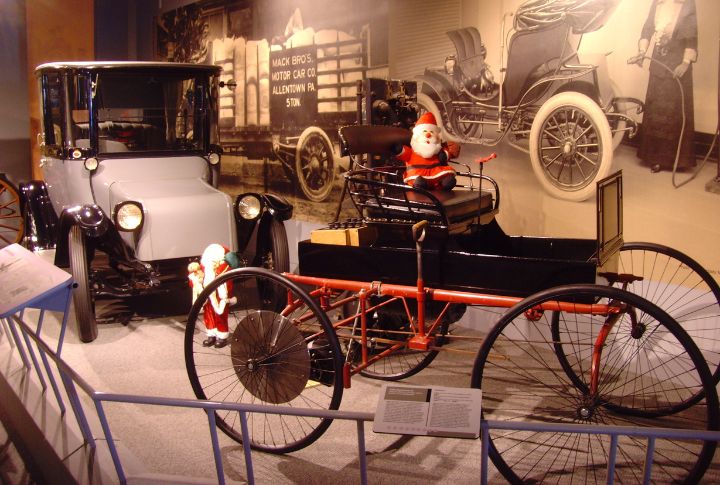
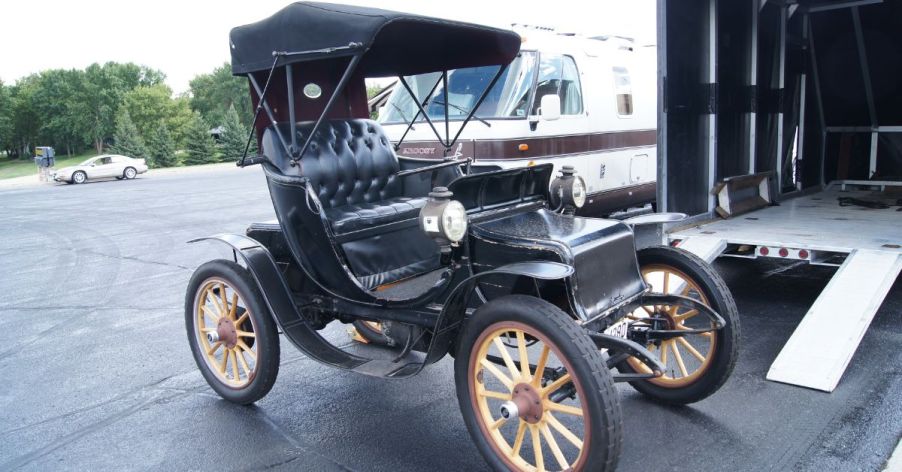
The Electrobat was one of the first electric cars built in the US. It resembled a horse-drawn carriage but replaced the horse with an electric motor and heavy lead-acid batteries. While early versions were slow and bulky, later models became more practical.
Honda EV Plus
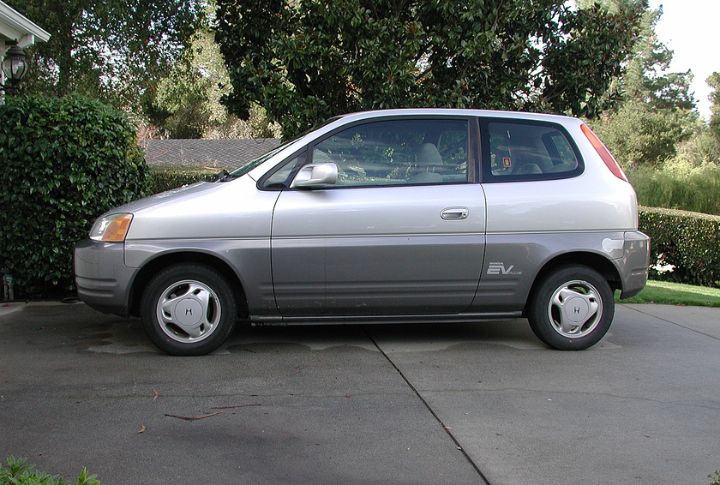
About 300 units of the Honda EV Plus were produced. It was launched in 1997, and unlike other EVs of its time, it used an advanced nickel-metal hydride battery. The battery gave it a range between 60 and 80 miles.
Ford Ranger EV
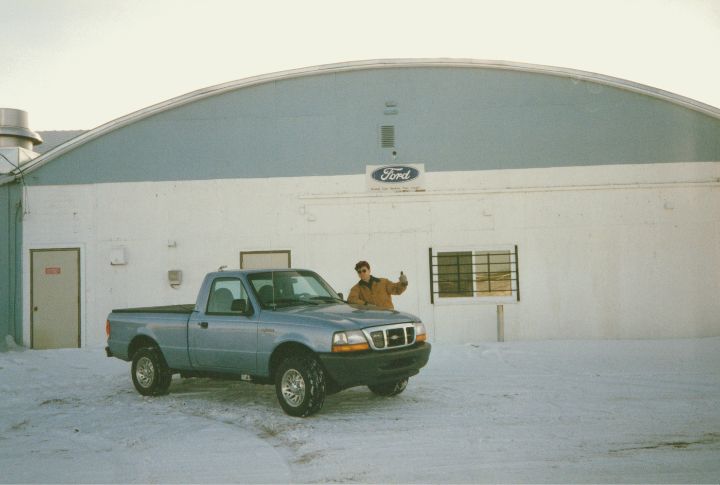
Ford used the Explorer’s light truck chassis to build the Ranger EV. It was produced between 1998 and 2002, with 1999 models featuring NiMH batteries, which improved the acceleration to 50 mph from 11.6 seconds to 10.3 seconds.
Baker Electric
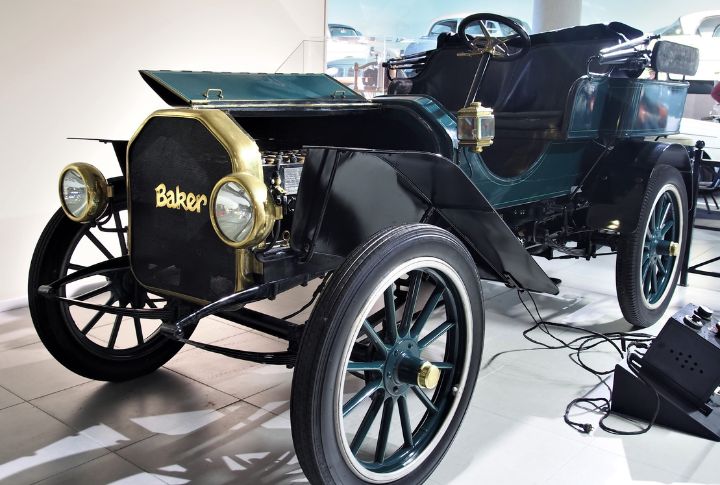
The Baker Electric was a luxurious, silent electric car that appealed to wealthy customers, including Thomas Edison. One of the cars was part of the first White House fleet of cars and was driven by the wife of William Howard Taft.
Toyota RAV4 EV
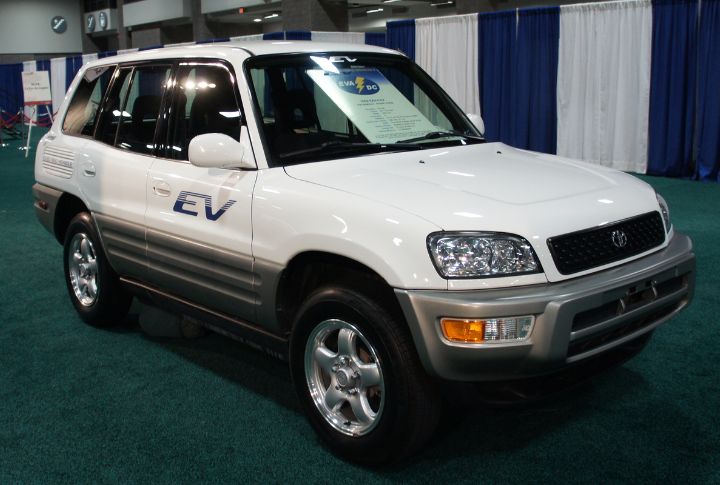
The Toyota RAV4 EV had two generations, with the first introduced in 1997 and offered a range of about 95 miles but was mainly leased to fleets. The second-generation model was co-developed with Tesla and featured a more powerful drivetrain.
Chrysler TEVan
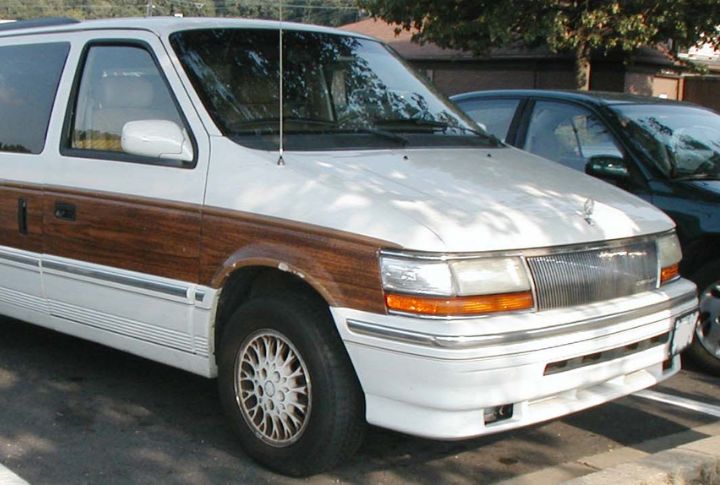
Also known as Dodge Caravan Electric or Plymouth Voyager Electric, only 56 units were produced from the Chrysler TEVan. Half of those featured the NiFe battery chemistry, while the others featured the NiCd chemistry. It could accelerate to 50 mph in 31 seconds.
Riker Electric Car
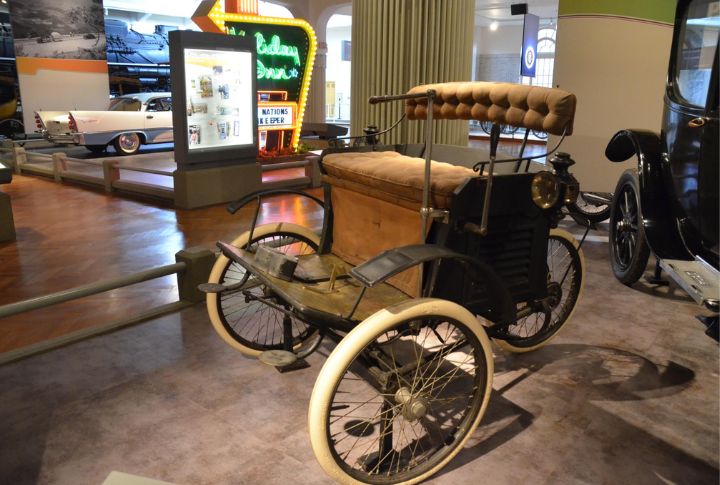
Only a few numbers of the Riker Electric Car were produced. It was designed by Andrew Riker and was a high-performance electric vehicle of its time. Riker’s engineering advancements contributed to later automotive developments, though electric cars soon lost favor to gasoline-powered alternatives.
Nissan Altra EV
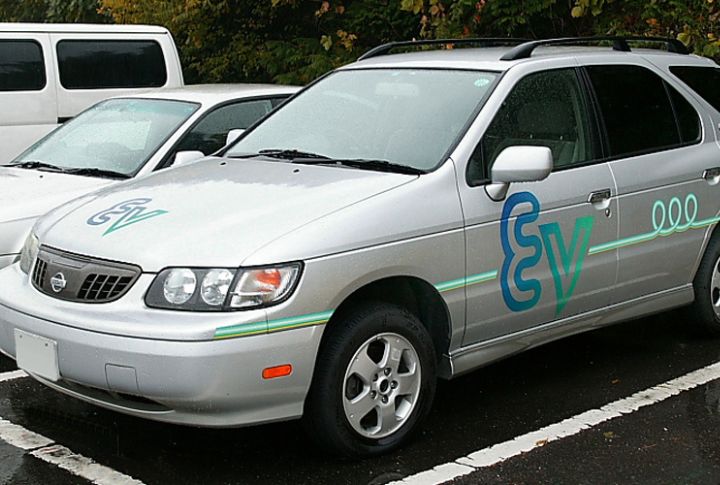
Based on the R’nessa, the Nissan Altra EV was the first electric vehicle to use a lithium-ion battery in production. It had a 120-mile range, which was impressive for its time. However, Nissan only produced around 200 units, mainly for fleet use.
AMC Amitron
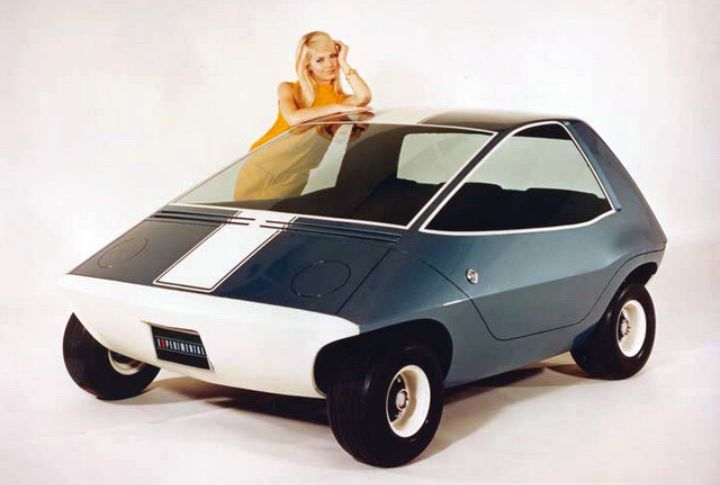
In 1967, AMC built the Amitron with an impressive battery system that could provide a range of 150 miles on a single charge. Ten years later, the prototype was updated to produce the Electron, which showcased AMC’s interest in alternative fuels and early EV technology.
Chevrolet S-10 EV
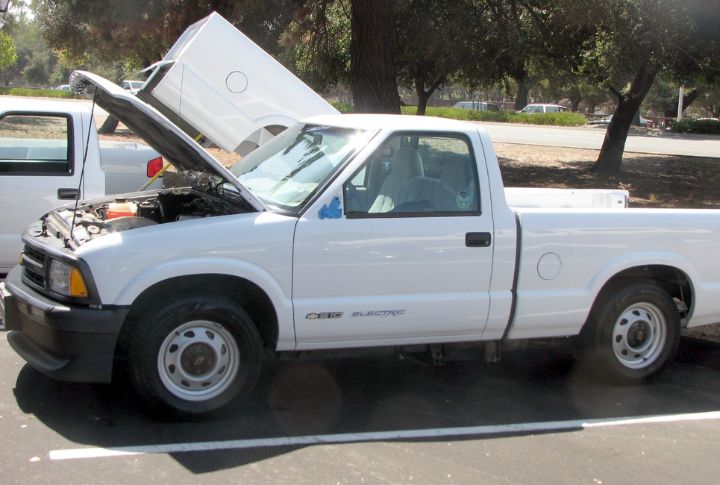
Although production of the S-10 EV lasted one year, some still survive today. It came with lead acid and nickel–metal hydride battery options. Depending on its load and driving conditions, the 1998 NiMh options had a range of up to 72 miles.
Detroit Electric
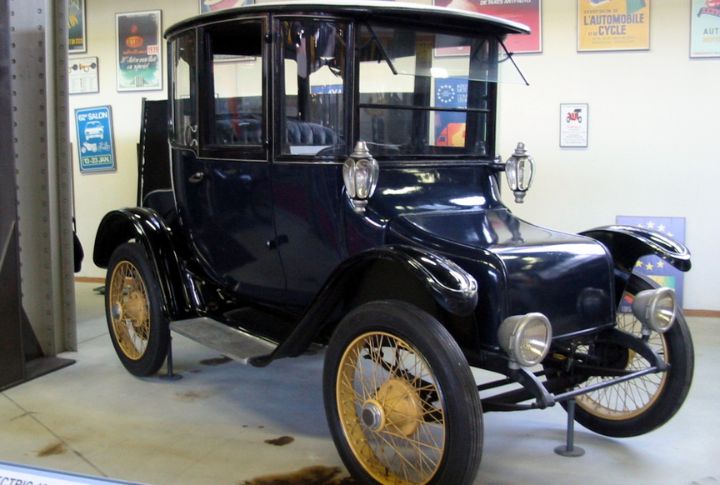
The Anderson Electric Car Company produced 13,000 units of the Detroit Electric between 1907 and 1939. This early electric car even made its way into pop culture, as Grandma Duck in Disney cartoons appears to drive one. Notable owners included John D. Rockefeller Jr. and Clara Ford, wife of Henry Ford.
Think City
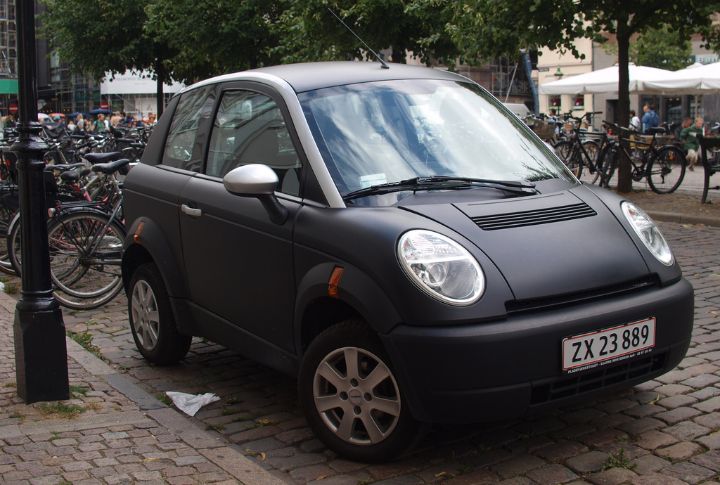
Trials for producing Think City started in 2001, but the car was successfully produced from 2008 to 2011 in Europe. It was a 2+2-seater highway-capable vehicle with a 3-phase electric induction motor. Though briefly sold in the US, it never gained traction.
Hyundai BlueOn
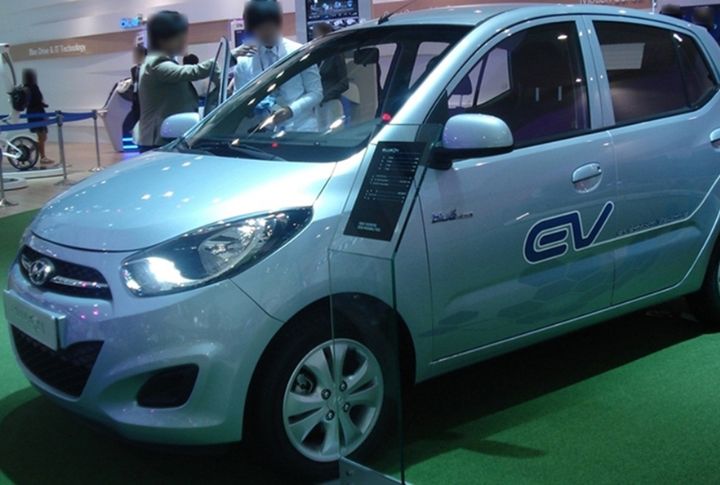
The subcompact Hyundai BlueOn was developed as a testbed for future EV technology. Based on the Hyundai i10, it featured a 16.4 kWh lithium-polymer battery and had a range of around 87 miles per charge. Only 30 units were exclusively tested in South Korea.
Mitsubishi i-MiEV
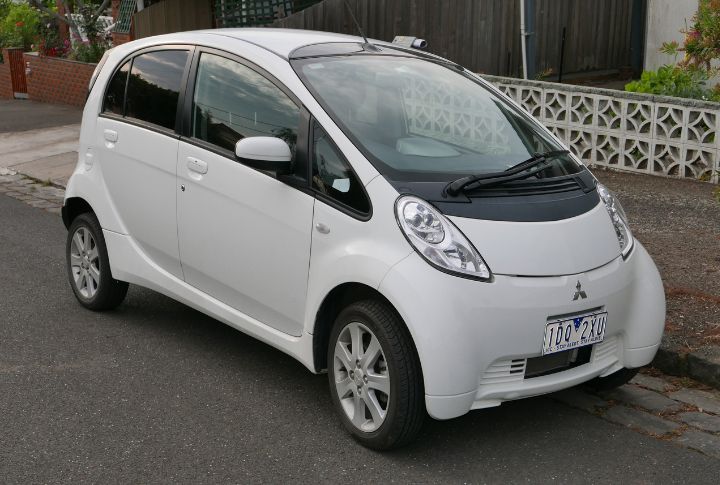
One of the first mass-market EVs, the Mitsubishi i-MiEV was a tiny, rear-wheel-drive city car with a 62-mile range in the US. It was efficient and affordable, but its odd styling, cramped interior, and limited highway performance made it a niche vehicle.
ZENN
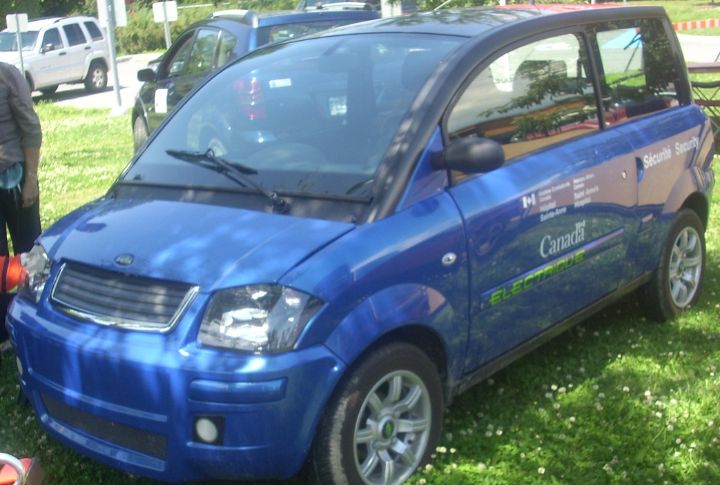
The ZENN was a Canadian-built low-speed EV designed for city driving. Its top speed was limited to just 25 mph, making it legally classified as a neighborhood electric vehicle. With a range of around 40 miles, it was practical for short trips but lacked versatility.