20 Cars Hiding Unexpected Engines Under The Hood
Sometimes a car’s badge tells only half the story. Beneath polished exteriors and iconic logos, borrowed engines quietly hum away, shaping performance in unexpected ways. Brands that seem worlds apart have, more often than not, shared their firepower. Here’s a closer look at twenty cars where the real heart comes from somewhere else.
AC Cobra
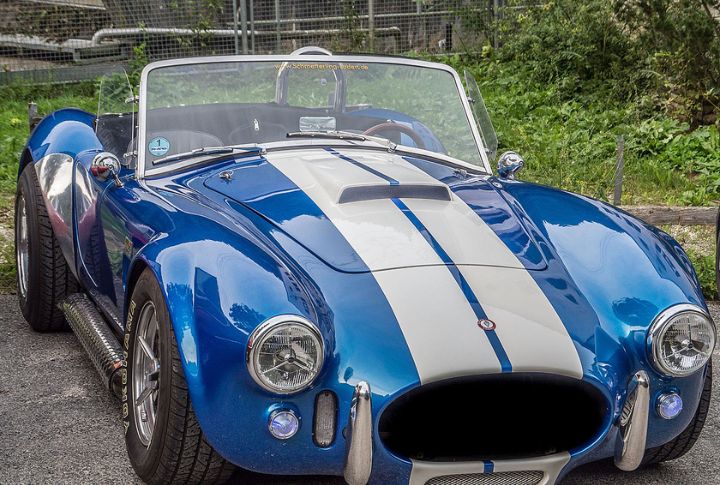
Carroll Shelby’s engine swap made this tiny British roadster into a fearsome contender. A Ford-sourced 4.7L V8 provided it with explosive torque, turning lightweight into lethal speed. The result? A raw, tire-smoking icon that blasted the AC Cobra into performance legend.
McLaren F1
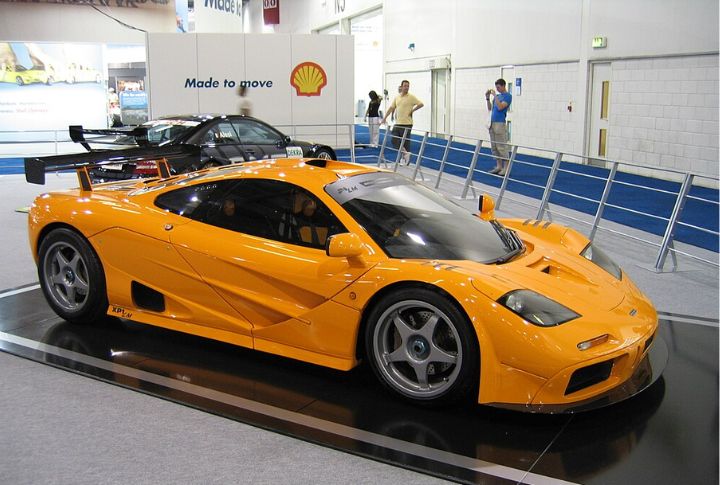
When Honda passed, BMW delivered. The McLaren F1’s screaming V12 came straight from Bavaria, 6.1 liters of unfiltered perfection. It gave the F1 its soul, hitting 240 mph without turbos. It’s a British legend, but it beats with a very German pulse under that center-seat layout.
Ford GT70
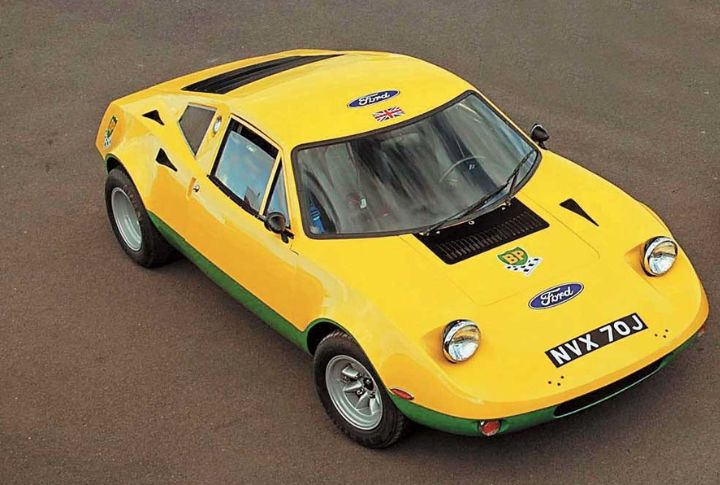
Ford was on the hunt for a rally powerhouse and turned to its European arm for the muscle. The GT70 packed a 2.6L V6 engine built in Cologne, making it more German under the hood than many realized. It was light, ambitious, and ready to take on the rally stages—though, unfortunately, it fizzled out before it could make a real impact.
Lamborghini Jarama
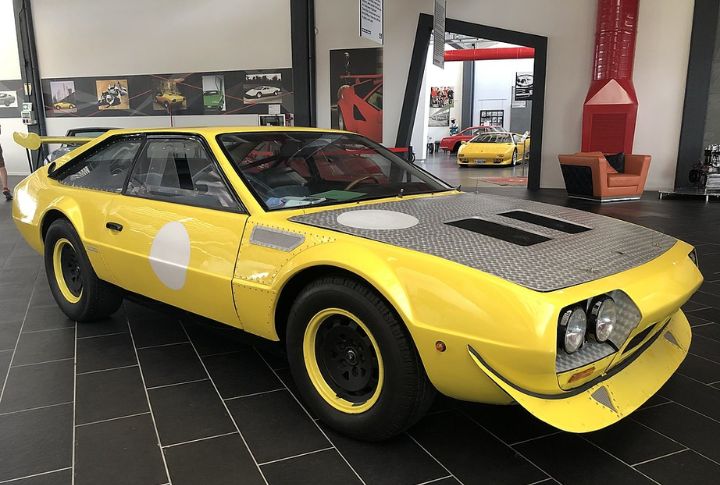
It’s not a complete engine swap, but it’s worth noting. Some Jaramas came with Chrysler’s TorqueFlite automatic. It clashed with the high-revving V12 yet made cruising smoother. Italy and Detroit rarely share DNA, but luxury and muscle awkwardly shook hands in this case.
Alpine A110
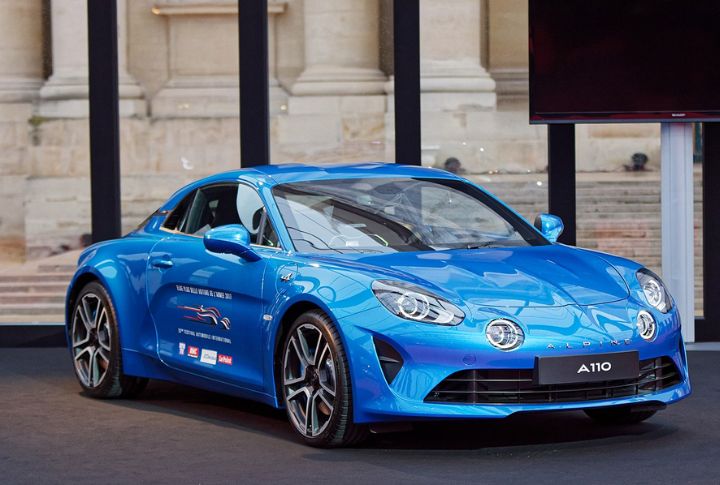
Renault’s turbocharged 1.8L four-cylinder engine powers the featherweight Alpine A110, a French sports car with practical tech roots. Despite borrowing its heart from the Renault Megane RS, the A110 feels anything but ordinary. Agile and sharply tuned, it’s a brilliant example of everyday engineering turned exhilarating.
Aston Martin Vantage
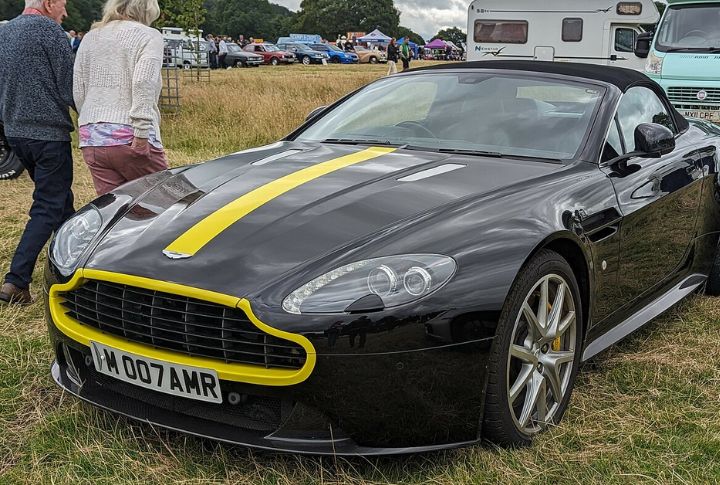
Underneath that tailored British bodywork lies a Mercedes-AMG twin-turbo V8. It’s loud and wildly efficient. Aston kept the looks but outsourced the roar. This was less about saving cash and more about upgrading Fury, with the Stuttgart supplying the soundtrack.
Toyota Supra
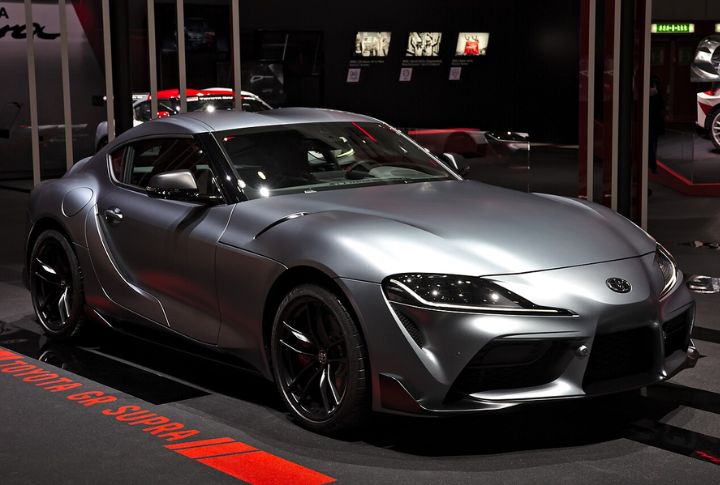
The fifth-gen Supra stirred up a storm. Toyota enthusiasts expected a revival of homegrown engineering. Instead, they got BMW’s turbocharged inline-six. It runs smoothly and sounds distinctly un-Toyota. The bones are German, and the badge is Japanese, although the internet still debates it.
Volvo XC90
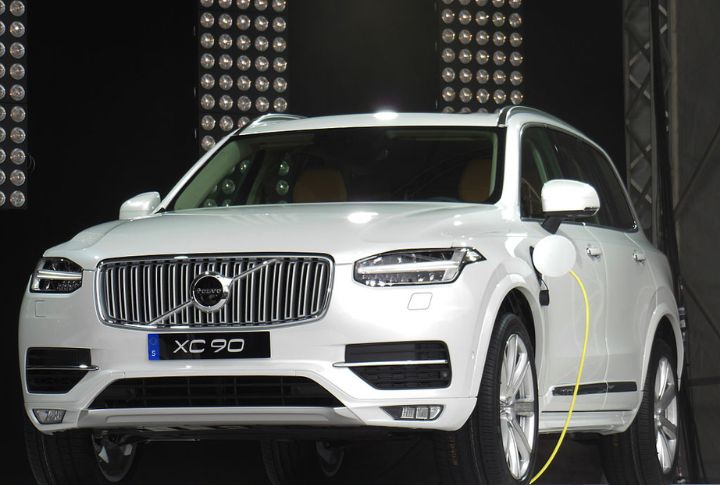
The 4.4L V8 sat sideways in the XC90, pushing all-wheel drive and plenty of unexpected grunt. Yamaha designed the engine for tight packaging, silencing skeptics with its seamless fit. Volvo’s first V8 came from Yamaha to add a dose of motorcycle mischief to the Swedish SUV scene.
Noble M600
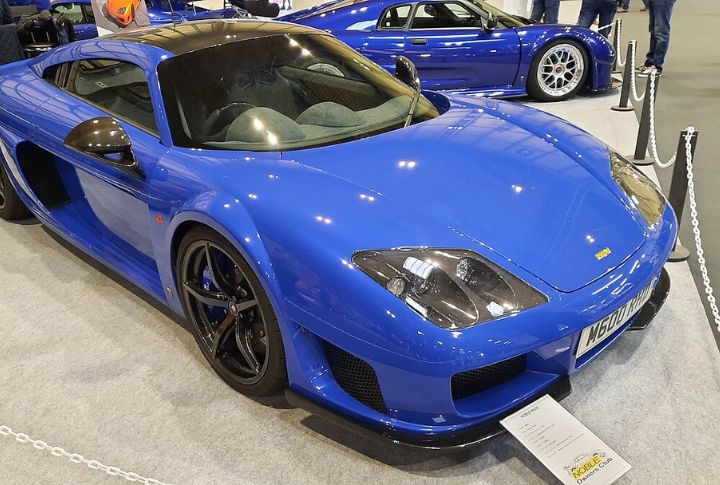
It took a family-hauler base and turned it into a fire-breather. Boosted with twin turbos, the V8 in the M600 was a Yamaha-tuned Volvo unit—more Swedish ingenuity than British tradition. Built in Britain, yes—but the muscle came courtesy of a clever Scandinavian transplant.
Audi S8
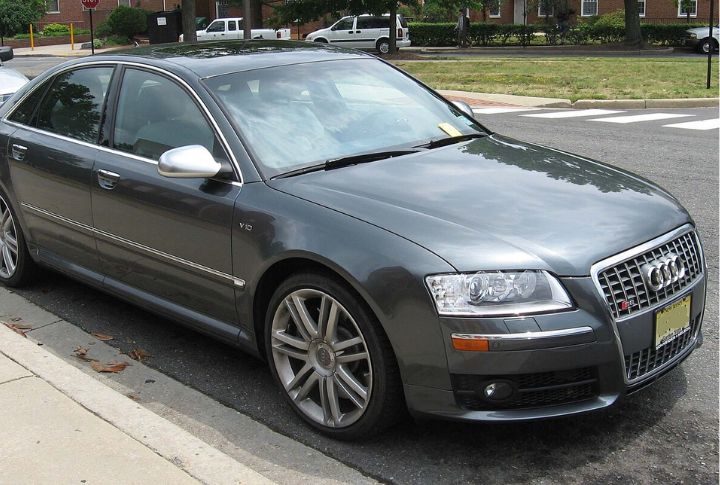
The D3 Audi S8 (2006–2010) concealed a Lamborghini-derived 5.2L V10 beneath its understated exterior, borrowed from the Gallardo but reworked for everyday use. It looked like a business executive’s ride, yet sounded like a wild Italian thoroughbred. Subtle on the outside, outrageous under throttle.
Jaguar F-Type R
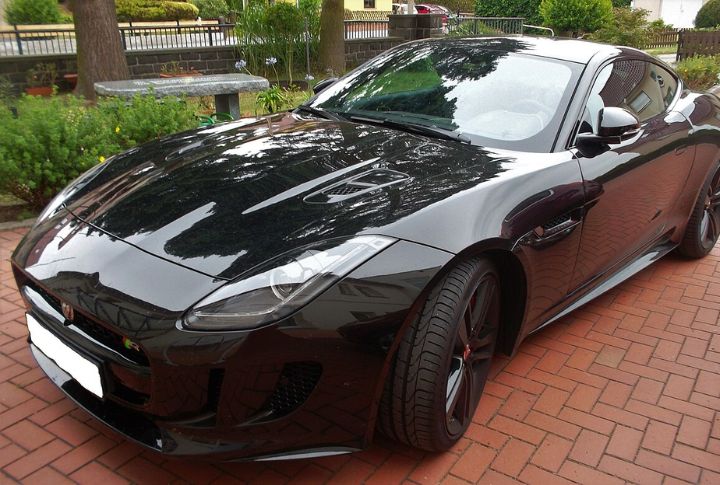
While it shares DNA with the Mustang, this engine takes on a new persona when paired with the Jaguar’s polished aggression. The F-Type R carries a 5.0L supercharged V8 under its elegant skin, a Ford-built brute tuned for refinement.
Maserati Quattroporte
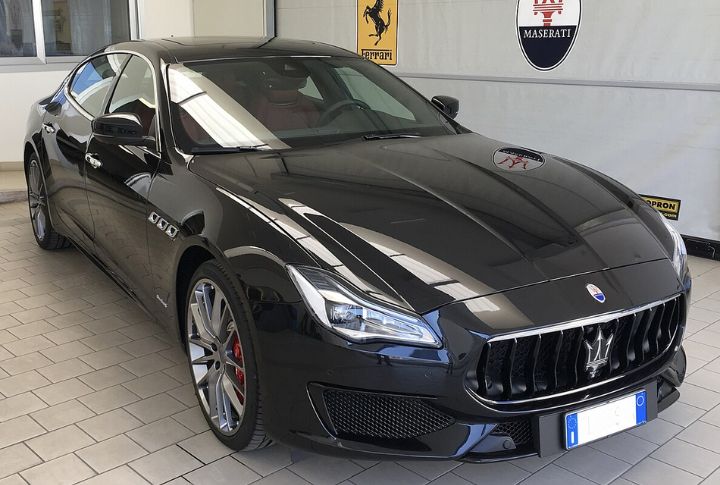
A 3.0L V6 co-developed with Chrysler powers the lower trims of the Quattroporte—yes, Detroit muscle wrapped in Italian tailoring. It’s part of the Maserati experience now: unexpected and controversial, but it works—Italian flair on the outside, American roots buried quietly under the hood.
De Tomaso Longchamp
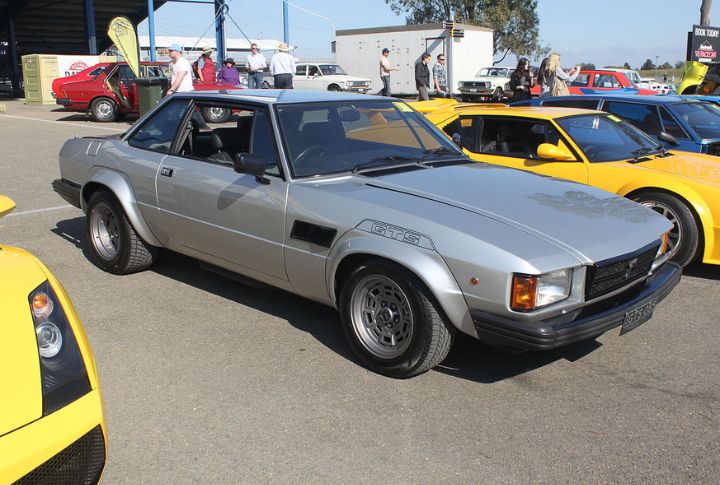
The Longchamp flexed biceps under a silk robe: unapologetic about the Ford 5.8L Cleveland V8 burbling beneath the hood. This Italian grand tourer wraps an American muscle car in European lines and cruises past convention with a confident, rumbling strut.
Fiat Dino
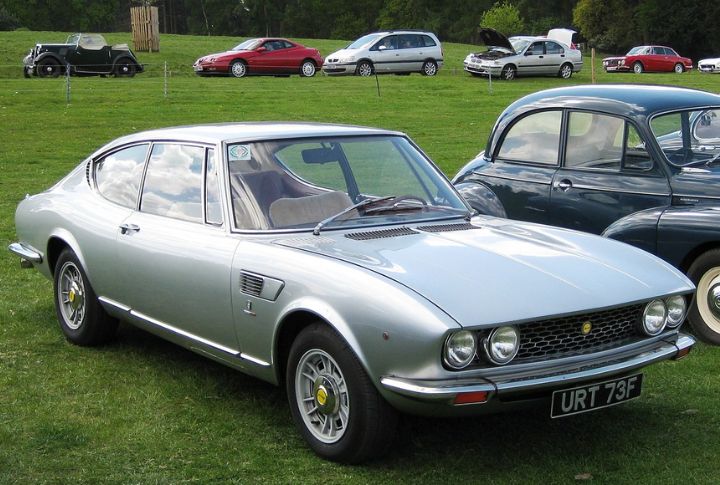
What do you get when Ferrari needs to qualify for a race engine but doesn’t want to build a new car? You get the Fiat Dino. Homologation rules meant the V6 went into a Fiat coupe and Spider. It didn’t wear a prancing horse, but it roared like one anyway.
Pagani Zonda
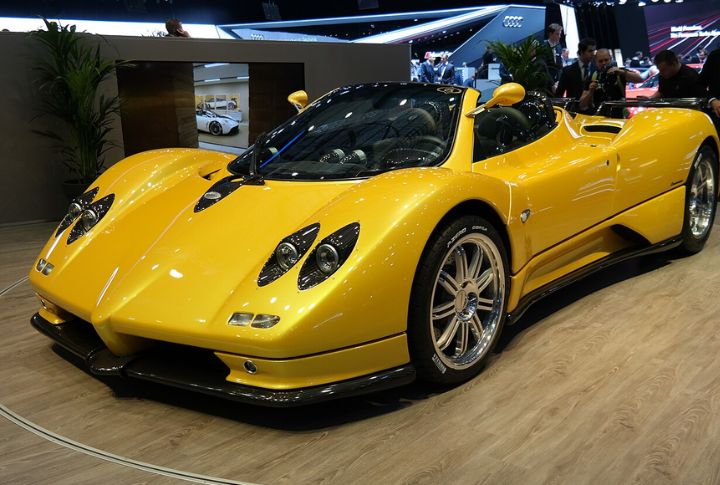
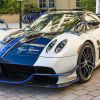
Thanks to Stuttgart’s wildest creation, every Zonda sang a thunderous opera. The naturally aspirated 7.3L V12 was a declaration of mechanical passion. Pagani brought art, and AMG brought fire. When Pagani turned to AMG for its powerplant, it struck gold in pure, roaring form.
Ariel Atom
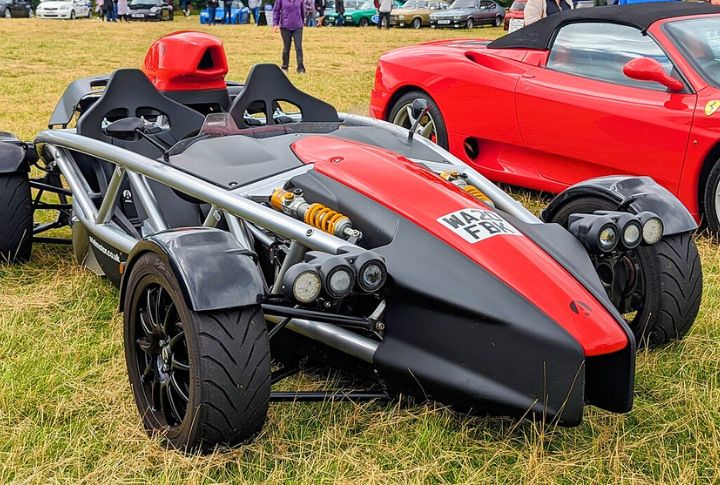
The Ariel Atom delivered an absurd performance with zero frills, powered by Honda’s K20 engine from the Civic Type R. High-revving and unhinged, it turned practicality into chaos. There was no roof, no body panels—just a feral tube-frame rocket engineered to thrill and terrify in equal measure.
Lotus Exige
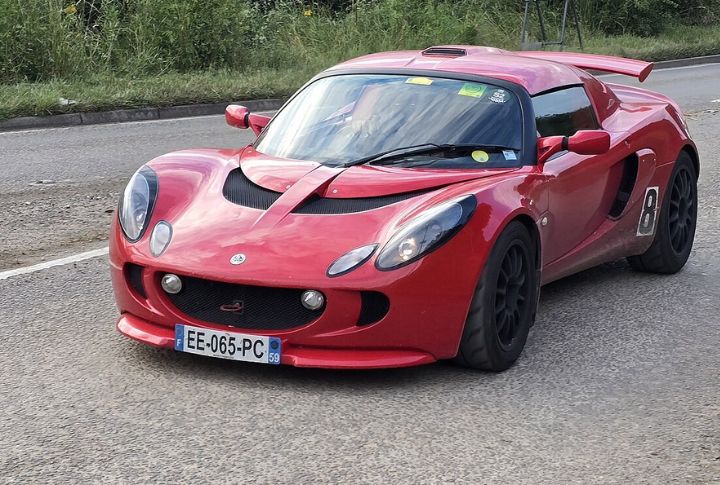
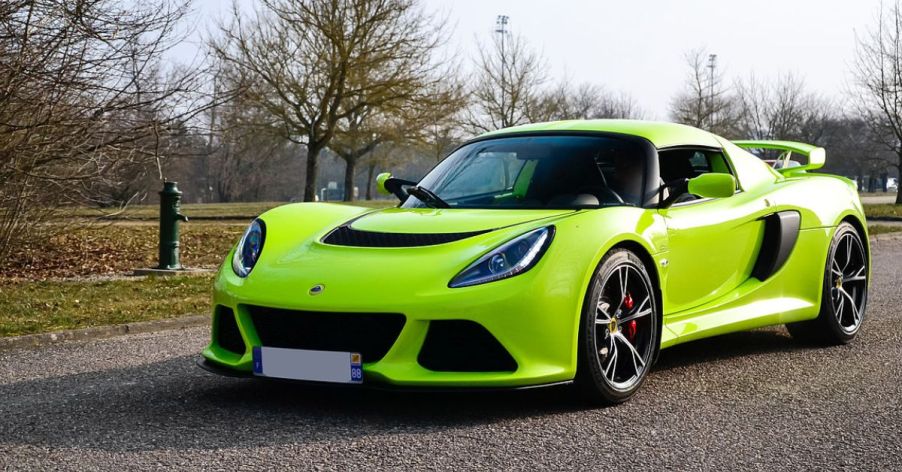
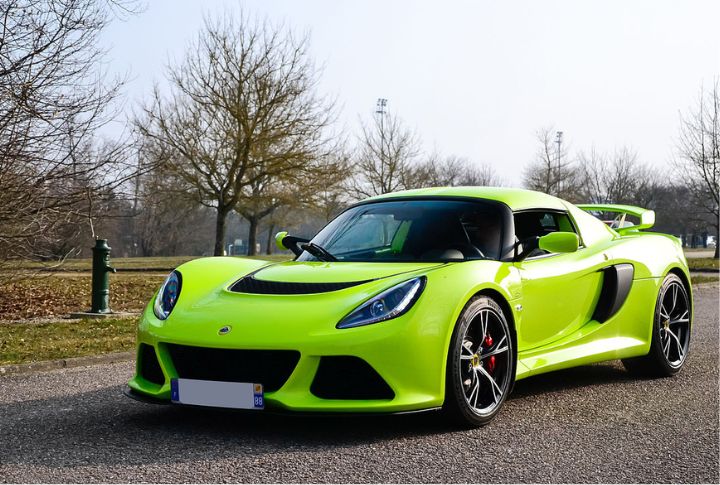
Low weight and a commuter engine on caffeine—suddenly, the grocery-getter had serious track-day swagger. Once Lotus worked its magic, that Camry-sourced supercharged V6 turned into something fierce. Yes, the heart came from a sedan, but the result was anything but average.
BMW 116i
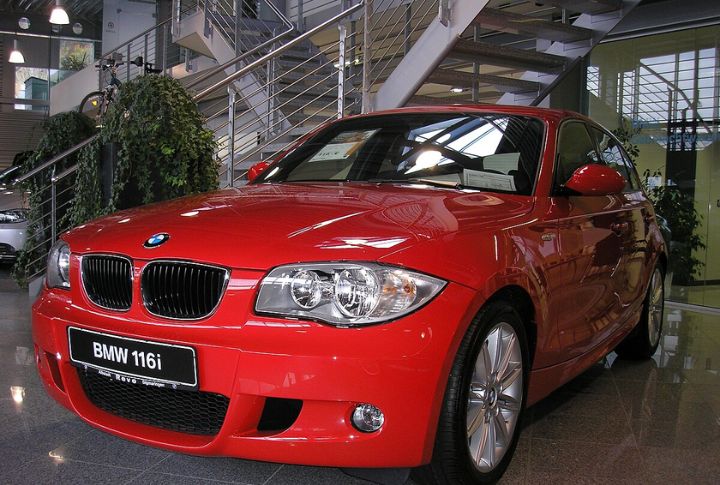
It wasn’t fast. It wasn’t flashy. But for budget buyers, it worked. BMW’s 116i hatch used a PSA-sourced engine—yes, Peugeot power in a Bavarian body. The logo said Germany. The torque said France. Purists cried betrayal, but the partnership delivered efficiency over thrills.
Toyota GT86
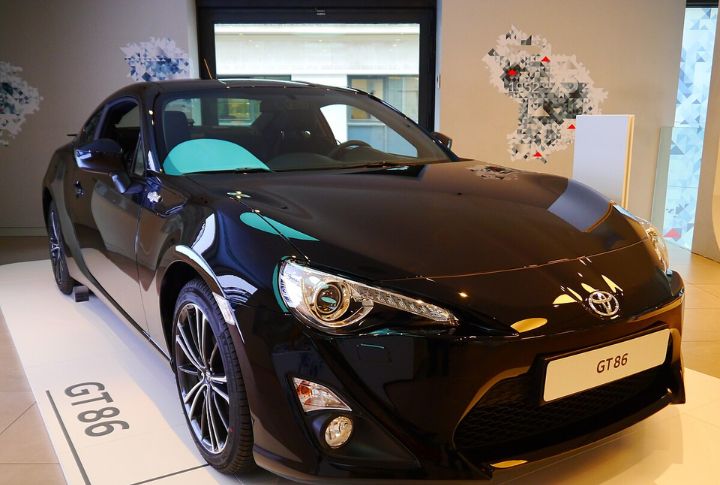
That flat-four gave it balance and a raw, analog feel. Built from shared engineering, the GT86 combined Subaru’s boxer engine with Toyota’s tuning. The result? A corner-carving machine where performance mattered more than branding. In this case, badge loyalty quietly stepped aside for driving joy.
Mercedes-Benz A-Class
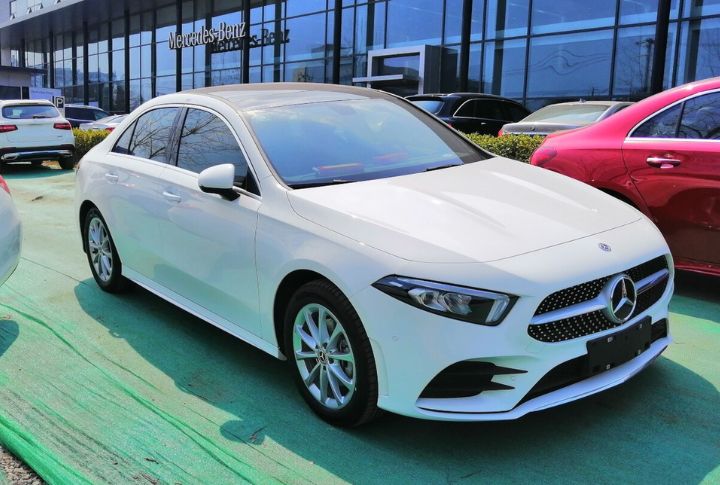
Not all Benz engines come from Stuttgart. Some diesel A-Class models rely on Renault powerplants. It’s not glamorous, but it’s practical. You won’t hear the roar of an AMG, but you’ll enjoy solid fuel efficiency. French engineering wrapped in German marketing—efficient and flying under most radars.