15 1950s Cars That Didn’t Quite Live Up To Expectations

The 1950s were a golden era for automotive design, with flashy new models and bold promises hitting the streets. But not every car from this glamorous decade lived up to the hype. Explore 15 classic ‘50s cars that didn’t quite meet the lofty expectations set by their era’s ambitious marketing and design dreams.
Lotus Elite (1958)
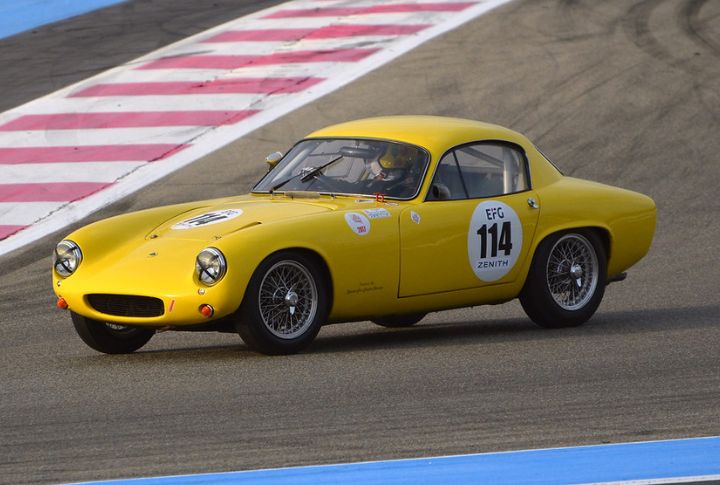
A lightweight sports car featuring an advanced fiberglass monocoque construction, the Lotus Elite was praised for its efficient movement and stability. However, some drivers reported reliability problems with its Coventry Climax engine. The manufacturers also incurred high costs due to the complex production of its fiberglass body.
BMW 507 (1956)
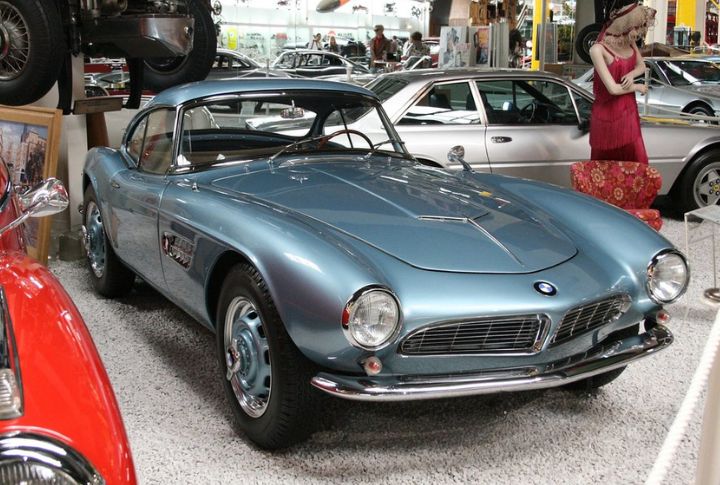
With its stunning roadster design, the makers of the BMW 507 intended for it to compete with luxury sports cars from Mercedes-Benz. It was an aesthetically striking automobile, but the 507 faced significant financial challenges. High production costs resulted in a price tag nearly double the initial estimate, making it unaffordable for most buyers.
Zunndapp Janus (1958)
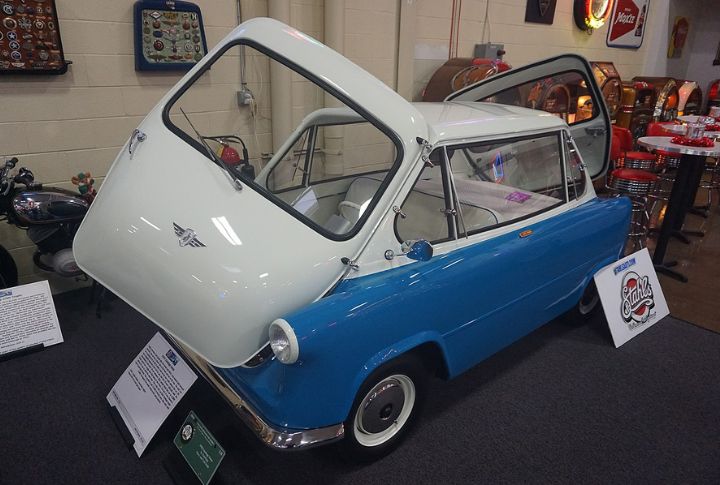
Named after a two-faced Roman god, the Zündapp Janus was a microcar produced by the German manufacturer Zündapp. Its design featured front and rear doors and back-to-back seating for four passengers. Despite its innovative concept, the Janus struggled in the market due to its unconventional layout and limited practicality.
Hudson Jet (1953)
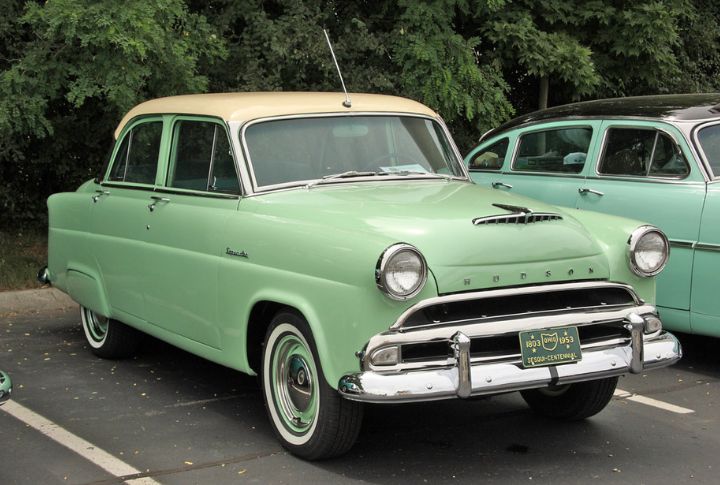
As a compact car, Hudson introduced the Jet to compete with Chevrolet Corvair and Ford Falcon. Company leaders required features like a high roof for high-back seating and space for drivers to wear hats. However, its development costs were high, and the public considered its styling bland, ultimately leading to the company’s merger with Nash-Kelvinator.
Henry J (1950)
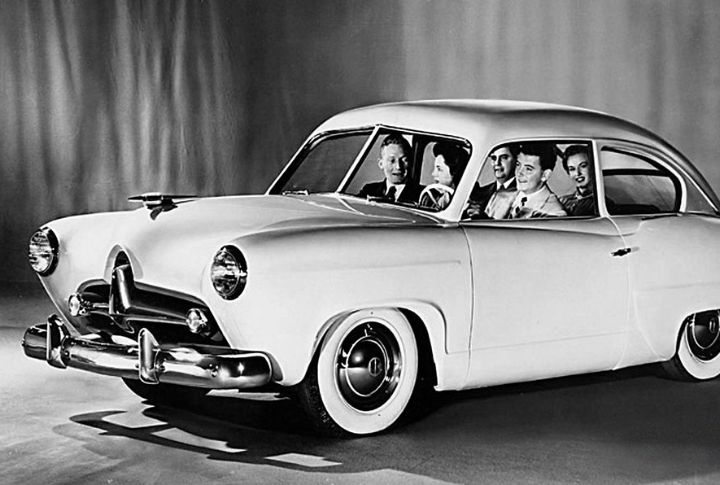
The Henry J set out to be the most affordable compact car for the American market. It was stripped of many features to keep costs low, but this approach turned out poorly, as consumers found it too basic. Production for the Henry J. stopped in 1954 after only four years on the market.
Ford Edsel (1958)
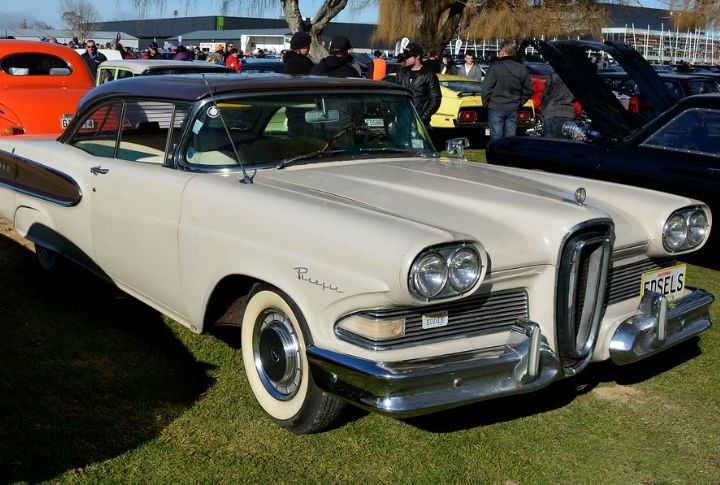
Perhaps one of the most infamous automotive misfires of the 1950s, the Ford Edsel, was heavily promoted before its launch. Ford spent millions on marketing and developing the Edsel as a new, separate brand. Sadly, its unusual appearance and poorly executed marketing campaign turned potential buyers away. Ford discontinued the Edsel in 1960.
Cadillac Eldorado Brougham (1957)

Cadillac Eldorado Brougham was an ultra-luxury sedan with abundant features, including air suspension, memory power seats, and a drink tumbler set. However, its high price tag of $13,074 (more than a Rolls-Royce) limited its appeal. Cadillac lost money on each unit sold, only producing 904 units over four years.
Chevrolet Corvette C1(1953)
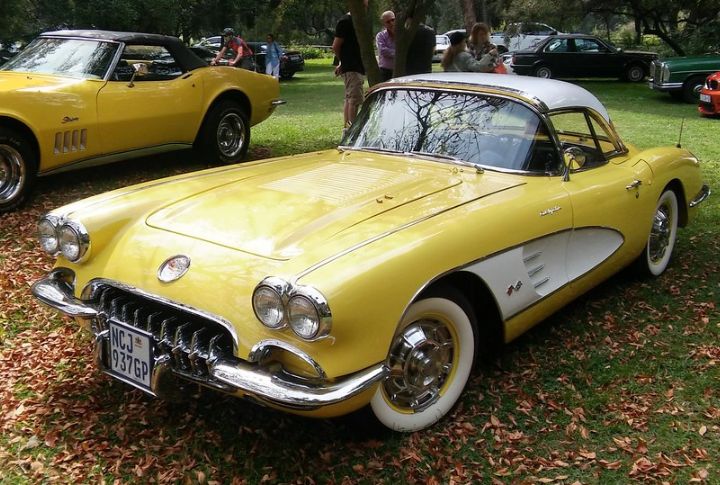
The Original Chevrolet Corvette models were good-looking and instantly recognizable, but the car’s performance didn’t match its sporty look. They packed low muscle with a modified Chevrolet’s 235 cubic inch six-cylinder engine and a two-speed automatic transmission. Sales were slow, but the introduction of the V8 engine in 1955 turned its fortunes around.
Kaiser Darrin (1954)
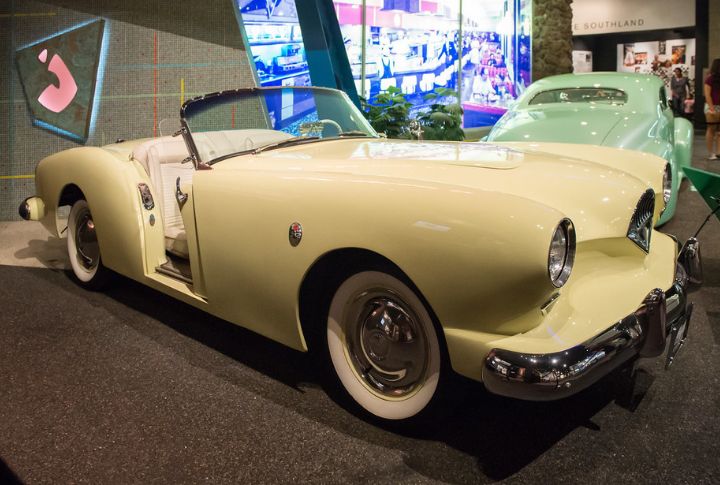
While this sports car was innovative and elegantly designed, it had a high price tag and an engine that didn’t impress many drivers. Furthermore, Kaiser Motors’ financial troubles limited production, and Darrin never gained the traction needed to succeed in a competitive market. Kaiser built only 435 units before exiting the car business in 1955.
Waterman Arrowbile (1957)
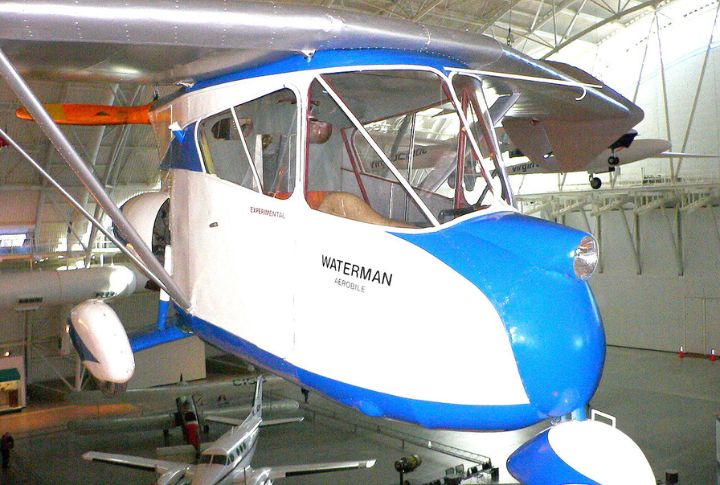
While technically impressive, the Waterman Arrowbile’s attempt at combining a car with a detachable airplane wing didn’t quite sit well with drivers. It required a pilot’s license to operate and could only be flown from an airport, significantly limiting its usability as a regular car. The limited practicality meant that only five were ever built.
Dodge La Femme (1955)

La Femme was a car marketed specifically to women. Based on the Dodge Custom Royal Lancer, it came in pink and white colors and with an umbrella, a raincoat, and a matching purse with accessories. Unfortunately, consumers saw the concept as too narrow in appeal, and after just two years, production ended.
MGA Twin Cam (1958)
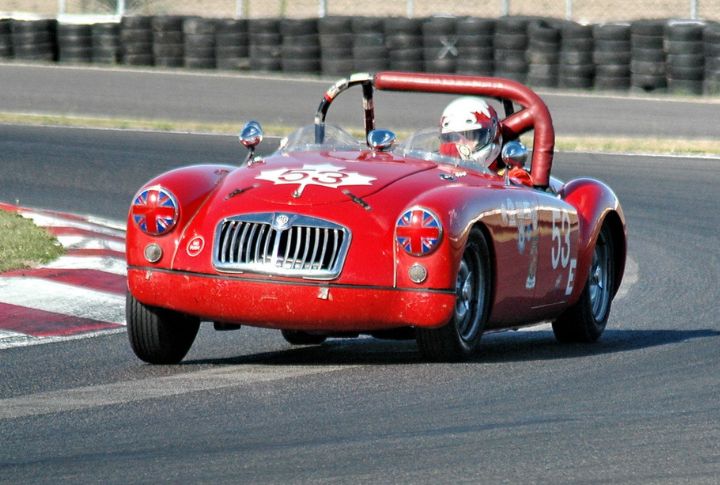
Featuring an advanced dual overhead camshaft engine, the MGA Twin Cam was a high-performance version of the popular MGA sports car. The only underside? Piston failures and oil consumption problems led to a loss of consumer confidence. MG produced only 2,111 Twin Cam models before reverting to the standard pushrod engine.
Nash/Austin Metropolitan (1954)

Later branded as the Austin Metropolitan, Nash/Austin was an early attempt at creating a “commuter car” for the American market. Its target was to provide an economical alternative to larger American cars. It had great fuel efficiency and unique styling. Still, despite that, the Metropolitan struggled to find its niche due to out-of-step styling and a performance that left many drivers unhappy.
Trabant (1957)
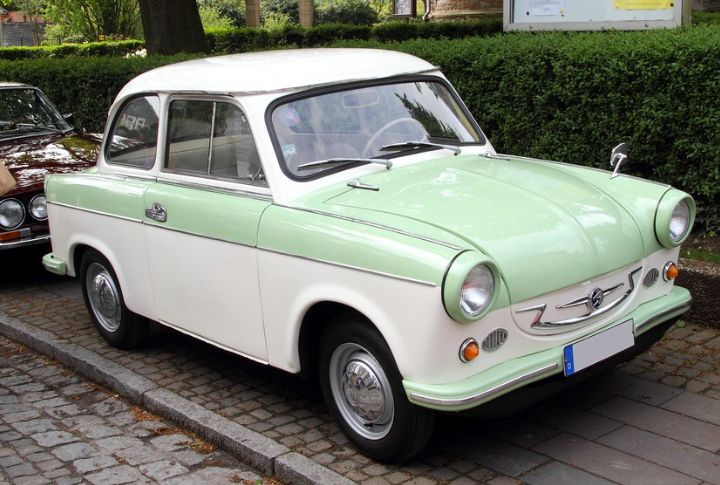
Produced in East Germany, this car was to be an affordable people’s car. To its credit, it achieved widespread use in Eastern Bloc countries. But times had changed, and consumer appetite for quality was growing. So when the lack of steel made the Trabant’s body be made of Duroplast, a plastic material reinforced with cotton waste or wood fibers, it didn’t appeal to the Western market.
Renault Dauphine – North American Version (1956)
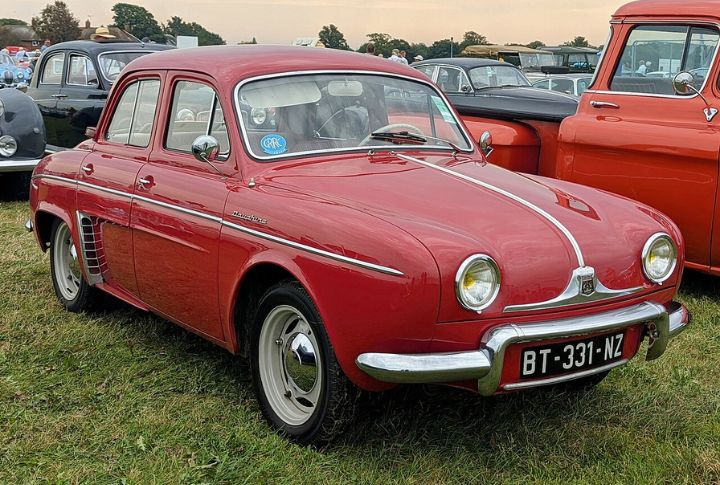
Marketed as an economical alternative to expensive American cars, Dauphine Renault faced several challenges in the US market. While it recorded great sales outside the US, its small 845cc engine, producing just 32 horsepower, was underpowered for American roads and driving styles. The North American climate also caused rapid corrosion.