15 Unusual Motorcycle Engines Throughout History
Over the years, most motorcycles have been powered by familiar engines like the single-cylinder, the parallel twin, and the V-twin. However, behind the scenes, inventors and manufacturers have occasionally strayed from the conventions and produced engines that go beyond expectations. These unusual configurations offer riders an entirely different experience.
Wankel Rotary Engine
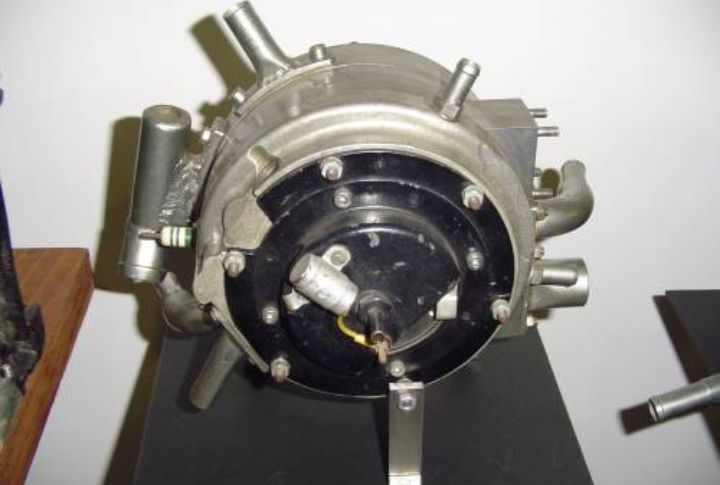
Felix Wankel started working on the Wankel Rotary Engine in the 1920s, but it was first introduced to the market in the late 1950s. Unlike a traditional piston engine, which moved pistons up and down, it used a rotating triangular rotor inside an oval housing. This design had fewer moving parts, potentially offering a smoother ride and higher RPMs, but it was complex to maintain.
Square Four Engine
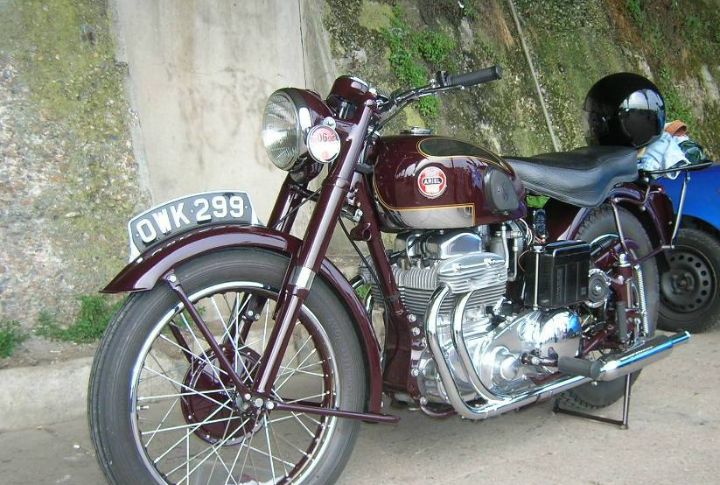
Between 1931 and 1958, the Square Four Engine or Ariel Square Four was designed to provide more power than a traditional parallel twin engine. It featured four cylinders arranged in a square formation, with two crankshafts running parallel. Despite the high torque output, its complexity and weight eventually led to its discontinuation.
Flat-Twin Engine
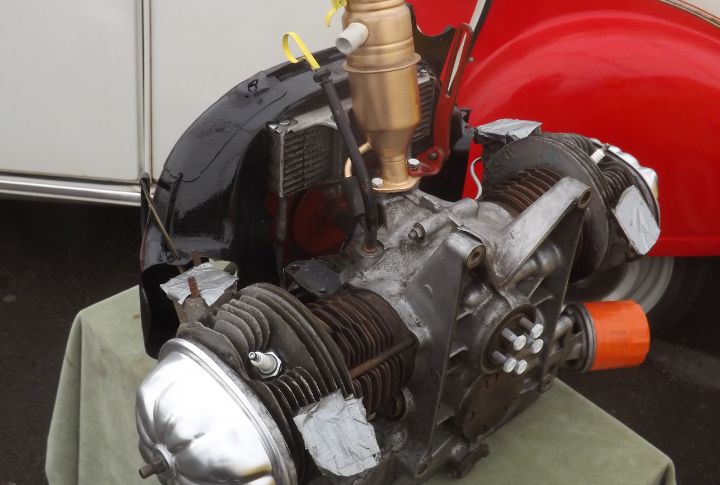
The flat-twin, or boxer engine, places two horizontally opposed cylinders on either side of the bike. It was first used in the Lanchester 8 hp Phaeton car released in 1900 but was more commonly used in bikes and aircrafts in the 1930s. It was later reserved for vehicles like the Toyota Publica due to its wide profile, however, it provided excellent balance and a low center of gravity.
Inline-Six Engine
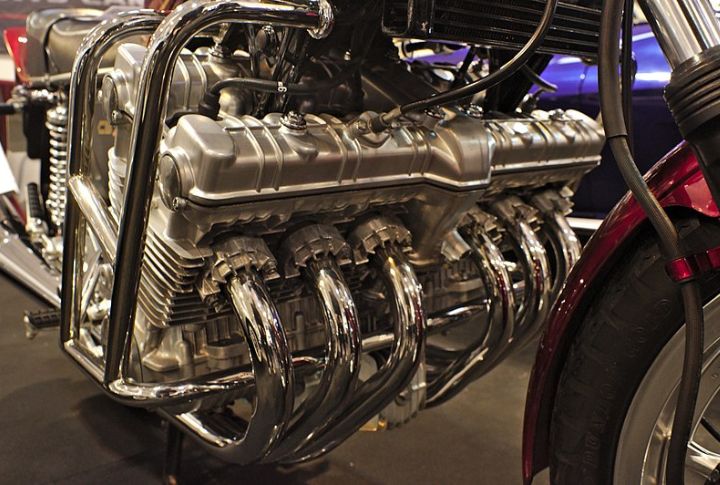
In 1903, the Dutch Spyker 60 HP racing car was the first to feature an inline-six engine. With six cylinders aligned in a row, these engines can produce more power and rev higher than smaller configurations. However, due to its weight and difficulty of handling at low speeds, it was used in a few motorbike models like the Honda CBX and the Kawasaki Z1300 roadster motorcycle.
Tandem Twin Engine
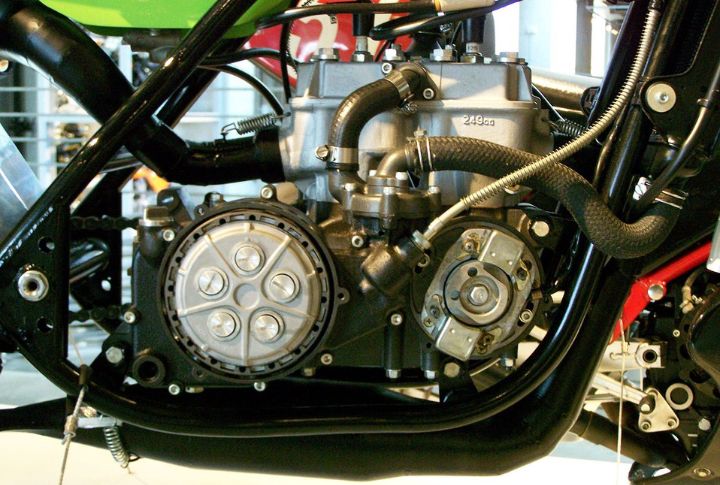
Kawasaki released the Kawasaki KR2350 in the late 1970s with a tandem twin engine that featured two cylinders arranged one behind the other, as opposed to the more common side-by-side twin arrangement. This configuration allowed for a narrow engine profile while still delivering the power of a twin-cylinder engine. Although it performed well on the track, the engine design was too niche for widespread commercial production.
Radial Engine
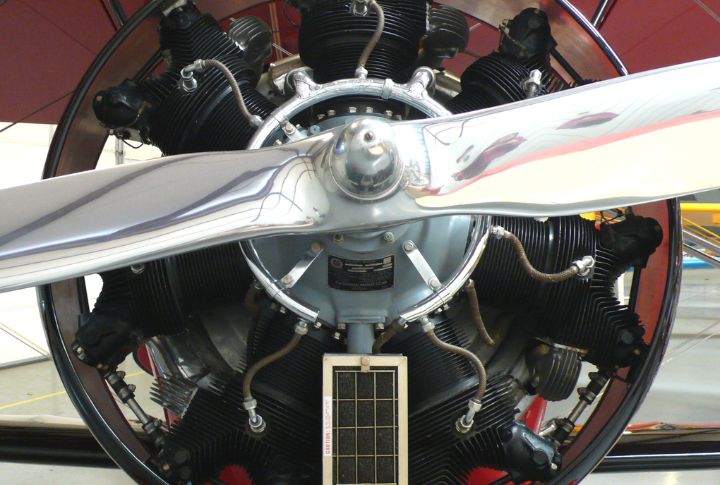
Radial engines were borrowed from aircraft and brought to the world of motorcycles, usually through upgrades. These engines featured multiple cylinders arranged in a circle around a central crankshaft for a unique look and sound. Many bike enthusiasts loved the high torque, but this novel concept was too complex for mass production and never became widely popular.
Turbine Engine
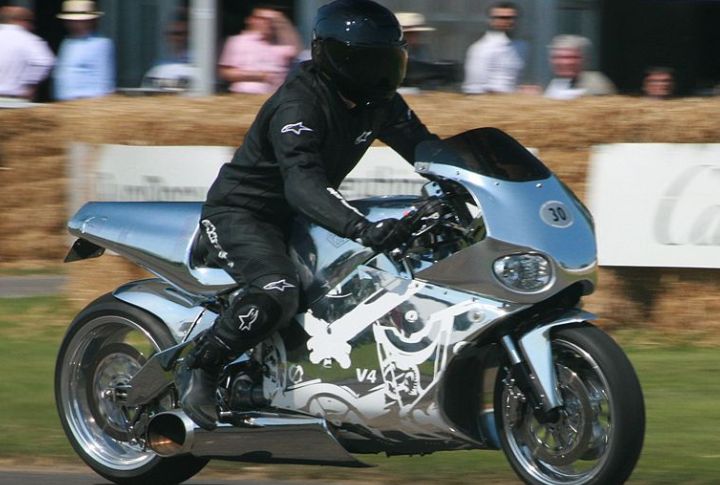
Marine Turbine Technologies fitted the MTT Y2K Turbine Motorcycle with a turbine engine, which was typically used in aircraft. This engine uses rotating fans to compress and combust air for a tremendous power output. When adapted for motorcycles, this engine created one of the most extreme motorcycles ever made. However, the bike wasn’t mass-produced, and each unit was built by order.
Longitudinal V-Twin Engine
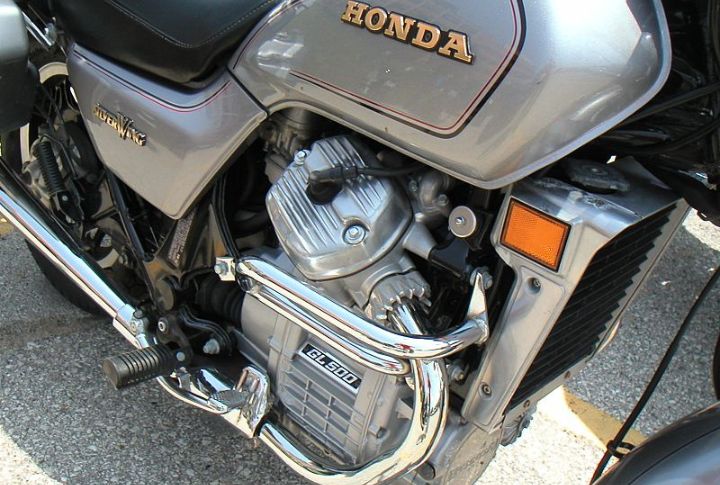
Unlike the typical transverse V-twin, Moto Guzzi’s longitudinal V-twin is mounted with the crankshaft running front to back rather than side to side. This layout offers different balance and handling characteristics and is visually distinct due to the engine’s prominent cylinder heads. The engine’s reliability and ease of maintenance have made it a popular choice among touring enthusiasts.
Dual Clutch Transmission
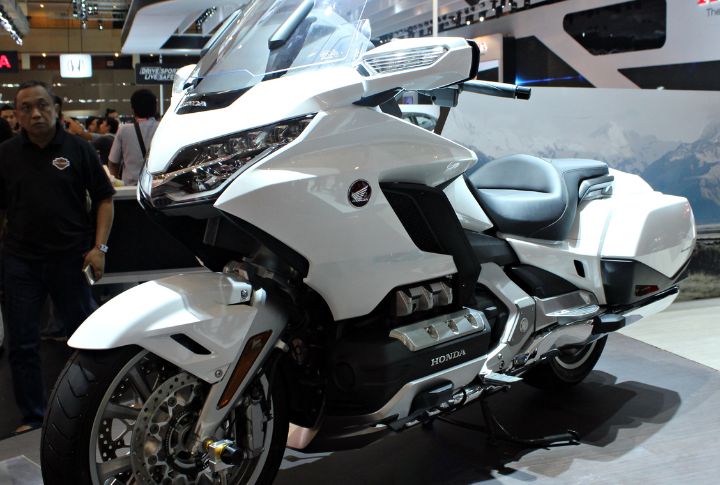
While not an engine configuration in the strict sense, Honda’s Dual Clutch Transmission, or DCT, integrates a unique engine control system into its motorcycles. It pairs two clutches—one for odd gears and one for even gears—allowing for seamless gear shifts without a traditional clutch lever. This provides a blend of manual and automatic functionality, enhancing ride quality.
Diesel Engine
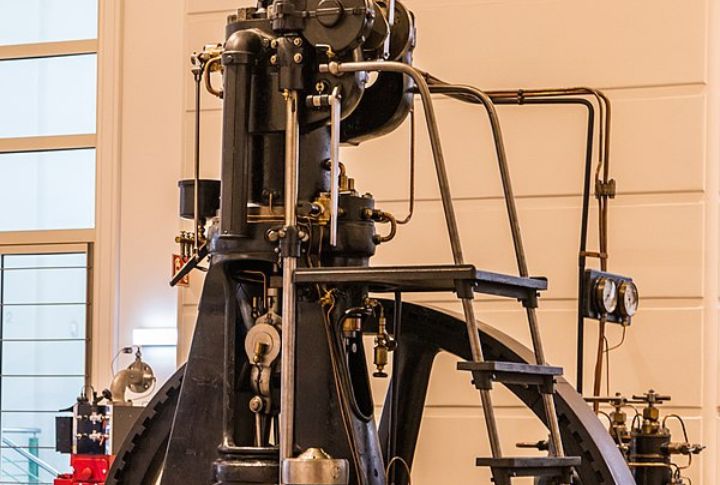
Rudolf Diesel built the Diesel Engine in the 1890s, and it was adapted for motorcycles in the 20th century. Diesel engines are typically used in trucks and industrial vehicles and are known for their fuel efficiency and long-lasting durability. However, their heavier weight and lower RPMs make them an unconventional choice for two-wheelers, although they have a niche appeal.
Rotax 60-Degree V-Twin Engine
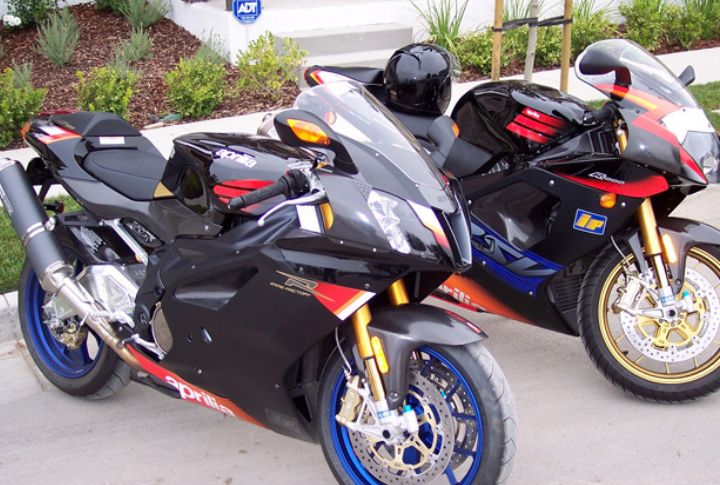
The Rotax 60-degree V-twin is notable for its narrower V-angle compared to the more common 90-degree V-twins, which gives it a more compact engine design. This makes it easier to fit in sportbike frames without sacrificing much in terms of power or torque. This engine successfully powered the Aprilia RSV Mille, which debuted in 1998 thanks to its high-performance output and compact design.
V4 Engine
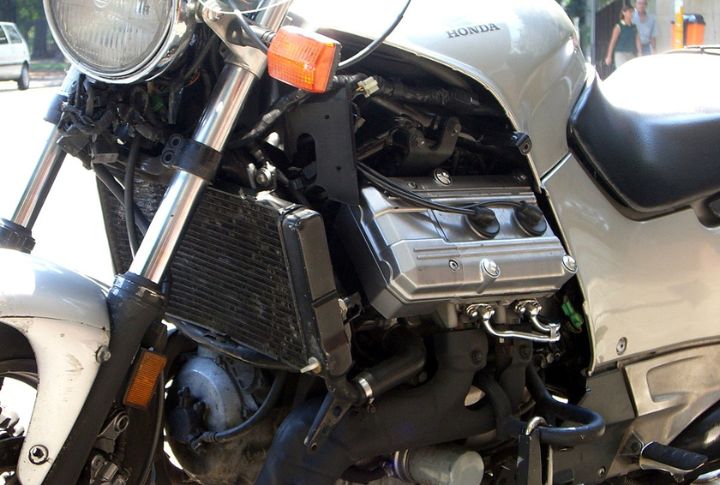
V4 engines balance an inline-four’s smoothness and a V-twin’s compactness by placing four cylinders in a V-formation for a sleek yet powerful design. This configuration is known for its high power output and compact layout, which is ideal for sport and touring motorcycles. Honda pioneered the use of the V4 engine in motorcycles.
Opposed Four Engine
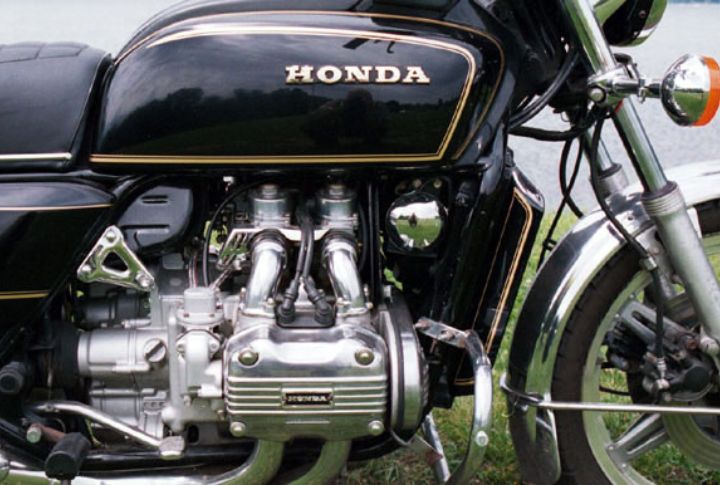
Attempts to produce the Opposed Four Engine started in the early 1900s. It was also known as the flat-four or horizontally opposed four engine with two pairs of horizontally opposed cylinders. This engine is similar in concept to BMW’s flat-twin boxer engine but with two additional cylinders for smoother power delivery and greater balance.
Inline-Triple Engine
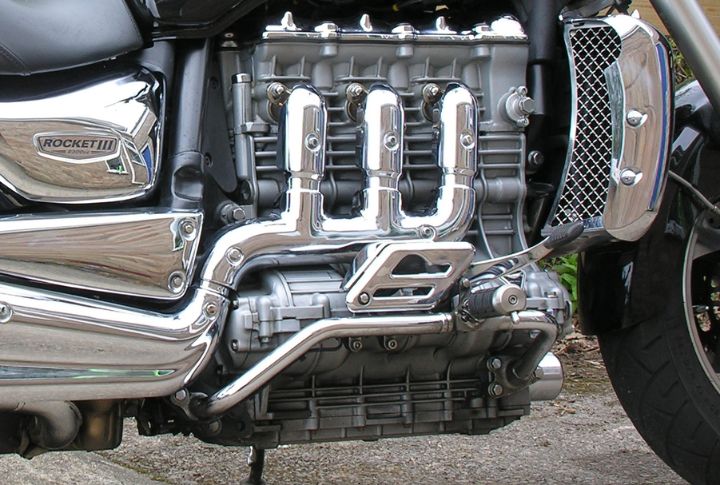
Also known as the Straight-Three Engine, the Inline-Triple Engine was designed to produce less vibration than straight-twin engines. It was an internal combustion engine with three cylinders arranged in a single line with a common crankshaft. This engine configuration provided a unique balance between the torque-heavy nature of a twin-cylinder engine and the higher-revving characteristics of a four-cylinder engine.
Flat-Six Engine
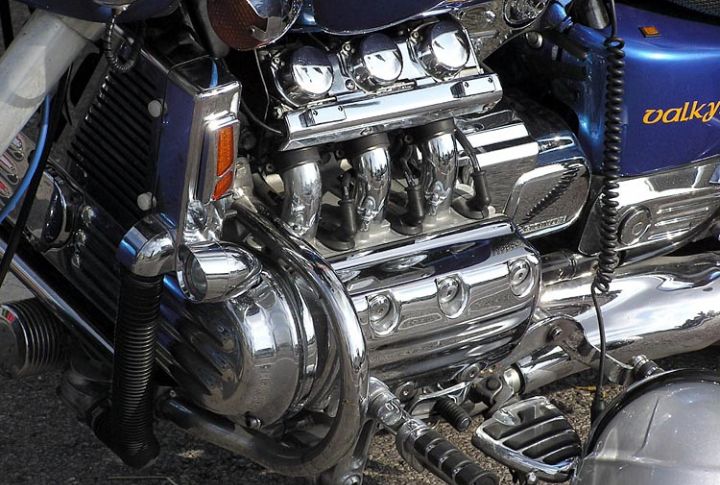
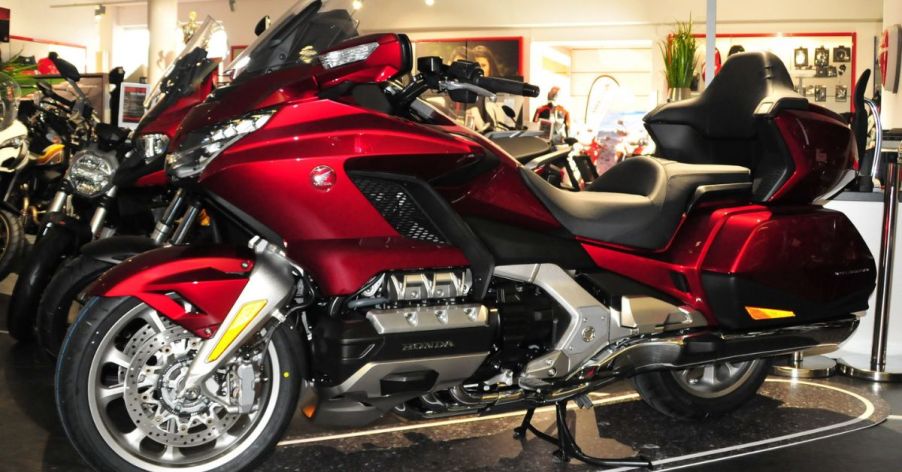
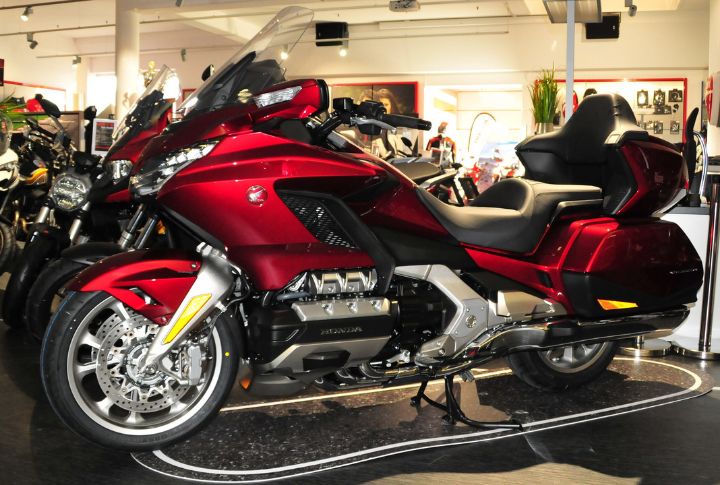
Honda introduced a water-cooled flat-six engine to the motorcycle’s world with the Honda Gold Wing in 1988. Also known as the boxer-six, it was a horizontally opposed six-cylinder engine with cylinders arranged in two banks of three, flat on the side of the crankshaft for a low center of gravity and a balanced, smooth operation. However, flat-six engines are more often seen in cars such as Porsche 911.