15 Unconventional Cars Redefining Traditional Automobile Designs
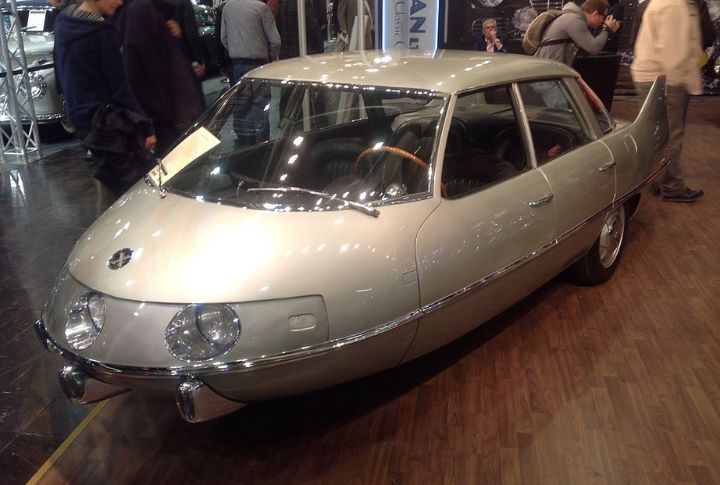
Cars usually have a predictable design with four wheels, two axles, an engine in the front, and a traditional sedan, SUV, or truck body style. However, some unconventional vehicles dare to be different, with radical shapes, alternative propulsion, or quirky appearances. Discover these weird, wacky, and bizarre automobiles that stand out from the crowd.
Stout Scarab
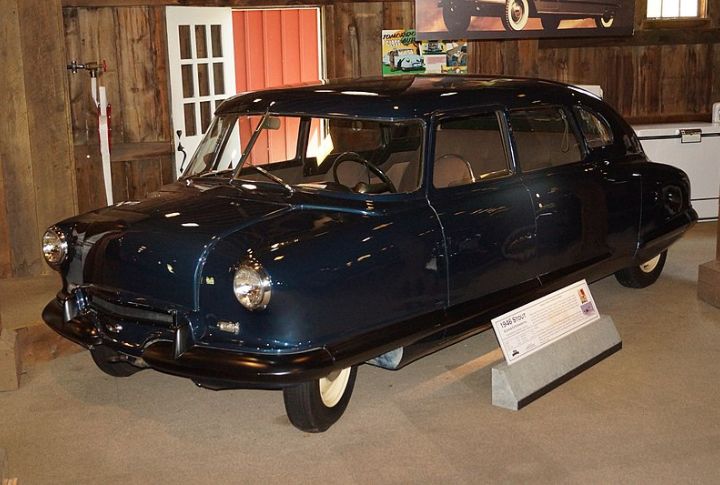
Dream car or mini-minivan? This oddball vehicle from the 1930s had an art deco, tear-drop shape with a rear engine and aluminum body. Only a handful were made before the company went bust, but it’s an unmistakable icon of quirky automobile design.
Isetta “Bubble Car”
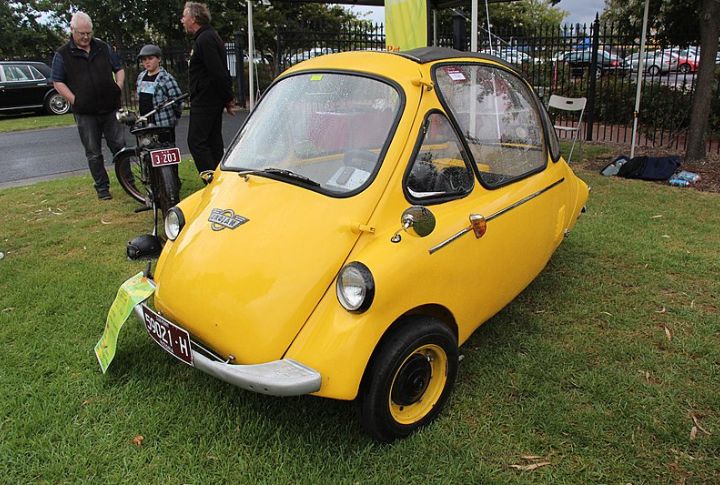
Talk about compact! This Italian microcar was just over 7 feet long and had a single front door that opened outwards for entry. You turned heads pulling up in one of these goofy little bubble cars in the 1950s. But surprisingly, they could reach 50+ mph.
Helicron
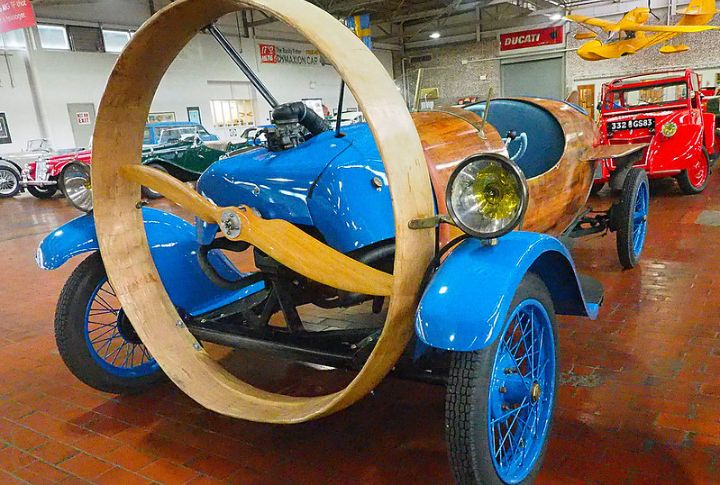
A French aerospace firm’s attempt at a flying car in the 1960s, this bizarre half-car, half-helicopter mashup never got off the ground unless you count the few crewless test flights where it immediately crashed. Ideally, it was an eccentric idea destined for failure.
Sinclair C5
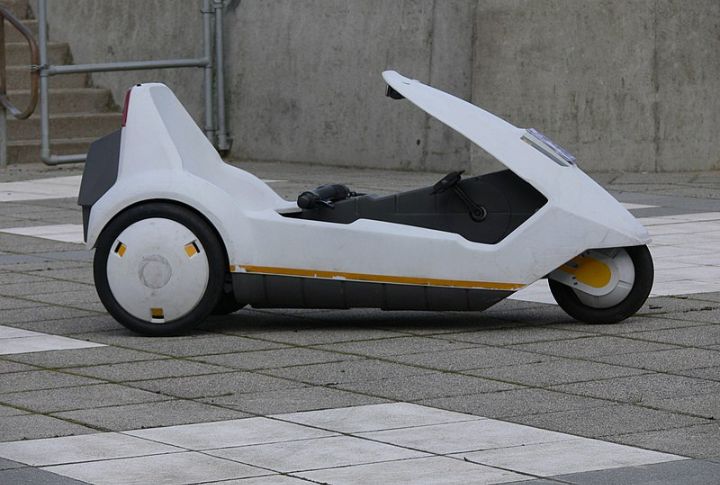
This tiny electric trike from the 1980s was Sir Clive Sinclair’s idea of a futuristic personal transport. However, with a top speed of 15mph and terrible range/durability issues, it quickly became an object of mockery rather than a revolutionary invention. Yet, despite its quirkiness, where one could use pedals to propel it, and no reverse gear was available, some units cost up to $6000.
Messerschmitt KR200
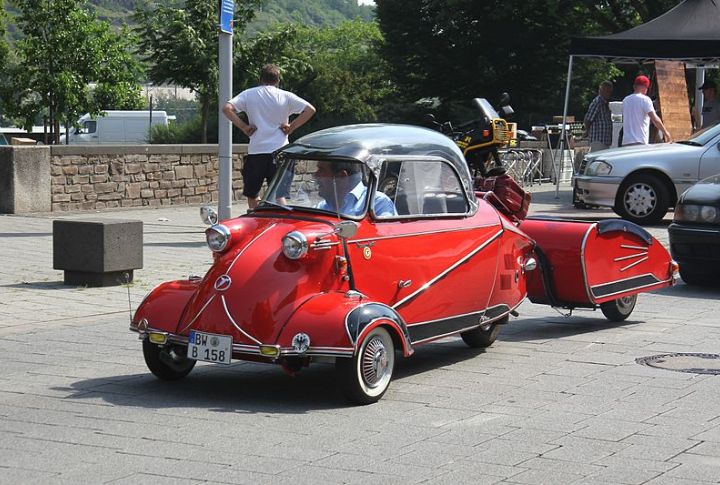
Essentially a Volkswagen Beetle engine strapped to a cockpit with three wheels, this bizarre “kabinenroller” designed by aircraft engineer Fritz Fend could only accommodate one person. But its odd, sci-fi saucer shape made it unforgettable.
Citroen 2CV
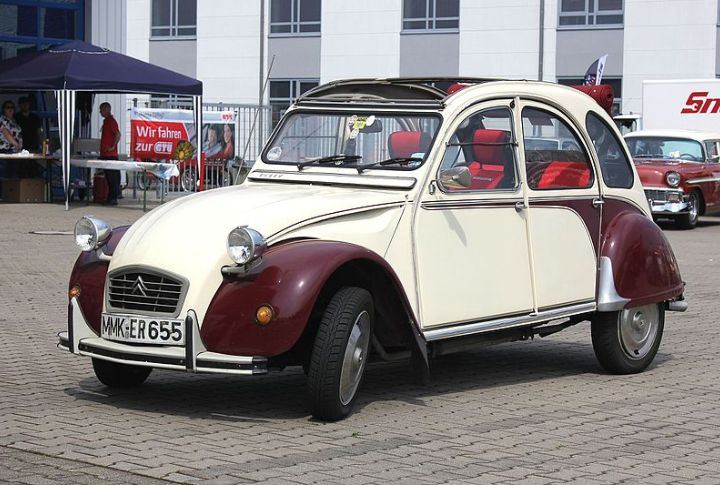
Don’t let the goofy, ultra-minimalist looks fool you. This French classic’s innovative, sturdy suspension design (which allowed the wheels to change without removing the skirts) allowed it to travel over incredibly rough terrain, making it an unlikely farm vehicle hero for decades after its 1940s launch.
Peel Trident
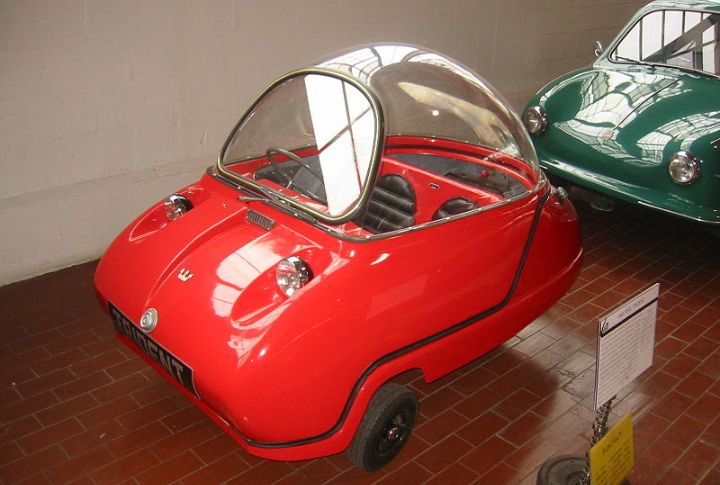
In the 1960s, the three-wheeled Trident was billed as the smallest car in the world. At just 4 feet long and 39 inches wide, it was almost ridiculously compact, but it managed to squeeze in two seats!
Aerocar

We’re still waiting on viable flying cars, but Moulton Taylor’s Aerocar from the 1940s remains one of the most successful attempts at combining a car and an airplane. It flew well but was a cumbersome drive on the ground.
Zündapp Janus
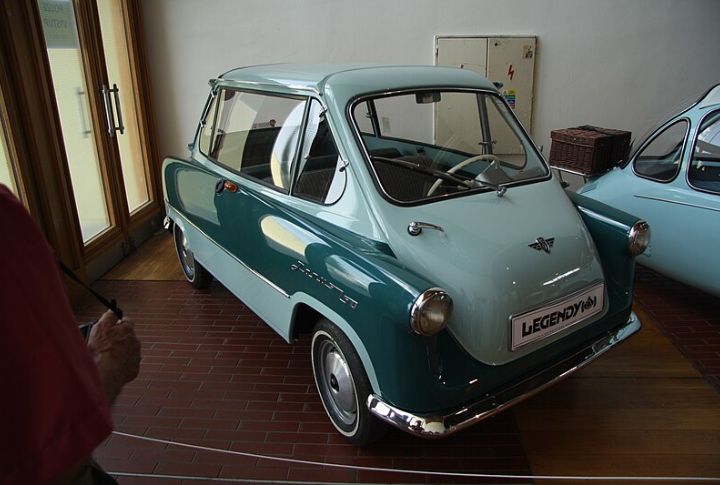
This German microcar defied design convention by having doors that opened in opposite directions and seating that faced opposite ways. Because why not? Its crazy 1950s layout somehow made sense for tight urban maneuvers.
Nissan Pivo 3
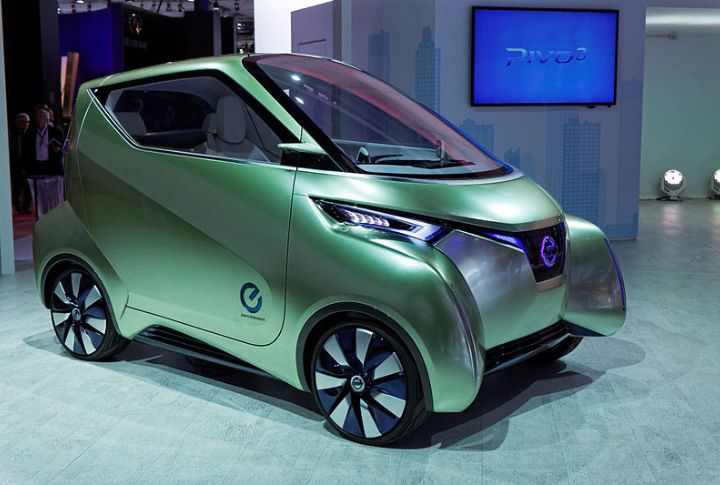
Spherical wheels? Or an interior that spins 360 degrees? This trippy, amorphous Nissan concept from 2011 explored ideas beyond conventional car design norms. It was futuristic and unconventional in every sense.
AMC Amitron
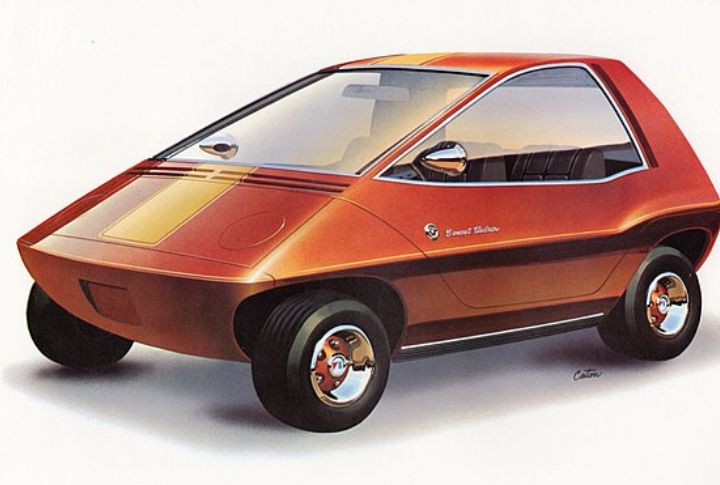
Though it never left the concept stage, this space-age advanced urban vehicle from the 1960s had a cockpit design that made you feel like you were piloting a private jet rather than driving a car.
Dymaxion Car
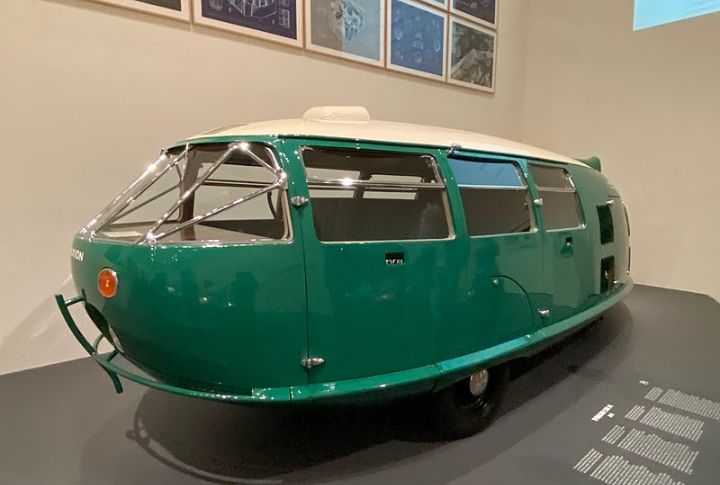
Designed by the iconic architect Buckminster Fuller in 1933, this aerodynamic, all-aluminum vehicle could seat 11 despite being just 20 feet long. Unfortunately, its sci-fi looks and rear-mounted V8 didn’t translate to sales.
Gibbs Aquada

Who needs a traditional boat or car when you can have a single vehicle that supposedly works on land and water? That was the idea behind this floating SUV concept from the 2000s, which struggled to stay afloat.
Fuldamobil
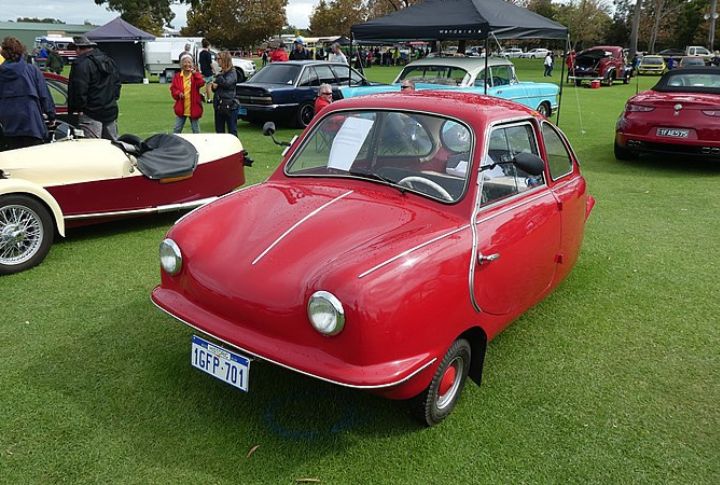
Looking like a mashup of a race car and a jet, this German prototype’s strange spindle shape and center-mounted driver’s seat made it an oddball spectacle in the 1950s. Only two prototypes of this quirky roadster design existed.
Hanomag Kommissbrot
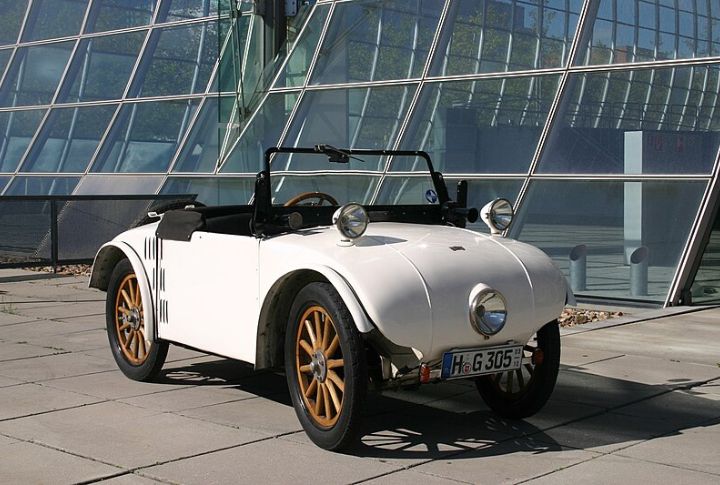
The name refers to its distinctive rounded “loaf of bread” shape. This odd but economical automobile design from the 1920s had two doors on each side and a rear-mounted engine.