15 Stunning Dodge Classics That Were Popular for Their Looks
Dodge is a household name in the American auto industry because they’ve built a legacy of producing fast and stylish vehicles since 1900. This carmaker has captured the hearts of many car enthusiasts with iconic models like the Dodge Charger and the Dodge Challenger. Here, we highlight 15 stunning Dodge models that still command attention.
1931 Dodge Coupe
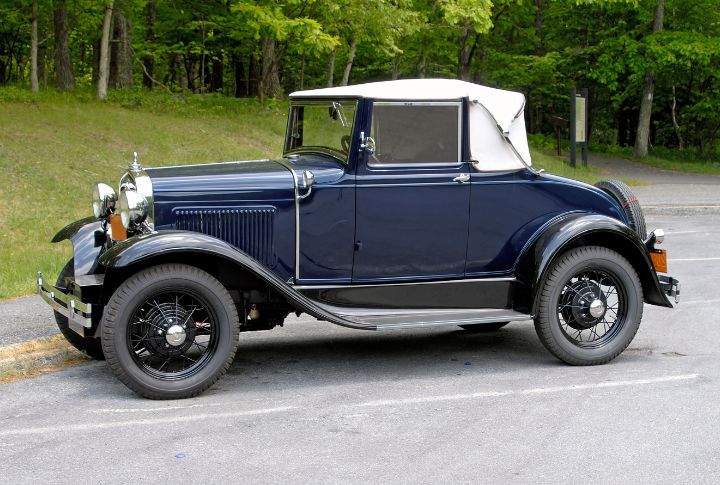
In the 1930s, carmakers had to develop bold car designs that complemented their performance because Americans needed the right blend of grit and style. The 1931 Dodge Coupe had double engine choices with the economical and reliable 189.8 cubic inch L-head six-cylinder or the more powerful inline-eight engine models (DC and DG). Regarding appearance, this vintage piece had streamlined curves, chrome accents, and a distinctive radiator grille. Also, Dodge allowed buyers to choose between a more nimble car with a shorter 109 inches wheelbase or a smoother ride with 114 inches.
1949 Dodge Wayfarer Roadster
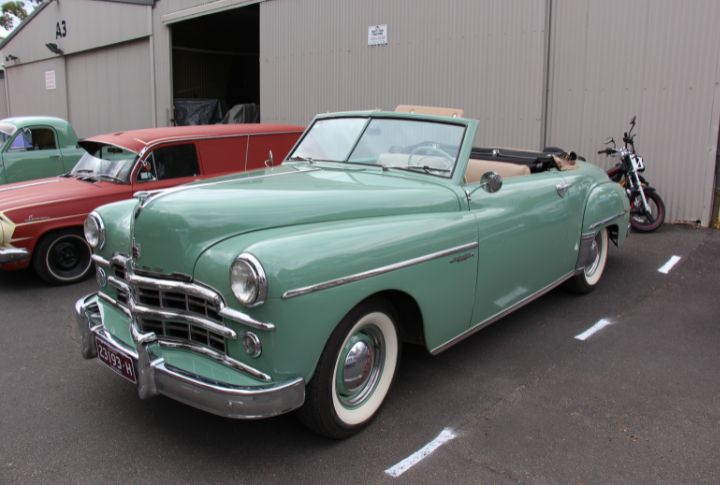
Following a break since the 1930s, Dodge re-entered the roadster market with the Wayfarer in 1949. Although it initially had removable hardtop windows for weather protection, the design was switched in 1951 to roll-up windows for convenience due to California’s hand signal laws. Compared to some of its flashier competitors, the Wayfarer was a more affordable option with a $1,727 price tag. Although it wasn’t a high-performance car, it had good value for post-war consumers who wanted a fun, open-air feel without spending too much.
1957 Dodge Custom Royal Lancer
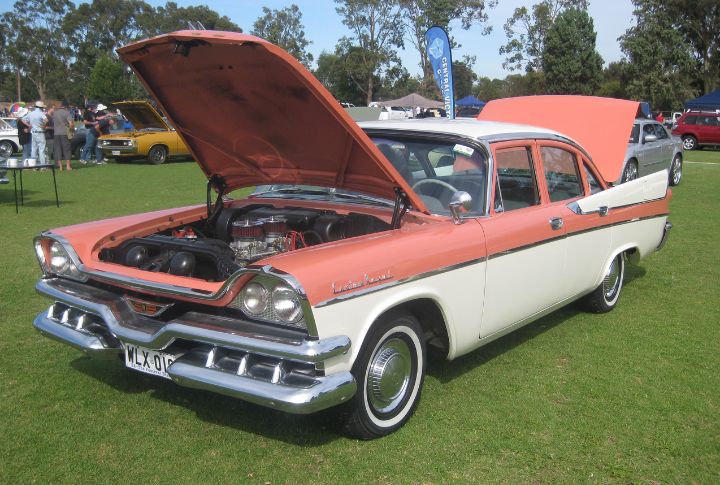
The Lancer was available as a sleek two-door hardtop and a convertible that was all chrome with tailfins and a two-tone paint option. In addition, it had premium features of the top trim level of the Custom Royal line, posh upholstery, chrome accents throughout the interior, and power windows, which were rare at the time. However, this car wasn’t just a pretty face; it had a four-barrel carburetor with a 325 cubic inch V8 with 260 HP. The car shared the same platform and drivetrain with its sibling, the Dodge Coronet, an affordable luxury option for different market segments.
1960 Dodge Polara
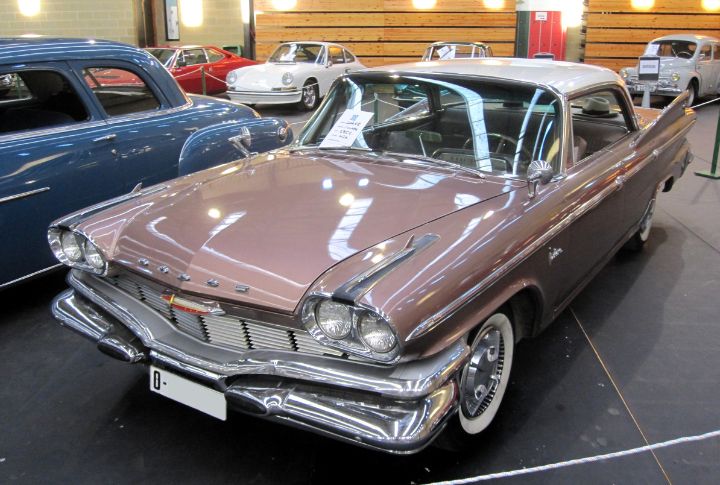
Dodge’s top-of-the-line car had luxury features and several powerful engines. Some models had the standard V8, and others had a 5.9L V8 engine with 305 HP, but the D-500 variant had the 383 cubic inch V8 with dual carburetors, producing 330 HP. The first generation has six body styles to compete with rivals like the Chevrolet Impala and Ford Galaxie 500 in the booming American car market. The carmaker introduced the Vigil Exner-designed “Forward Look” styling in 1957 models. This signature design had sleek fins, a long hood, and a swept-back roofline.
1960 Dodge Matador
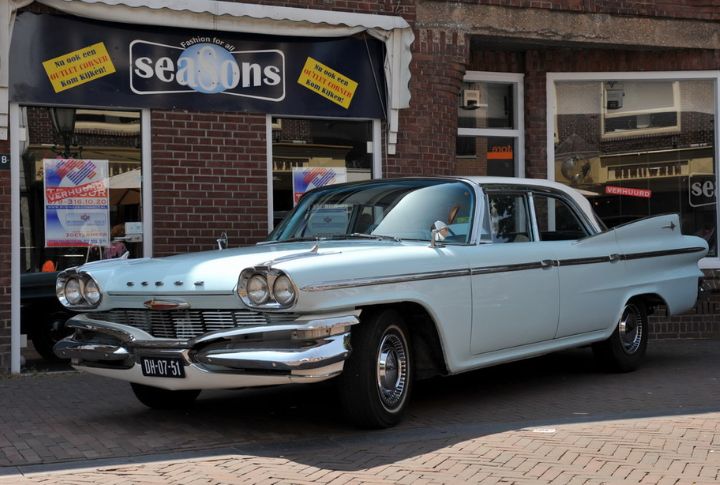
The Matador was Dodge’s answer to the market’s demand for an alternative to their premium full-size model, the Polara. Despite being budget-oriented, the Matador retained some of Dodge’s design language of the era. It included elements like the “Forward Look” styling with stacked taillights and short fins, giving it a touch of Dodge heritage. While not the most powerful muscle car, the Matador had several engines, including a decent 361 cubic inch V8 with 295 HP.
1962 Dodge Dart 413
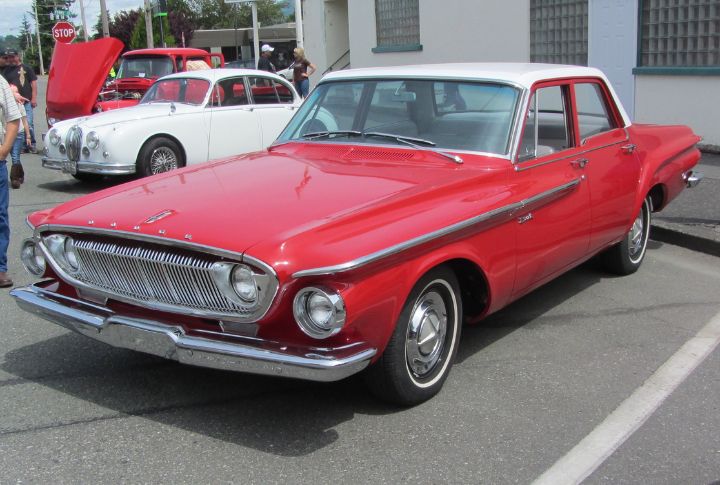
Rightly named, this vehicle had a powerful 413 cubic inch Wedge engine that produced an impressive 420 HP. The Dart 413 was one of the fastest mid-size cars on the market at the time because the engine was a homologation special, built to meet minimum production requirements for N.H.R.A. drag racing. This vehicle was nicknamed the “Max Wedge” for its characteristic wedge-shaped intake manifold.
1964 Dodge Coronet
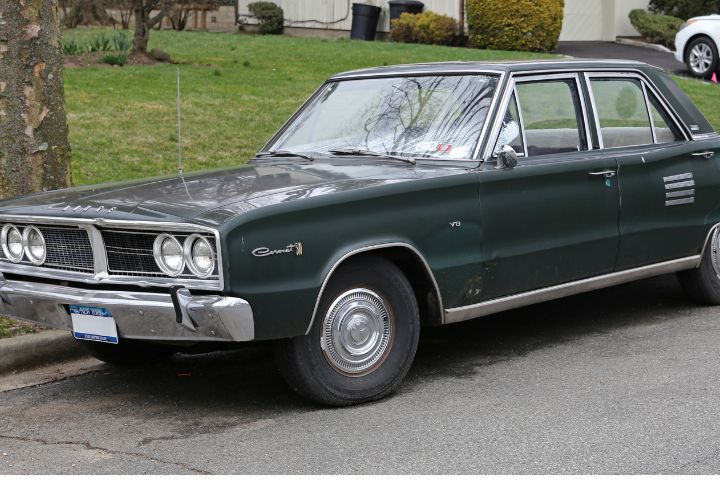
Unlike many cars on this list, the Coronet wasn’t a niche muscle car; it was a family-friendly mid-size car in various body styles, including sedans, coupes, and even station wagons. It had an economical six-cylinder and a powerful 383 cubic inch V8 to match the available range. Thankfully, Dodge didn’t compromise on interior aesthetics, adding features like bucket seats, a padded dash, and a chrome floor console.
1969 Dodge Charger 500
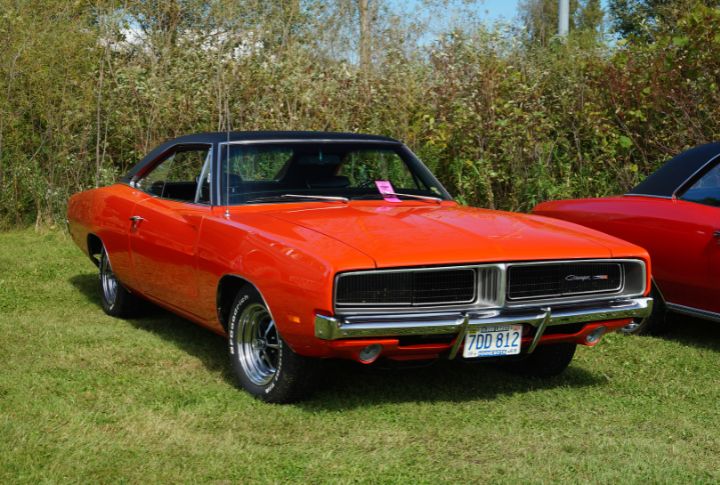
Dodge didn’t build the Charger 500 for mass production as it was a homologation special. The carmaker needed to produce a few street-legal cars to qualify their vehicles for NASCAR competitions. The Charger 500, with only 392 units ever made, was Dodge’s answer to dominate the racetrack. While some had a powerful 4.0-liter cubic inch V8, the ultimate engine was the legendary 426 cubic inch Hemi with 425 HP.
1970 Dodge Challenger R/T
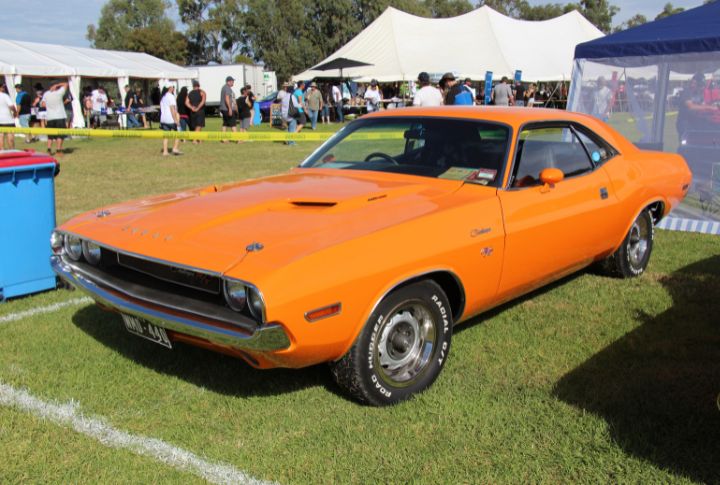
As a direct competitor to the Chevrolet Camaro and Ford Mustang, the Challenger R/T solidified its place in muscle car royalty with its sleek lines, aggressive stance, and powerful engine options. It had the legendary 426 cubic inch Hemi V8 that produced 425 HP. While the Hemi stole the show, there were other engine options, including the capable 383 cubic inch V8. The vehicle made this list because of its straight-line speed and aerodynamic design, with a distinctive hood scoop and available rear spoiler. Besides, the convertible body style also added to its appeal.
1970 Dodge Super Bee
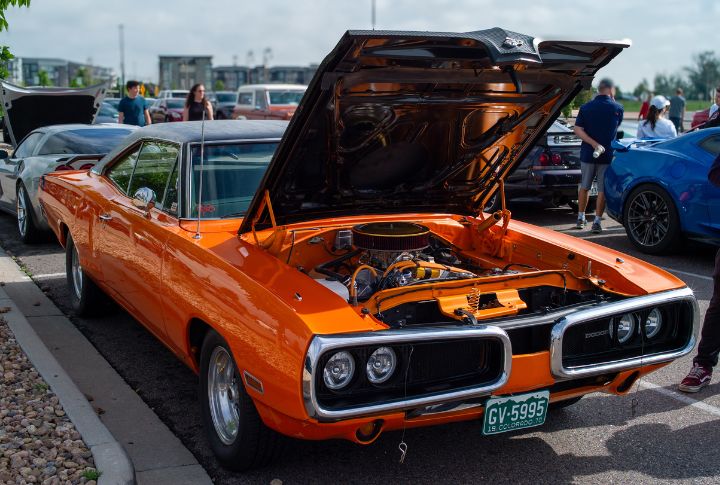
The Super Bee was Dodge’s attempt at building a powerful muscle car with a price tag that suited budget-minded people. It had various engine options, including the 383 cubic inch V8 and the legendary 426 cubic inch Hemi. Most people recognize the Super Bee today due to bold paint colors, different hood designs (including the iconic “bulge” hood), and customizable vinyl “Super Bee” graphics for owners who want to personalize their ride according to their preferences.
1978 Dodge Magnum XE
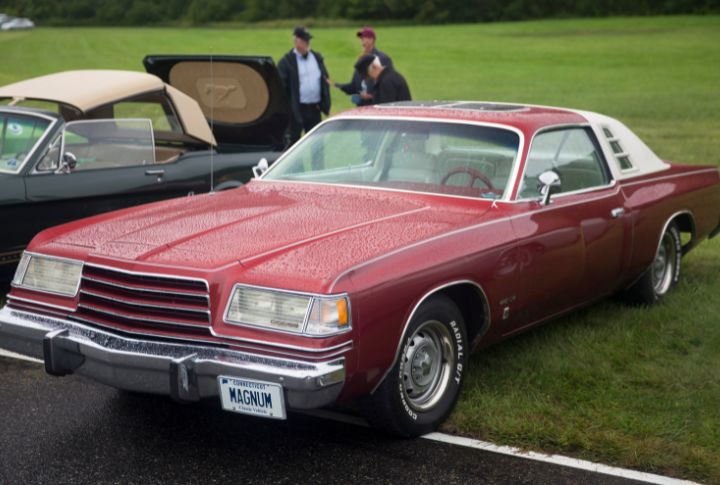
Dodge released the Magnum XE when the craze for muscle cars was waning, and fuel efficiency was becoming a priority. Somehow, the carmaker blended the muscle car vibe with comfort and luxury without sacrificing gas mileage. Unlike its boxier predecessor, the Charger, the Magnum XE had a more rounded and aerodynamic design as a stylish alternative for those who want a luxurious personal coupe.
1978 Dodge Li’l Red Express
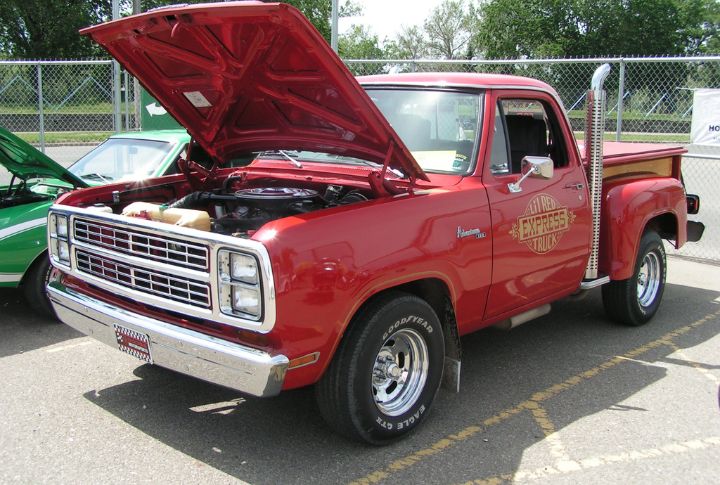
Dodge capitalized on a loophole in emissions regulations to create a street-legal monster. The Li’l Red Express had a heavily modified version of the 225 HP 360ci V8 engine, making it one of the fastest American vehicles of its time, even beating out some sports cars! This truck wasn’t just fast; it looked like the part. It came only in a bold Canyon Red paint job with bold graphics and chrome accents. The raised white-letter tires on chrome wheels and tall dual exhaust stacks completed the aggressive look. Many car enthusiasts maintain that this vehicle paved the way for future muscle trucks like the Ford SVT Lightning and the Chevrolet Silverado S.S.
1979 Dodge Aspen
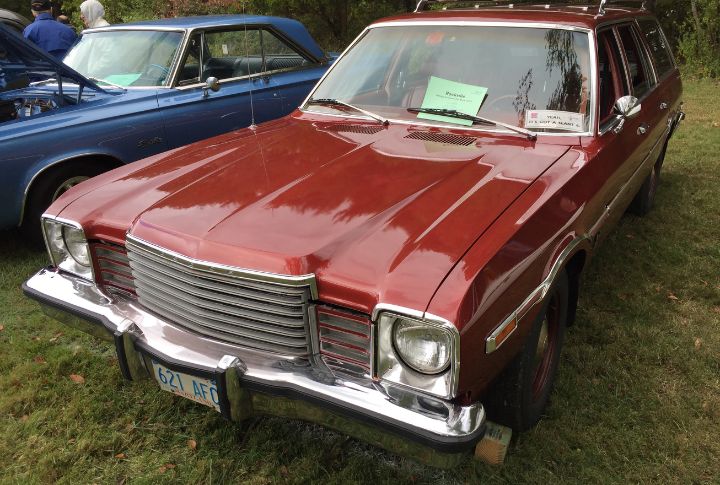
This Dodge arrived in 1976 when American automakers were downsizing their offerings in response to the oil crisis of the 1970s. To sell better, Dodge had to enter the new compact car market with a car that had better fuel efficiency than their previous models. The Aspen was nearly identical to its twin, the Plymouth Volaré, as it was a joint effort by Chrysler for competition. It had four economical cylinders and a more powerful 360-cubic-inch V8. While not a muscle car by any means, the V8 offered decent performance for a vehicle of its size.
1980 Dodge Mirada
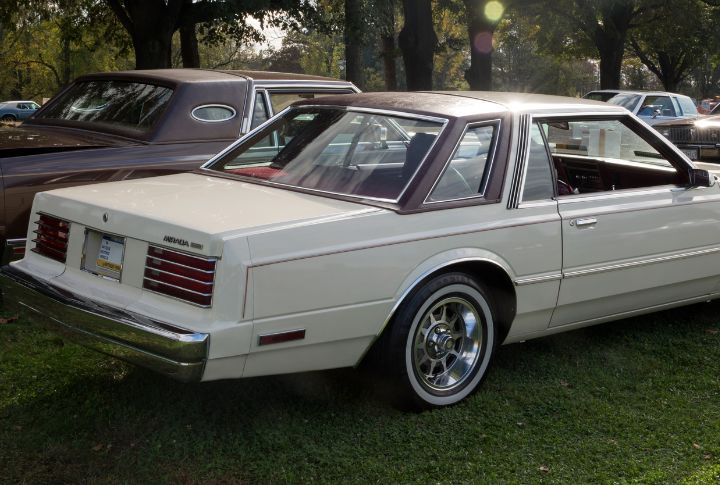
The Mirada was the ideal luxurious alternative to muscle cars, with a spacious interior and features like plush upholstery and power windows. The base model, arriving in 1980, had a 3.7-liter slant six engine plus other powerful V-8 engines. Years after its first release, the Mirada’s design still stands out thanks to flowing lines, long hoods, short decks, and a focus on comfort and style.
1986 Dodge Omni Shelby G.L.H.S.
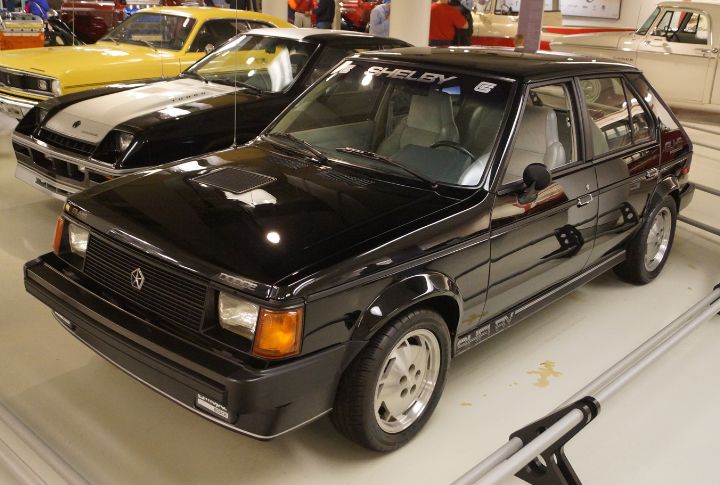
Different from the monstrous muscle cars of the 60s and 70s, the G.L.H.S. was a sleeper hit. Based on the unassuming Dodge Omni hatchback, Carroll Shelby worked his magic to create a pocket rocket. It had a turbocharged 2.2L I4 engine producing an average 175 HP. A unique collaboration between Dodge and Shelby, this car is highly sought-after by collectors today, as only 500 GLHS models exist.