15 Reasons American Trucks Look Nothing Like Their European Counterparts
American and European truck models share a common purpose: transporting goods efficiently across long distances. Both trucks are essential to their respective economies and provide the backbone for industries. However, American and European trucks have evolved to look and function quite differently. Read on to discover why this is generally the case.
Cab-Over Design
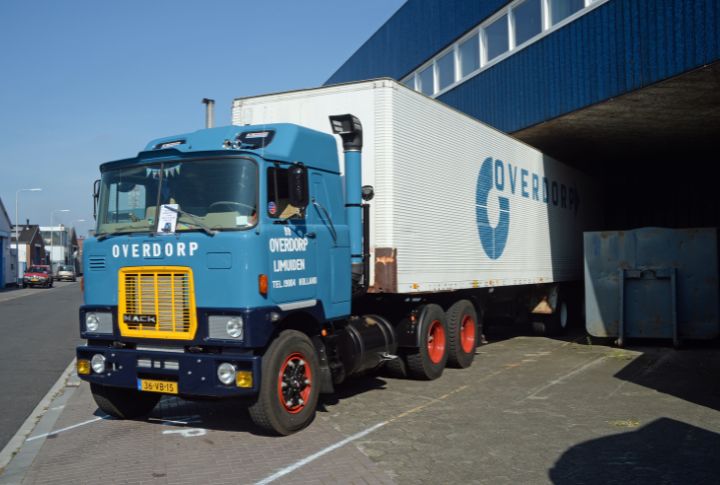
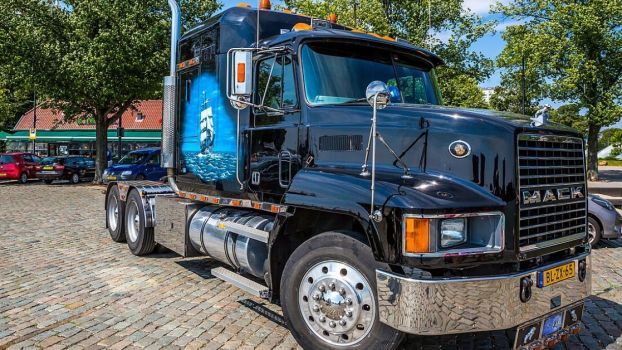
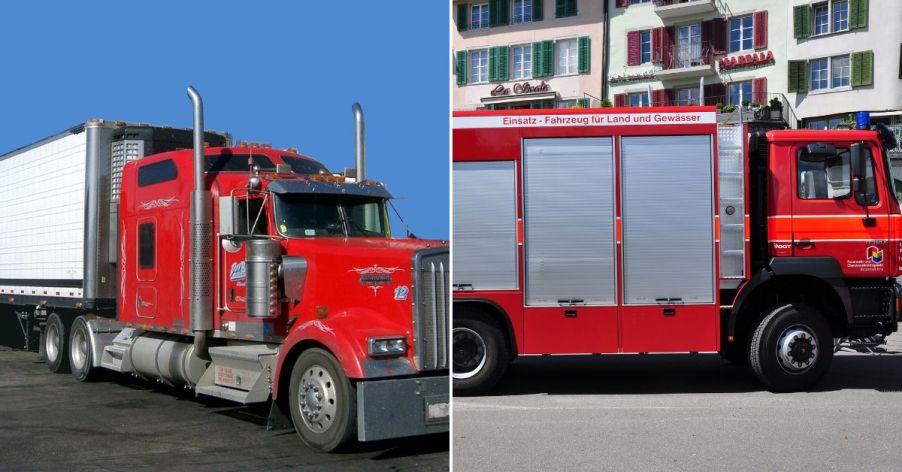
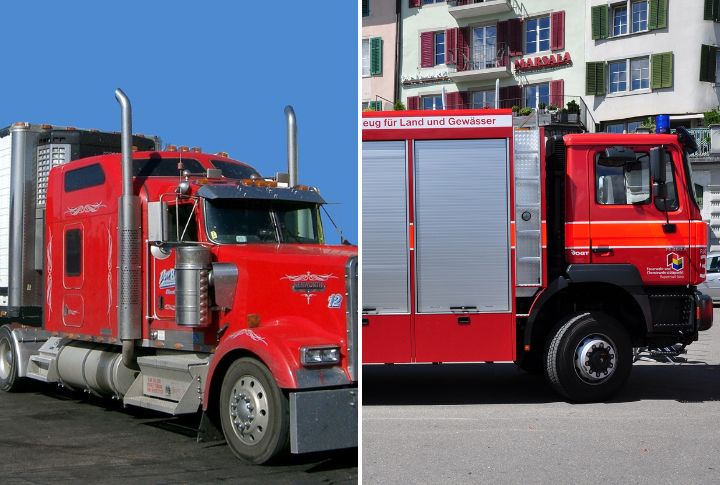
European trucks predominantly feature a cab-over-engine (COE) design. Placing the cab directly above the engine reduces the vehicle’s overall length. In contrast, American trucks typically have a long-nose design, with the engine placed in front of the cab. This offers more space for larger engines but longer vehicles.
Length Restrictions
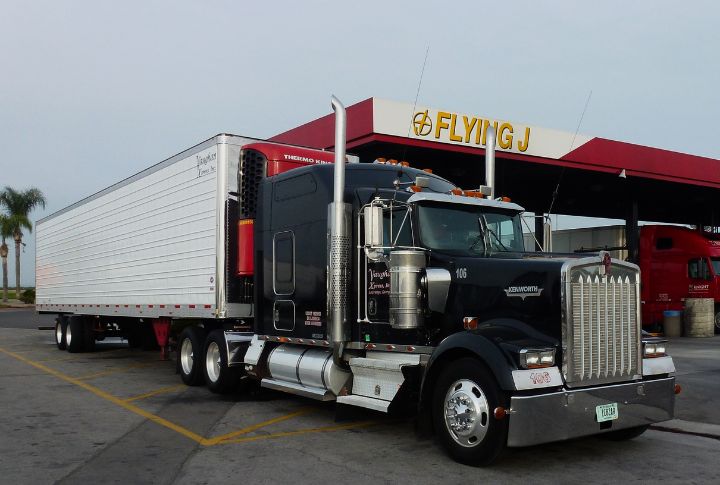
In Europe, legal limits on truck length cap the overall vehicle size at around 16.5 meters (54 feet) for articulated vehicles, pushing manufacturers to create more compact truck designs. U.S. regulations are more flexible regarding truck length and allow for longer trucks, often exceeding 18 meters (60 feet).
Road Infrastructure

European infrastructure, especially in older cities, features narrower roads and smaller roundabouts, a challenge for larger vehicles. As a result, European trucks are designed to be shorter, narrower, and more maneuverable. In the U.S., wide interstate highways dominate long-haul routes, and trucks are built with this in mind.
Turning Radius

Given the need to maneuver tight European city streets and narrower roads, European trucks often feature shorter wheelbases and multiple axles that allow for a tighter turning radius. American trucks, built for long highway stretches, have larger wheelbases, which provide greater stability at high speeds but a larger turning radius.
Front-Axle Positioning
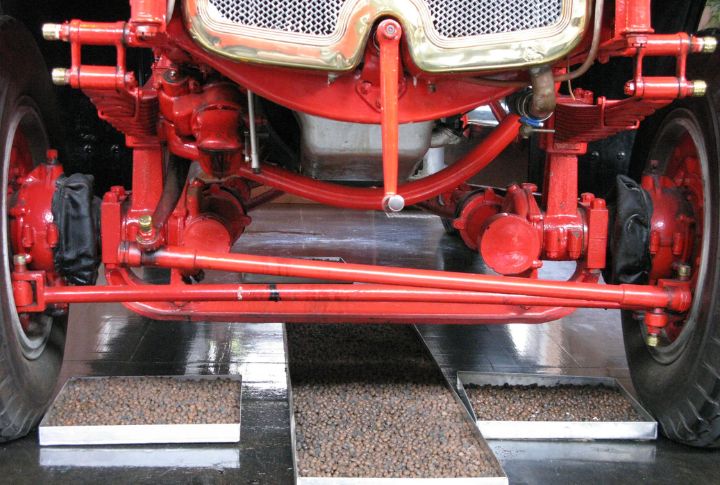
The front axle on European trucks is closer to the front of the vehicle, often beneath the cab itself. This setup improves the truck’s maneuverability and weight distribution. On the other hand, the front axle on American trucks is positioned further back, allowing for better weight balance but lesser maneuverability.
Fuel Efficiency

Due to higher fuel costs in Europe, fuel efficiency is a primary consideration in European truck design. European trucks often feature more aerodynamic profiles with sloped cabs and fewer protrusions. In contrast, American trucks, with their larger engines, are usually less fuel-efficient but are designed to haul heavier loads.
Engine Size
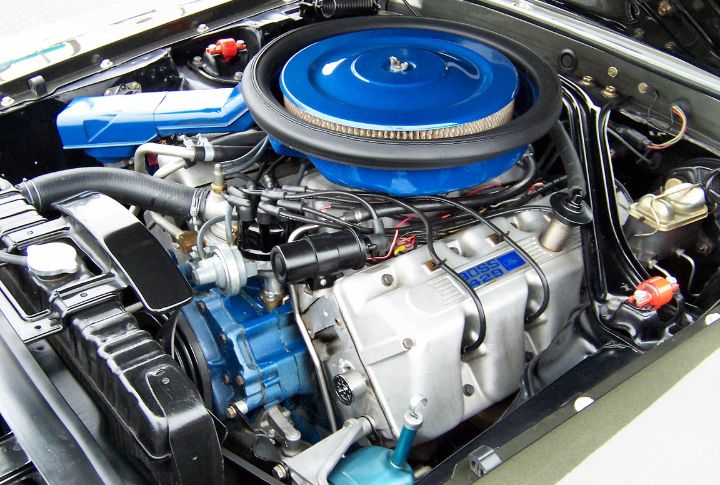
European trucks typically use smaller, turbocharged diesel engines, often featuring 11- to 13-liter displacement, which balances power and fuel efficiency. In the U.S., trucks are equipped with larger engines, commonly 15 liters or more, which generate more horsepower and torque to handle longer hauls and heavier loads.
Regulatory Standards
The Euro regulations enforce stricter emission standards. Consequently, European trucks are constructed with advanced emissions control systems like Selective Catalytic Reduction (SCR) and Diesel Particulate Filters (DPF). Although U.S. trucks also have emission regulations through the Environmental Protection Agency (EPA), they follow fewer emissions restrictions than Europe.
Driver Comfort

Driver comfort in Europe focuses more on practical aspects like a good field of vision, easy access to controls, and air suspension seats for city driving. This is different in the U.S., where trucks often feature spacious sleeper cabs with a bed, microwave, and storage space for extended trips.
Load Capacity

European trucks tend to have lower gross weight limits of about 44 metric tonnes (97,000 lbs), requiring them to focus on weight management. American trucks can carry up to 80,000 pounds (36,287 kg) or more, leading to the need for more powerful engines and larger frame constructions.
Trailer Coupling
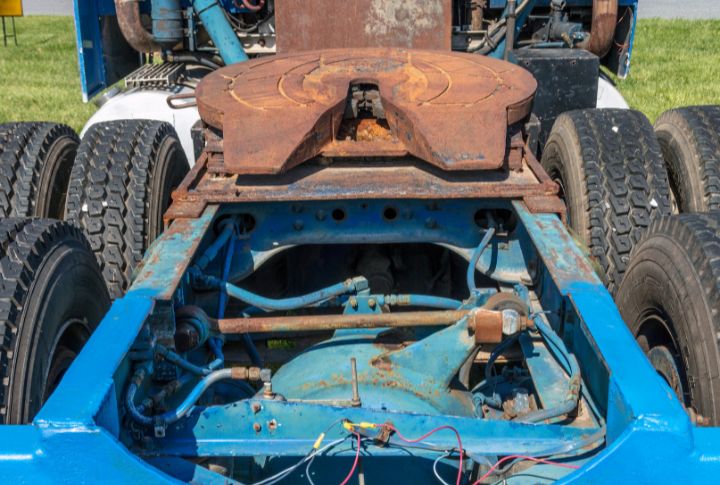
The positioning of the fifth wheel coupling in European trucks allows more weight to be distributed over the front axles, and they balance the truck on uneven European roads. However, in the U.S., the coupling is usually placed further back, making it more challenging to drive through urban environments.
Cab Accessibility
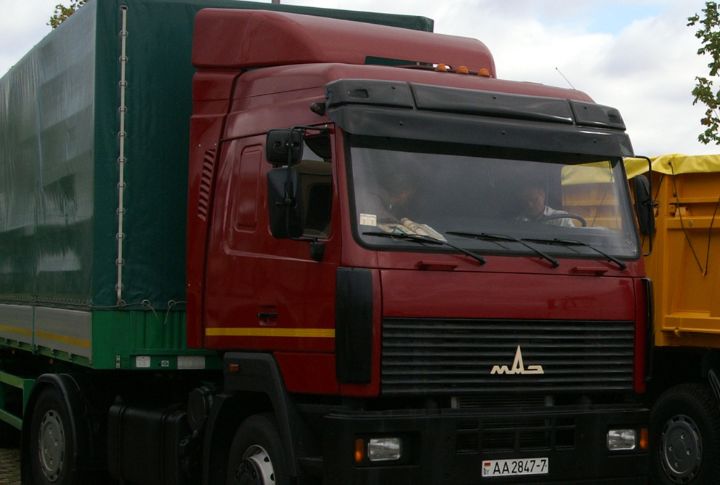
European trucks are designed with frequent entry and exit in mind. The cab is closer to the ground, with wide, ergonomic steps and lower grab handles. American trucks, designed for long hauls, prioritize comfort and visibility over ease of access, resulting in higher cabs with more steps.
Aesthetic Preferences
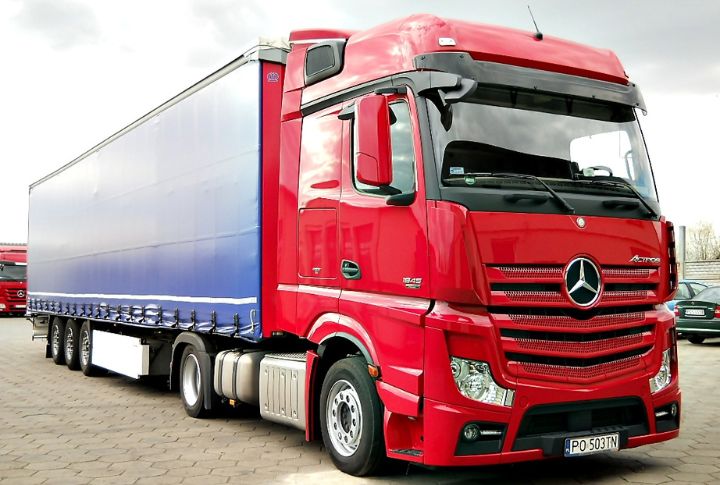
In general, European trucks are more utilitarian in appearance, mainly focusing on functionality and adhering to strict regulations. Their streamlined designs and compact shapes reflect practical considerations over visual impact. American trucks, by contrast, are designed with a more imposing look, and they feature chrome grilles, large exhaust stacks, and long hoods.
Traffic Congestion and Parking
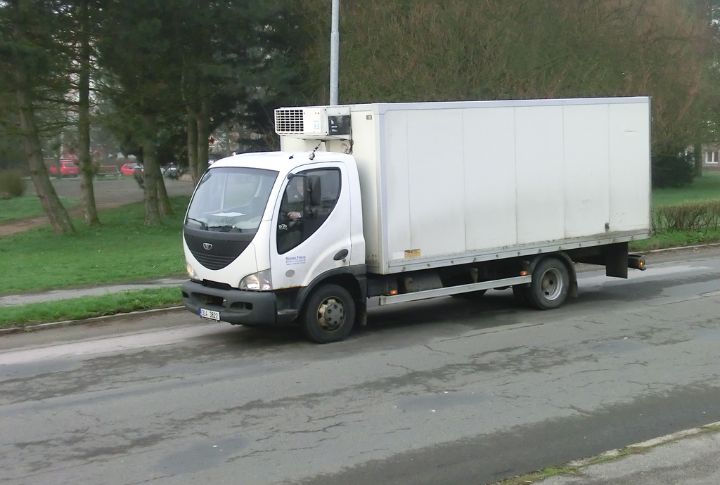
Trucks in Europe are built with traffic congestion and limited parking spaces in mind. Urban areas in Europe are often crowded, which results in shorter, more compact trucks. Due to America’s larger roads and parking areas, trucks are designed for long stretches of highway driving.
Trailer Configurations
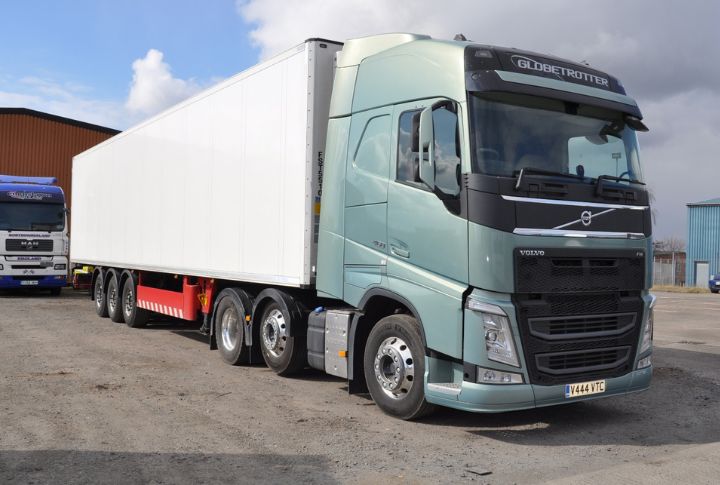
The length of the European truck and trailer combination is limited, with maximum allowable lengths capped at around 16.5 meters (54 feet). U.S. trailers can be up to 53 feet long and, combined with the longer cab designs, can exceed European trucks by a significant margin.