15 Outdated Car Features Best Left Forgotten
The auto industry is constantly evolving. Car features that were once considered advanced have surprisingly become outdated, some in a matter of years. These components served some purpose in their time, but advancements in technology and changes in taste have made them undesirable. Here are 15 outdated car features best left forgotten.
Manual Crank Windows
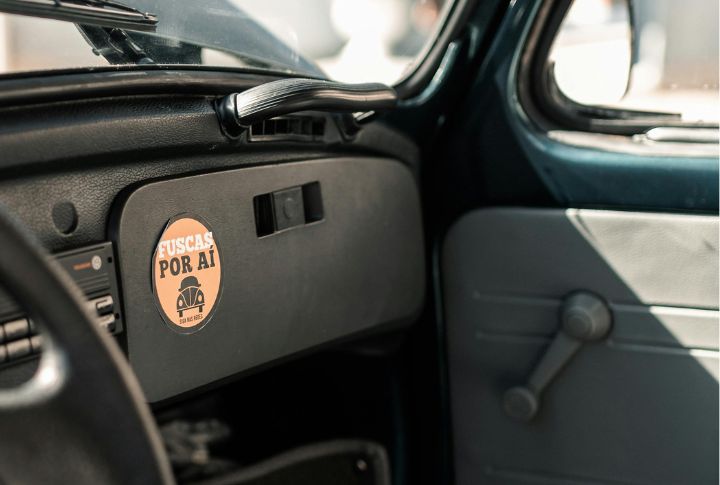
Though manual crank windows were once standard in most vehicles, they can be inconvenient and tiresome. Today’s power windows offer one-touch operation, speed, and convenience. They also improve safety by allowing the driver to control all windows, preventing children or pets from accidentally opening them.
Ashtrays And Lighters

Ashtrays and lighters were commonplace in cars when it was socially acceptable to smoke. These features encouraged the habit and posed a fire hazard. With many regions banning the practice, ashtrays and lighters have now been replaced by USB ports or wireless charging pads.
Pop-up Headlights

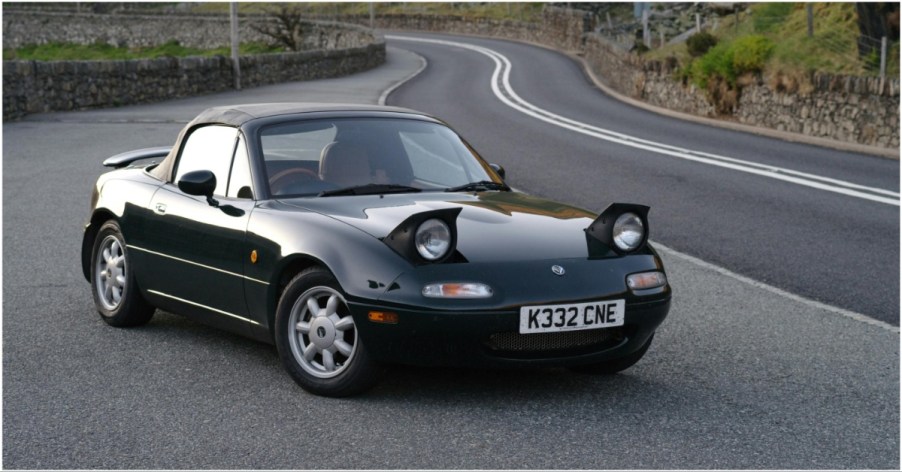
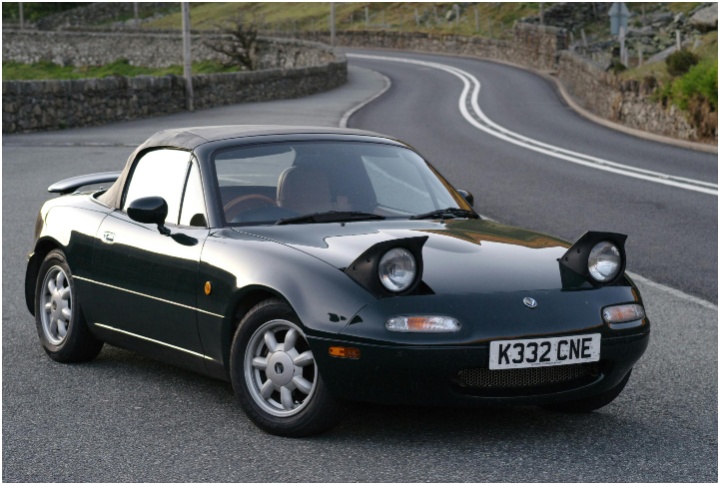
While pop-up headlights were iconic in cars like the Chevrolet Corvette and Mazda RX-7, they were prone to mechanical failure, often getting stuck in the open or closed position. Modern LED or HID headlights are brighter, more reliable, and can be seamlessly integrated into the vehicle’s design.
Carburetors
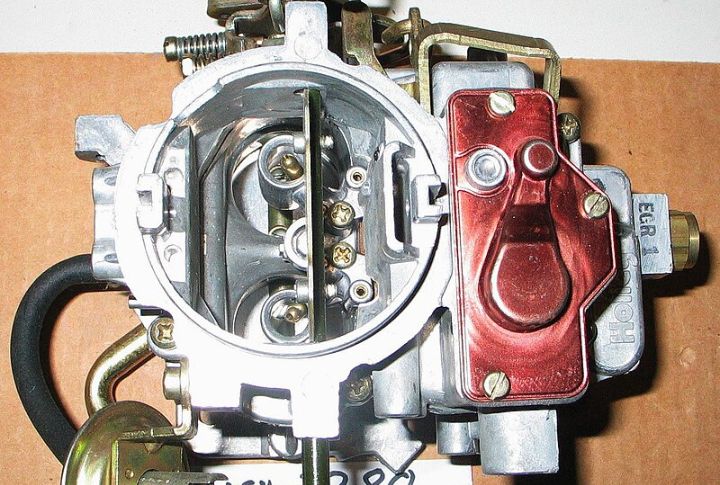
Carburetors, which regulated the fuel-air mixture in engines, were notorious for being temperamental, especially in cold weather. Drivers often had to adjust them manually, and they were less efficient than modern systems. The switch to fuel injection systems in the 1980s vastly improved fuel economy and engine performance and reduced emissions.
Hand Chokes
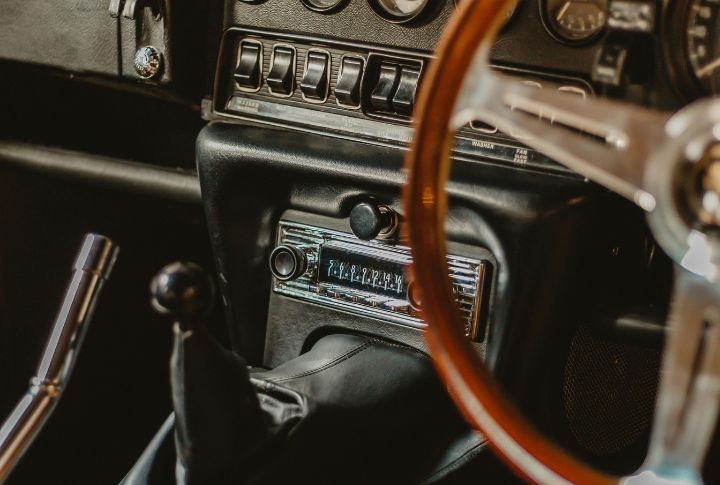
In the era of carbureted engines, hand chokes were used to manually control the air-fuel mixture during cold starts. This required skill and could lead to engine flooding if improperly adjusted. Modern vehicles have sensors that automatically regulate the mixture, ensuring smooth starts and optimal performance.
Vinyl Bench Seats
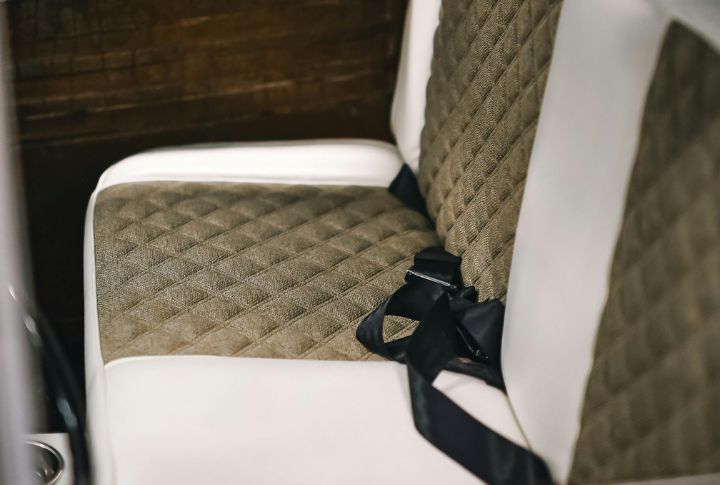
Vinyl bench seats were uncomfortable, especially in hot or cold weather. They provided little lateral support and caused passengers to slide during sharp turns. Additionally, they did not accommodate modern safety features like airbags or seat belts. Today’s bucket seats, made with high-quality materials, offer superior comfort and safety.
Floor-Mounted High Beam Switch

In older cars, drivers had to use a floor-mounted switch to toggle the high beams, which required taking a foot off the pedal. In newer cars, high beams are controlled through steering column stalks. Some modern vehicles also have automatic high-beam systems that adjust based on oncoming traffic.
AM-only Radios

AM-only radios were once the primary source of entertainment in cars. The sound quality was often poor, especially in remote areas. Modern infotainment systems offer options like FM, satellite radio, Bluetooth, and streaming services. The sound quality has vastly improved, and drivers can now connect to devices like smartphones.
Windshield-Mounted Antennas

Retractable or fixed antennas mounted on the windshield or fender were prone to breakage, corrosion, and tangling in car washes. They also detracted from the vehicle’s aesthetics. Modern vehicles use embedded or shark-fin antennas, which are more discreet, durable, and effective at receiving signals for radio and GPS.
Push-Button Transmissions
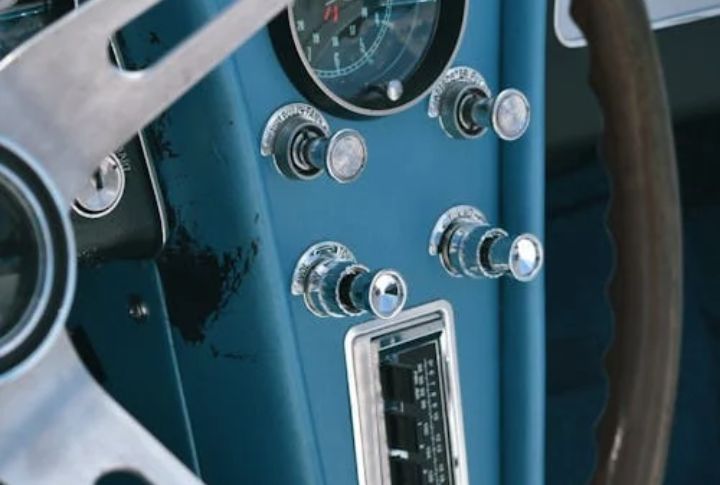
Push-button transmissions, featured in some cars in the 1950s and 1960s, were an early attempt to automate gear shifting. However, they were unintuitive and sometimes unreliable. Newer automatic transmissions, paddle shifters, and shift-by-wire systems offer precise, smooth shifting and are far more reliable.
Non-Collapsible Steering Columns

Before safety became a priority, non-collapsible steering columns were standard in cars. In a frontal collision, the rigid column could severely injure the driver. Modern collapsible steering columns are designed to crumple upon impact, absorb energy, and reduce the risk of severe injury.
Hard Plastic Dashboards

Hard plastic dashboards were prone to cracking, especially in harsh sunlight, and offered no protection in the event of a collision. They often looked cheap and became discolored over time. Improved dashboards are made from vinyl, leather, or padded polymers, which improve the aesthetics and enhance safety.
Coach Doors
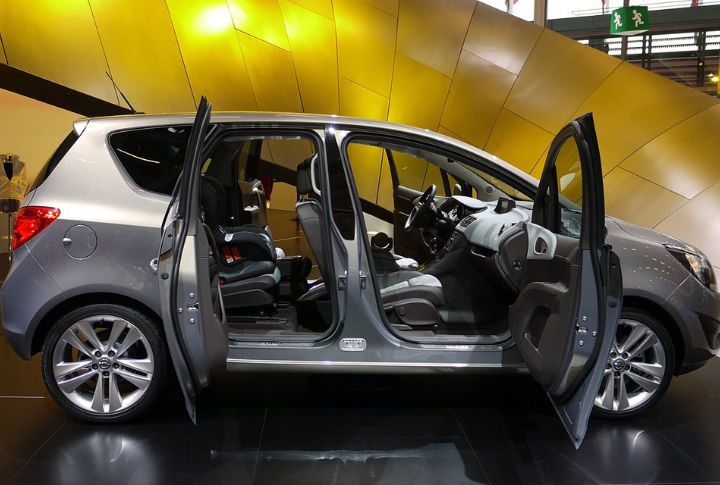
While these doors offered easy access to the rear seats, they posed a significant safety risk. If the doors opened accidentally while the vehicle was in motion, they could catch the wind and fling open dangerously. Modern vehicles have more secure door designs, including child safety locks.
Swing-Out Windshields

Some early cars featured swing-out windshields to increase airflow into the cabin on hot days. While innovative at the time, this feature compromised the vehicle’s structural integrity and safety in the event of a crash. It also posed risks for occupants in case of an accident.
No Seatbelts

It’s hard to imagine that cars once didn’t have seatbelts, a feature now mandated by law in most countries. The lack of seatbelts contributed to a high number of fatalities in early car accidents. Modern vehicles have advanced seatbelt systems, often incorporating pre-tensioners, load limiters, and even airbags.