15 Key Tips for Buying a Used Porsche

Getting a used Porsche can be an exciting prospect, offering the opportunity to own a luxury sports car at a fraction of the cost of a new one. However, it’s necessary to approach the purchase with caution and thorough consideration. Here are 15 things to keep in mind before taking the plunge.
Maintenance History
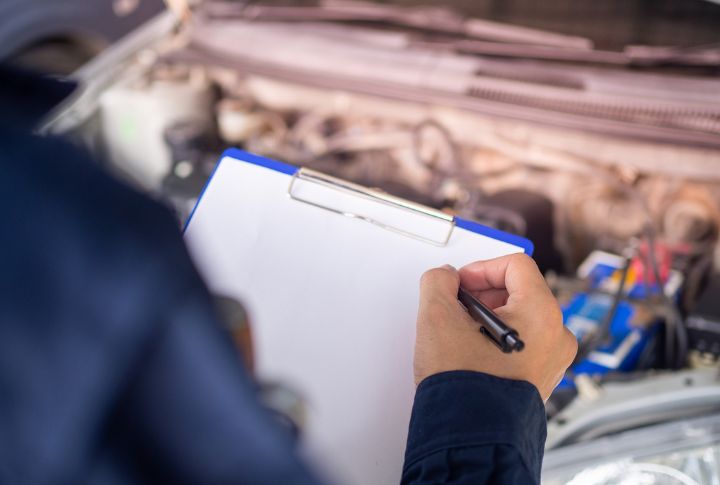
Be sure to review the maintenance history before purchasing the vehicle. Examining these records provides insight into its upkeep, revealing whether it’s been properly cared for. This information can indicate the automotive’s overall condition and disability, helping you make an informed decision about your transaction.
Vehicle History Report
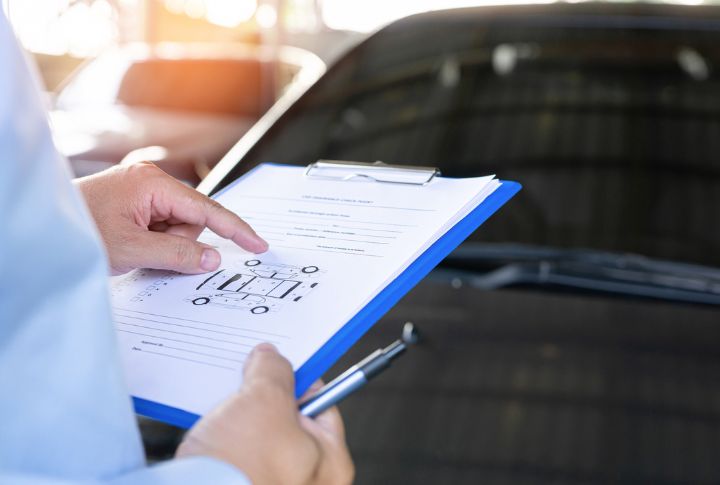
A vehicle history report provides crucial insights into a car’s past. It helps uncover accidents, title problems, and discrepancies in odometer readings. By obtaining this report, you gain valuable insight that can influence your decision on whether to proceed with the purchase, ensuring transparency regarding the automobile’s condition.
Certified Pre-Owned (CPO) Option

These vehicles often include extended warranties and undergo rigorous inspections, offering reassurance about their quality and reliability. Investing in a CPO Porsche combines the allure of luxury with the practicality of a thoroughly vetted vehicle, making it a compelling choice for discerning buyers.
Inspection
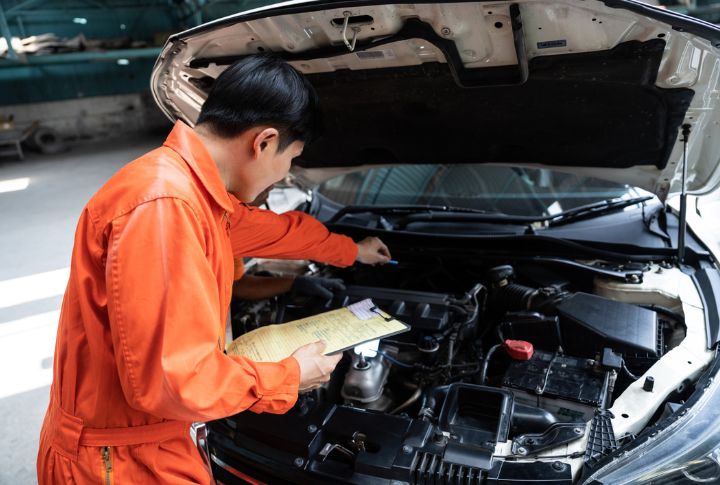
Ensure that a reputable mechanic or Porsche expert thoroughly inspects the car. This step is critical for identifying problems that might compromise the car’s performance or safety. Entrusting the examination to a specialist also ensures comprehensive scrutiny, helping you decide about potential repair needs.
Model Research
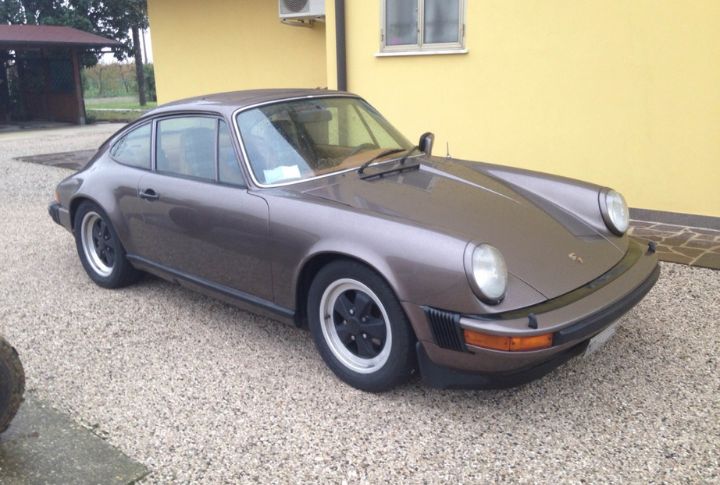
Conduct thorough research to identify the model that fits your tastes and requirements. Explore diverse models, ascertaining factors like output, features, and design elements. Whether drawn to the iconic 911 or the versatility of the Cayenne, informed exploration ensures finding the perfect match for a fulfilling experience tailored to your desires.
Mileage

Mileage is a primary indicator of wear and tear, influencing long-term delivery and resale value. Higher mileage cars often demand increased servicing, potentially impacting overall costs and reliability.
Age of the Vehicle

The age of an automobile impacts its affordability and maintenance requirements. While older models may offer initial cost savings, they sometimes require more frequent repairs. Budget-conscious buyers should carefully weigh the lower price against potential long-term expenses associated with maintaining an older ride.
Warranty Coverage

Before finalizing a transaction, verify if any remaining factory or extended warranty coverage is transferable. With this information, you’ll ensure potential protection for unforeseen issues. Understand the terms and conditions to ascertain the extent of coverage and any associated costs. Transferrable warranties offer lower repair expenses, making them a valuable consideration in your decision-making process.
Aftermarket Modifications

When considering aftermarket modifications, it’s ideal to exercise caution, especially with heavily altered vehicles. These modifications can impact reliability and void warranties. Before committing to any changes, thoroughly research their implications and consult with experts to determine if they align with your goals while maintaining the vehicle’s integrity and functionality.
Ownership Costs
These costs go beyond the initial payment, repairs, and servicing expenditures. They also include insurance premiums, taxes, and registration fees, significantly impacting your budget. These recurring expenses increase over time, influencing the actual cost of owning and maintaining a car.
Driving Habits

Align the automobile’s features with your daily routines and driving style. Evaluate your usage patterns, such as commuting distances, terrain, and cargo needs. Doing this will help ensure that the chosen car suits your driving habits and enhances comfort, efficiency, and general satisfaction.
Test Drive
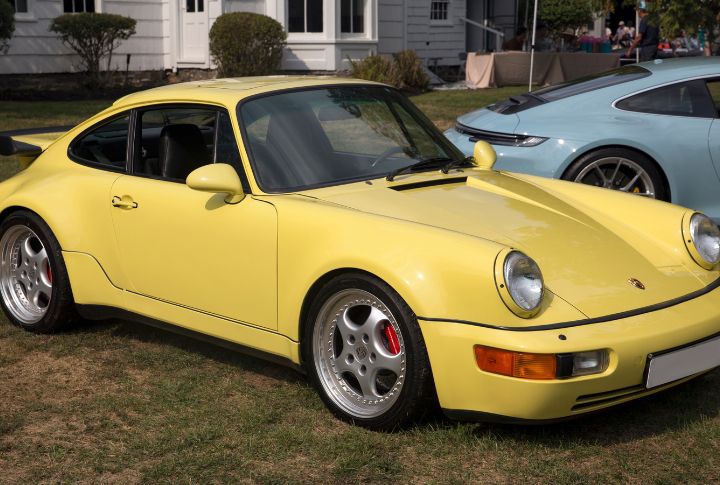
Conducting a thorough test drive is imperative when considering purchasing a car. This hands-on experience allows you to evaluate crucial aspects such as performance, handling, and comfort. Doing this verifies that the vehicle fits your preferences and choices.
Resale Value

Find out the resale value of the exact model and trim level you’re eyeing. Investigate factors like depreciation rates, historical trends, and market demand. With this information, you can invest wisely, saving you money in the long run.
Availability of Parts
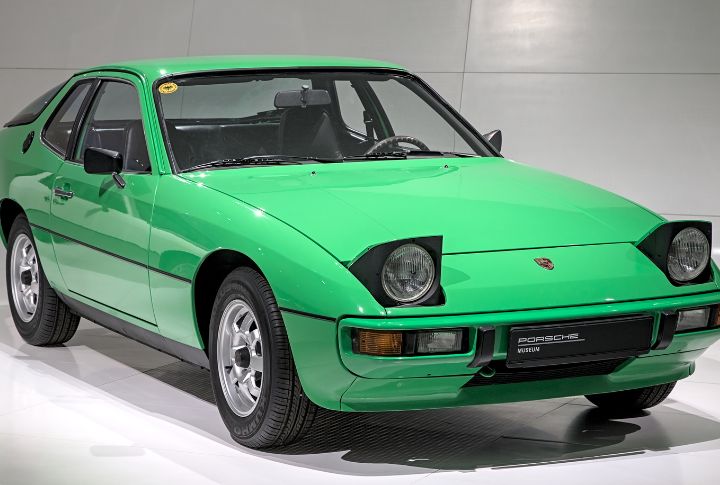
Confirm the availability of essential components and reliable maintenance services within your vicinity. These services guarantee swift repairs and replacements, minimizing downtime and operational disruptions. Efficiently managed parts and services streamline operations and enhance overall performance.
Dealer Reputation

Contact a trustworthy car merchant or someone with good reviews and a track record. Research their history to ensure a proven record of customer satisfaction and integrity. This approach safeguards against possible fraud or dissatisfaction, guaranteeing a smoother transaction and a more reliable auto purchase.