15 Iconic NASCAR Racing Machines
The roar of engines and the thrill of high-speed racing exemplify NASCAR’s legacy. But all that wouldn’t be possible without iconic machines engineered for speed and power. Get ready to uncover the exhilarating world of 15 legendary vehicles that transformed the sport and secured their place in the annals of racing history forever.
1966 Ford Galaxie
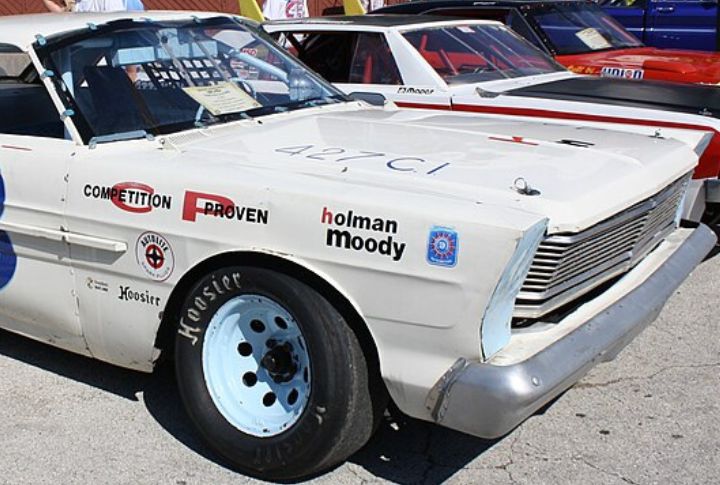
The 1966 Ford Galaxie was a muscle car known for its massive 427-cubic-inch V8 engine, which delivered unbeatable performance on the course. With a body crafted to slice through the air, this car gave Ford an edge in high-velocity competitions, proving its dominance in speed and superspeedways during the mid-1960s.
1969 Dodge Charger Daytona

Designed for pure racing excellence, the 1969 Dodge Charger Daytona featured a massive rear wing and an elongated nose. These aerodynamic improvements made it the first NASCAR car to break the 200 mph barrier. Its unique shape wasn’t just for show—this car set new racing efficiency and engineering precision standards.
1970 Plymouth Superbird
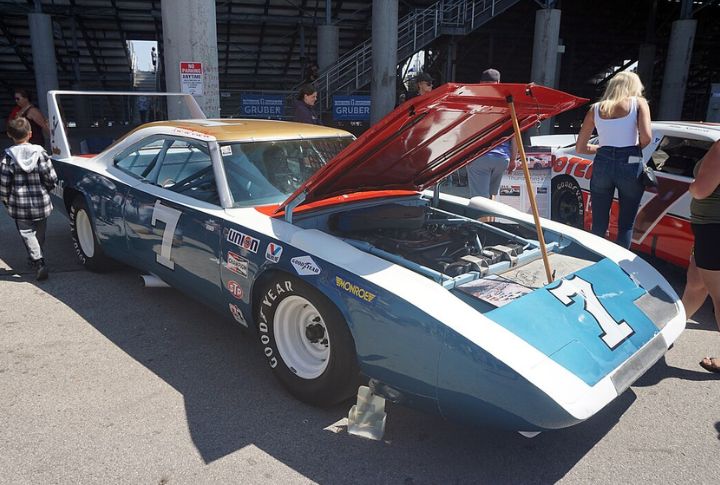
A legend in design and capability, the 1970 Plymouth Superbird was engineered to dominate NASCAR circuits. Its distinctive streamlined shape, including a pointed nose cone and prominent rear spoiler, helped Richard Petty win. These car innovations influenced how NASCAR vehicles were constructed for decades to come.
1987 Chevrolet Monte Carlo SS Aero Coupe
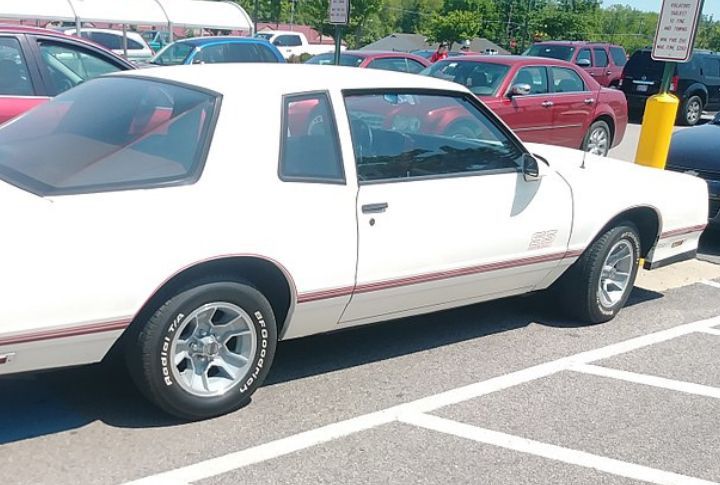
Renowned for its streamlined design and remarkable speed, this car emerged as a prominent figure in the NASCAR scene of the late 1980s. Its aerodynamic body and lightweight construction made it the car of choice for legendary racers, including Dale Earnhardt, who used this machine to rack up numerous wins.
1992 Ford Thunderbird
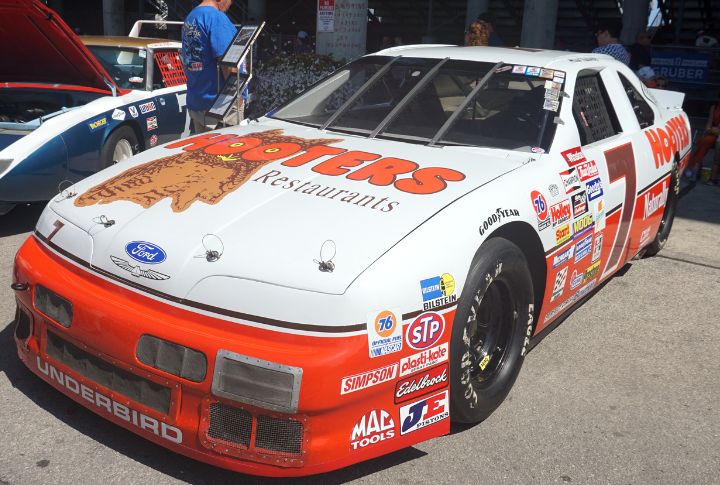
With its elegant form and advanced acceleration, the 1992 Ford Thunderbird became dominant in the early ’90s NASCAR circuit. Its powerful 5.8-liter propelled it to numerous triumphs like Alan Kulwicki’s famous 1992 championship win. This vehicle blended strength and precision, cementing its place in history.
1997 Chevrolet Monte Carlo
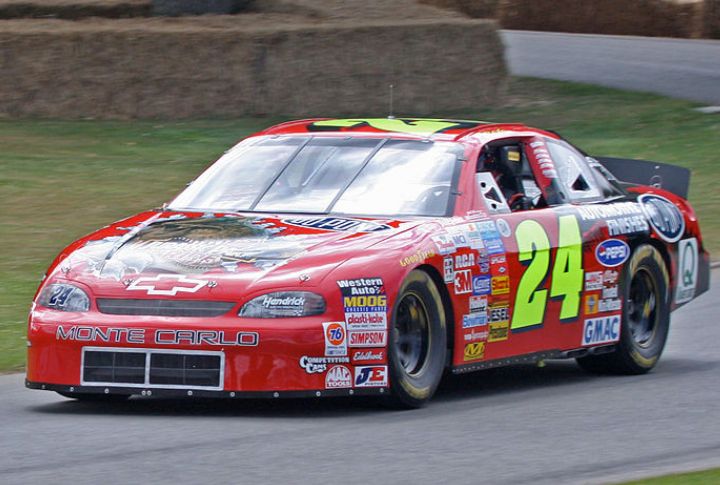
The 1997 Chevrolet Monte Carlo was synonymous with success, driven by legends like Jeff Gordon. The vehicle’s finely tuned airflow efficiency and high-performance V8 enabled it to glide effortlessly across the asphalt. With the Monte Carlo, Gordon secured ten victories in a single season, solidifying its reputation as one of the most formidable NASCAR cars.
2000 Ford Taurus
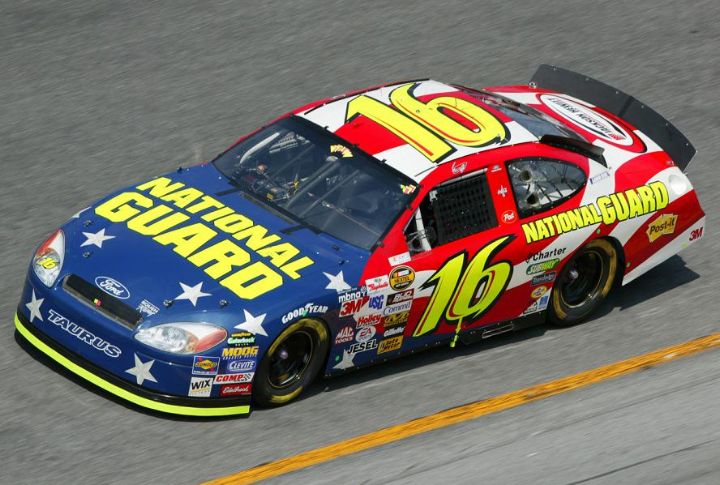
The Ford Taurus marked a new era in NASCAR with its modern look and refined streamlined shape. Equipped with a strong eight-cylinder engine, it combines strength with precision. This car was a driver’s favorite in the early 2000s and was part of Dale Jarrett’s memorable Daytona 500 win in 2000.
2003 Dodge Intrepid
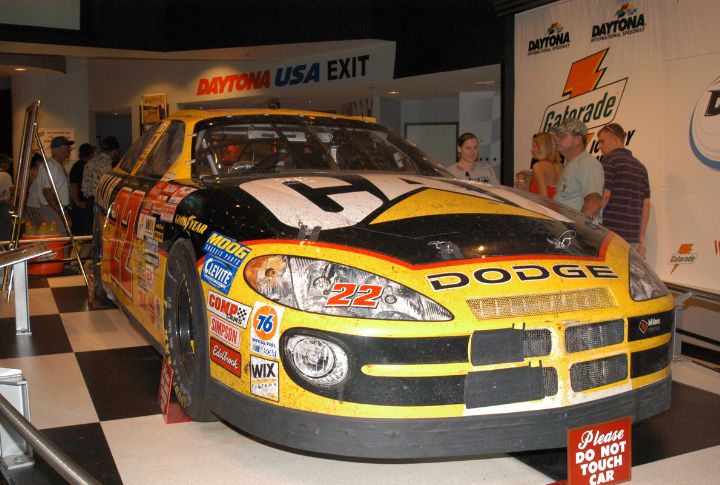
With bold styling and an aerodynamic edge, the 2003 Dodge Intrepid established itself in NASCAR’s lineup during the early 2000s. It was a key player for Dodge’s return to NASCAR after a long hiatus. Competitors such as Ryan Newman made their mark with the Intrepid, thanks to its noteworthy handling and speed on the racetrack.
2006 Chevrolet Impala SS
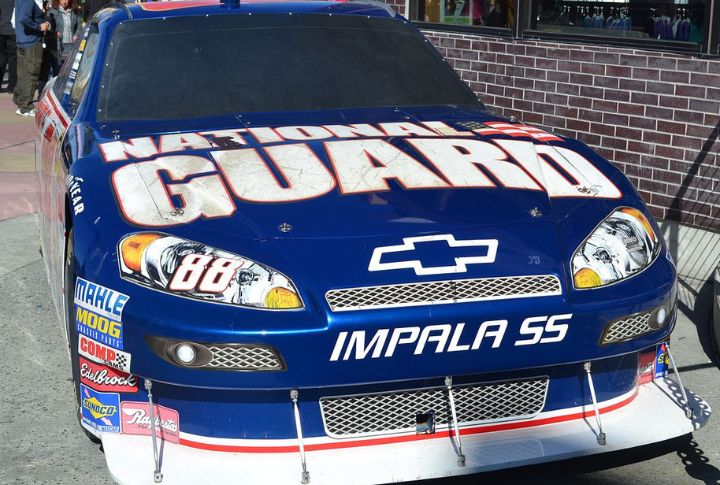
The 2006 Chevrolet Impala SS featured a return to the roots of raw energy. Built with an impressive 358 cubic-inch power plant, it was both fast and durable, and provided a competitive advantage on NASCAR circuits. This car brought several victories for Jimmie Johnson on his way to his first of five consecutive championships.
2007 Toyota Camry
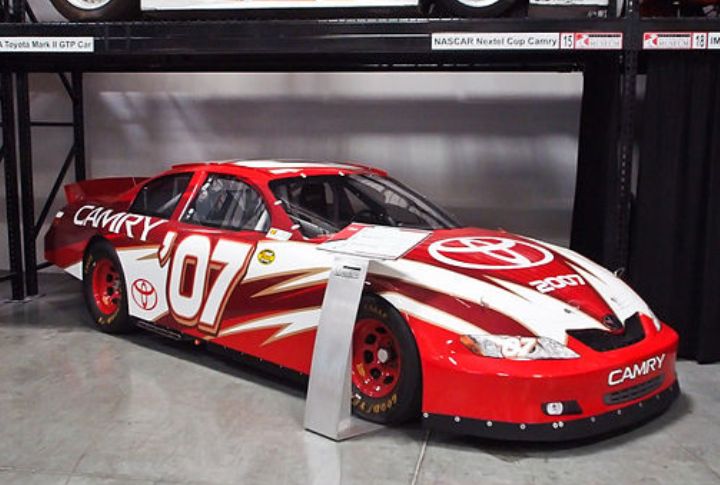
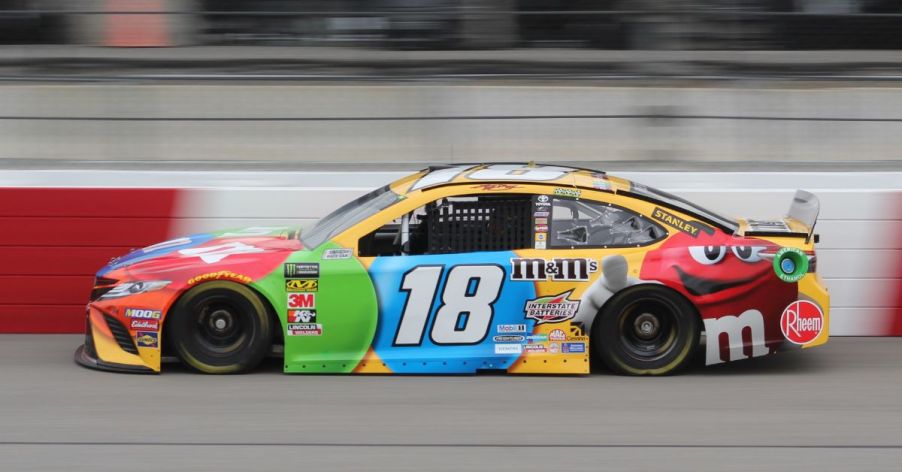
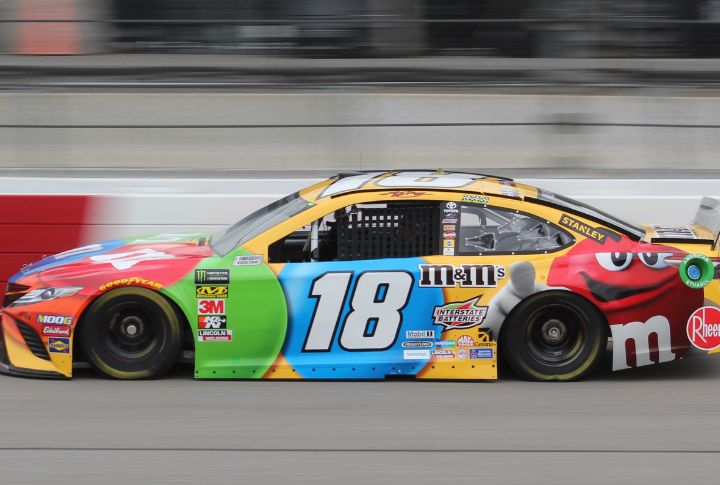
The introduction of the 2007 Toyota Camry marked a major milestone. It was the first foreign brand to compete in NASCAR’s top series. It quickly proved it could compete with American icons, with strong performances from drivers like Kyle Busch. The Camry’s superior handling and power made it a competitive force in a short time.
1995 Pontiac Grand Prix
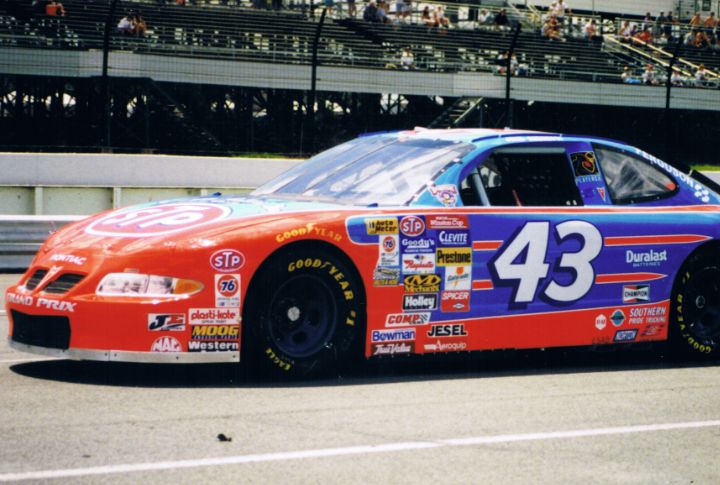
Known for its sleek design and powerful V6 and V8 engines, it became a favorite for racers such as Bobby Labonte and Kyle Petty. Its aerodynamic enhancements gave Pontiac an edge on both short tracks and superspeedways, and has contributed to numerous wins and solidifying Pontiac’s legacy in NASCAR history.
2013 Ford Fusion
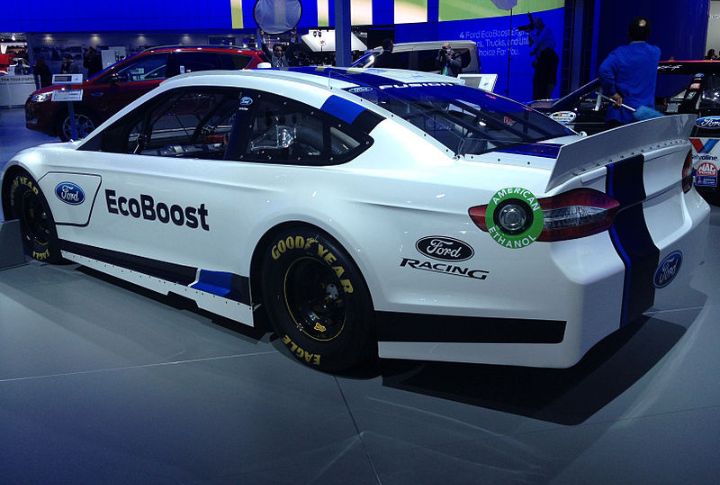
The 2013 Ford Fusion introduced a sleek, modern silhouette that turned heads on and off the track. Its improved, streamlined form, paired with a sturdy eight-cylinder engine, helped this vehicle become a winning vehicle in the Sprint Cup Series. With Joey Logano behind the wheel, the Fusion helped Ford reclaim its dominance in the NASCAR scene.
2015 Chevrolet Camaro ZL1
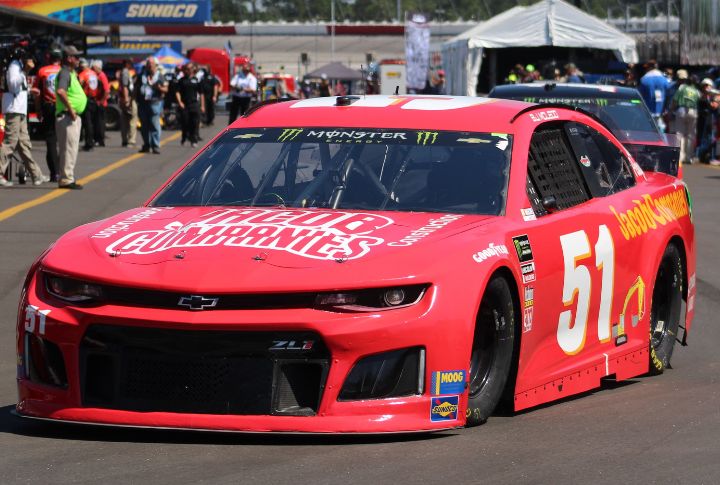
Built for power and strength, the 2015 Chevrolet Camaro ZL1 brought muscle car energy back to NASCAR. Combining an aggressive stance with a high-output engine, the Camaro ZL1 stands out for its style and performance. It became a fan favorite and a fierce competitor, showing its prowess in both rapidity and control on the course.
2018 Ford Mustang
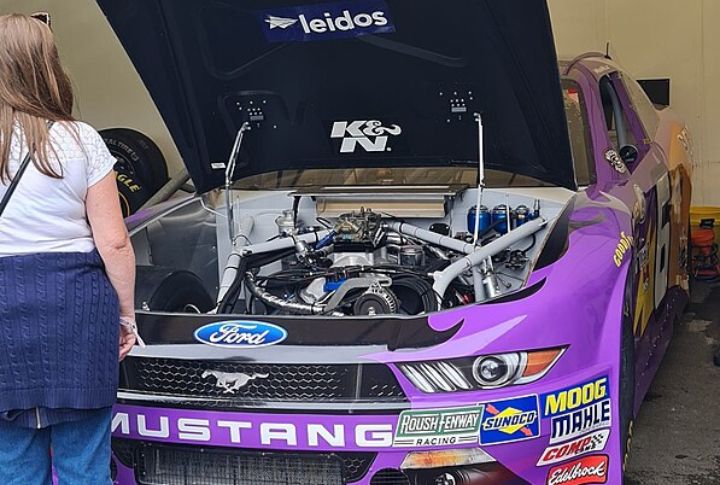
The 2018 Ford Mustang reintroduced a classic icon to NASCAR with modern enhancements. Its updated body and enhanced aerodynamics improved handling and speed on the oval tracks. Thanks to its balance of strength and precision, the Mustang allowed talents like Kevin Harvick to lead Ford to dominate the competition and stay at the top of the podium.
2022 Next Gen Car
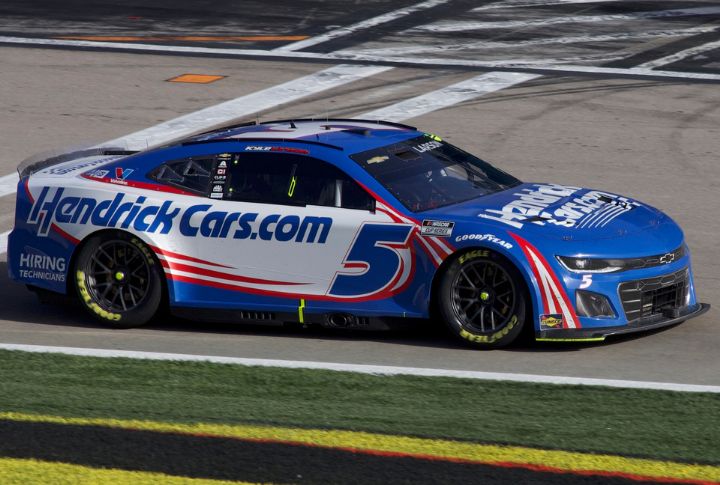
The Next Gen Car, introduced in 2022, represents the future of NASCAR. It introduced a new level of technology through its state-of-the-art structure, independent rear suspension, and emphasis on safety. It features a larger chassis, standardized parts across teams, and an improved sleek design aimed at enhancing competition and reducing costs in the racing series.