15 Harmful Riding Habits That May Get You In Trouble
When we constantly do things in a particular way, they become a part of us—a habit. These subconscious actions are formed and can be seen in every area of our lives, including driving. Therefore, we should take a step backward to examine how we ride our bikes and discover if we unconsciously behave in dangerous ways. The following slides contain some lousy riding habits we should avoid and how best to do so for our safety.
Not Wearing Protective Gear

Riding without protective gear increases the risk of severe injury in accidents. To change this habit, prioritize safety by investing in quality gear like helmets, jackets, gloves, and boots. Make wearing them a non-negotiable rule every time you ride. Educate yourself on the consequences of not wearing gear, including the potential for head trauma and road rash, to reinforce the importance of this habit change.
Ignoring Maintenance
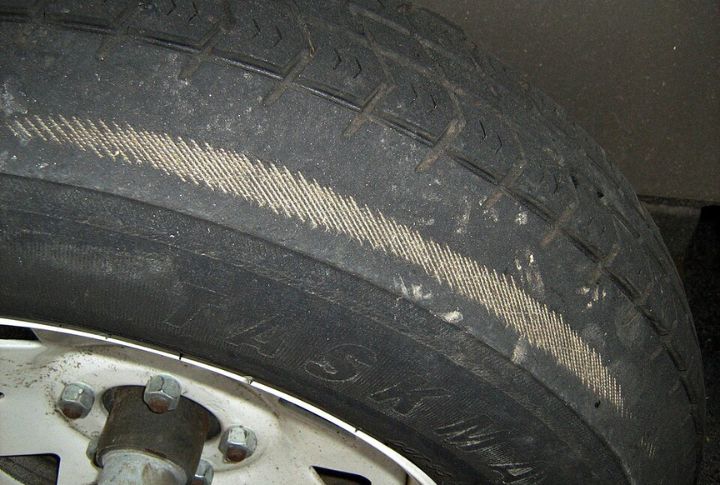
Neglecting your vehicle’s maintenance can lead to mechanical failures like brake or tire issues mid-ride. Regularly check tire pressure, brake functionality, and oil levels. Schedule routine maintenance according to manufacturer recommendations. Change this habit by setting reminders for regular check-ups, creating a checklist for pre-ride inspections, and understanding the potential consequences of neglecting maintenance on personal safety and the bike’s longevity.
Tailgating

This involves riding too closely behind another vehicle, which increases the chance of accidents due to reduced reaction time. Try to increase the distance between you and the car in front, aiming for a minimum of three seconds between vehicles. Focus on the road ahead, not just the person in front, and anticipate traffic movements for smoother, safer driving.
Riding Under the Influence
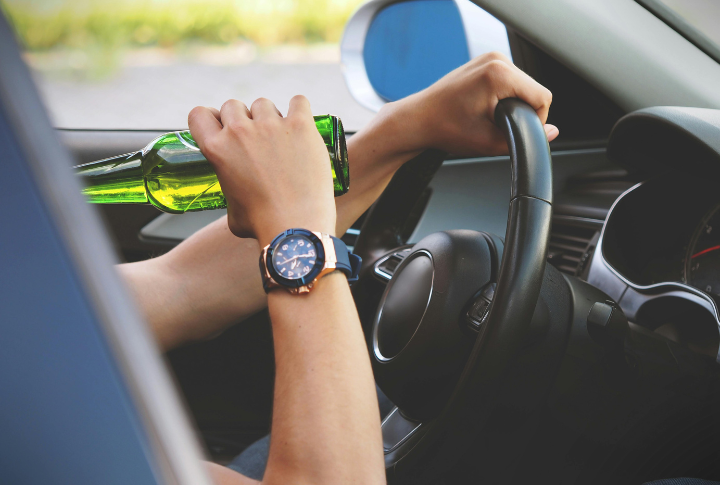
Riding under the influence affects your judgment and slows your reaction time, leading to accidents and injuries. Always plan ahead by arranging for a sober ride or using public transportation. Keep contact information for taxi or rideshare services to transport you to your destination whenever you’re tipsy. Additionally, remind yourself of the potential consequences of your action, including legal penalties and harm to yourself and others.
Speeding
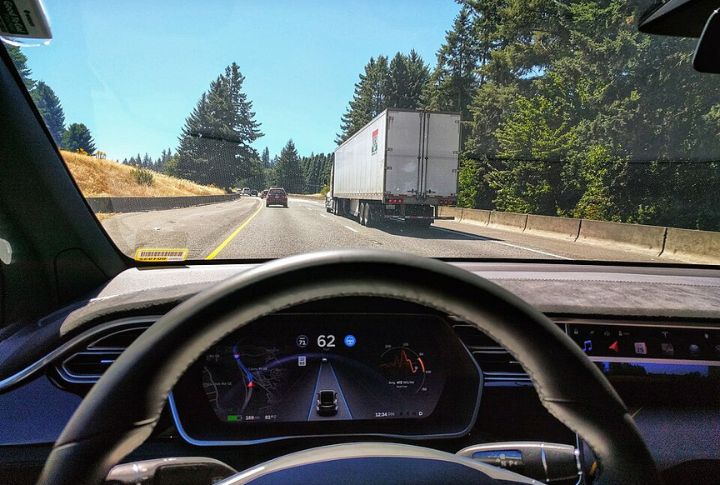
Driving beyond speed limits significantly reduces reaction time and stopping distance and elevates the severity of crashes. Set a personal speed limit below the legal limit and use cruise control on highways to ensure consistent speed. Practice mindfulness while driving to remain aware of speed limits and road conditions.
Ignoring Traffic Signals
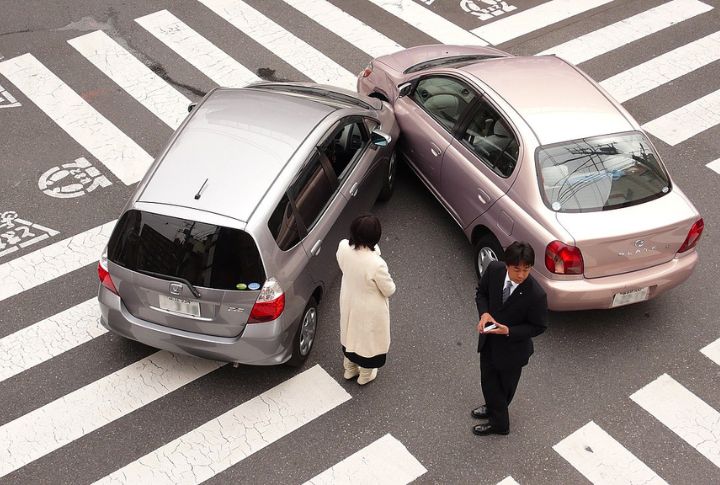
Not mudding traffic signals can cause accidents, severe injuries, or loss of lives due to collisions with vehicles or pedestrians. So, whenever you’re riding, stay alert to traffic lights and signs and plan your route to account for signal stops. Even if you’re late, prioritize safety by recognizing the importance of adhering to traffic regulations.
Riding Distracted
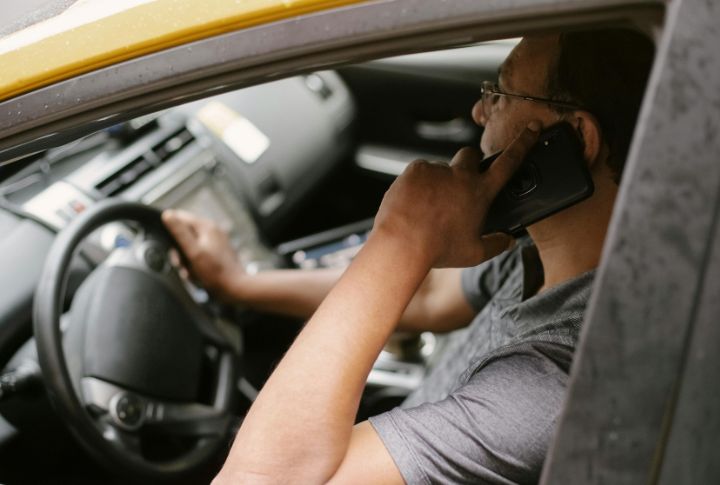
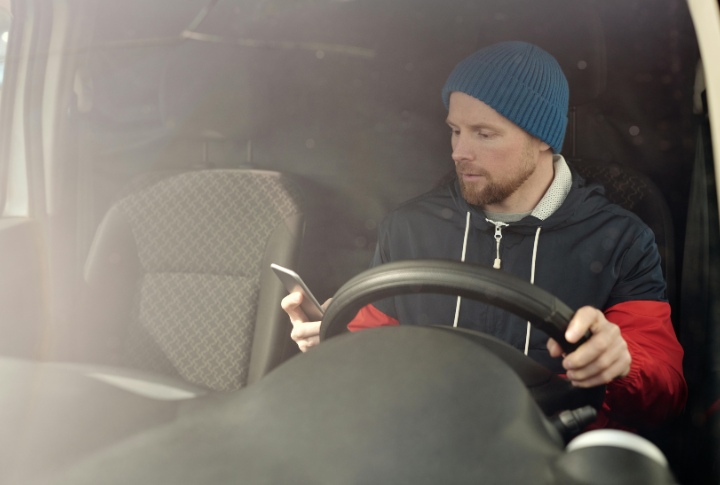
Operating a phone, eating, or engaging in similar activities while riding can distract you from the road and increase the risk of an accident. To avoid these, commit to keeping your phone in a pocket or bag and only stopping to use it when necessary. Stay focused on riding by avoiding multitasking and maintaining awareness of your surroundings to ensure safety.
Overloading
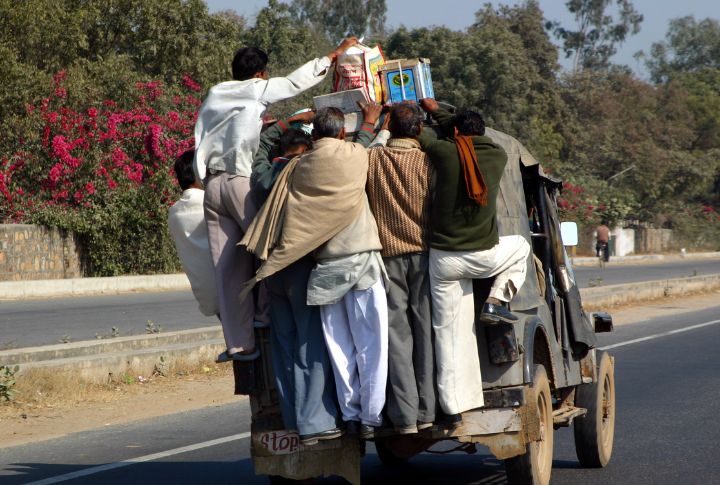
Overloaded vehicles experience reduced stability, longer braking distances, and increased tire wear. Adhere strictly to the manufacturer’s weight limits. Regularly inspect the vehicle’s load capacity and distribute weight evenly.
Neglecting Blind Spots
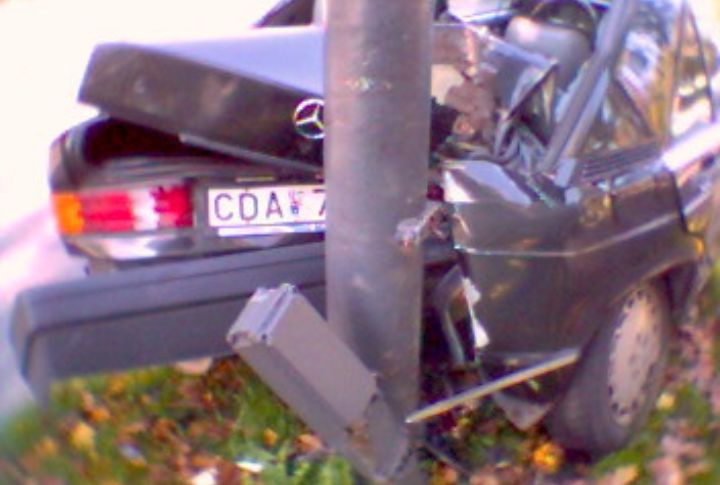
Not minding blind spots while riding can cause collisions with vehicles or obstacles outside the rider’s immediate view. Always check blind spots by turning your head and using mirrors before lane changes or turns. Practice situational awareness and develop a routine of frequent visual checks to ensure all areas around the vehicle are clear.
Riding Tired

Don’t get into the driver’s seat if you’re tired. Tiredness impairs judgment, reaction time, and coordination. Fatigue can lead to microsleeps, where the rider briefly falls asleep without realizing it. Ensure you have adequate rest before riding, take regular breaks during long trips, and stay hydrated always. If you’re feeling drowsy, find somewhere to stop and rest before resuming your journey.
Riding in Inclement Weather Without Preparation
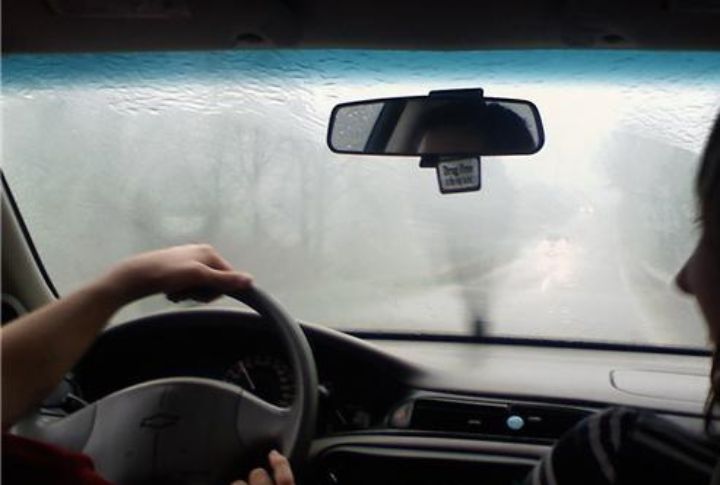
Poor weather increases the risk of accidents due to reduced visibility, slippery roads, and mechanical failures. Before embarking on a trip, verify weather forecasts, equip your vehicle with proper tires, wear weather-appropriate gear, and ensure lights and brakes are functional. Additionally, slow down and increase the following distance to enhance safety in adverse weather conditions.
Not Signaling Intentions
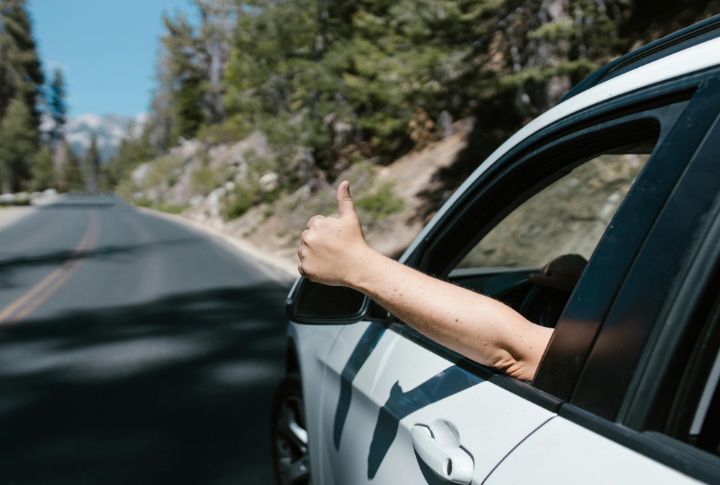
Forgetting to give riding signals creates confusion and unpredictability for other road users. It can cause sudden stops or collisions, which may result in injuries. Use hand and electronic signals clearly and in advance to indicate turns or stops. Practice signaling consistently in safe areas until it becomes a natural part of your riding routine.
Improper Lane Positioning

Habits like riding too close to the curb or in another vehicle’s blind spot are dangerous to all parties. Whenever you ride, make sure you’re in a visible, central position within your lane. Maintain a safe distance between yourself and other vehicles and avoid lingering in blind spots.
Ignoring Road Conditions
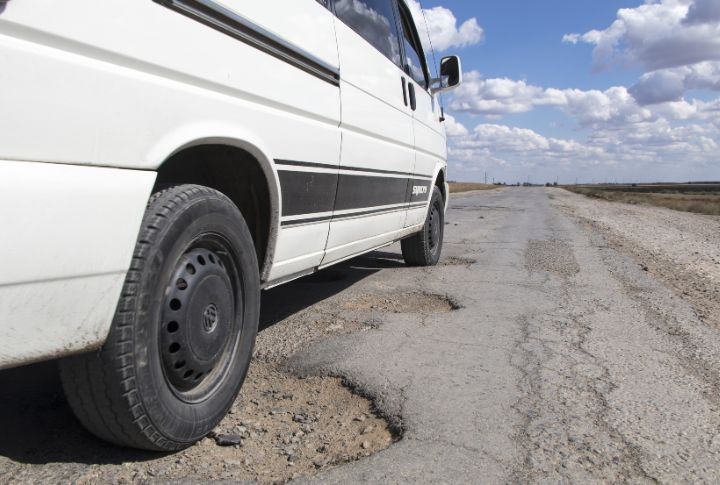
Not adapting your riding to weather, surface quality, or visibility is dangerous. It can lead to accidents due to slippery surfaces, potholes, or unexpected obstacles. So, monitor and assess the road ahead every time you drive. Adjust speed accordingly and be aware of other vehicles. Looking up weather forecasts can help you plan your route to avoid hazardous areas.
Neglecting Training and Skill Development
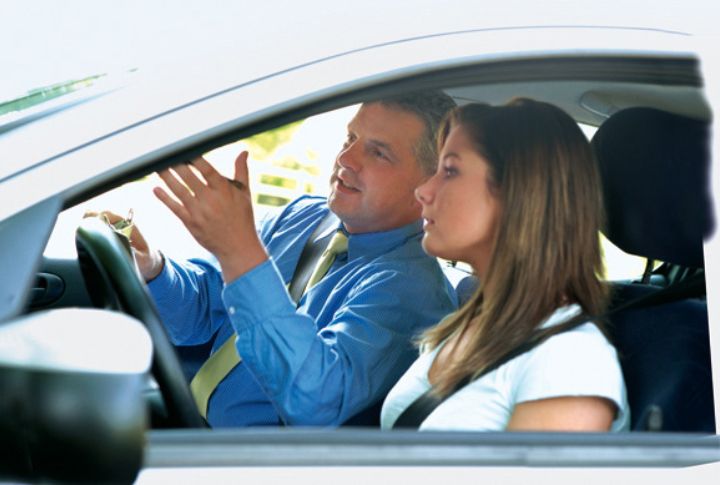
Don’t take your training and skill development for granted. Prioritize regular practice sessions, attend safety courses, and seek feedback from experienced riders. Set achievable goals and gradually push boundaries. As you train, track your progress and celebrate every milestone. Additionally, develop a mindset of continuous improvement, embracing challenges as opportunities to refine skills.