15 Diverse Harley-Davidson Frame Styles

Motorcycle frames primarily serve as the central point of the bike on which all other parts hang. However, several motorbike designers, like Harley-Davidson, are adding an aesthetic touch to frame designs, providing customers with different shapes and sizes. Each Harley-Davidson frame serves a different purpose and adds to the overall specification of the bike. Here are 15 different frame styles the manufacturer currently uses and the models that use them.
Custom Frame
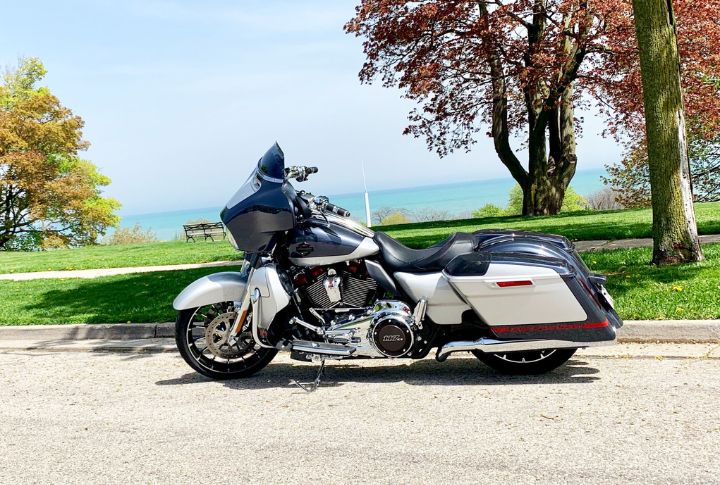
The frame offers greater customization flexibility, allowing users to create bikes that reflect their style preferences. This frame typically features a relaxed rake angle and stretched dimensions. It provides a lower, sleeker profile that enhances the bike’s visual appeal and handling characteristics. Modern engineering techniques and materials are also incorporated in the Custom Frame for improved strength, rigidity, and weight distribution compared to standard frames.
Dyna Frame
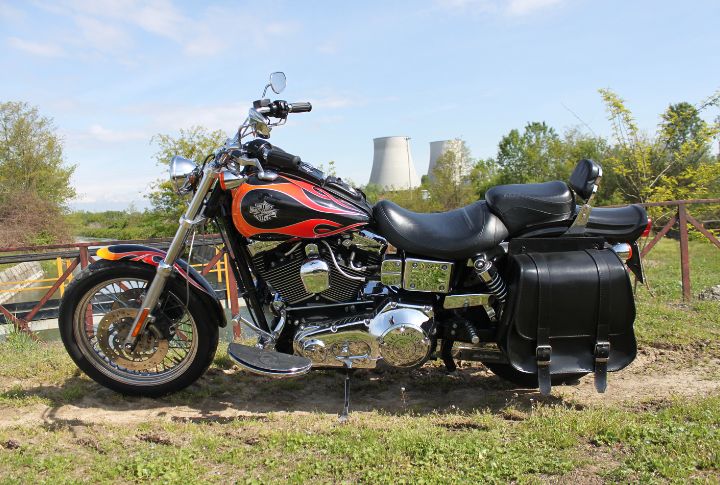
Using a unique configuration known as the “twin-spar” design, it increases stiffness and stability, especially during high-speed maneuvers or cornering. It aimed to blend the smooth ride quality of the company’s touring bikes with the classic, lean look of a cruiser. Additionally, the Dyna features a modular structure for easier customization.
Buell Frame
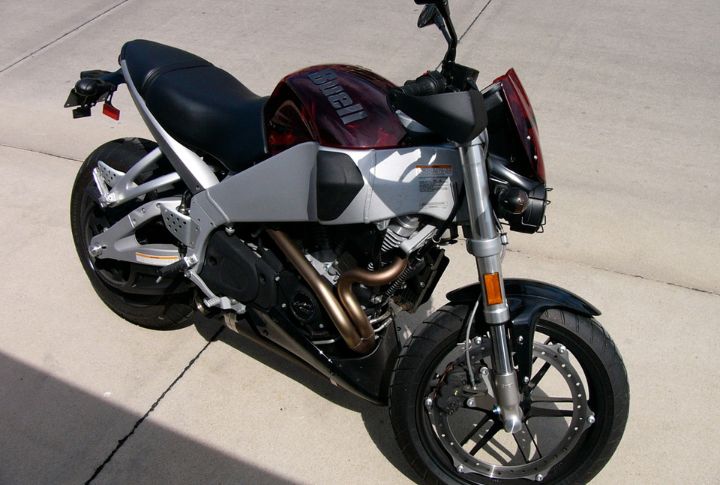
Buell frames differ significantly from traditional Harley-Davidson frames in design and construction. They often utilize innovative designs, such as the perimeter frame, which wraps around the engine and provides increased rigidity and improved handling. Buell frames also usually incorporate aluminum components, reducing weight and enhancing output.
Evolution Frame
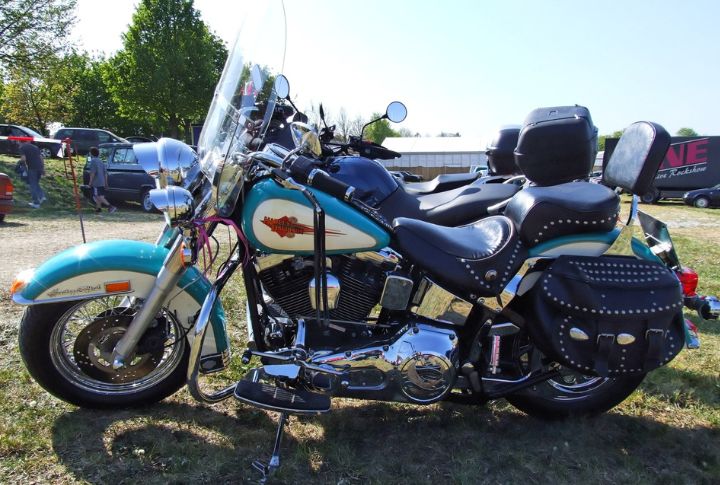
One notable feature of the Evolution Frame is its compatibility with Harley-Davidson’s Evolution engine. This engine represented a leap forward in performance and reliability compared to previous Harley powerplants, and the Evolution Frame was specifically designed to accommodate its larger size and increased power output. As a result, the Evolution Frame became a cornerstone of Harley-Davidson’s lineup.
FXR Frame
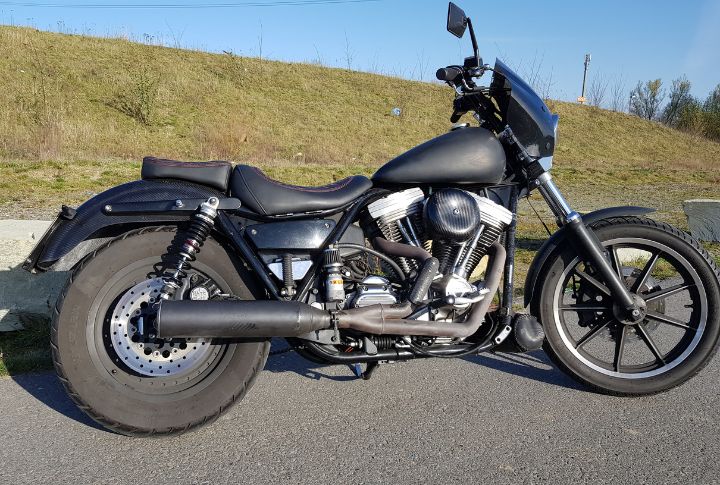
The FXR’s frame-mounted engine provides better stability and handling. This structure reduces vibration and improves control, especially during high-speed cornering. Additionally, the FXR frame has adjustable suspension components, allowing users to adjust their bike settings for specific road conditions or personal preferences.
Knucklehead Frame
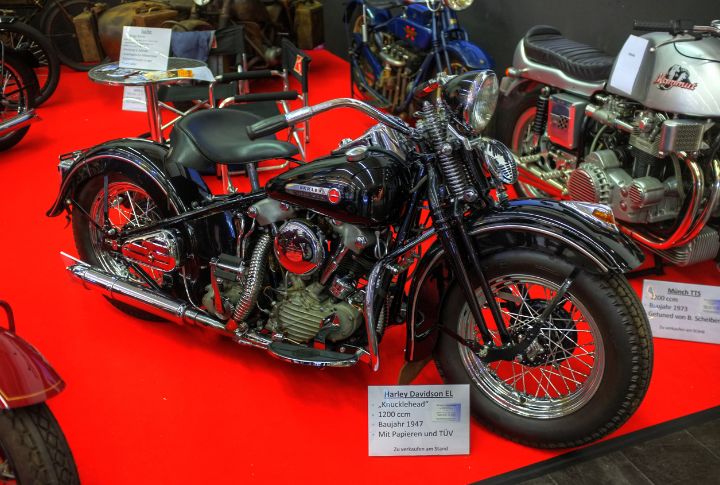
Introduced in 1936, the Knucklehead Frame was particularly notable for its use in the iconic Knucklehead engine models. Its unique geometry, characterized by its curved downtube and sturdy build, provided riders with smoother and more controlled riding. Thanks to improvements in manufacturing technology and materials, the frame offers enhanced rigidity and strength.
Panhead Frame
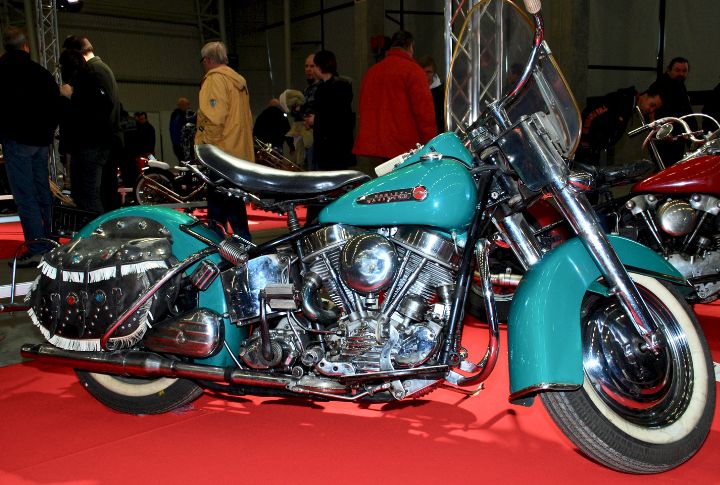
The most noticeable feature of the Panhead Frame is its construction material and geometry. This frame was crafted from welded steel tubing, providing greater strength and durability than earlier frames constructed from cast iron. This material change made the frame lighter and improved handling and maneuverability. Another notable difference is the Panhead frame’s integration of the engine as part of the chassis.
Shovelhead Frame
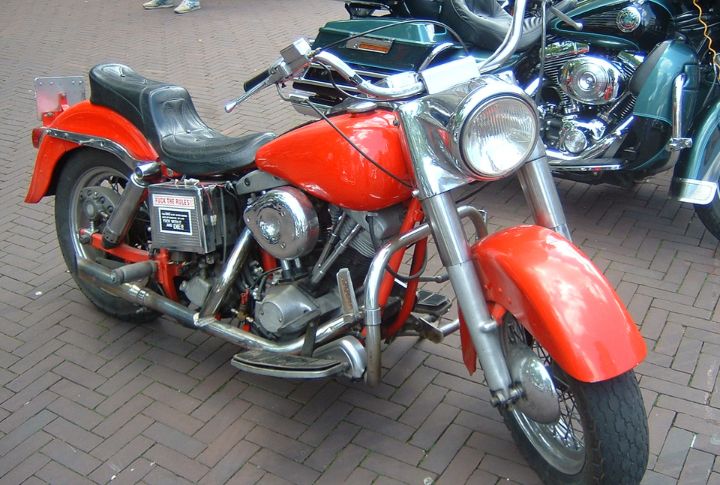
Used in Harley-Davidson motorcycles from the late 1960s to the early 1980s, the frame had a “wishbone” structure which gave it a classic look and contributed to its structural integrity. The rear section of the frame split into two separate tubes that met at the seat post area, resembling a wishbone. This configuration provided ample stability necessary for handling the power and torque generated by the large-displacement V-twin engines.
Sportster Frame
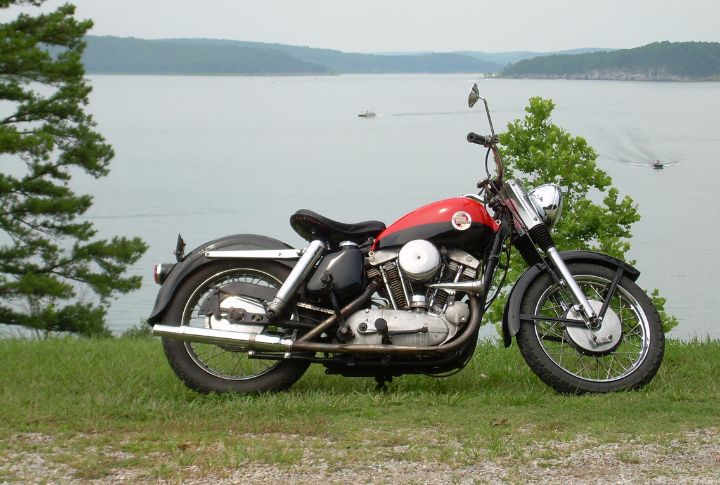
Different from the heavyweight frames used in models like the Touring and Softail series, the Sportster frame is known for its lighter weight and compact dimensions. It reflects the Sportster’s origins as a nimble and agile motorcycle, ideal for urban riding and shorter trips. Additionally, the frame typically features a minimalist aesthetic, emphasizing functionality and output over ornate styling.
Swingarm Frame
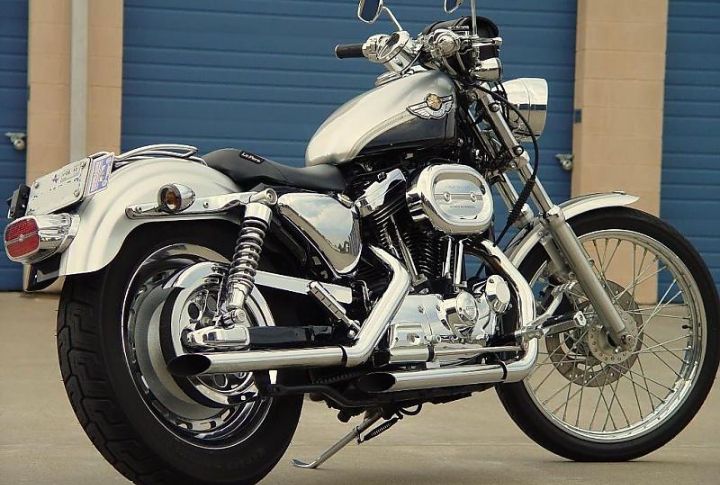
A significant difference between the Swingarm Frame and other Harley-Davidson frames is its rear suspension setup. This design has a swingarm rear suspension system, where the rear wheel is attached to a pivoting arm that allows for vertical movement. It offers a smoother ride relative to the rigid frames in other Harley-Davidson models, as the swingarm can absorb bumps and road imperfections more effectively.
Street Frame
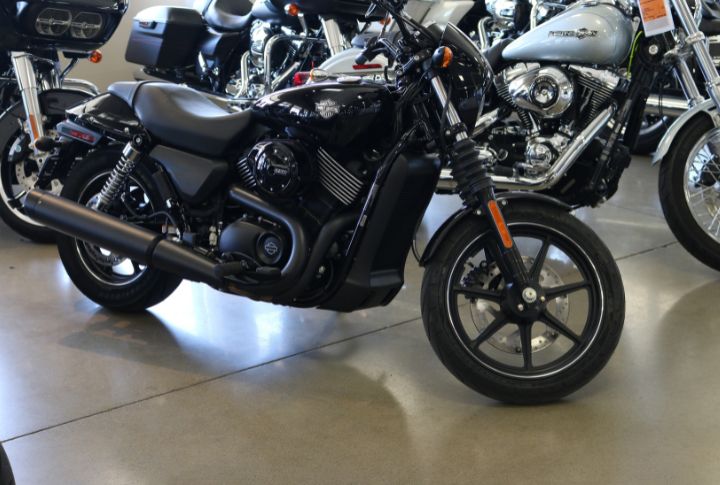
Used mainly for the Harley-Davidson Street series motorcycles, the Street Frame differs from other frames in several ways. Firstly, it is designed to accommodate smaller displacement engines. Its build prioritizes maneuverability and ease of handling in city traffic. Furthermore, the Street Frame incorporates recent engineering techniques and materials, resulting in a lighter weight than traditional frames. It has a compact build, shorter wheelbase, and lower seat height.
Softail Frame
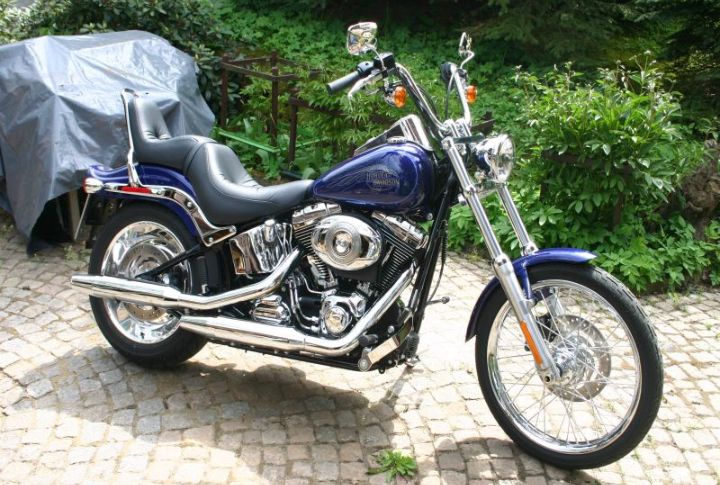
Unlike other Harley-Davidson frames, which typically feature visible rear shocks, the Softail frame incorporates its suspension components beneath the motorcycle. This quality gives riders the classic look of a hardtail frame while offering the comfort and performance benefits of a modern suspension system.
Trike Frame
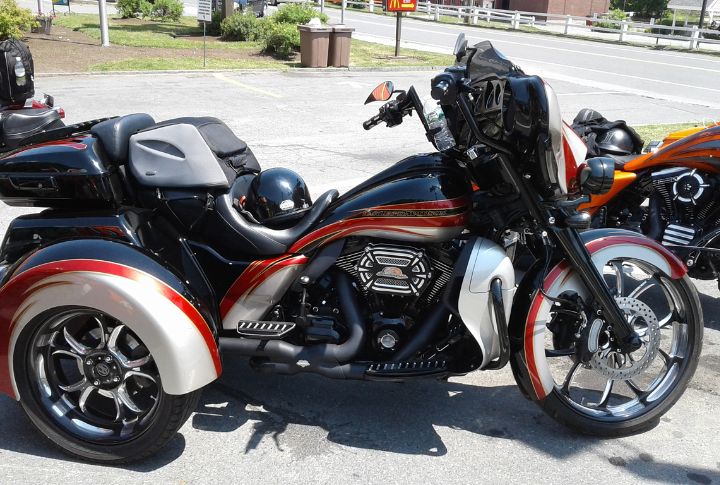
The Trike Frame is wider and longer than traditional motorcycle frames, precisely engineered to accommodate the unique blueprint and weight distribution of a three-wheeled vehicle. Its skeleton incorporates integrated suspension systems for comfort and better handling. It also includes provisions for mounting the rear axle and differential.
Touring Frame
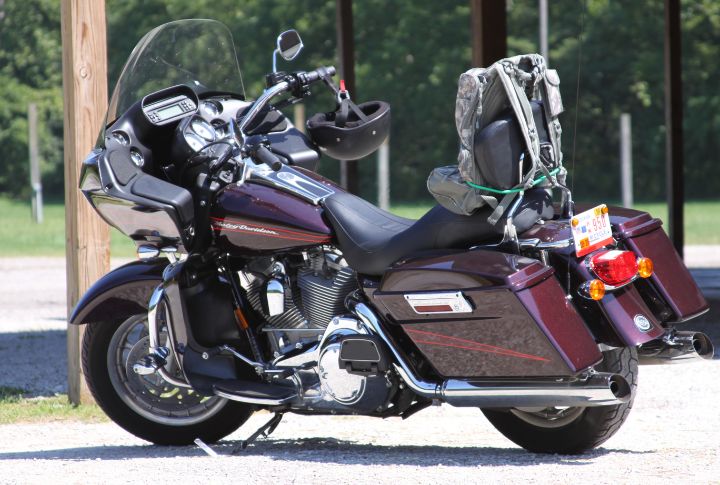
With a longer wheelbase and a relaxed riding position, it minimizes fatigue during extended rides. Furthermore, it gives better stability and handling, especially when navigating varied terrain. The Touring Frame has enhanced carrying capacity, with integrated storage options like saddlebags and trunk space. These additions make it ideal for riders who frequently go on journeys requiring ample storage for luggage or gear.
VRSC Frame
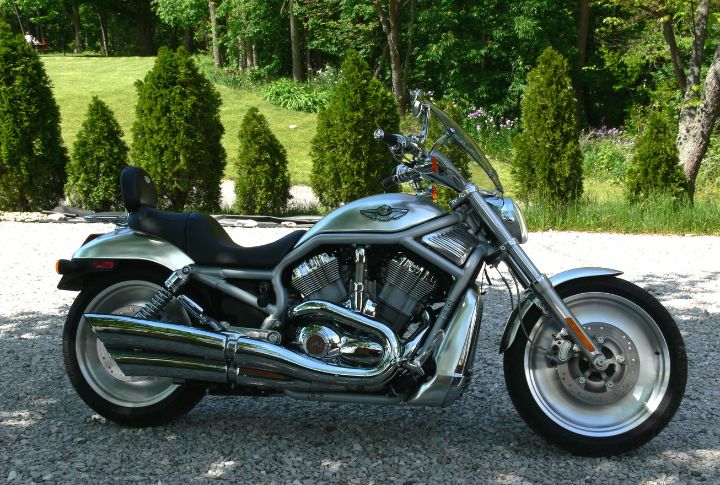
This frame is used in Harley-Davidson’s V-Rod models and employs a hydroformed aluminum construction. It results in a more rigid, lightweight frame with better handling and performance. Using aluminum also contributes to a distinct aesthetic, giving the V-Rod a sleeker, more modern appearance.