15 Comparisons Between the F-16 And F-18 Fighter Jets
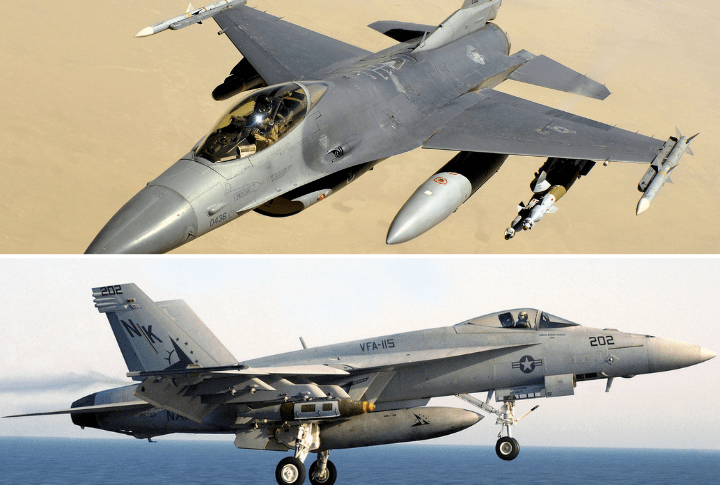
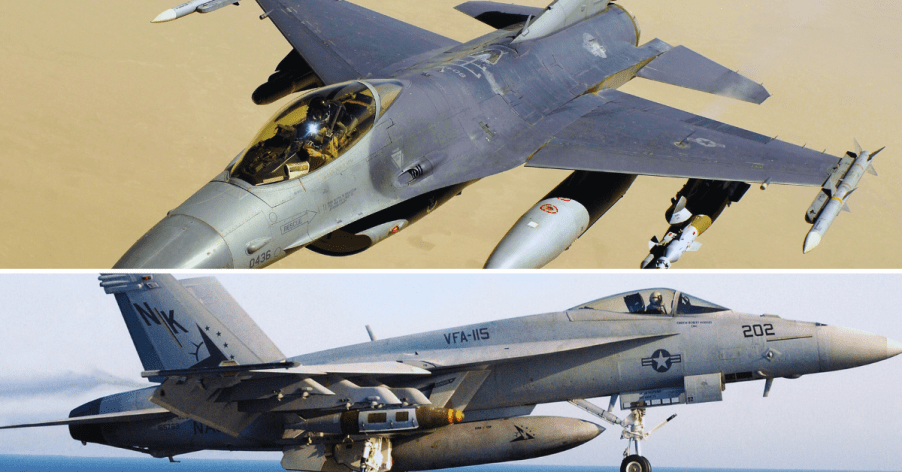
The F-16 and the F-18 are two of the most iconic fighter jets in the world. Both are known for their advanced technology and combat prowess. However, they have distinct differences that make each uniquely suited to specific roles. Read on to discover 15 key distinctions between the two.
Primary Roles
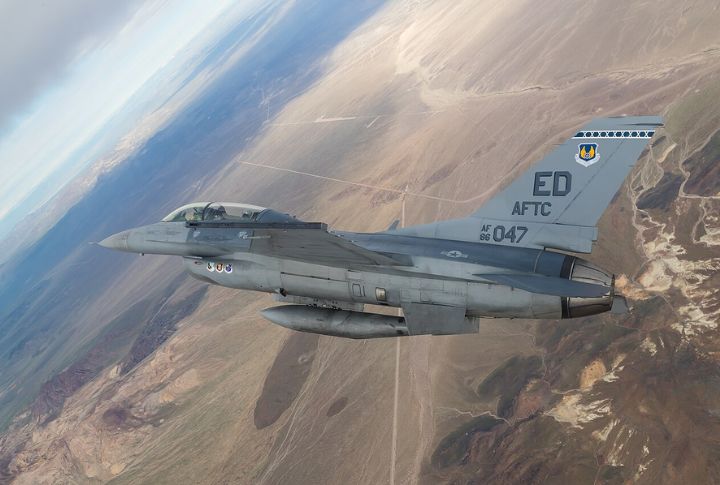
The F-16 Fighting Falcon was originally designed as an air superiority fighter. However, it evolved into a multi-role aircraft capable of performing a variety of missions. On the other hand, the F-18 Hornet was designed as a multirole fighter, intended to replace multiple aircraft types in the U.S. Navy and Marine Corps.
Service Branch
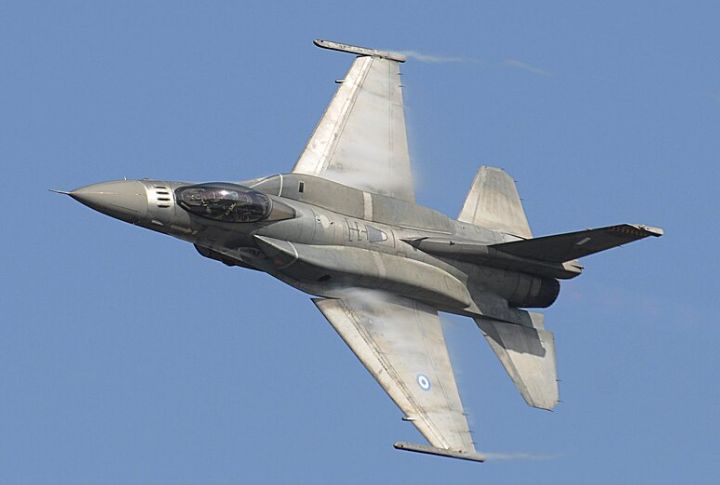
F-16s are primarily operated by the U.S. Air Force and numerous allied air forces around the world. In contrast, F-18s were developed for and are primarily handled by the U.S. Navy and Marine Corps. This difference in service branches has influenced their design and operational roles.
Carrier Capability
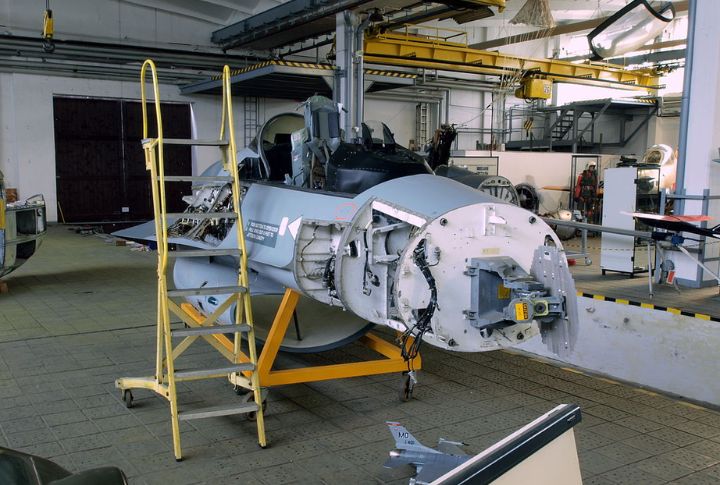
One significant difference between the F-16 and F-18 is the latter’s ability to operate from aircraft carriers. The F-18 was designed with a reinforced airframe, stronger landing gear, and an arrestor hook. However, the F-16 was not built for carrier operations and is limited to land-based airfields.
Refueling Systems
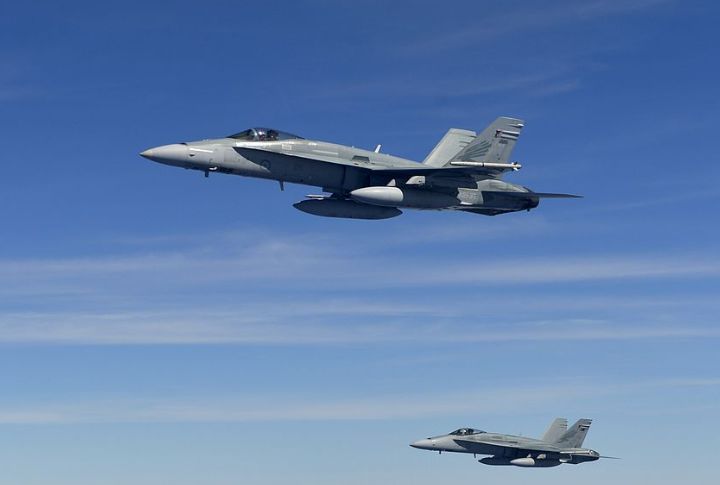
The F-18 uses a probe-and-drogue system for aerial refueling, which allows it to refuel from various tanker types. As a reflection of its Air Force operational requirements, the F-16 employs a boom receptacle system and is optimized for rapid refueling of larger aircraft.
Engine Configuration
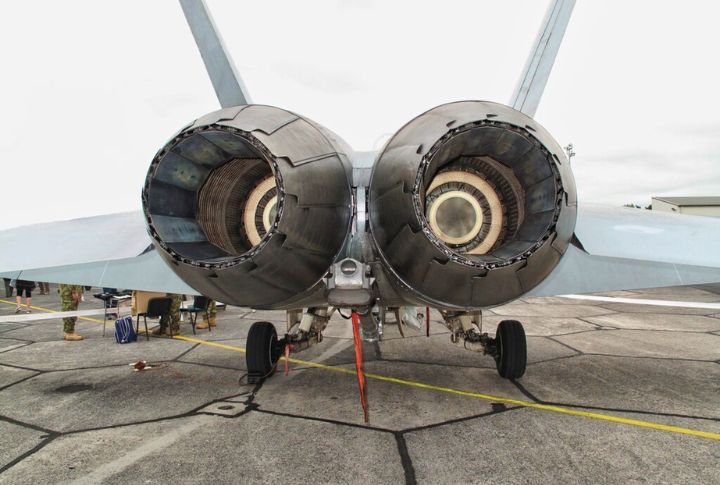
A single-engine, typically a Pratt & Whitney F100 or General Electric F110, provides the F-16 with high speed and excellent acceleration. F-18s, on the other hand, use a twin-engine configuration that features General Electric F404 or F414 engines.
Size and Weight
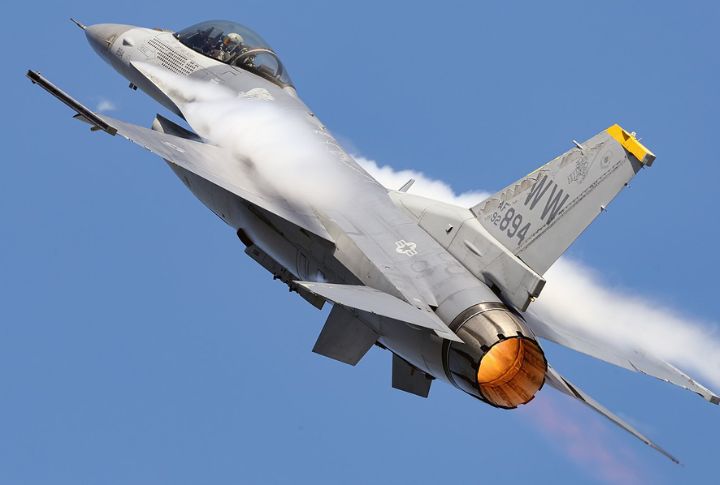
In terms of size, the F-16 is 49 feet long, its wingspan 32.8 feet and its maximum takeoff weight is 42,300 pounds. By comparison, the F-18 is 56 feet long with a wingspan of 40.4 feet and a maximum takeoff weight of 51,900 pounds.
Speed and Maneuverability
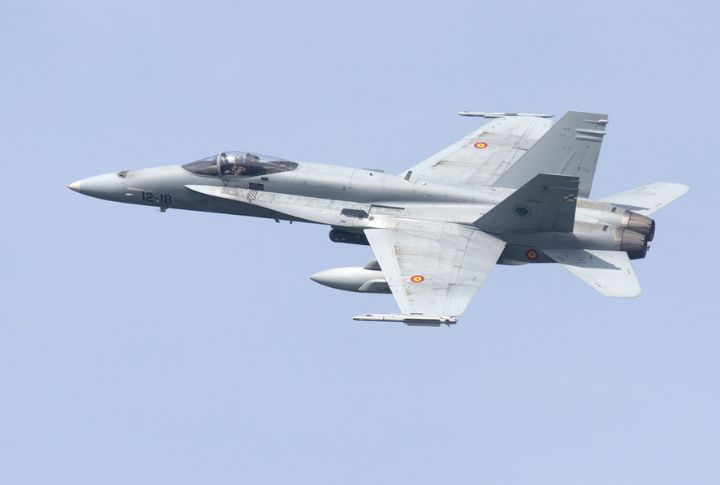
Due to its lighter weight and single-engine design, the F-16 is faster and more maneuverable than the F-18. It can get up to speeds of Mach 2.0. The F-18 has a top speed of around Mach 1.8, and its twin-engine design gives it superior low-speed handling.
Avionics and Sensors
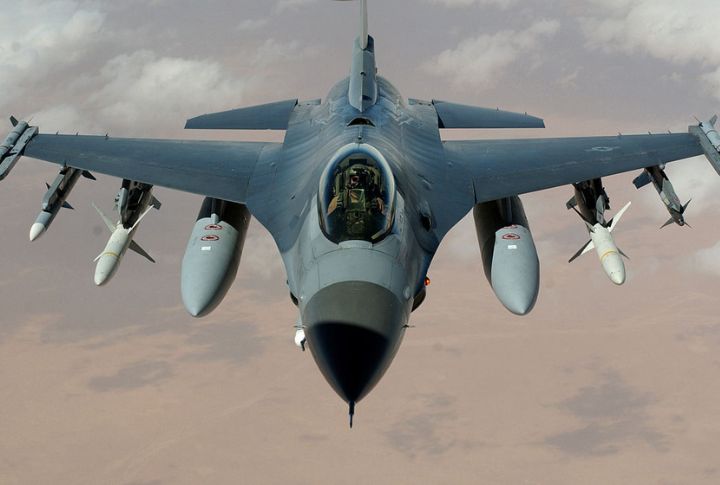
Both the F-16 and F-18 have advanced avionics and sensors. Still, their systems are different. Especially its later variants like the F/A-18E/F Super Hornet, the F-18 features more advanced radar systems. Though the F-16 also has modern radar systems, it uses the AN/APG-68 radar.
Weapons Loadout
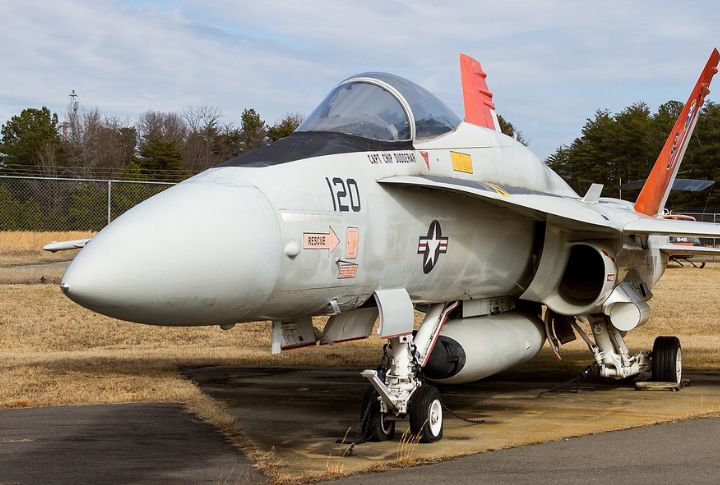
F-18s have slightly higher weapons payload capacities compared to F-16s. While each F-16 can carry about 17,000 pounds of ordnance on its nine hardpoints, an F-18 can carry 17,750 pounds on its 11 hardpoints. This allows the F-18 to carry a broader variety of weapons and sensors.
Range and Endurance
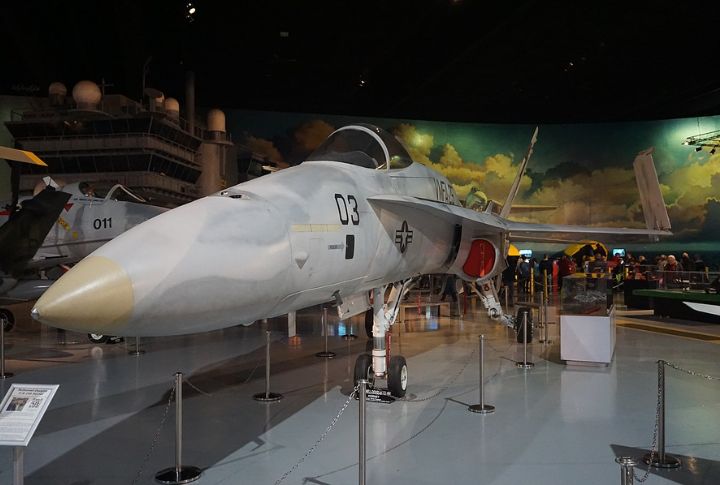
The F-16 has a longer operational range than the F-18. Its combat radius of 340 miles on internal fuel trumps the F-18’s 290 miles. Both fighter jets’ range can be extended with external tanks, but the F-18 has less endurance than the F-16 due to its heavier weight.
Maintenance and Cost
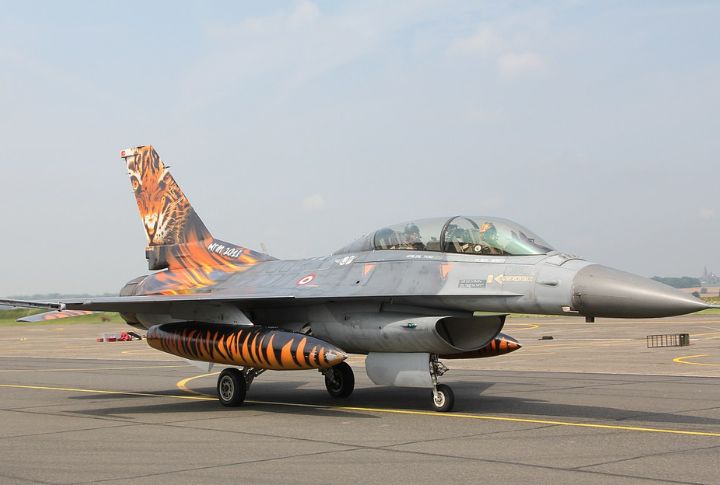
On average, F-16s are generally less expensive to operate and maintain than F-18s. F-16’s single-engine design reduces maintenance costs and simplifies logistics. Conversely, the F-18s, with their twin engines and more complex systems, need more maintenance and are more costly to operate.
Production and Export
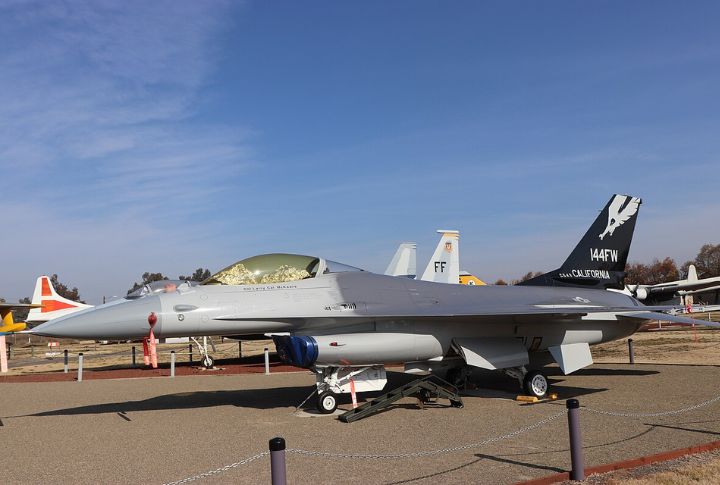
A greater number of F-16s have been produced and exported to more countries than F-18s. Since their introduction, over 4,600 F-16s have been built and sold to over 25 countries. The F-18, while also widely exported, has seen fewer sales, with around 1,500 units produced.
Cockpit Design
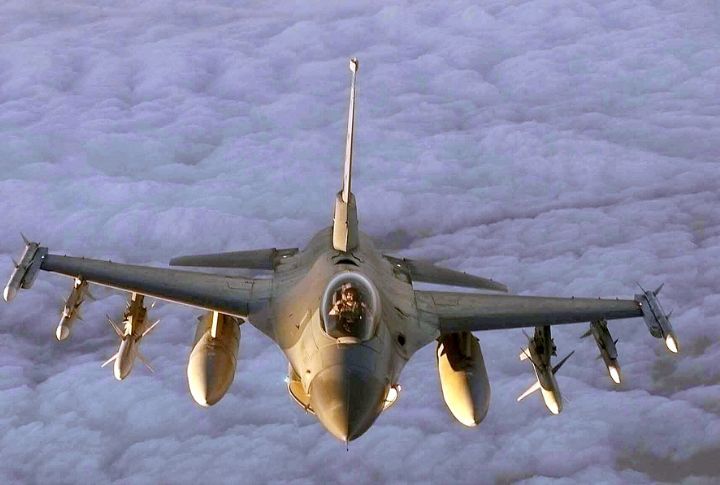
F-16s feature a single-piece bubble canopy designed for optimal pilot visibility and offering unobstructed views. This design contributes to their effectiveness in dogfights and high-speed maneuvers. Although F-18s also provide excellent visibility, they have a more enclosed canopy.
Variants and Upgrades
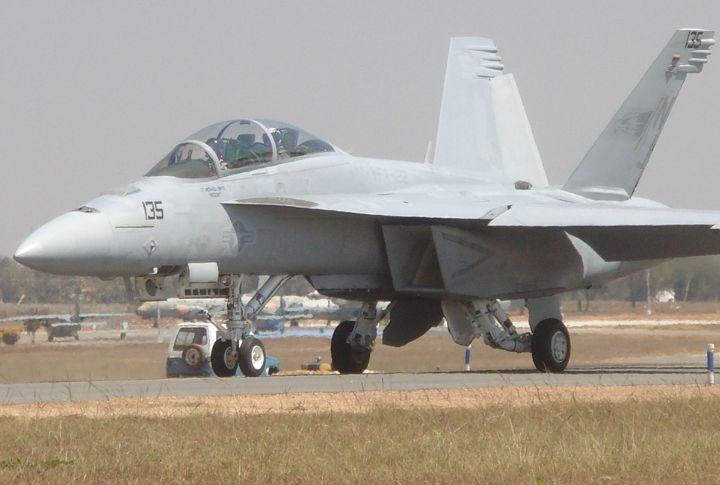
Both aircraft have undergone numerous upgrades, but the F-18 has seen far more evolutions. The F-18’s development from the original Hornet to the Super Hornet (F/A-18E/F) involved substantial redesigns. With variants like the F-16C/D, the F-16 has also been upgraded, but this was less extensive.
Combat Record
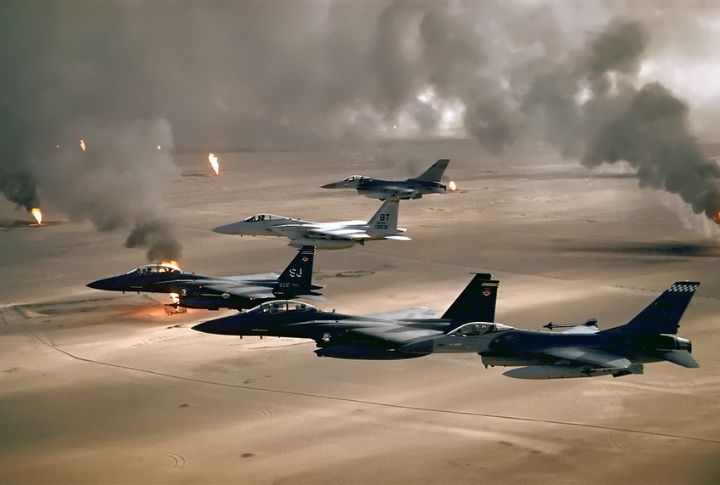
These two fighter jets have extensive combat records, but their usage has differed. F-16s have been used in various conflicts, including Operation Desert Storm, for air superiority and ground attacks. The F-18 has also been used in combat by the U.S. Navy in missions during the Gulf War.