15 Classic Cars With Three-Cylinder Engines
In the automotive world, three-cylinder classic cars are unique products, blending innovative engineering and distinctive design. Though less prevalent than their four or six-cylinder counterparts, these vehicles have left a lasting impression on the industry. Below are 15 iconic examples that showcase the ingenuity and character of these remarkable automobiles.
Suzuki Cervo, 1978 – 2009
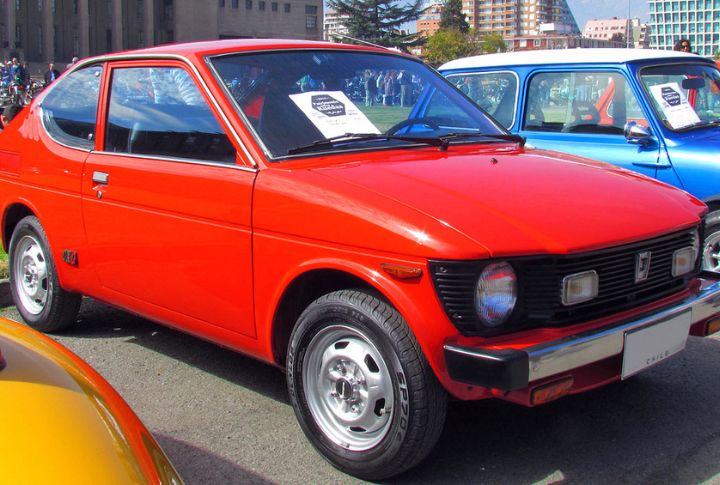
Under the Suzuki Cervo’s hood is a 660cc three-cylinder unit, delivering a balance of output and fuel economy suitable for urban commutes. Its miniature size enhances its agility in city traffic, while its aerodynamic profile enhances both performance and fuel economy. Despite its tiny footprint, it provides ample room for passengers and cargo alike.
Daihatsu Midget, 1957 – 2002

The Daihatsu’s miniature size and lightweight build are perfect for navigating crowded urban streets and tight spaces. Featuring a reliable 660cc inline-three-cylinder gasoline engine, the Midget offers surprising versatility and functionality. Depending on the model, the car can carry around 300 to 400 kilograms of cargo.
Suzuki Fronte, 1965 – 1979
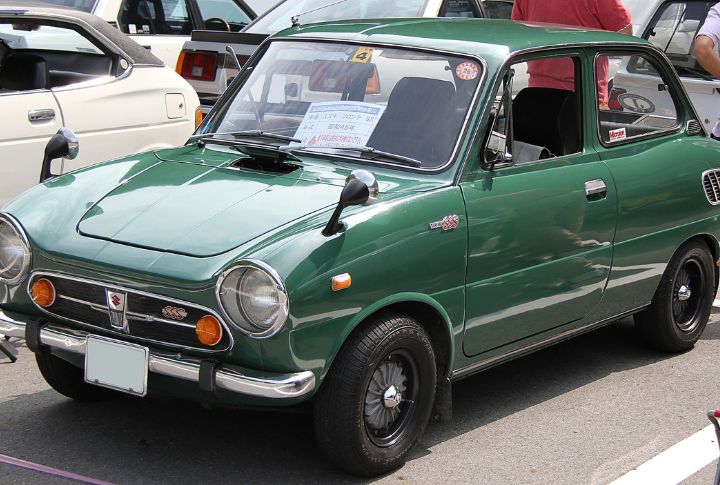
The Suzuki Fronte made its debut in the 1960s. Initially introduced as a kei car in Japan, the Fronte quickly gained popularity for its economical fuel consumption. A small-displacement 360cc or 550cc engine supplies the required power output. The car’s simplicity and reliability endeared it to drivers seeking a no-frills transportation solution.
Honda Z, 1970 – 2002

First introduced in the early 1970s, this miniature city car had a charmingly boxy structure. Its diminutive size and lightweight construction suited it for navigating tight streets, while its cheerful aesthetic appealed to many drivers. Besides the exterior, the Z possesses an efficient engine, ranging from 350cc to 600cc, depending on the model and market.
Toyota Pixis, 2011 – 2017
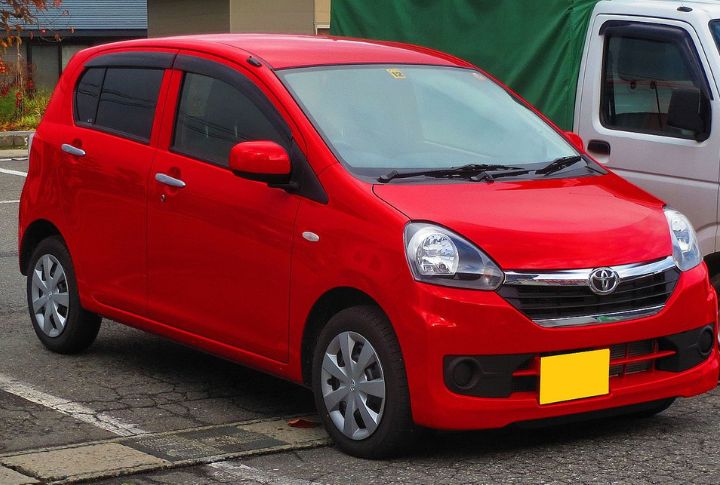
The Pixis features a comfortable and sizable cabin with seating for up to four occupants. Certain trims also offer accessories like air conditioning, power windows, and modern infotainment systems. Furthermore, it has a petite engine, usually around 660cc in displacement, providing sufficient delivery for its size.
Honda Life, 1971 – 1974

Since its introduction in 1971, the Honda Life has undergone several iterations, each incorporating advancements in technology and design. As a versatile car, it is suitable for urban commuting and leisurely drives and is available in various body styles, including hatchback and wagon. Despite its compact dimensions, the Life still affords a functional interior, guaranteeing ample space for passengers and cargo.
Suzuki Alto, 1979 – 1983
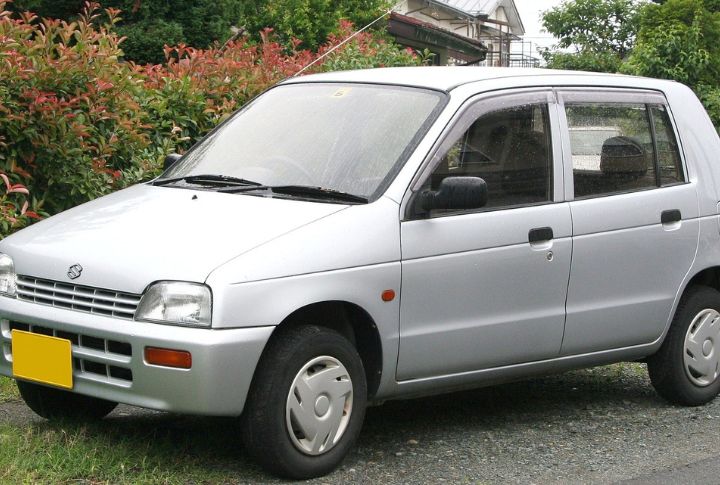
This classic car has a small-displacement engine, ranging from 0.8 to 1.0 liters and delivering sufficient output. While older models may lack modern amenities, they often feature simple yet reliable components, contributing to their enduring appeal. Essential accessories like seatbelts and airbags are included, along with qualities like air conditioning and an audio accessory.
Smart Fortwo, 1998 – 2007
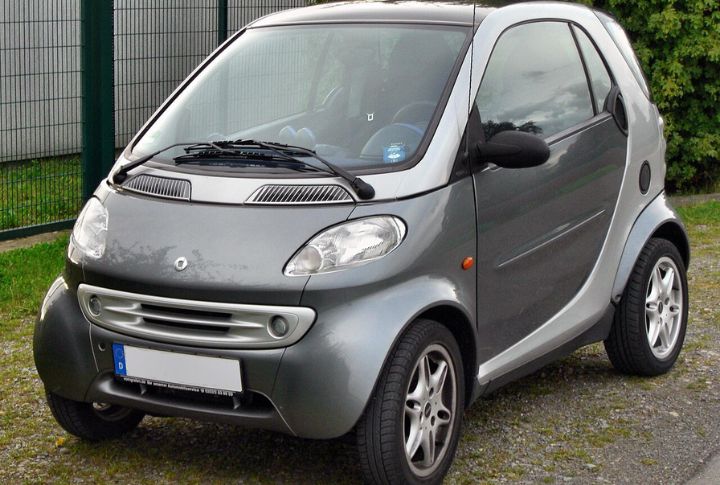
The Smart Fortwo offers different engine choices, including petrol, diesel, and electric variants. The petrol and diesel engine models offer top speeds for city driving, while the electric versions prioritize zero-emission operations. Depending on the trim level and year of production, the Fortwo may include touchscreen infotainment systems, smartphone integration, and safety features like lane departure warning.
Nissan Moco, 2002 – 2016
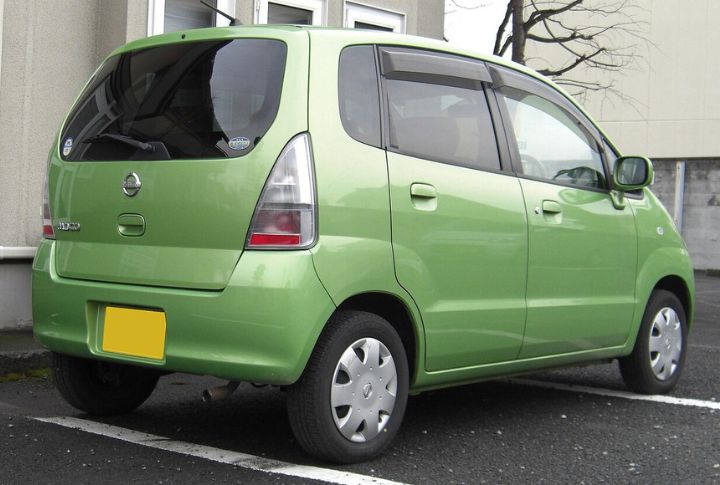
Featuring a 0.66-litre engine paired with either a manual or automatic transmission, the Moco delivers a balance of efficiency and delivery ideal for urban driving. Its conservative dimensions make it agile on city streets while providing a comfortable interior space. Additional amenities such as air conditioning, power windows, and a stereo system enhance the car’s comfort.
Audi A2, 1999 – 2005
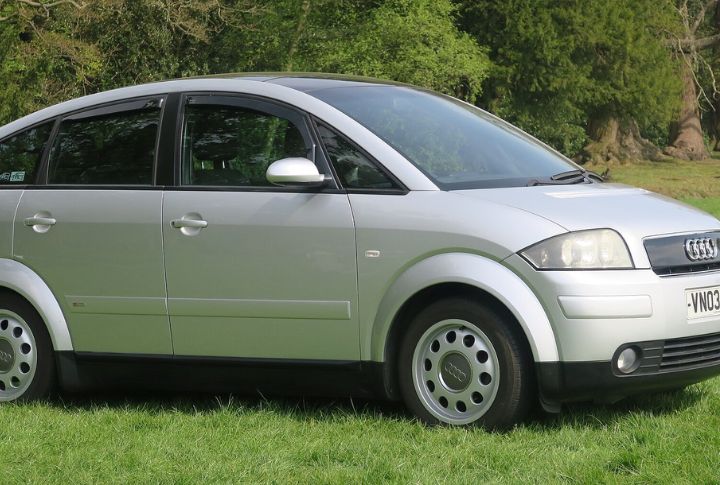
The three-cylinder 1999 Audi A2 was part of a pioneering series that marked Audi’s advance into the supermini segment. Its three-cylinder engine was designed to meet stringent fuel economy standards, consuming only 3 liters per 100 kilometers. The engine also produced about 61 horsepower and 140 Nm of torque, sufficient for city and highway driving while maintaining low emissions and high ratings.
Messerschmitt KR200, 1956-1964

The Messerschmitt KR200, produced from 1956 to 1964, was a unique microcar designed by Fritz Fend and initially built by the German aircraft manufacturer Messerschmitt. It had a two-stroke engine with a displacement of 191 cc, producing around 10 horsepower. The KR200 was known for its bubble canopy, a distinctive design element reminiscent of aircraft cockpits, which enhanced its aerodynamics and gave it a futuristic appearance.
Autobianchi Bianchina, 1957-1969
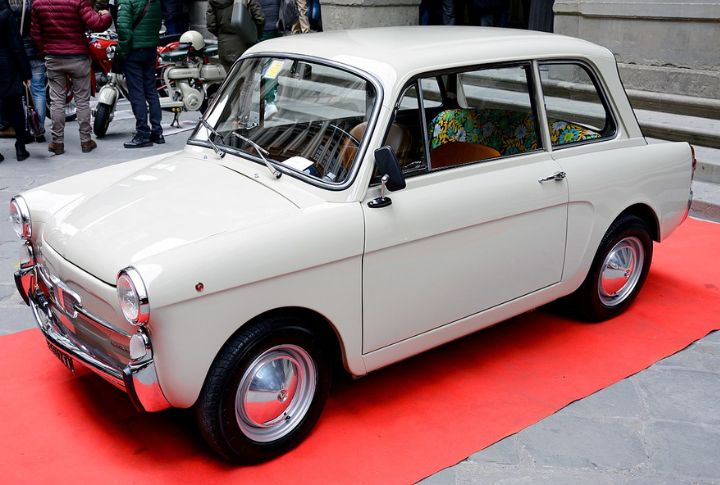
This charming small car was powered by a rear-mounted, air-cooled, three-cylinder engine. The Autobiachi was available in several body styles, including a sedan, convertible, estate (Panoramica), and van (Furgoncino). The engine displacement varied slightly over the years, starting at 479 cc and later increasing to 499 cc. Its unique features included a luxurious interior with two-tone paint schemes, chrome detailing, and a refined finish.
Lancia Fulvia 3C, 1963-1971
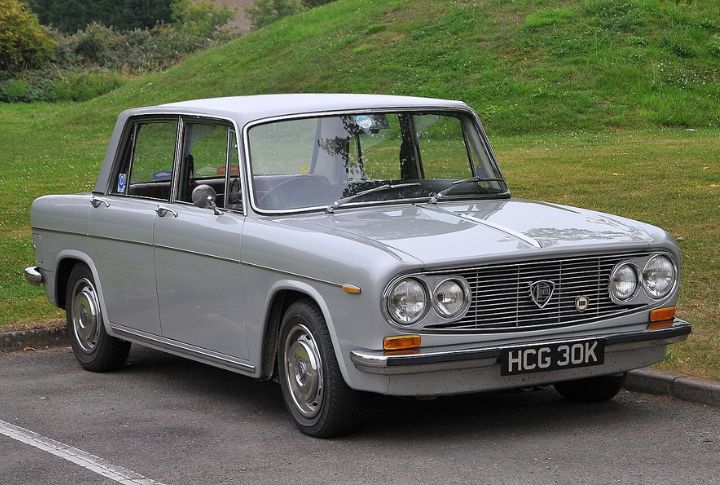
The Lancia Fulvia 3C’s 1,216 cc engine was named “3C” after its three carburetors. It delivered 80 horsepower at 6,000 rpm, providing impressive output for its class. The car’s lightweight construction and compact dimensions contributed to its agile handling, and it is distinguished by its front-wheel-drive layout. Introduced as part of the Fulvia lineup, it played a crucial role in Lancia’s motorsport endeavors.
Reliant Robin, 1973-2002
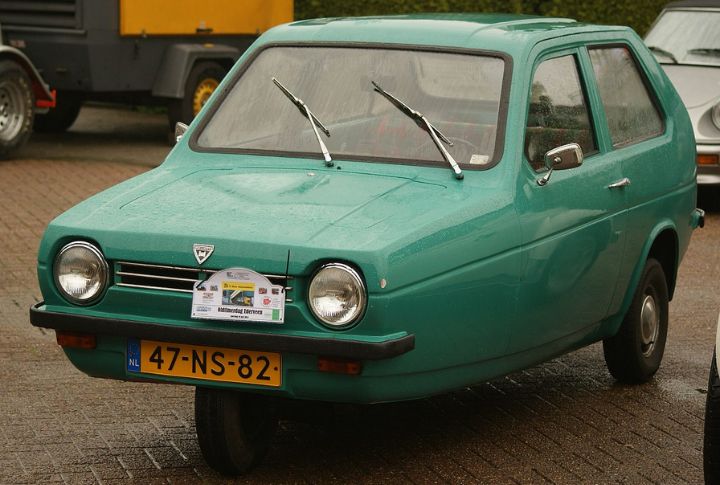
The Reliant Robin, powered by a 748 cc or later 850 cc aluminum alloy inline-three engine, provided modest delivery but impressive fuel efficiency. It weighed about 450 kg (992 lbs) and had a fiberglass body, contributing to its lightweight and rust-resistant characteristics. Initially introduced as a successor to the Reliant Regal, the Robin went through several updates, like the Mk1, Mk2, and Mk3 versions, each bringing improvements in structure and performance.
Daihatsu Charade, 1977-2000
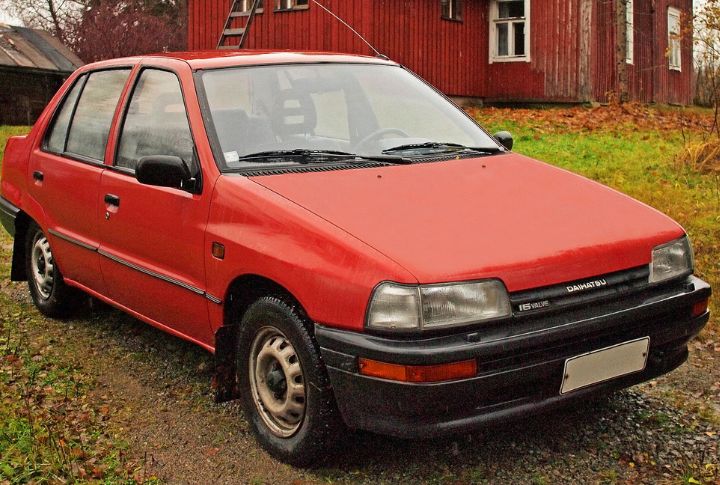
The Charade’s first generation (1977-1983) featured a 993 cc three-cylinder engine, which balanced efficiency and adequate power for a compact car. Subsequent generations saw various engine upgrades and improvements, including introducing turbocharged and diesel variants, enhancing its performance and fuel economy. The final generation (1993-2000) included a 1.0L three-cylinder engine with modern fuel injection systems, reflecting advancements in automotive technology.