15 Car Models That Couldn’t Last Beyond One Generation
Vehicles like the Ford Mustang, Porsche 911, and Honda Civic have survived multiple generations by adapting to new technologies and customer demands. However, a few other models that debuted with high expectations have failed to connect with buyers, ending production almost as soon as they had begun. Here are 15 examples.
Ford Thunderbird (2002–2005)
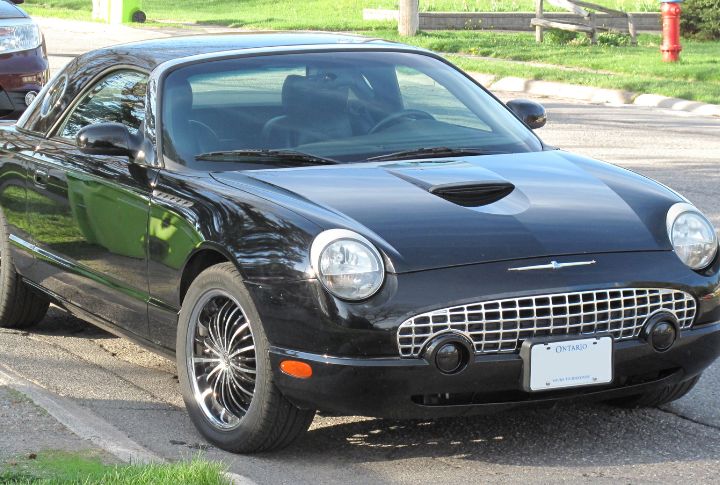
Once a symbol of 1950s Americana, the Ford Thunderbird’s return in 2002 tried to evoke nostalgia with a retro design. Unfortunately, the two-seater convertible failed to appeal to modern tastes, with many finding its styling outdated. After a disappointing run, Ford pulled the plug on the Thunderbird in 2005.
Chevrolet Malibu (2016–Present)
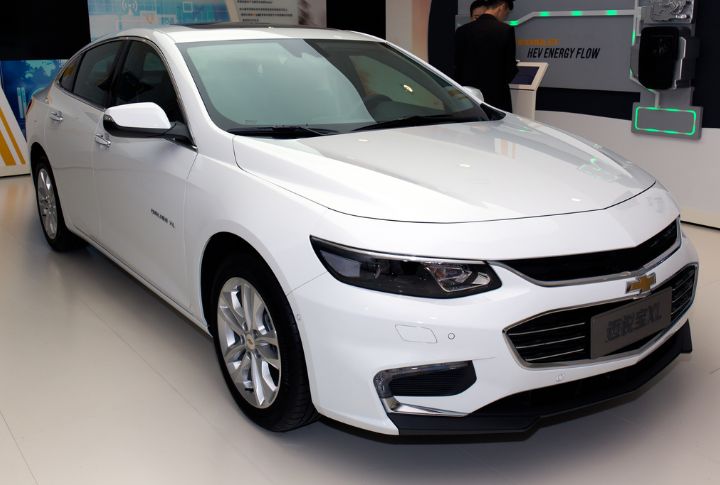
The Chevrolet Malibu will be discontinued by late 2024, with final models rolling off General Motors’ Fairfax factory this November. Despite updates in 2016, its underpowered 1.5L turbo engine and lackluster performance couldn’t compete with rivals like the Honda Accord and Toyota Camry, leading to its demise.
Dodge Dart (2013–2016)
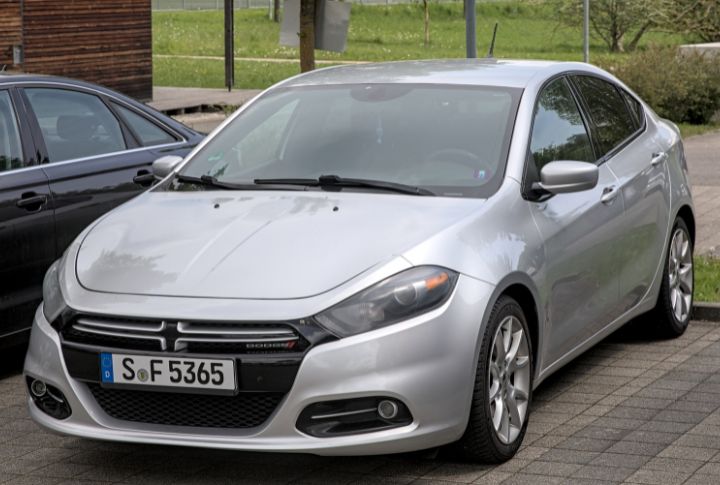
By reviving the Dodge Dart in 2013, Chrysler hoped to break into the compact sedan segment and tap into the original 1960s Dart’s nostalgia. However, the modern version couldn’t live up to expectations. Its 2.0L and 1.4L turbocharged engines were criticized for poor performance and fuel efficiency.
Volkswagen Beetle (2012–2019)
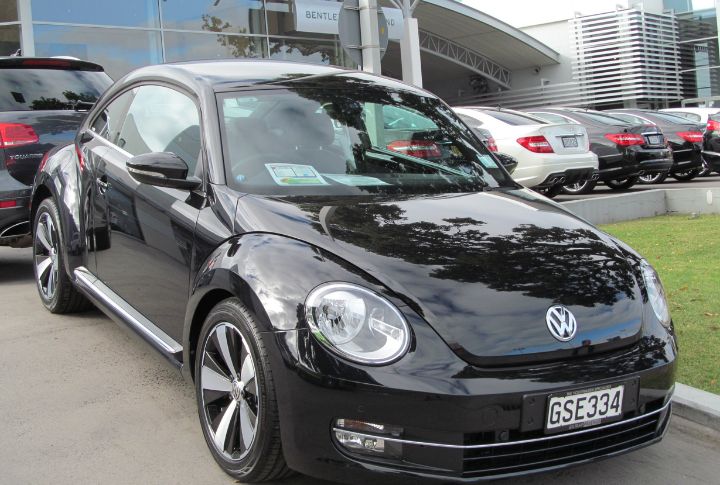
Volkswagen sought to recapture the magic of the original Beetle with a modern twist in 2012. While the redesign initially generated excitement with retro cues, the charm wore off quickly. Its 174-hp 2.0L turbocharged engine delivered solid performance but couldn’t shield the car from criticisms of impracticality.
Chevrolet Camaro (2002)

The fourth-generation Chevrolet Camaro, which ended production in 2002, was a far cry from its muscle car origins. Its final SS iteration had a 310-hp V8 engine, but its design was considered uninspiring. A decline in the sports car market also contributed to its demise.
Lincoln Continental (2017–2020)
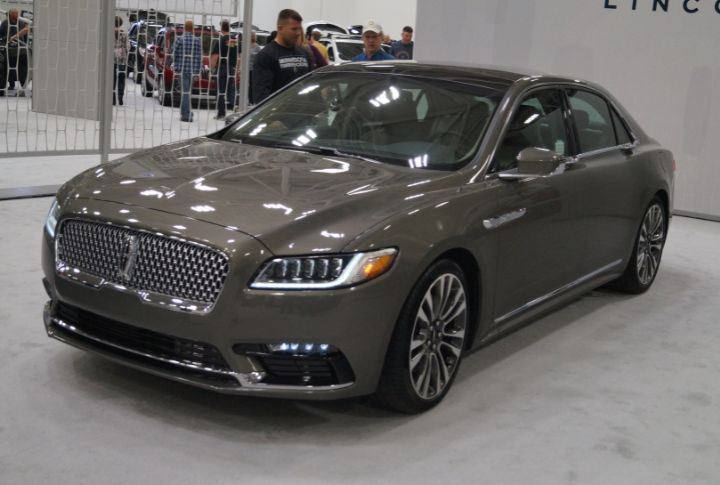
Lincoln’s revival of the Continental name in 2017 sought to capture the luxury sedan market once dominated by American brands. Despite its remarkable 400-horsepower 3.0L twin-turbocharged V6 engine, it couldn’t match the finesse or prestige of European luxury rivals. Its inability to excite buyers also affected sales.
Honda Crosstour (2010–2015)

Designed as a crossover-hatchback version of the Honda Accord, the Crosstour was an ambitious yet flawed experiment. With a sloping roofline consisting of headroom and cargo space, the car was less practical than other crossovers. A 3.5L V6 engine produced 278 hp, but its handling felt more sluggish than sporty.
Chrysler 200 (2011–2017)

Though the Chrysler 200 aimed to redefine the brand’s mid-size sedan offering, it became synonymous with disappointment. Its nine-speed automatic transmission was plagued with reliability issues. Even with a redesign in 2015 that featured a sleeker exterior, the 200 couldn’t shake its perceived reputation for mediocrity.
Jaguar X-Type (2001–2009)
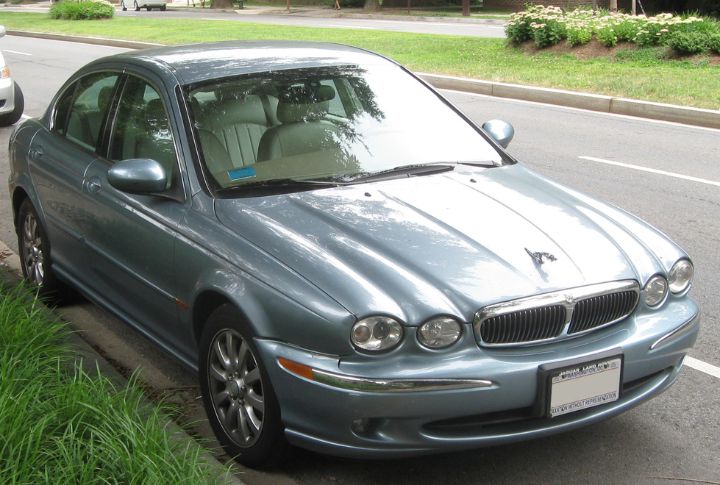
Jaguar’s X-Type was billed as an affordable entry into the Jaguar lineup. Based on the Ford Mondeo platform, it lacked the signature refinement of a Jaguar and was burdened with reliability problems that hurt its image. Critics complained about its 194-horsepower 2.5L V6 engine and cheap interior materials.
Cadillac Cimarron (1981–1988)

Cadillac’s foray into the compact luxury market with the Cimarron is widely regarded as one of the brand’s biggest missteps. The Cimarron was essentially a rebadged Chevrolet Cavalier with a Cadillac grille. It was powered by an 88-horsepower 1.8L inline-four that made the car feel slow and underpowered.
Mercedes-Benz CLA (2013–2019)

When the Mercedes-Benz CLA debuted in 2013, it was marketed as a more affordable model. However, its appeal quickly faded as buyers discovered flaws like harsh ride quality and a front-wheel-drive layout that offered uninspiring handling. Sadly, even its 208-hp 2.0L turbocharged engine couldn’t compensate for drawbacks.
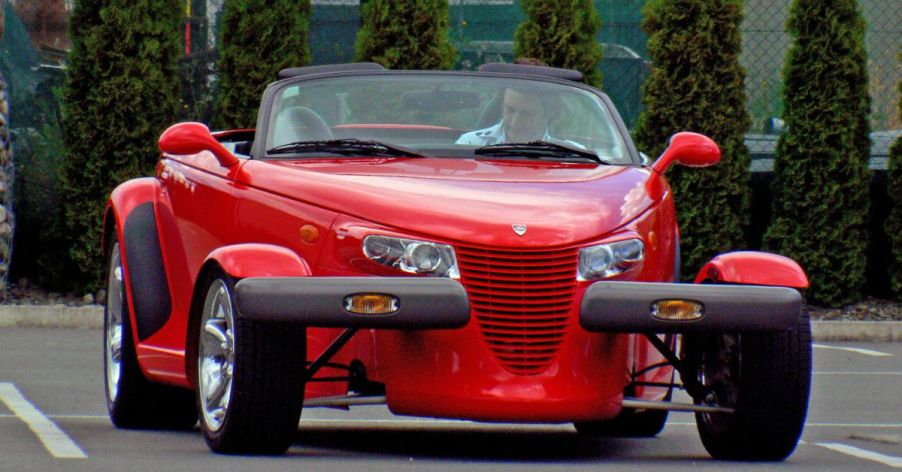
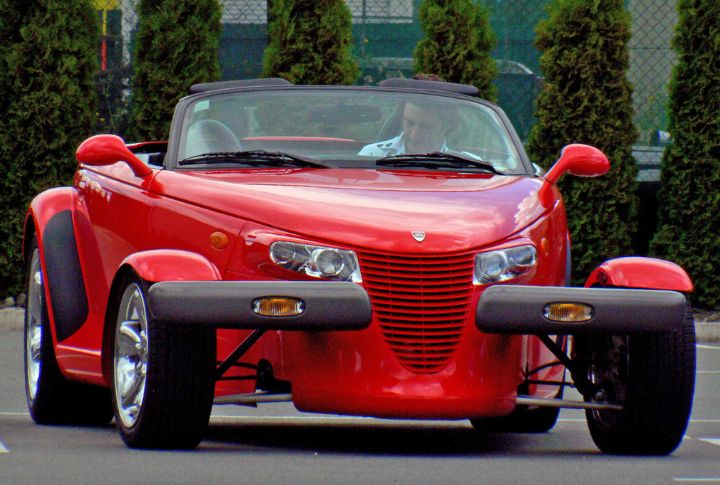
Plymouth Prowler (1997–2002)

The Plymouth Prowler had a striking retro-futuristic design that initially generated a lot of buzz. While its aluminum chassis and lightweight construction were innovative, the 214- and 253-horsepower 3.5L V6 engines felt inadequate for a car with such aggressive looks. Moreover, the lack of a manual transmission option deterred enthusiasts.
Mitsubishi Eclipse (2010–2012)
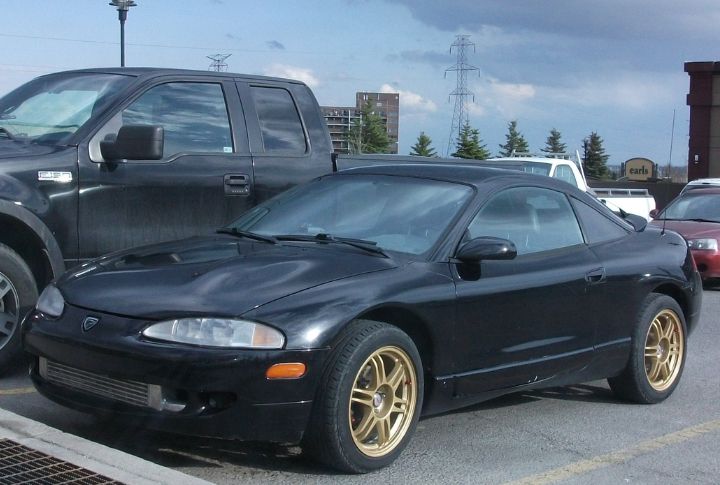
Mitsubishi’s Eclipse was once known for being a tuner-friendly sports car. The 2010 Eclipse had a 2.4L four-cylinder or 3.8L V6 engine, but its weight turned off enthusiasts. Mitsubishi shifted the Eclipse away from its sporty origins toward a more cruiser-oriented setup, which alienated its core fan base.
Chevrolet Impala (2020)
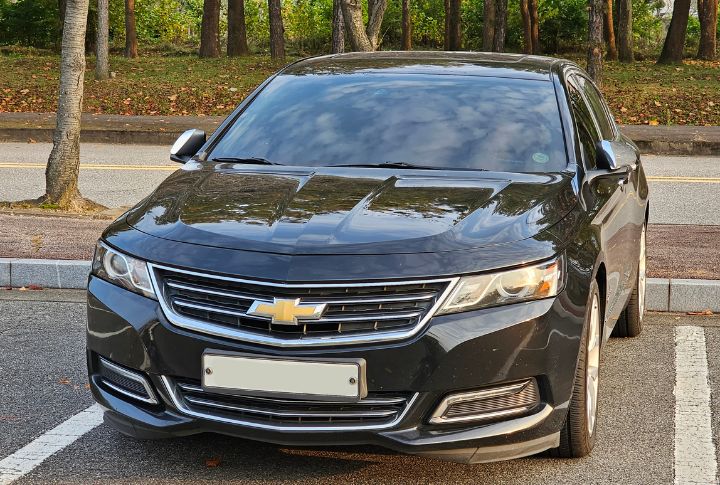
At one time, the Chevrolet Impala was considered a king among full-size sedans. However, it met its demise in 2020, ending a legacy that dated back to 1958. A growing preference for SUVs led to a steep drop in demand, prompting General Motors to phase out the Impala.
Pontiac GTO (2004–2006)
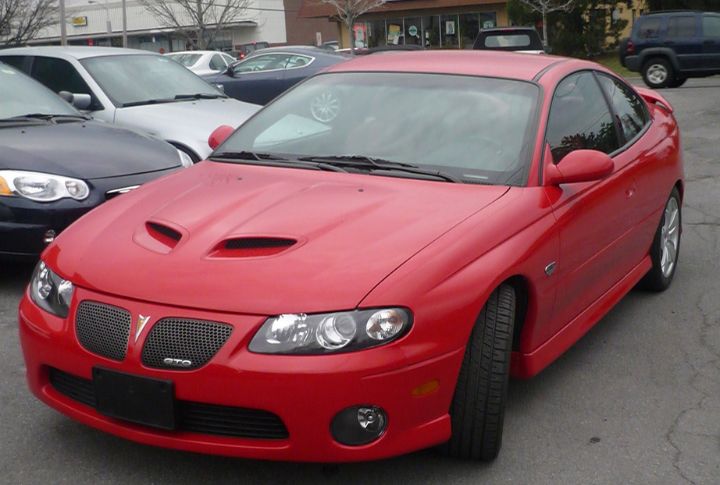
The 2004 rebirth of the Pontiac GTO was supposed to restore muscle car glory. Its 5.7L V8 engine produced 350 hp, and later models featured a 400-hp 6.0L LS2. Still, critics derided its high price tag and the fact that it was essentially a rebadged Holden Monaro.