15 Car Manufacturers Whose Tractor Legacy Will Shock You
Most people think of sleek cars when it comes to famous automotive brands, but several well-known manufacturers have dipped their hands into tractor production at some point in history. These companies not only excelled in making vehicles for the road but also contributed to agriculture. Let’s explore the unexpected companies that have a history of making tractors.
Lamborghini
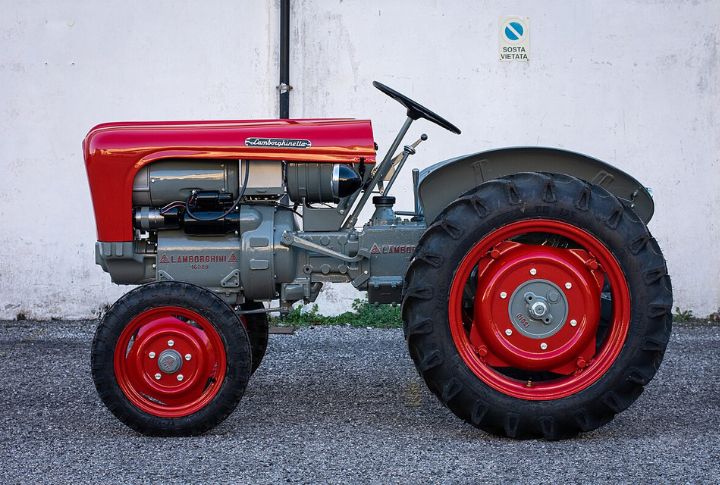
Before becoming synonymous with luxury supercars, Lamborghini started as a tractor manufacturer in post-war Italy. Founder Ferruccio Lamborghini applied his mechanical expertise to build efficient agricultural machinery, launching Lamborghini Trattori in 1948. These tractors were highly successful, and the company produced them well before their iconic high-speed cars hit the roads.
Ford
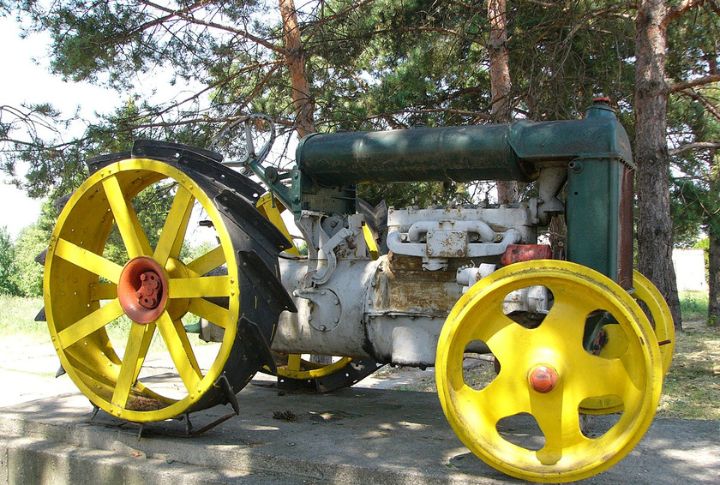
Ford’s entry into agriculture revolutionized farming with the launch of the Fordson in 1917. Henry Ford aimed to make farming equipment as affordable as his Model T cars, drastically improving rural productivity. The Fordson became one of the most influential machines in horticulture history, pushing Ford toward both the automotive and agronomy related sectors, a remarkable success.
Porsche
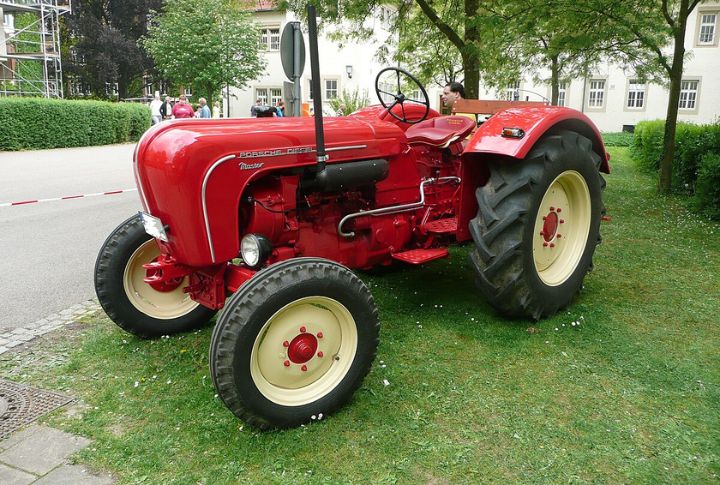
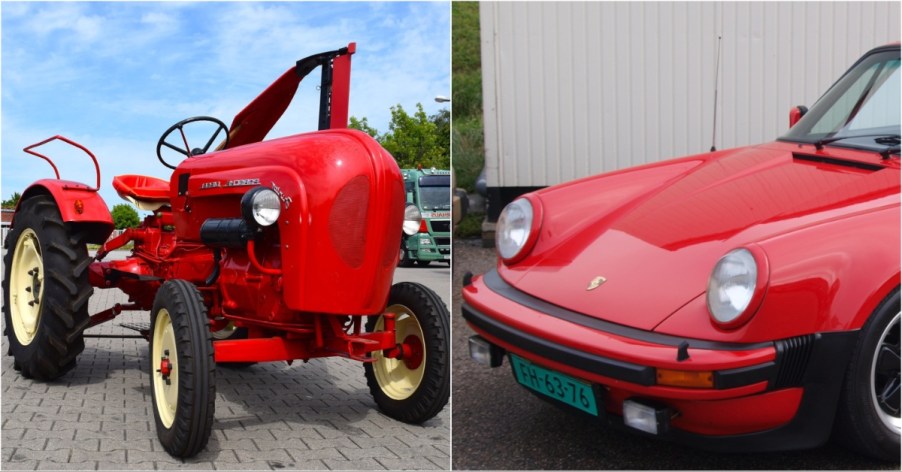
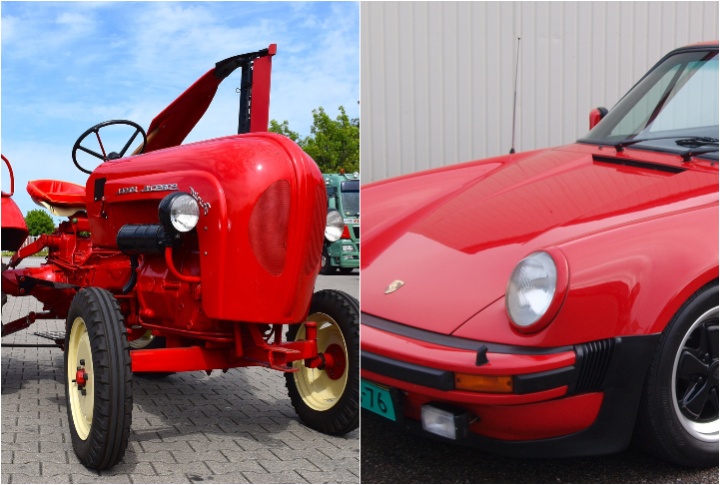
Porsche’s dedication to innovation extended beyond high-performance sports cars. In the 1950s, they designed agricultural tractors, branded as Porsche-Diesel, designed specifically for small-scale farmers. Celebrated for their sturdy red exteriors, these tractors quickly gained a reputation for reliability. Even though production ended in 1963, they remain a distinctive part of Porsche’s industrial legacy.
Mercedes-Benz
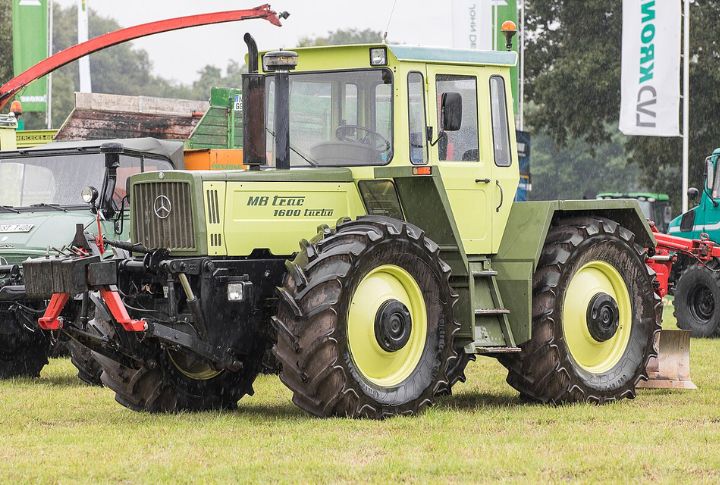
In addition to dominating the luxury car market, Mercedes-Benz also made its mark in agriculture. In the 1920s, they collaborated with German companies to develop tractors specifically for rural needs. While their focus soon shifted back to automobiles, this brief move into farming vehicles showcasedMercedes-Benz’s engineering versatility.
Fiat
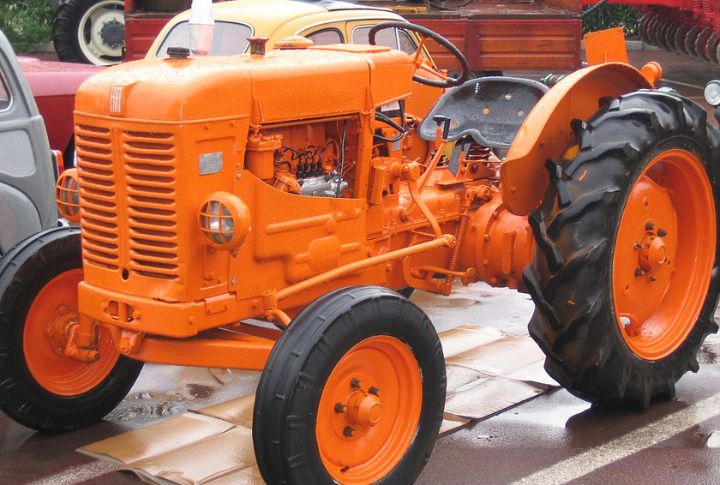
Fiat, the Italian car giant, has been producing tractors since 1919. The company established Fiat Trattori, becoming a leading player in agronomy equipment. Their durable machines were especially well-suited for European farms. Fiat’s agricultural division eventually merged with other companies, forming what is now recognized as CNH Industrial, continuing their legacy in the agri-business sector.
Mitsubishi
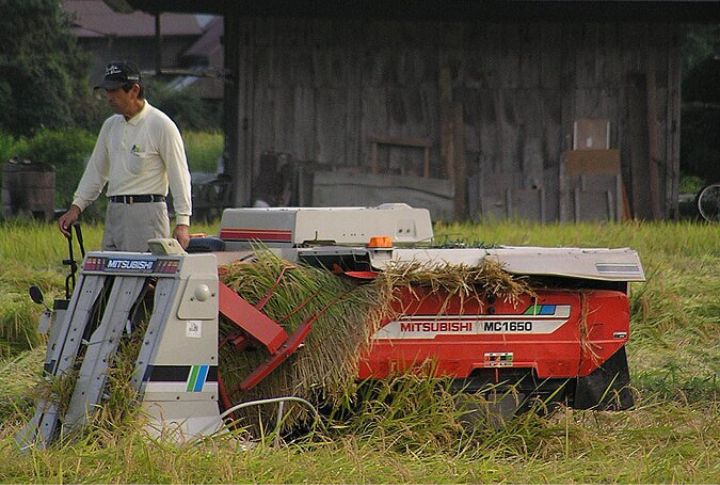
On top of cars and electronics, Mitsubishi also built a reputation in agricultural tractors by developing fieldwork supplies. As early as the 1960s, Mitsubishi produced compact, efficient machines that gained popularity, particularly in Asia. These models became synonymous with affordable and reliable, altering small-scale agriculture in Japan and beyond.
Renault
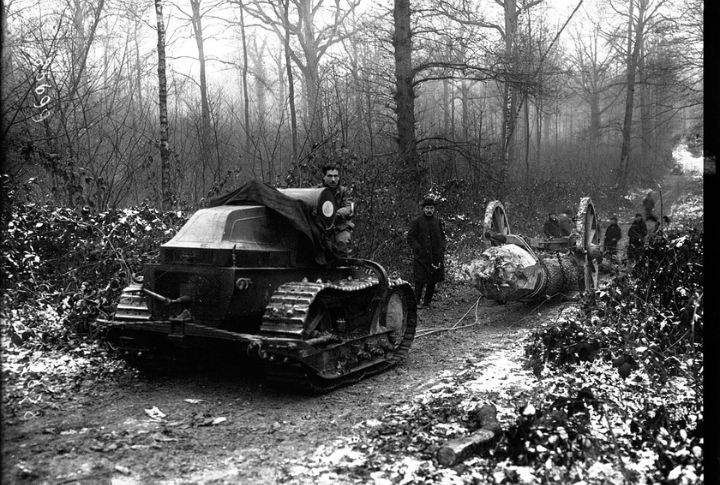
Renault’s entered the tractor industry in the early 20th century, applying their automotive expertise for agriculture. Their power units, recognized for innovative designs and reliable engines, catered primarily to French and European markets. Renault Agriculture became a major player in the industry before being sold to CLAAS, another major field vehicle manufacturer, in 2003.
Volvo
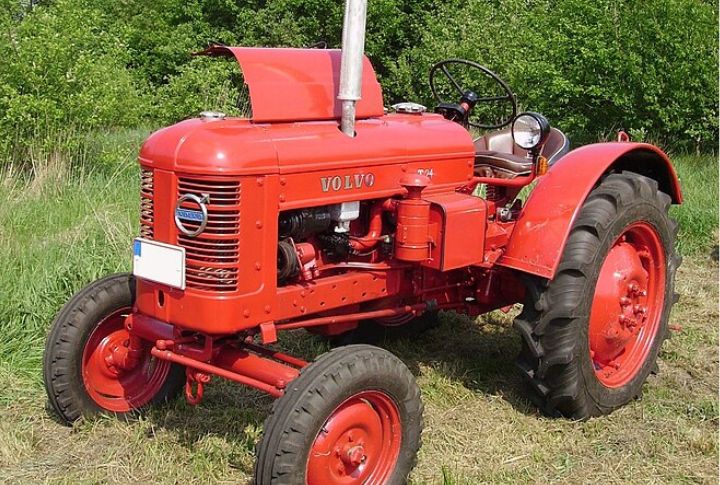
Widely regarded for its safety-first cars, Volvo also ventured into the agricultural field. In the 1940s and 1950s, they produced farm machinery under the Bolinder-Munktell division, creating rugged and dependable models. These tractors were widely used in Scandinavia, and while Volvo eventually left the agricultural sector, their legacy lives on through their construction equipment line.
Citroën
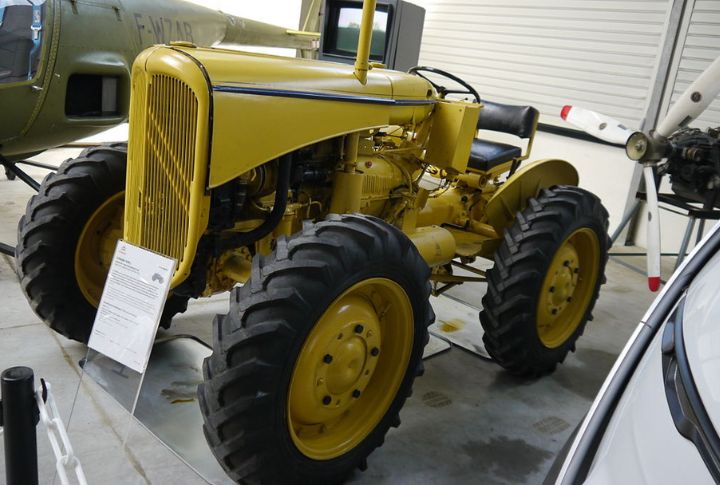
Citroën’s innovation extended beyond quirky cars. The French automaker additionally built tractors in the mid-20th century, focusing on small-scale farms. Citroën’s vehicles, built with practical and solid engineering, became a niche product in rural France. Despite the fact that Citroën eventually shifted away from agricultural equipment, these tractors remain a fascinating chapter in their history.
Peugeot
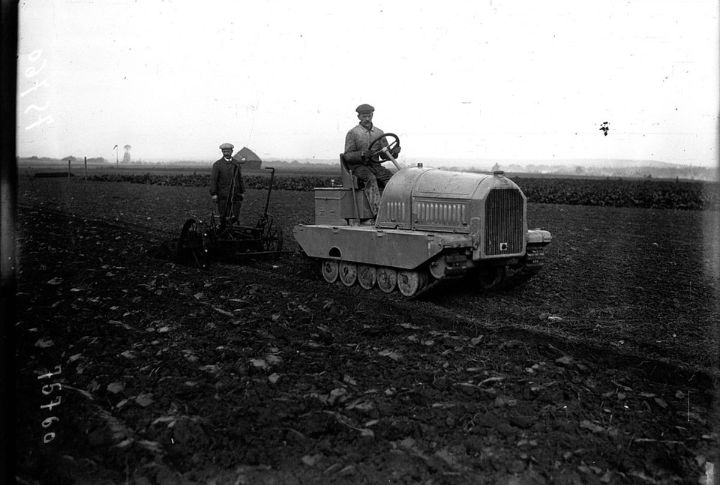
Peugeot, famous for its cars and motorcycles, also ventured into tractor manufacturing In the 1940s, they produced a line of agricultural equipment, applying their mechanical expertise. Even though this side of Peugeot’s business wasn’t long-lasting, their initiative into farming machines showcased the brand’s diversity in industrial production during that era.
Honda
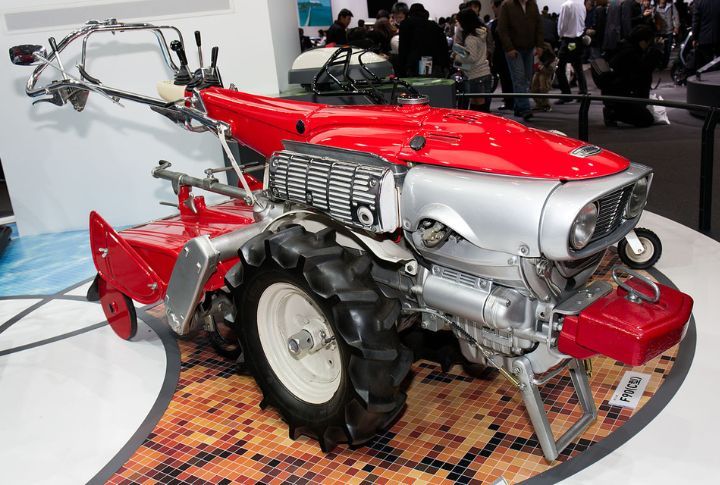
Honda isn’t just a leader in motorcycles and cars. They also made rural tractors. In the 1970s, Honda’s engineering expertise led to the development of compact, heavy-duty vehicles designed for the Japanese market. These tractors were highly efficient and built to assist small-scale farmers with ease. Honda’s innovations played a key role in improving agricultural productivity across Japan.
International Harvester (Navistar)

Although International Harvester became better known for its commercial trucks under Navistar, it originally started as a leading tractor manufacturer. Their famous “Farmall” tractor revolutionized farming in the early 20th century, blending durability with affordability. Even as their automotive division flourished, the company stayed true to its agricultural roots for decades, becoming a powerful player in both sectors.
Toyota
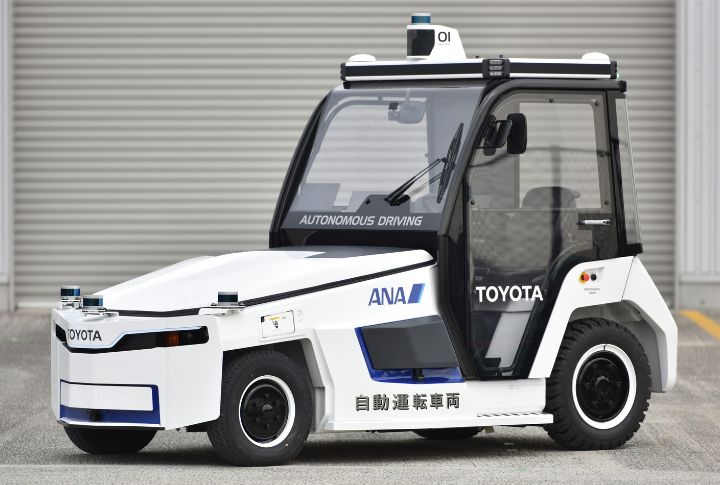
Toyota’s commitment to efficient manufacturing extended beyond cars, as they briefly dabbled in tractor production. In the 1960s, Toyota developed a series of compact cultivators designed for small farms. In spite of their time in this market was short-lived, Toyota’s units are a proof to the company’s ability to innovate across industries.
Subaru

While Subaru is recognized for its all-wheel-drive cars, it also made tractors under the brand name “Gold Star.” In the 1960s, Subaru developed compact and durable designs for subsistence farming, primarily targeting the Japanese trade. This brief chapter in Subaru’s history reveals the company’s diverse approach to machinery production apart from automobiles.
Scania

Scania’s reputation for heavy-duty trucks might overshadow its agricultural roots, but this Swedish company likewise manufactured tractors. Before focusing solely on commercial vehicles, Scania produced sturdy farm equipment designed to withstand harsh rural environments. These early innovations helped lay the foundation for Scania’s continued success in engineering powerful solutions.