14 Little-Known Facts About The Ford Falcon

The Falcon is often regarded as one of Ford’s most successful models worldwide. Even though production ceased in 2016, its legacy in automotive remains significant, reflecting its unrivaled performance and reliability. Here are a few little-known facts about this legendary Ford model.
Early Debut and Impact
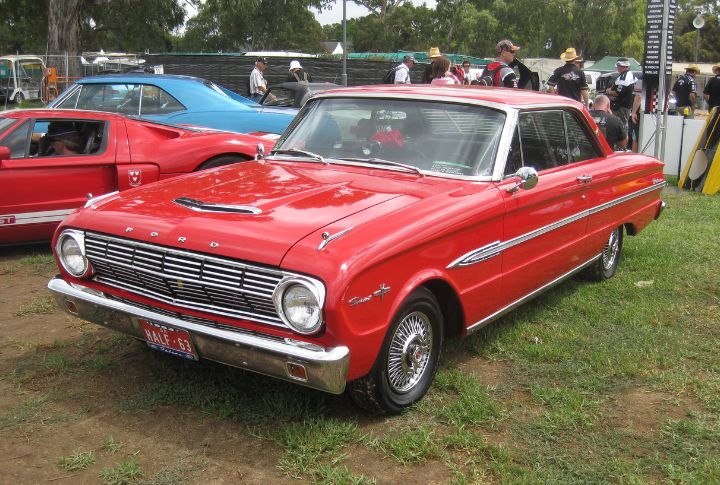
The Ford Falcon debuted in 1960 as part of Ford’s effort to get into the expanding US compact car market. Because Americans sought economical and fuel-efficient alternatives to larger vehicles, Ford designed the Falcon to balance affordability, practicality, and modernity. Its straightforward engineering and reliable output quickly garnered a positive reputation and a formidable competitor against the Chevrolet Corvair and Plymouth Valiant.
Engine Options
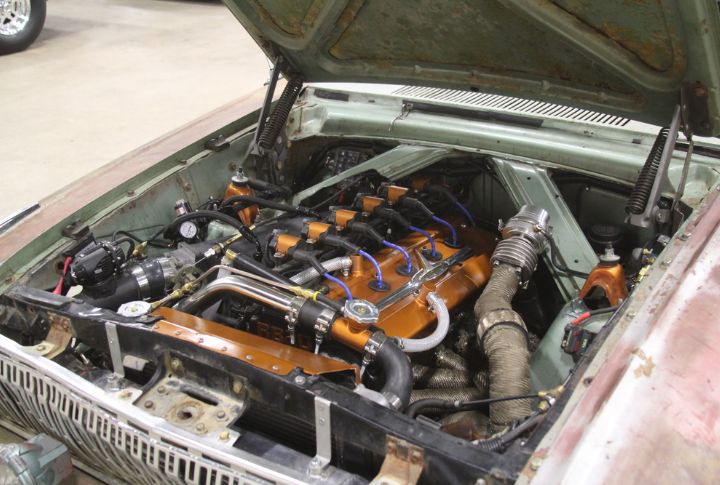
Over its construction years, many engine options were introduced to the Ford Falcon. Initially, the Falcon had a modest inline-six engine designed for economy and reliability. This engine improved power and efficiency while balancing cost and output. However, in response to the growing demand for more powerful vehicles, Ford introduced different V8 engine choices to the Falcon lineup.
Ford’s First Unibody Car
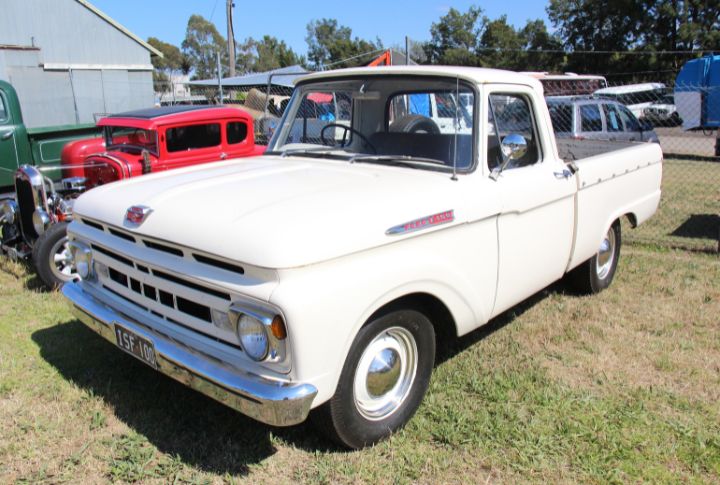
Falcon’s introduction marked a significant shift in automotive design. Its use of unibody construction was a departure from the traditional body-on-frame design. The innovation meant that the body and frame were integrated into a cohesive unit, reducing the vehicle’s overall weight and improving its structural rigidity. With the help of this innovation, Ford offered a fuel-efficient option at reduced costs and assembly time.
Versatile With Multiple Body Styles

Multiple body styles were available to cater to a broad range of customer preferences. The sedan variant, available in two—and four-door configurations, was engineered for everyday use. On the other hand, the station wagon had a spacious cargo area, and additional seating options were ideal for larger families and those requiring extra storage. Additional sportier and more stylish variants, like the convertible model and two-door coupe variant, were made.
The Falcon-Ranchero Connection
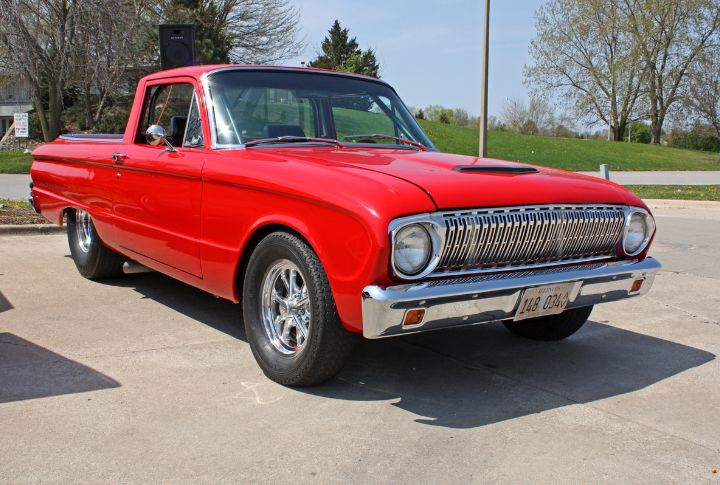
Though the Ranchero was first introduced in 1957, it was recreated on the Falcon’s platform in 1960. Falcon’s platform, known for its lightweight and efficiency, provided the Ranchero with improved handling and fuel economy. It also gave the car various engine options, like the modest inline-six and the potent V8s. Conversely, building the Ranchero on the Falcon platform allowed Ford to streamline production and reduce costs by sharing vehicle components.
Falcon’s Australian Legacy
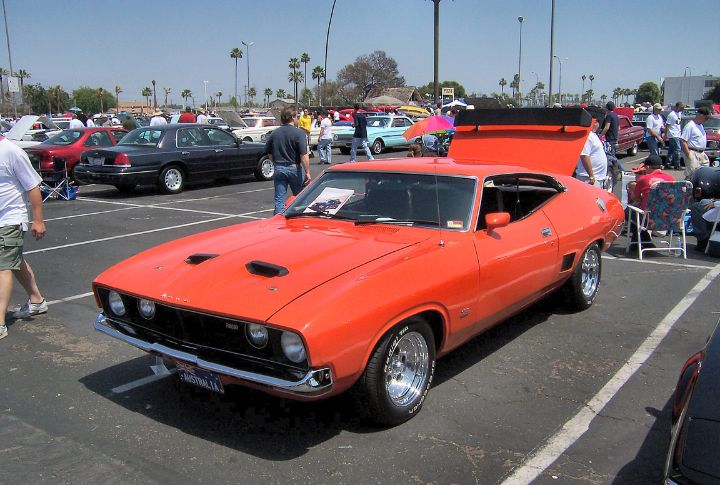
Rugged build and versatility made the car ideal for the diverse Australian market. Over the decades, it evolved through several models and generations. This adaptability kept it relevant and endeared it to multiple generations of Australians. Beyond its practical appeal, the model gained a formidable reputation on the racetrack, with high-performance variants, like the GT and XR series, often dominating competitions.
High-Performance Falcon Versions
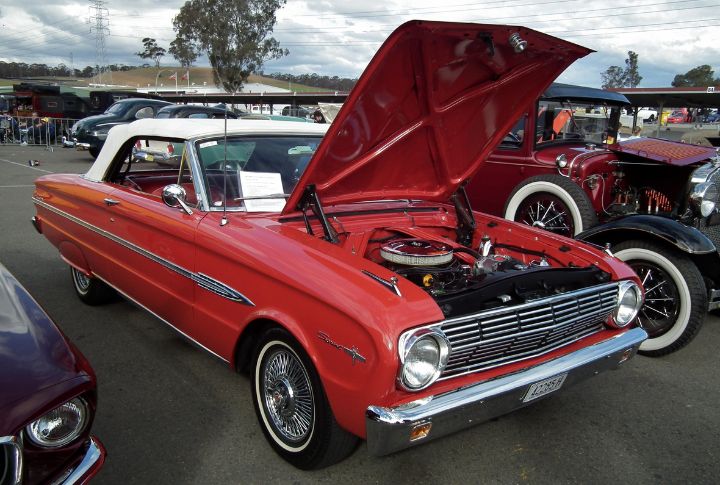
In the mid-1960s, Ford launched several output-oriented versions of the Falcon, with the Sprint models being particularly notable. The Falcon Sprint, released in 1963, featured a V8 engine, a substantial upgrade from the standard inline-six engines that powered most Falcons. It also had enhancements like upgraded suspension, improved brakes, dual exhaust systems, and sportier styling like unique badging and racing stripes.
Historic Endurance Race
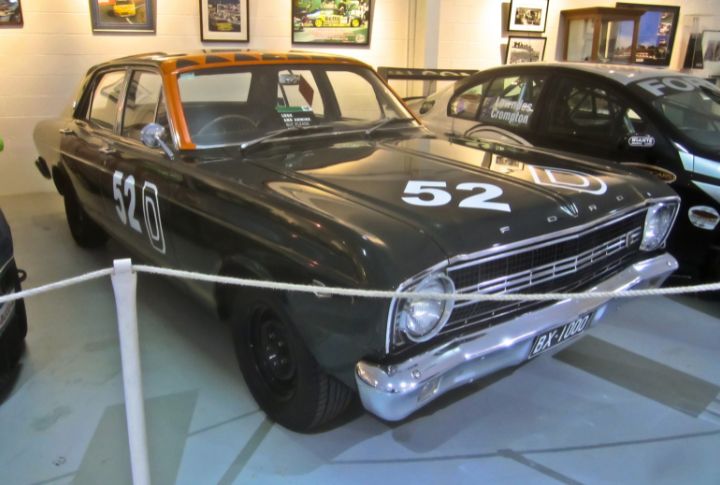
The 1967 Bathurst 500 marked a huge milestone in Australian motorsport history. Held at the Mount Panorama Circuit in Bathurst, New South Wales, this endurance race tests automotive durability and driver skill. It was particularly notable for the Ford Falcon GT, which emerged victorious, being driven by Harry Firth and Fred Gibson. Their victory was instrumental in establishing the Falcon GT as a formidable competitor in the high-performance car segment.
Export Success
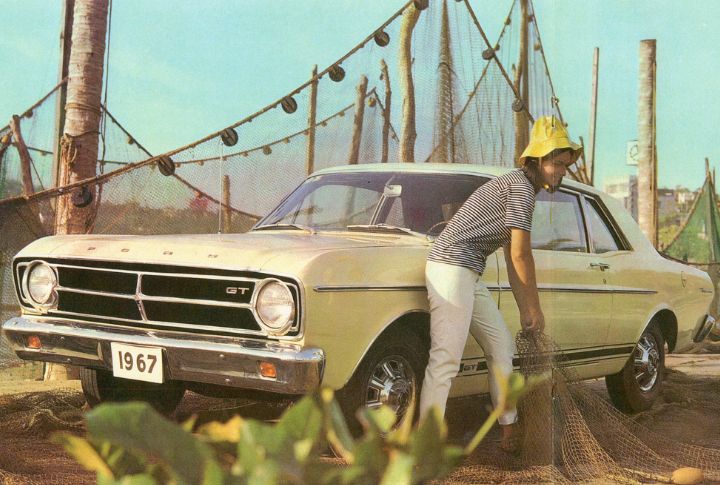
Initially designed and manufactured in Australia, the Falcon’s popularity quickly spread beyond its home market. Ford’s assembly plants in different locations ensured the Falcon was tailored to local conditions and expectations. In addition to being a cultural icon in Argentina, its presence in Mexico helped Ford establish a stronger foothold in Latin America. Furthermore, the Canadian assembly allowed it to compete effectively against other domestic brands.
Successor to the Edsel
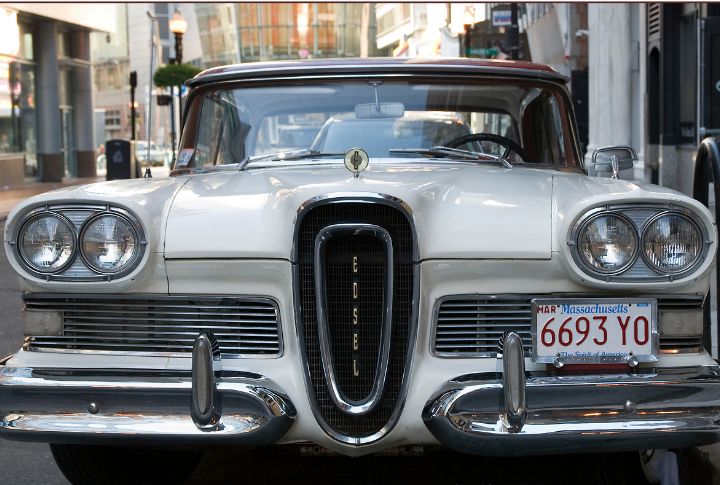
Edsel’s production was a notable failure for Ford, marred by low sales and poor marketing strategies. Although positioned as a mid-priced vehicle, it failed to distinguish itself adequately from other models, leading to confusion and a lack of consumer interest. Ford had to create a simple, affordable, and reliable car to correct this mistake. Its successor, the Falcon, focused on addressing the growing demand for smaller, more economical vehicles.
Model Variety
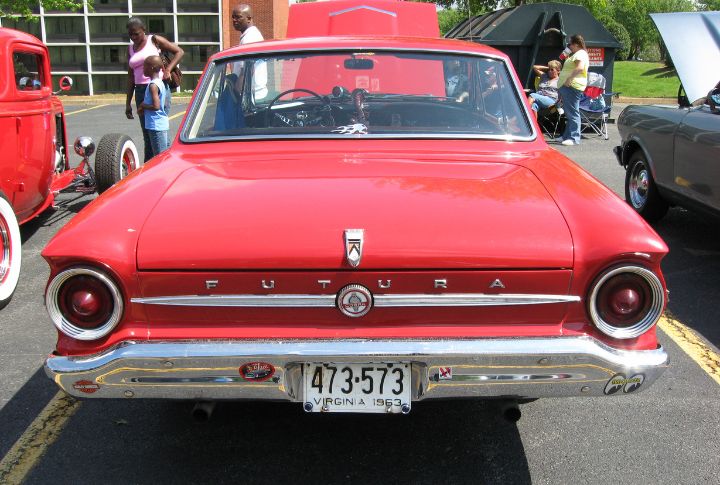
Several Falcon models were released to meet different customer preferences and needs. The Falcon Futura was made to offer higher comfort and style. It featured enhanced interior trim, unique exterior badging, and more powerful engine choices. Falcon Deluxe was a mid-range option with interior finishes and additional convenience features, while Falcon Club Wagon provided spacious seating and cargo capacity.
Law Enforcement

Law enforcement agencies in Australia have long relied on the Ford Falcon as a cornerstone of their vehicle fleet. The car’s potent engines and sturdy chassis made it well-suited for the diverse and often demanding conditions police officers encounter across Australia’s vast terrain. Falcon XR6 and XR8’s high-speed capabilities and ample interior space for equipment and detainees also contributed to their popularity among law enforcement agencies.
Cultural Icon
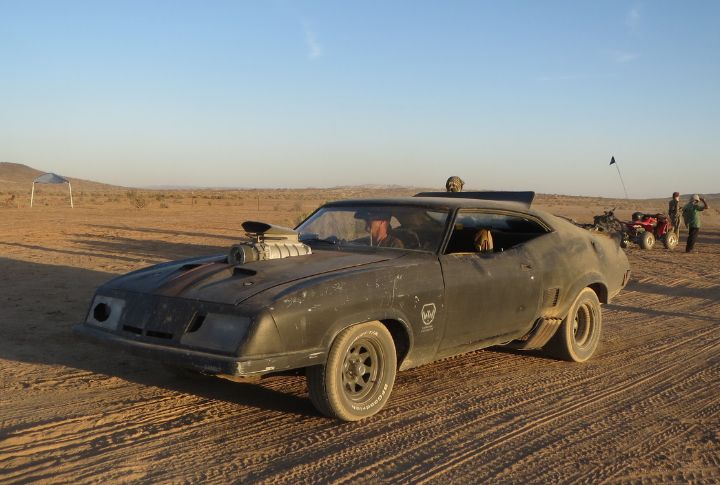
Affectionately known as the “Pursuit Special” or “Interceptor,” the vehicle played a central role in the Mad Max series. Its design, featuring a supercharger protruding from the hood and its matte black paint job, has become an iconic image associated with the franchise. Beyond Mad Max, the Ford Falcon has also been featured in various other films and television shows.
Sales Leader
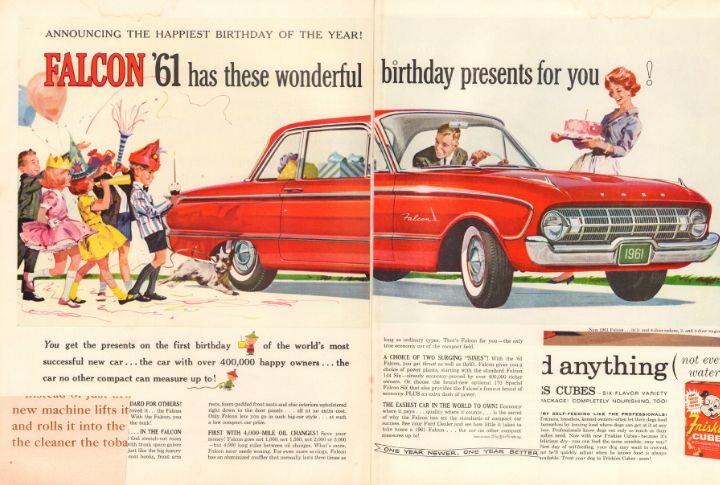
The combination of unibody construction, a simple yet dependable 2.4-liter inline-six engine, effective marketing strategies, and the introduction of various body styles made it the best-selling compact car in America by 1961. The Falcon also benefited from a strong dealer network and Ford’s reputation for quality and service.