11 Rental Car Mistakes You Can Avoid Once You Know Them
Lots of drivers like to think of booking a rental car as the easy part of traveling. You pick the one you like. Getting the keys takes a few minutes. You point the nose toward the Airbnb and get on with your life. But convenience can turn into a surprisingly expensive learning experience if you drift through the process on autopilot.
According to Turo, the rental industry tops $60 billion in 2025, thanks to traditional counters and the rise of car sharing platforms. Millions borrow cars because it feels simple. But that “ease” of use hides plenty of places to slip up.
The fastest way to avoid headaches is to understand the trouble spots before you book. The most common mistakes, Turo says, fall into familiar patterns.
11 Rental Car Mistakes You Can Avoid Once You Know Them
People still wait too long to make a rental car reservation
Last minute works in quiet seasons, but it punishes anyone traveling during holidays, major events, spring break, or peak summer weekends.
Airport locations run out first. Book a couple weeks out if you have fixed dates. On Turo, early planners also get the widest choice of hosts and specialty cars. Late planners get whatever is left. That can mean overpaying or ending up with a rental car that’s totally impractical for your needs.
Another trap sits in “low” prices
Shoppers often scan the base rate and assume they outsmarted the system, only to find airport concessions, city taxes, refueling, insurance, and underage fees waiting at checkout.
Thankfully, the cure is simple. Read the full cost breakdown before you confirm the reservation.
Then read it again in the confirmation email. If the email shows items you did not select, contact the vendor right away.
Turo says its listings show complete pricing without airport surcharges or surprise counter charges. That transparency helps, but you should still verify every line item and understand any optional coverage or delivery add ons.
Fuel rules catch people off guard
Prepaid fuel rarely works out unless you plan to return the rental car on fumes. Pay on return usually costs more than the gas station down the street.
Turo says that “Return Full” is the safest route for most trips. Fill up within 10 miles of drop off and keep your receipt.
Car sharing hosts set their own policies, so check the fuel and mileage rules before you commit. Many Turo trips use a return full setup. Long distance drivers should look for listings with generous or unlimited mileage to avoid overage fees.
Insurance confusion remains the heavyweight stress maker
Rental car counters load travelers with terms like collision damage waiver, liability, personal accident, and personal effects coverage.
Some drivers tune out. Others overbuy. Turo offers several protection plans with straightforward explanations. Still, the best move is to decide your coverage level before the trip.
Check whether your own car insurance policy or credit card extends coverage to rentals or peer-to-peer sharing. If not, consider a collision damage waiver at the counter or a third party policy.
If you already have coverage, bring proof of it. That shortens the counter conversation and shields you from pressure selling.
Security deposits and payment rules derail more rental car plans than you would expect
Some rental companies require a major credit card and reject debit at pickup. Others accept debit but demand a large hold, a recent utility bill, or proof of return travel. International renters face extra layers if their bank cards come from abroad.
Read the payment policy ahead of time. Bring the same card you used to book, plus a backup card and matching government ID. Car sharing tends to be simpler, but hosts may require identity verification before the handoff. Complete those steps early.
Driving duties also matter
Only named drivers are covered. If you plan to split the miles, add each driver to the reservation and bring their IDs. Otherwise you risk having an uncovered driver at the wheel.
Vehicle choice seems easy…but often isn’t
Big SUVs look glamorous online until you feed them fuel and hunt for parking near your hotel.
Tiny sedans look cheap and cheerful until you try to wedge in luggage and a child seat.
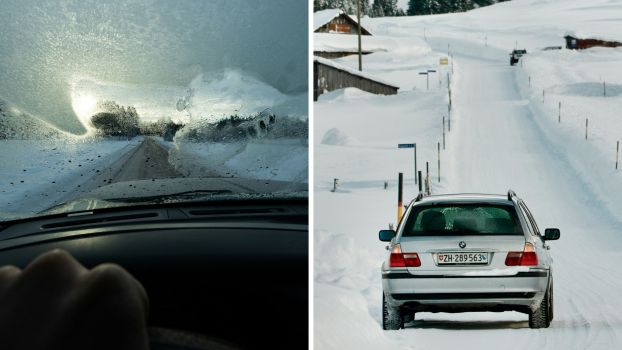
Match the car to the trip. Compact cars fit tight city streets. Crossovers and midsize sedans work better for long interstate runs. Mountain routes demand all-wheel drive and winter-ready tires.
Return timing also creates drama
Most vendors allow a short grace period. Once that window closes, late fees stack up.
Traffic, airport lines, and flight delays turn punctual travelers into accidental rule breakers. Message the host or company if you know you will be late. Courtesy helps you avoid an extra day charge.
Many renters skip the inspection
That mistake can cost real money. Photograph every angle of the rental car at pickup. Roof. Seats. Sides. Glass. Tires. Bumpers.
Keep the images for two months. Do the same at return. Turo lets you upload photos in the app for quick reference. Clear documentation is your best protection.
Age rules and license requirements also vary
Drivers under 25 or over 70 often face surcharges. International visitors may need a passport and sometimes an international driving permit. Confirm your eligibility for the state you are visiting and the company you are using.
The last mistake is super common
People forget their own stuff. Chargers. Keys. Sunglasses. Passports. Rental cars swallow belongings with the enthusiasm of a couch cushion.
Run a final sweep. Check every pocket, panel, and seat. Take a photo of the empty cabin as a reminder.
A smooth rental experience usually comes down to preparation
Book early. Read the full cost. Know your coverage. Understand the vendor’s rules. Choose the right car. Document everything. And before you hand back the keys, make sure the rental car isn’t still carrying half your life in the back seat.