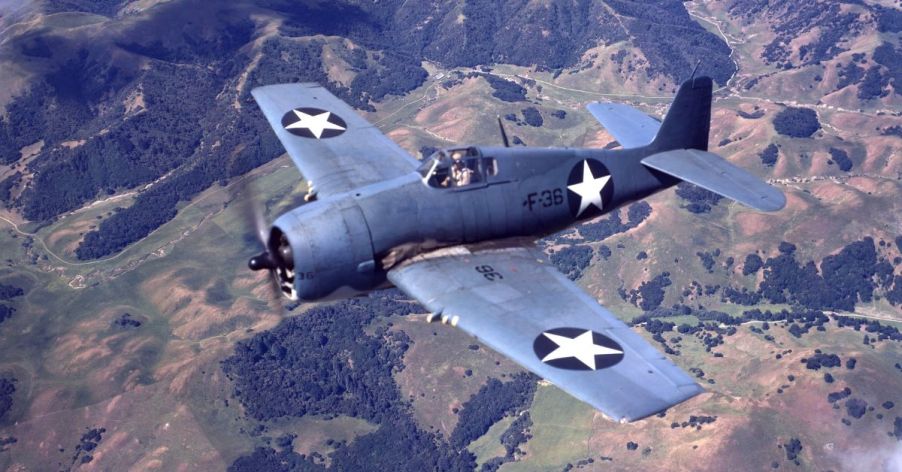
10 Ways The F6F Hellcat Pushed Pilots To Their Limits
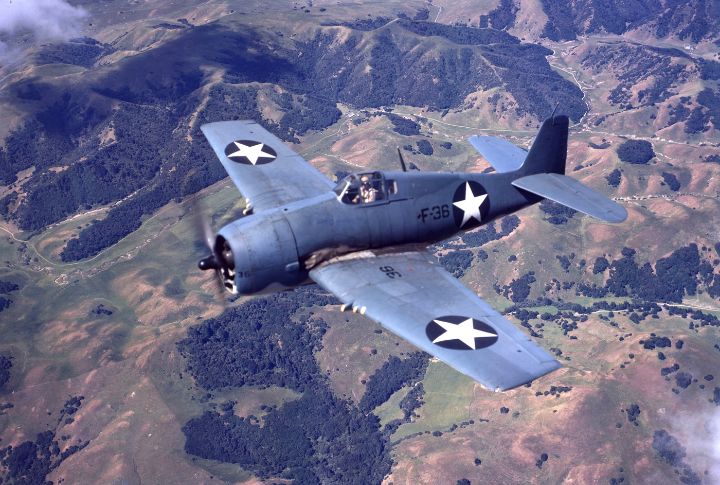
The F6F Hellcat was instrumental in the Pacific Theater, but its power and capabilities didn’t come without challenges. Pilots had to adapt quickly to the demands, facing physical and mental hurdles. Here are 10 ways the F6F Hellcat pushed pilots to their absolute limits.
Speed Defined Every Engagement
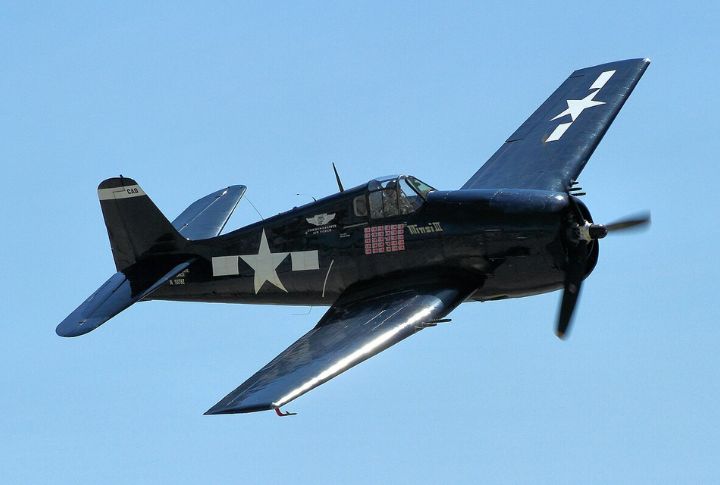
Reaching 380 mph, the Hellcat forced pilots to make instant decisions. Tight turns, rapid dives, and sudden changes in momentum tested reactions and coordination. A slight miscalculation could lead to a stall or an open position. Precision flying and complete awareness determined survival in high-speed combat.
G-Forces Crushed Every Movement
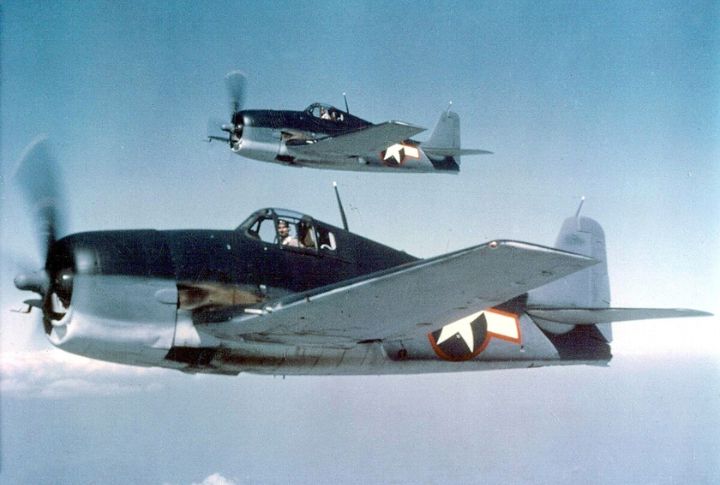
In the middle of a high-speed turn, pilots experienced up to six times their body weight pressing down. Maintaining vision and control under these forces required physical endurance and breathing techniques. Without preparation, blackouts and disorientation threatened to turn an advantage into a deadly mistake.
Combat Stress Wore Down The Mind
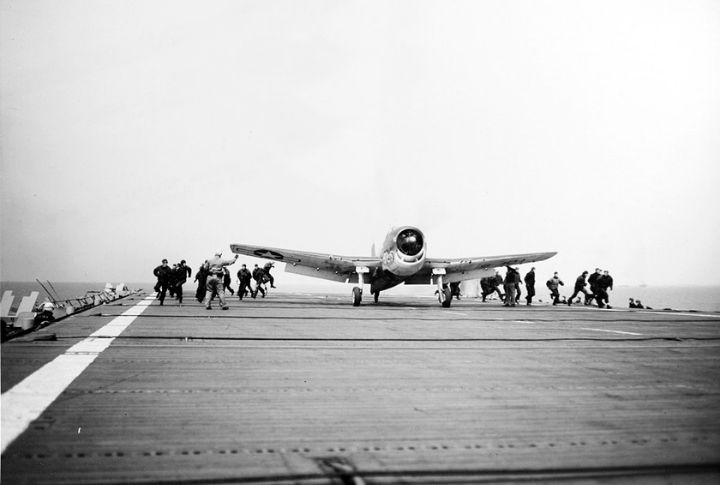
Flying over the Pacific for hours, pilots knew danger could appear at any moment. Enemy ambushes and mechanical failures lurked beyond every horizon. Each mission demanded intense focus, while exhaustion and constant tension weighed heavily. Mental toughness mattered as much as technical skill.
Fuel Limits Forced Calculated Risks
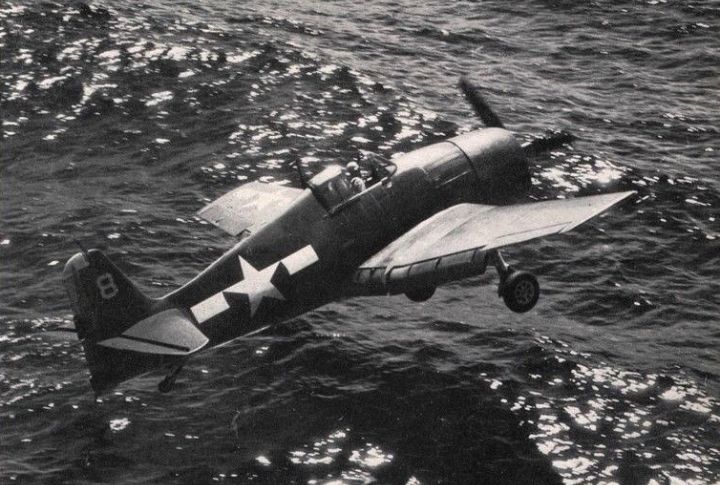
Long-range missions left little room for error. Pilots had to ration fuel, plan routes carefully, and remain efficient during combat. An aggressive chase or prolonged engagement could drain reserves too quickly. Many found themselves gliding back to base or preparing for an emergency water landing.
Precision Attacks Required Steady Hands
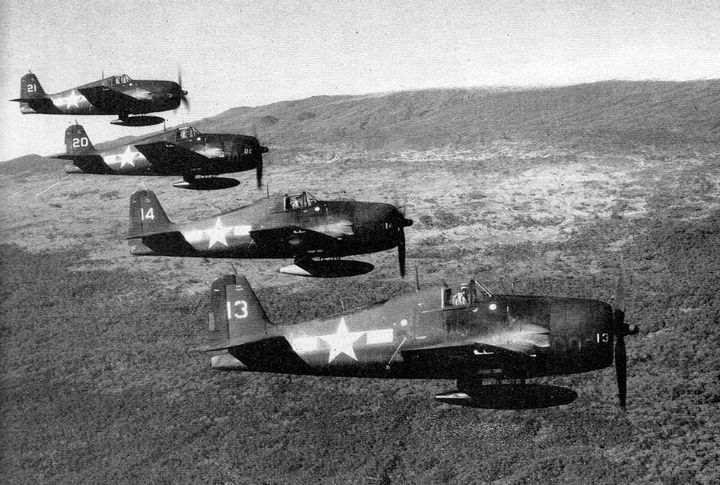
Strafing ground targets or enemy ships left no time for adjustments. The pilots had to fire with absolute accuracy while moving at high speed. Anti-aircraft fire and evasive maneuvers only increased the challenge. Those skilled at mastering these attacks remained ahead of those who hesitated under pressure.
Facing Faster, More Agile Enemies Required Strategy
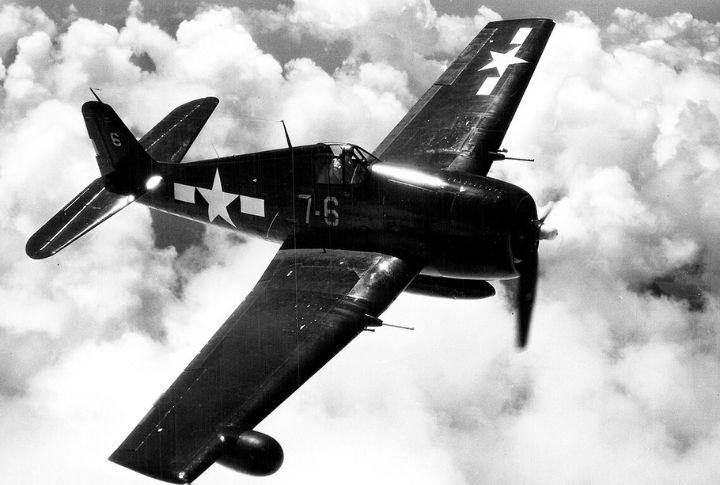
The A6M Zero could outmaneuver most aircraft, forcing Hellcat pilots to rely on superior firepower and durability. Energy tactics required precision—controlled dives demanded timing, while careful shot placement turned every engagement into a calculated strike. In longer fights, every advantage had to be exploited to the fullest extent possible.
Navigation Without Modern Tools Increased The Risk
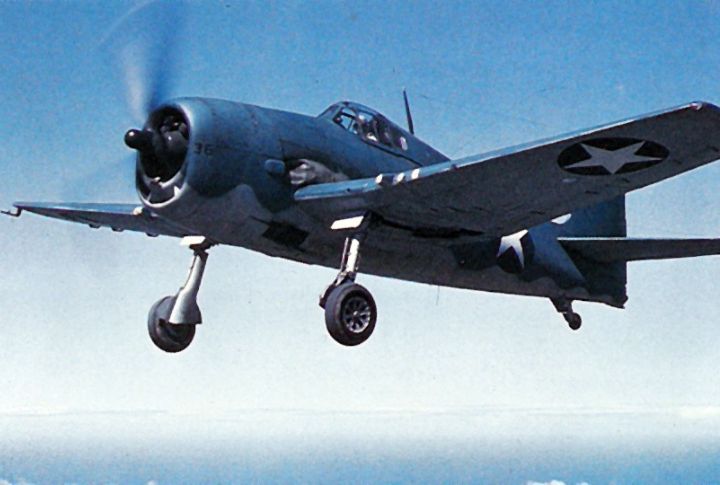
Without radar or GPS, pilots relied on basic instruments, such as the sun and radio signals, to stay on course. Cloud cover and disorienting conditions often caused them to fly blind, and losing bearings meant drifting into enemy territory or running out of fuel over open water.
Carrier Landings Demanded Absolute Control
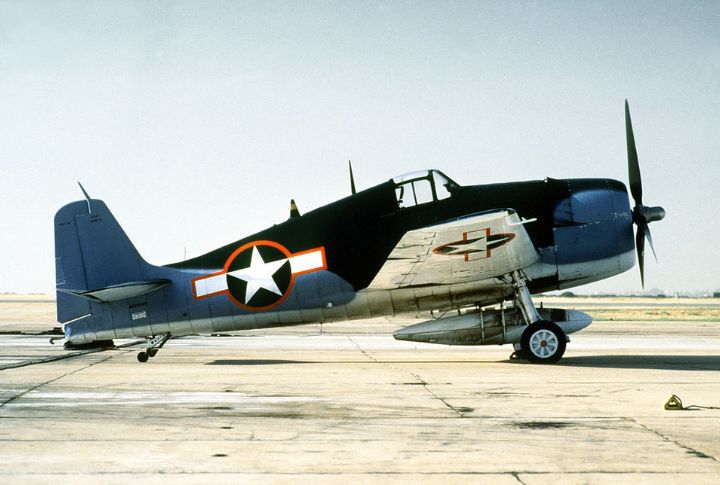
Pilots had to align precisely, accounting for crosswinds and unpredictable sea conditions. One misstep could send the aircraft skidding off the deck or missing the arrestor cables entirely. Training instilled muscle memory, but every landing remained a high-stakes moment.
Harsh Weather Created Constant Hazards
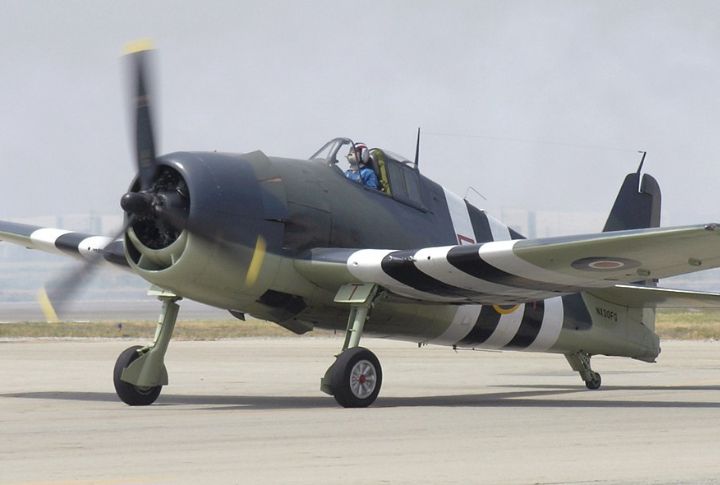
Storms, strong winds, and poor visibility turned routine flights into survival tests. Heavy rain could obscure vision, and turbulence could throw off precise maneuvers. Carrier landings in high winds required expert control, while lightning and crosswinds made midair stability an ongoing battle.
Battle Damage Turned Every Flight Into A Test Of Resilience
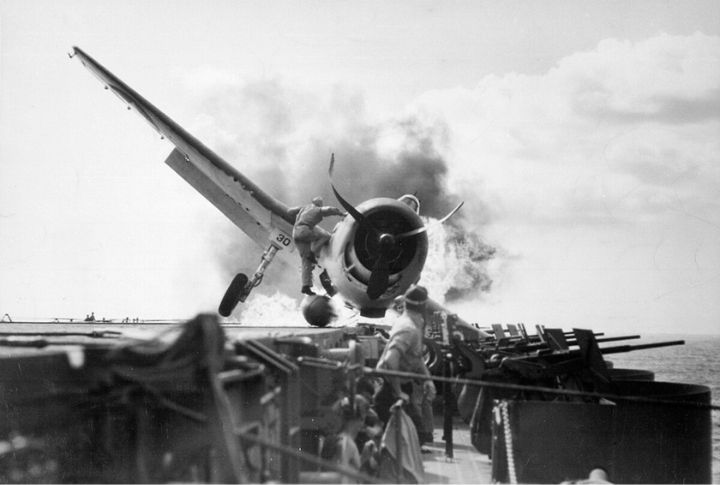
Pilots often returned with damaged engines or malfunctioning controls. Quick thinking and adaptability were required when dealing with mechanical failures and mid-flight. Every landing with a crippled Hellcat tested skill and nerves. Those who mastered damage control often lived to fight another day.