
10 Trucker Tips Every Beginner Must Master

The first year behind the wheel can feel steady or like you’re bracing for impact. Most of that depends on knowing what you’re doing before you’re told you did it wrong. These aren’t fancy hacks; they’re the basics smart truck drivers swear by. If staying sharp and out of trouble is the goal, here are ten must-know tips to lock in.
Always Do A Pre-Trip Inspection

FMCSA rules require every driver to inspect the truck before hitting the road. A proper check catches problems like worn tires, broken lights, or faulty brakes before they lead to danger. Skipping the process can trigger surprise state inspections and fines of up to $15,000. That’s why seasoned drivers treat the pre-trip as essential.
Know Your Hours Of Service Rules

Picture this: you’re drained but push past the 11-hour limit after just 10 hours off. The law forbids it, and FMCSA’s ELDs are watching, logging your location every hour. Ignore Hours of Service rules, and forced downtime or worse could follow. In fact, drivers who follow the limits often earn bonuses and safer roads.
Secure Your Load Properly

Loose cargo can cause trucks to roll over or jackknife. If a load falls off, some states may charge the driver with a misdemeanor. In addition, DOT fines can exceed $5,000. Using the right chains and straps rated for your load is essential. Did you know poorly secured cargo leads to hundreds of avoidable accidents every year?
Respect Bridge And Overpass Clearance

Always check clearance signs and use truck-specific GPS. Ignoring height limits results in “bridge strikes,” which happen more than you’d think. Certain low bridges are hit repeatedly and even have nicknames—like the infamous “Can Opener.” One collision can result in thousands of dollars in damage, trigger a CDL suspension, and significantly increase your insurance rates.
Understand The Smith System For Defensive Driving
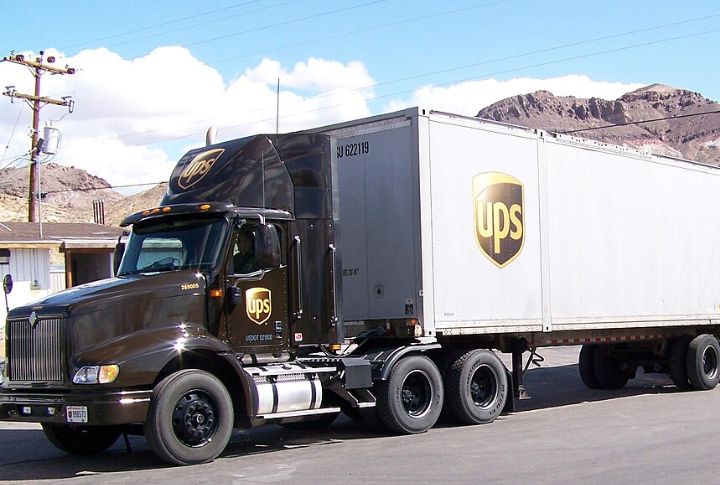
The Smith System teaches five defensive driving habits to reduce crashes and boost awareness. It was developed in 1952 and is still used today by fleets like UPS. One key rule, “Aim High in Steering,” helps drivers read the road ahead. Following this system can lower accident rates by up to 50%.
Use Proper Backing Techniques
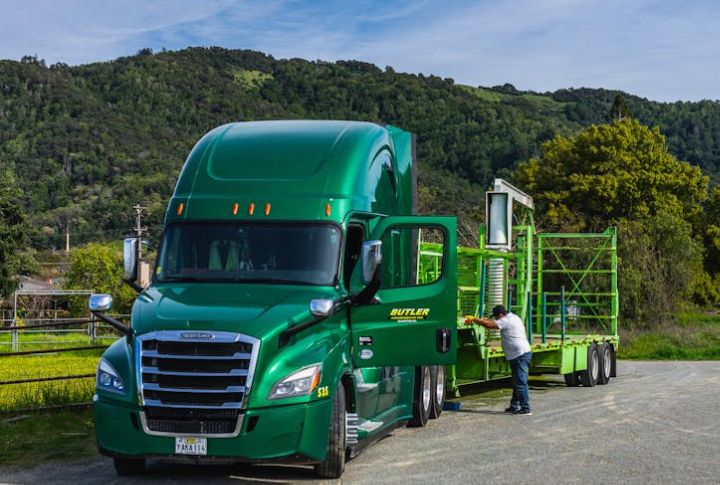
Backing accidents rank among trucking’s most common and costly incidents. To prevent them, the DOT recommends using a spotter or getting out to carefully check your surroundings. Because blind spots when backing are often larger than those of cars, many fleets follow a “GOAL” (Get Out And Look) policy and limit backing to reduce claims.
Check Weather And Road Conditions Before You Drive

Severe weather poses major risks for truck drivers. Ice and fog can further create dangerous driving conditions. Black ice is most common at dawn and nearly impossible to spot. States like Colorado enforce chain laws during winter months. Some carriers may also halt driving when wind gusts exceed 40 mph.
Never Trust The GPS Blindly

Never rely on a consumer GPS for truck routes. These devices often ignore weight limits, bridge clearances, or truck restrictions. Use a truck-specific GPS instead, and keep a paper atlas like Rand McNally in the cab. Bad GPS data has left many trucks stranded, and fines are common for restricted roads.
Mind Your Turning Radius In Cities

You roll into a tight corner downtown. The sign says to turn right, but your trailer says, “Good luck with that.” It needs up to 55 feet to clear it cleanly. One wrong angle and someone’s bumper or a storefront could pay the price. That’s why smart drivers lean toward wider left turns and never ignore the city layout.
Plan Fuel Stops Around Weigh Stations
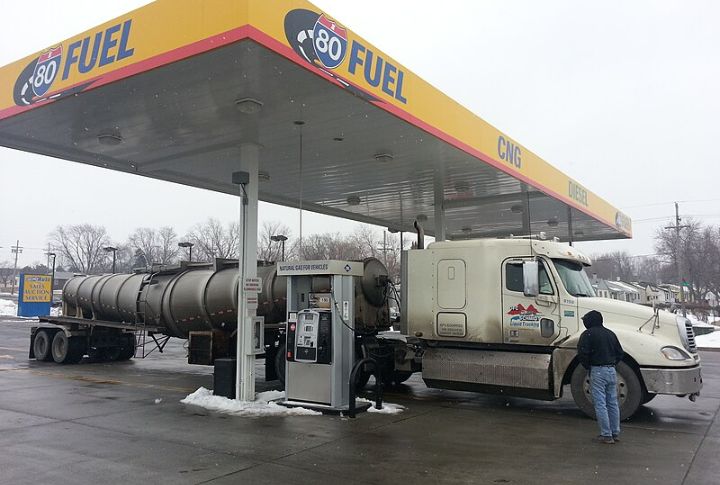
Fuel weight can affect axle readings, especially at weigh stations. Topping off before one may put you over the legal limit. Most stations operate 24/7 and require trucks to stop. Random inspections are often conducted there. Many drivers rely on bypass programs using transponders to reduce unnecessary halts.