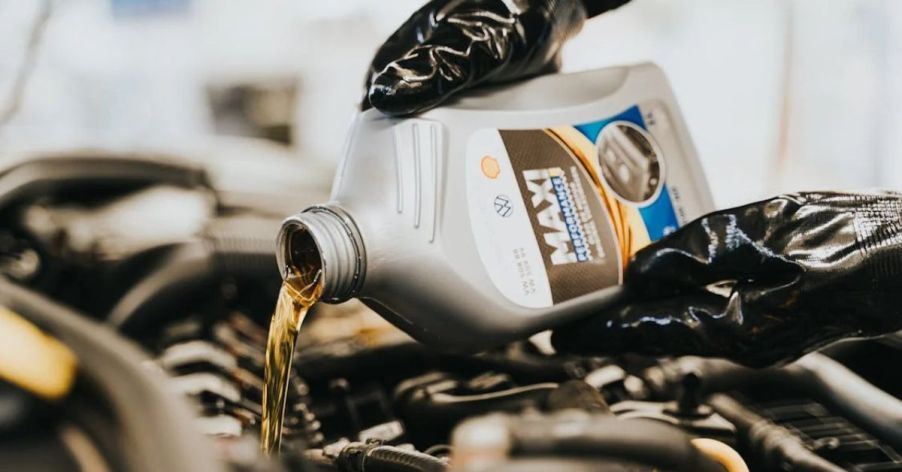
10 Simple Tips for a Perfect Oil Change Every Time

Avoid engine trouble with a few easy tips. Changing your oil may seem simple, but little errors lead to big problems. This list covers common mistakes and how to dodge them, so you can keep your engine healthy and your car running like new. Stay on track with these tips!
Using the Wrong Type of Oil
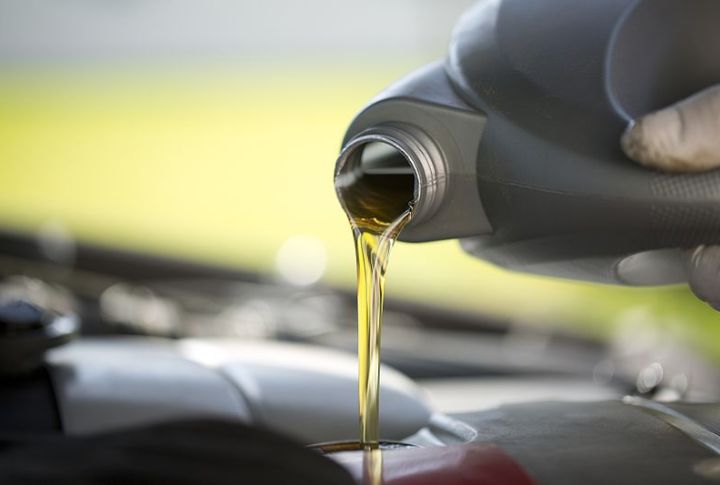
When it comes to the engine’s health, selecting the right oil is important. Many assume any oil will work, but engines have specific needs. Check your car’s manual for the exact type and avoid experimenting. Using an incorrect oil can reduce efficiency and lead to costly repairs.
Forgetting to Warm Up the Engine
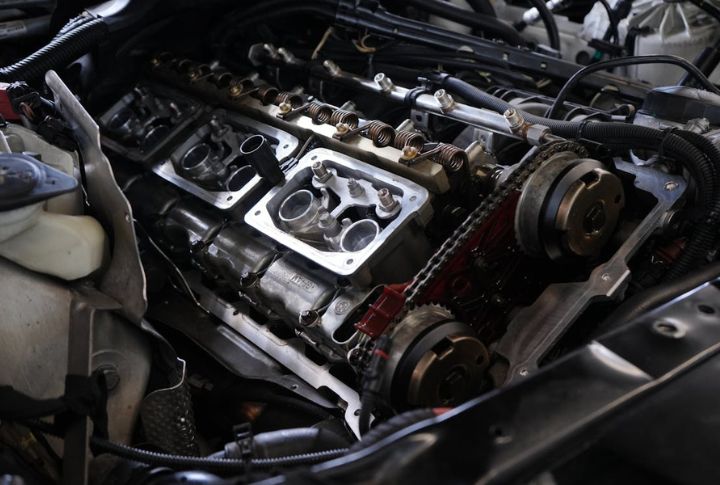
Cold oil doesn’t flow as easily, which can slow down the draining process. Run the engine for a few minutes before starting the oil change. This step helps remove old oil more thoroughly, ensuring fresh oil does its job. Remember, warm oil makes the process smoother.
Neglecting the Oil Filter
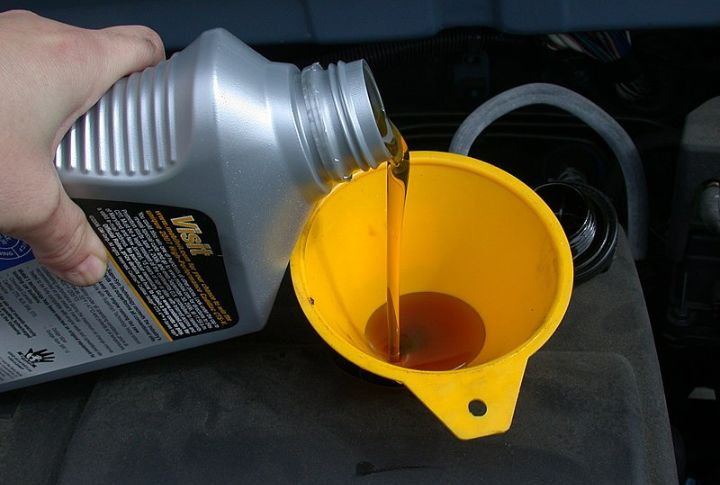
A fresh filter keeps the oil clean and helps your engine run smoothly. Some people replace the oil but skip the filter, a shortcut that affects performance. Filters trap debris and old contaminants, so leaving it in undoes all your hard work. Never skip this small but vital step.
Overlooking the Drain Plug
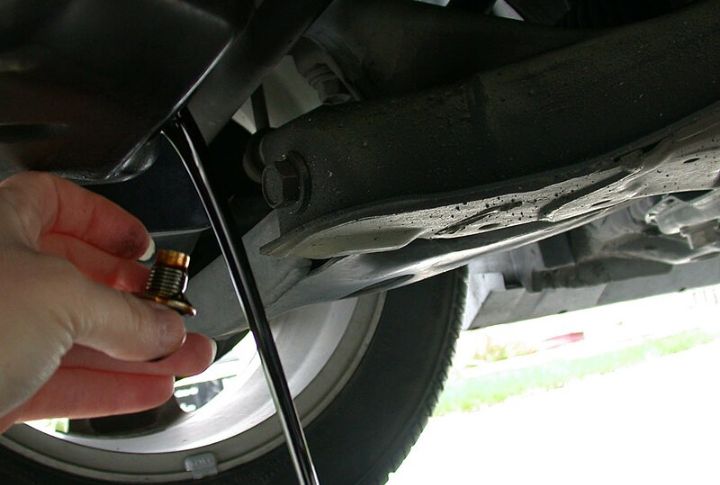
If you misplace the drain plug or don’t secure it properly can cause leaks and messes. Take a moment to check it carefully. Tighten it just enough to prevent drips without overtightening, which risks damaging the threads. Keeping the drain plug secure ensures an oil-tight seal.
Failing to Check the Oil Level
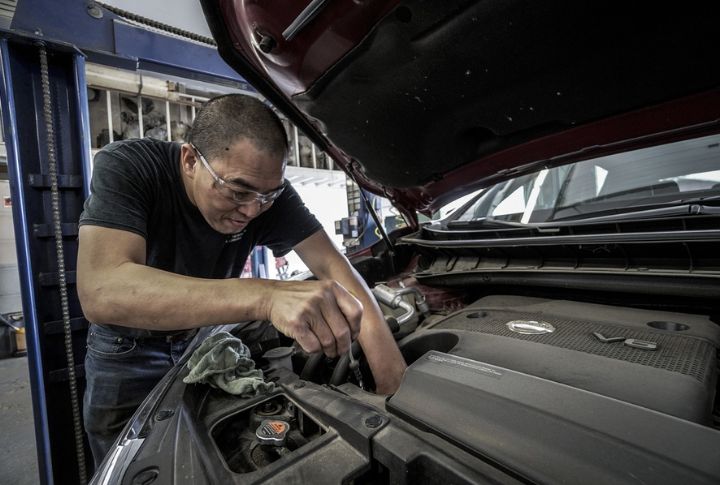
After pouring in new oil, always double-check the level. Some skip this and risk underfilling or overfilling the engine. Use the dipstick to confirm it’s within the recommended range. Check to confirm your engine has enough oil to perform well without causing any strain.
Ignoring the Oil Cap
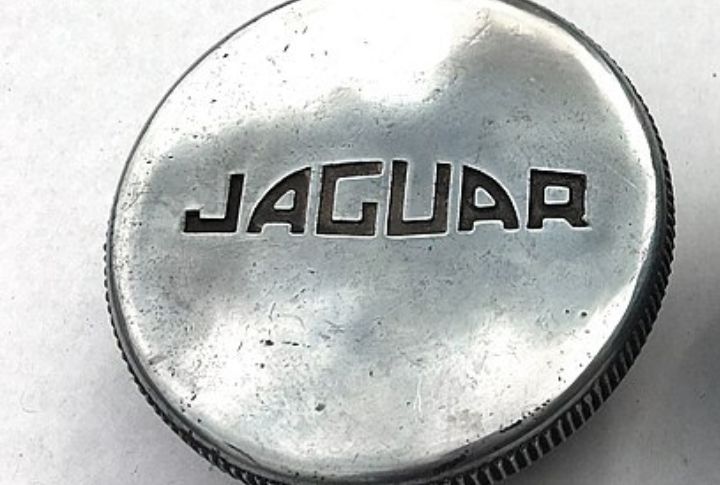
Even a small oversight here leads to splattered oil or dust sneaking into the engine. A quick check saves future headaches! Leaving the oil cap off or placing it improperly creates a mess and can harm the engine. Double-check the cap after filling up and make sure it’s tightened securely.
Skipping a Clean Workspace

A cluttered area can cause spills, misplaced tools, or accidental damage. Set up a clean workspace with all tools and rags within reach to make the job smoother. This small step not only keeps things tidy but also makes the oil change faster and frustration-free.
Using Old, Worn Tools
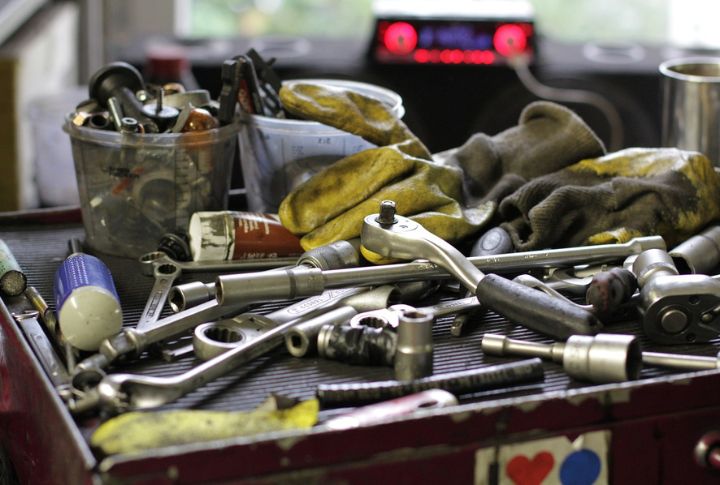
The right tools make each step smoother and help prevent unnecessary damage along the way. Old tools or the wrong wrench size can strip the drain plug or create frustration during an oil change. Use quality tools in good condition to keep things quick and smooth.
Not Waiting for Oil to Settle
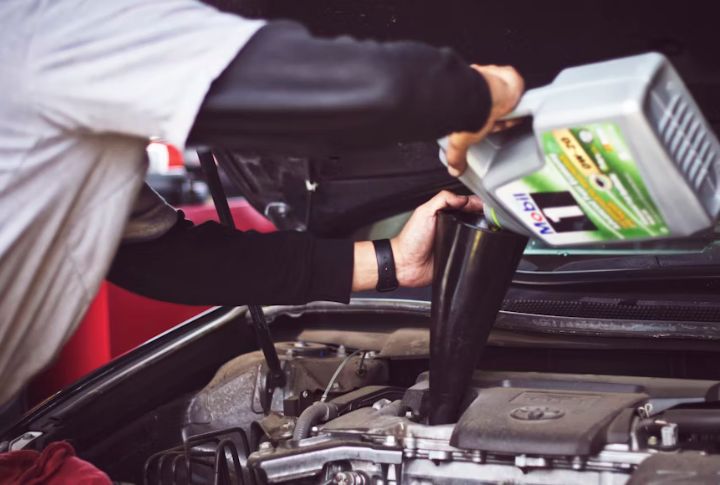
Once the oil fills up, giving it a few minutes to settle helps get an accurate reading on the dipstick. If you check the level right after pouring, you might accidentally overfill. Patience here lets the oil spread evenly, giving a true level check before hitting the road.
Tossing the Old Oil Carelessly

Do good, even with old oil! Careless disposal of used oil damages the environment and goes against regulations. Instead, pour it into a sealed container and drop it off at a recycling center. Proper disposal protects nature, avoids fines, and makes the oil change process eco-friendly.